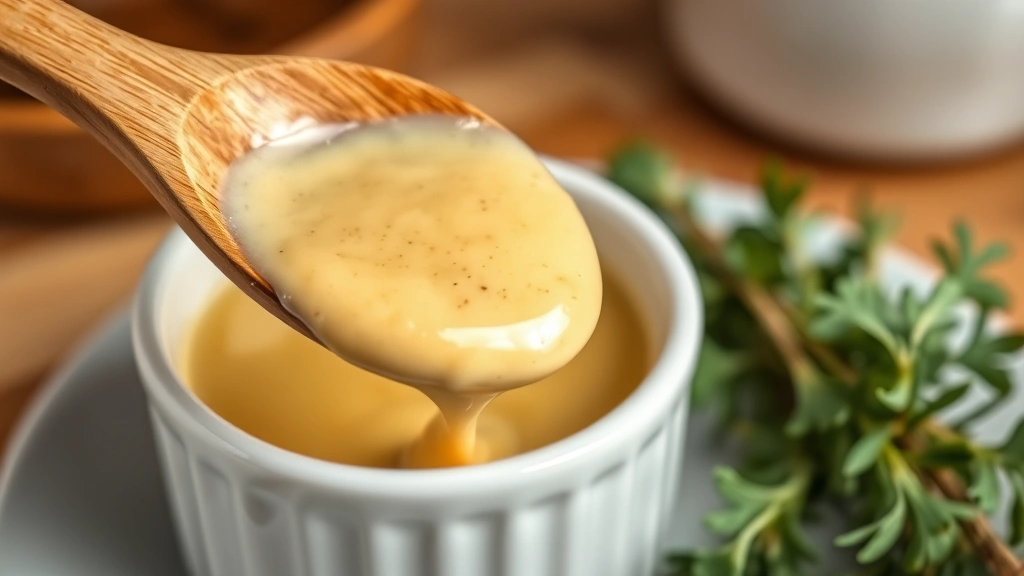
Dijon Mustard Sauce: Chef’s Secret Recipe for Culinary Excellence
Dijon mustard sauce stands as one of the most versatile and elegant condiments in classical French cuisine. This creamy, tangy emulsion elevates everything from grilled proteins to roasted vegetables with its sophisticated flavor profile. What separates a mediocre mustard sauce from a chef’s signature creation lies in understanding the balance of acidity, richness, and the subtle art of emulsification.
The beauty of mastering a Dijon mustard sauce recipe is that it requires minimal ingredients yet delivers maximum flavor impact. Whether you’re preparing an elegant dinner party or elevating weeknight meals, this sauce transforms ordinary dishes into restaurant-quality creations. Professional chefs guard their mustard sauce techniques closely because they understand that a perfectly executed sauce can define an entire dish.
In this comprehensive guide, we’ll explore the chemistry behind Dijon mustard sauces, walk through multiple variations, and provide you with the exact techniques used in fine dining establishments. By the end, you’ll have the confidence to create restaurant-quality sauces that impress every palate.
Understanding Dijon Mustard: The Foundation
Before crafting the perfect sauce, you need to understand what makes Dijon mustard special. Unlike yellow mustard, which relies on turmeric for color, Dijon mustard uses brown mustard seeds combined with white wine or verjuice. This creates a more sophisticated, less acidic profile that blends seamlessly into sauces rather than overpowering them.
The mustard seeds in authentic Dijon contain natural emulsifiers, primarily mucilage, which help bind fats and liquids together. This is why Dijon mustard is the preferred choice for sauce-making—it naturally facilitates the emulsification process. The sharp, slightly bitter notes complement both rich and light dishes, making it incredibly versatile.
Quality matters significantly when selecting your Dijon mustard. Look for brands that list mustard seed, water, and salt as primary ingredients. Avoid versions with excessive additives or stabilizers, as these can interfere with your sauce’s texture and your ability to adjust flavors during cooking.
Classic Creamy Dijon Mustard Sauce
The foundation of most professional Dijon mustard sauces begins with a simple butter and shallot base. This classic preparation serves as the template for countless variations.
Ingredients for Classic Dijon Mustard Sauce
- 3 tablespoons unsalted butter, divided
- 2 shallots, minced finely
- 1 cup dry white wine or chicken stock
- 3 tablespoons Dijon mustard
- 1/2 cup heavy cream or crème fraîche
- 1 tablespoon fresh tarragon or parsley
- Salt and white pepper to taste
- 1 teaspoon honey (optional, for balance)
Step-by-Step Preparation
Step 1: Build the Flavor Base
Heat 1 tablespoon of butter in a heavy-bottomed saucepan over medium heat. Add your minced shallots and cook gently for 2-3 minutes, stirring frequently. You want them to soften and become translucent without browning. This process, called sweating, releases the shallots’ natural sugars and creates a sweet, mellow base for your sauce. The key is patience—rushing this step by using high heat will result in bitter, burnt shallots that ruin the entire sauce.
Step 2: Deglaze and Reduce
Pour in your white wine or stock, scraping the bottom of the pan to release any caramelized bits. These fond particles contain concentrated flavor compounds that add depth to your sauce. Bring the liquid to a gentle simmer and reduce by half, which typically takes 4-5 minutes. This reduction concentrates the flavors and allows alcohol to evaporate if using wine. The sauce should smell fragrant and the liquid should be noticeably thicker than when you started.
Step 3: Incorporate the Mustard
Remove the pan from heat and whisk in your Dijon mustard. Whisking off-heat prevents the mustard from breaking down and becoming grainy. The mustard will integrate smoothly into the warm liquid, creating a silky base. This is where the sauce begins to take on its characteristic color and tangy depth.
Step 4: Add Creaminess
Return the pan to medium-low heat and slowly pour in your heavy cream, whisking constantly. The cream should be added gradually rather than all at once—this allows it to incorporate evenly and prevents curdling. If using crème fraîche, which is more stable, you can add it more quickly. Simmer gently for 1-2 minutes until the sauce reaches your desired consistency. It should coat the back of a spoon but still flow smoothly.
Step 5: Finish and Season
Remove from heat and whisk in the remaining 2 tablespoons of cold butter. This technique, called monter au beurre, adds richness and creates an emulsified, glossy finish. Stir in fresh herbs and taste for seasoning. Add salt and white pepper gradually—white pepper is preferred because black specks can look unappetizing in a pale sauce. If the sauce tastes too sharp or acidic, add a touch of honey to round out the flavors.
Yield: Approximately 1.5 cups of sauce, serving 4-6 people as an accompaniment.
The Science of Emulsification
Understanding emulsification transforms you from someone who follows recipes to someone who can troubleshoot and create sauces with confidence. An emulsion is a suspension of tiny fat droplets dispersed throughout a liquid medium, held together by emulsifiers.
In Dijon mustard sauce, the emulsifier is primarily the mustard itself, which contains proteins and polysaccharides that surround fat molecules. The cream adds additional fat, which needs proper emulsification to create a smooth, cohesive sauce rather than a greasy, separated mess.
Temperature control is critical for emulsification success. Too much heat can break down the proteins that hold the emulsion together, causing the sauce to separate. This is why professional chefs work over medium or medium-low heat and avoid aggressive boiling. If your sauce does break, don’t panic—whisk a tablespoon of cold cream or stock into a separate bowl, then slowly whisk the broken sauce into it to re-emulsify.
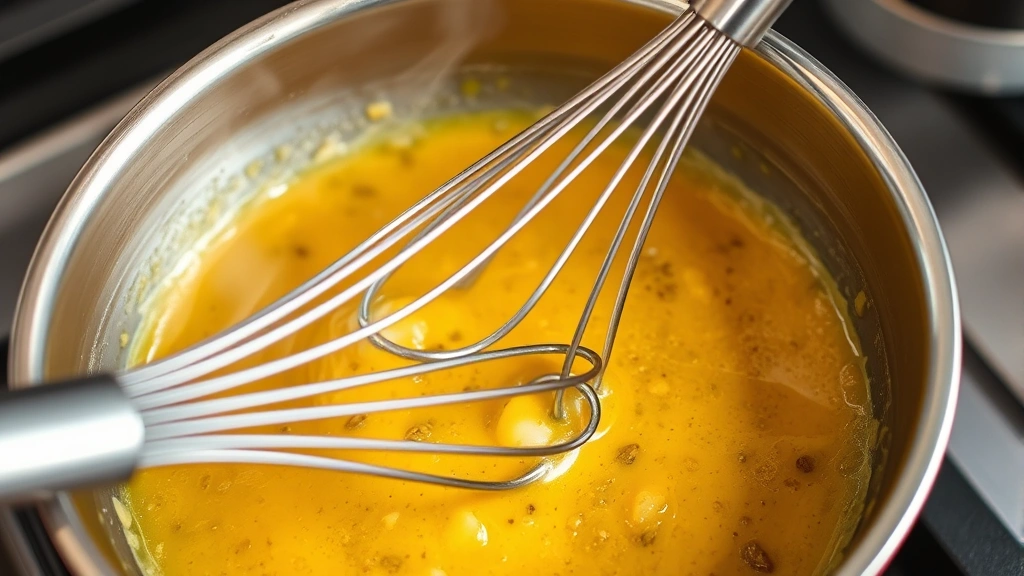
The whisking action itself matters tremendously. Constant whisking ensures even distribution of ingredients and prevents any one component from dominating. This mechanical action also helps incorporate air, creating a lighter texture than a sauce that’s simply stirred.
Advanced Variations and Flavor Profiles
Once you’ve mastered the classic version, these variations will expand your culinary repertoire and allow you to customize sauces for specific dishes.
Tarragon Dijon Mustard Sauce
Tarragon is the traditional herb pairing with Dijon mustard, offering an anise-like complexity. Use 2 tablespoons of fresh tarragon or 1 tablespoon of dried tarragon, added during the reduction phase. This variation pairs beautifully with miso salmon or roasted chicken breast. The tarragon’s subtle licorice notes complement the mustard’s sharp bite perfectly.
Whole Grain Dijon Mustard Sauce
Substitute 2 tablespoons of the smooth Dijon with whole grain mustard for added texture and a slightly earthier flavor. This version works exceptionally well with beef, pork, and game meats. The visible mustard seeds add visual interest and a pleasant textural contrast that makes the sauce more memorable.
Horseradish-Dijon Sauce
Add 1-2 tablespoons of prepared horseradish or freshly grated horseradish to your classic recipe for a sauce with serious punch. This variation is perfect for beef preparations and makes an outstanding accompaniment to old-fashioned salmon patties. The horseradish adds heat and complexity that elevates simple proteins.
Champagne Dijon Sauce
Replace the dry white wine with Champagne or sparkling wine for a more elegant, celebratory sauce. The bubbles add airiness, and the wine’s complexity creates a more refined flavor profile. Use this for special occasions or when serving premium proteins like lobster or scallops.
Honey-Dijon Sauce with Thyme
Increase the honey to 2 tablespoons and add 1 teaspoon of fresh thyme. This sweeter version works particularly well with pork, duck, and vegetables. The honey balances the mustard’s sharpness and creates a more rounded, approachable sauce.
Asian-Inspired Dijon-Ginger Sauce
Add 1 tablespoon of minced fresh ginger, 1 teaspoon of soy sauce, and a splash of rice vinegar to your base recipe. This fusion variation pairs wonderfully with bang bang shrimp or other Asian-influenced dishes. The ginger adds warmth, while the soy sauce deepens the umami profile.
Pairing Your Sauce with Proteins
The magic of a truly excellent sauce lies in its pairing with the right protein. Here’s how to match your Dijon mustard sauce to different dishes.
With Fish and Seafood
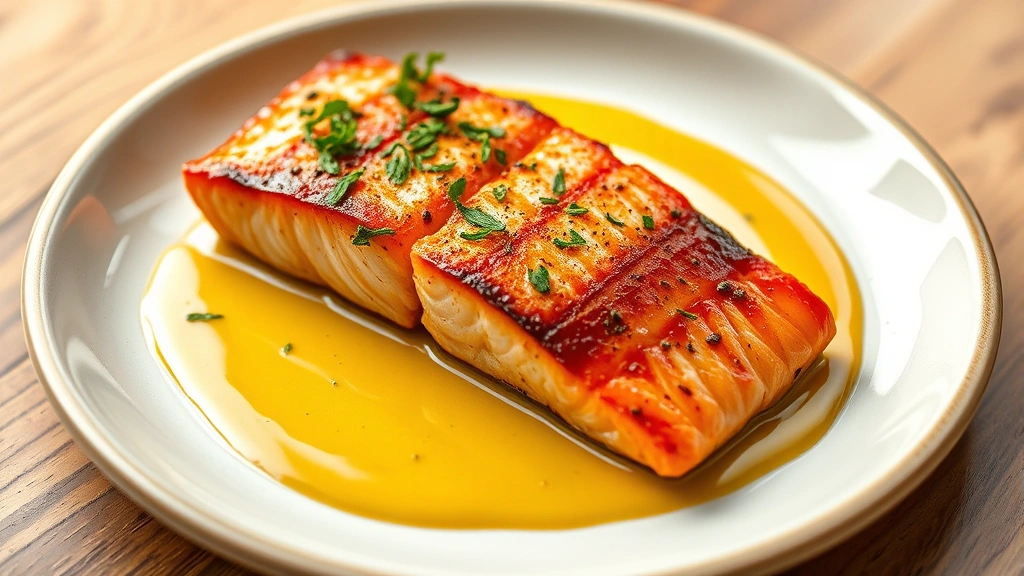
For delicate white fish like halibut or sole, use the classic tarragon version with reduced cream to avoid overpowering the subtle flavors. For richer fish like salmon, the horseradish variation or the Asian-inspired ginger version adds necessary complexity. The tanginess of mustard cuts through the fat of fish beautifully, cleansing the palate between bites. This sauce is equally excellent served alongside rice bowl recipes featuring fish.
With Poultry
Chicken benefits from the classic tarragon or the honey-thyme variation. Duck, with its richer meat, pairs exceptionally well with whole grain Dijon sauce or the honey version. The sauce’s acidity helps balance poultry’s richness while the mustard’s sharpness prevents the dish from feeling heavy.
With Beef and Pork
Red meats pair beautifully with whole grain Dijon sauce or the horseradish variation. The earthiness of beef and pork stands up to these bolder flavors. Consider adding a splash of red wine instead of white for beef applications, and incorporate fresh rosemary or thyme to enhance the pairing.
With Vegetables
Roasted cruciferous vegetables like broccoli and cauliflower benefit from a lighter Dijon sauce with extra lemon juice. Root vegetables pair well with the honey-thyme version. Consider serving this sauce alongside avocado crema recipe for a sophisticated vegetable plate.
Storage and Make-Ahead Strategies
Refrigerator Storage: Dijon mustard sauce keeps beautifully in an airtight container for up to 3 days. The flavors actually deepen slightly as the sauce sits, making it an excellent make-ahead option. To reheat, place the sauce in a heavy-bottomed saucepan over medium-low heat, whisking frequently. Add a splash of stock or cream if the sauce has thickened too much during storage.
Freezing Considerations: While the sauce can technically be frozen, the emulsion may separate slightly during thawing. If you must freeze it, do so in small portions in freezer bags, and plan to whisk vigorously while reheating. The re-emulsification process works best when you add a tablespoon of cold cream or stock while whisking over gentle heat.
Make-Ahead Base: A smarter approach is to prepare the base (shallots, wine reduction, and mustard) up to 2 days ahead, then finish with cream and butter just before serving. This ensures optimal texture and emulsification. Store the base in a covered container in the refrigerator.
Temperature Stability: If you’re serving at a dinner party, keep the finished sauce warm in a double boiler rather than directly over heat. This prevents the emulsion from breaking due to excessive temperature. The water bath provides gentle, consistent warmth that maintains the sauce’s silky texture for extended periods.
Consistency Adjustments: If your refrigerated sauce becomes too thick, whisk in a tablespoon of warm stock or cream. If it’s too thin, whisk in a small amount of softened butter or a teaspoon of cornstarch mixed with cold water. Always make these adjustments off-heat, then return to gentle warmth.
Professional Tips from Fine Dining Chefs
Professional chefs employ several techniques to ensure their Dijon mustard sauces are consistently exceptional. Understanding these secrets elevates your home cooking to restaurant standards.
Mise en Place Mastery: Professional kitchens prepare all ingredients before cooking begins. Have your shallots minced, cream measured, herbs chopped, and butter cut into pieces. This prevents scrambling mid-sauce and ensures even cooking times.
Acid Balance: Many chefs finish their mustard sauce with a squeeze of fresh lemon juice or a splash of white wine vinegar. This brightens the flavors and prevents the sauce from tasting flat or one-dimensional. Add acid conservatively—you can always add more, but you can’t remove it.
Umami Enhancement: A pinch of quality salt or a tiny splash of fish sauce (about 1/4 teaspoon) deepens the sauce’s savory notes without making it taste fishy. This technique, borrowed from Asian cuisines, adds complexity that diners notice but can’t quite identify.
Smooth Emulsification: Professional chefs use room-temperature cream rather than cold cream when possible. Cold cream can shock the hot sauce, potentially breaking the emulsion. If using cold cream, add it very slowly while whisking constantly.
Quality Control: Taste constantly throughout cooking. Adjust seasoning in small increments—a pinch of salt or a few drops of acid can transform a good sauce into an exceptional one. Remember that flavors will intensify slightly as the sauce reduces.
Cooking Equipment: Invest in a heavy-bottomed saucepan made from stainless steel or copper. These materials distribute heat evenly, preventing hot spots that can break your emulsion. Avoid non-stick pans for sauce-making, as the coating prevents proper reduction and makes whisking less effective.
For those interested in mastering multiple cooking techniques, how to cook with cast iron provides complementary skills for protein preparation that pairs beautifully with your finished sauce.
Troubleshooting Common Sauce Problems
Sauce is Too Thin: Simmer gently for another minute or two to allow more liquid to evaporate. Alternatively, whisk in a teaspoon of softened butter or a tiny amount of cornstarch mixed with cold water. Never add flour directly, as it will create lumps.
Sauce Tastes Too Sharp or Acidic: Add a teaspoon of honey, a splash of cream, or a pinch of sugar to mellow the sharpness. Some of the acidity also dissipates as the sauce cools slightly.
Sauce Breaks or Separates: Immediately remove from heat. Whisk a tablespoon of cold cream or stock in a separate bowl, then slowly whisk the broken sauce into it. The cold liquid helps re-emulsify the fats.
Sauce Tastes Flat: Add salt gradually while tasting—salt amplifies other flavors without adding its own taste. A squeeze of fresh lemon juice also brightens a flat sauce dramatically.
Sauce is Lumpy: Strain through a fine-mesh sieve into a clean saucepan. Whisk in a tablespoon of cream and gently rewarm. Most lumps dissolve with this treatment.
FAQ
Can I make Dijon mustard sauce without cream?
Yes, absolutely. Substitute the cream with crème fraîche, sour cream, or even Greek yogurt for a lighter version. You can also make a butter-based sauce by reducing the wine further and mounting with additional butter instead of cream. The texture will be slightly different—less thick but still luxurious and coating.
What’s the difference between Dijon mustard and whole grain mustard in sauce applications?
Dijon mustard creates a smooth, elegant sauce with sharp, refined flavors. Whole grain mustard adds texture, earthiness, and a slightly milder taste. For refined plating, use Dijon. For rustic dishes or when you want visible texture, whole grain works better. You can also blend both for a middle ground.
How far in advance can I make this sauce?
The base (shallots, wine reduction, and mustard) keeps for 2 days refrigerated. Complete sauce with cream keeps for 3 days. For best results, add fresh herbs and final seasoning just before serving. The sauce tastes freshest within 4 hours of completion.
Can I use dry mustard powder instead of prepared Dijon mustard?
While possible, prepared Dijon mustard is strongly recommended. Dry mustard powder is much more concentrated and requires careful hydration. It also lacks the natural emulsifiers present in prepared mustard, making emulsification more challenging. Stick with prepared Dijon for best results.
What wine should I use for the reduction?
Use a dry white wine you’d actually drink—Sauvignon Blanc, Pinot Grigio, or Chablis work beautifully. Avoid “cooking wine” sold in supermarkets, which contains added salt and preservatives. The wine’s quality directly impacts your sauce’s flavor, so don’t compromise here.
Is there a dairy-free version of this sauce?
Yes, though it requires adjustments. Use coconut cream or cashew cream for richness, and increase the butter slightly for flavor. The emulsification works slightly differently, so whisk more carefully. Some chefs use a cornstarch slurry to thicken dairy-free versions, though this creates a different mouthfeel than traditional cream-based sauce.
Why does my sauce separate when I reheat it?
Excessive heat breaks the emulsion. Always reheat over medium-low heat, whisking frequently. Add a splash of stock or cream to help re-emulsify. If separation occurs, whisk in cold cream as described in the troubleshooting section.
Can I make this sauce in a blender or food processor?
For the initial emulsification, yes—a blender can create an exceptionally smooth sauce. However, you’ll lose the opportunity to taste and adjust flavors during cooking. Traditional stovetop preparation gives you better control and allows for flavor refinement. Blenders work better for making large batches that you’ll strain and adjust afterward.
What’s the best way to serve this sauce?
Serve warm but not piping hot—around 160-170°F is ideal. Spoon sauce around the protein rather than over it for elegant plating. For family-style service, pour into a warm sauceboat. The sauce should flow smoothly but coat a spoon—if it’s too thin, it won’t cling to food; if too thick, it will feel heavy.
How do I scale this recipe for large groups?
The recipe scales linearly—double or triple all ingredients for larger batches. However, reduction times may need slight adjustment with larger volumes. Increase reduction time by 1-2 minutes per doubling. Taste frequently to ensure flavors concentrate properly. Prepare in batches rather than one enormous pot for better heat distribution and control.


