Table of Contents
Introduction
Ever feel like you’re doing everything right with your diet, but the scale just won’t budge? You’re not alone. The frustrating truth is that some foods are working against you—quietly sabotaging your weight loss efforts while you’re trying your hardest. It’s not always about eating less. Sometimes it’s about eating smarter.
Here’s the thing most people miss: the quality of what you eat matters just as much as how much you eat. Maybe even more. You could be cutting calories and hitting the gym religiously, but if you’re still reaching for certain foods, you’re basically swimming upstream. The worst part? Some of these saboteurs are hiding in plain sight, marketed as “healthy” options. Understanding the difference between organic and non-organic food can be a game-changer for making better choices. And if you’re looking for inspiration to completely revamp your meal routine, these best healthy food recipes will show you that eating well doesn’t have to be boring.
Think of your metabolism like a finely tuned engine. Feed it the wrong fuel—highly processed junk and sugar bombs—and it starts sputtering. Your blood sugar goes on a roller coaster ride, your body shifts into fat-storage mode, and suddenly that morning pastry is working against you for hours. But here’s where it gets interesting: you can actually boost your results by pairing smart food choices with the right movement. These fitness tips for weight loss will show you how exercise and nutrition work together like a power couple. And don’t overlook something as simple as water—staying properly hydrated can literally help you burn more calories and feel less hungry. The science behind weight loss and water intake might surprise you. Plus, loading up on foods rich in antioxidants helps fight inflammation that can slow down your progress.
Now, let’s talk about something most diet advice ignores: how you handle food in your kitchen matters too. When you’re more mindful about what you buy, how you store it, and how much you actually use, something magical happens. You start eating more intentionally. No more mindless snacking on leftovers or grabbing whatever’s convenient. These practical food waste reduction tips aren’t just good for the planet—they’ll help you develop better eating habits and portion awareness.
What You’ll Learn in This Guide
Ready to finally figure out which foods are holding you back? We’re going to break this down into bite-sized pieces that actually make sense:
- Identifying High-Risk Foods: We’ll call out the biggest troublemakers—processed foods, sugary drinks, refined carbs, and those sneaky “healthy” fats that aren’t so healthy—and explain exactly why they’re messing with your goals.
- Understanding Metabolic Impacts: No boring science lectures here, just the real talk about how these foods hijack your metabolism, send your blood sugar on a wild ride, and basically train your body to store fat instead of burning it.
- Healthier Alternatives and Strategies: The good news part—we’ll show you simple swaps that actually taste good and practical strategies that fit into real life (because who has time for complicated meal prep?).
- When to Seek Professional Guidance: Sometimes you need backup, and that’s totally okay. We’ll help you recognize when it’s time to bring in a pro and how to find the right support for your specific situation.
What makes this different from every other “avoid these foods” article you’ve read? We’re not just going to tell you what not to eat and leave you hanging. You’ll walk away with a clear action plan, real-world strategies, and the confidence to make choices that actually stick. Speaking of sticking with it, if you need some delicious inspiration to keep your taste buds happy while you’re making these changes, definitely check out our collection of best healthy food recipes—because healthy food should never be punishment.
Look, sustainable weight loss isn’t about perfect restriction or never enjoying food again. It’s about being smart with your choices and understanding which foods are actually helping you reach your goals versus which ones are quietly working against you. When you know what to avoid and why, everything else becomes so much clearer. You’ll finally understand why some weeks the scale moves and others it doesn’t, and more importantly, you’ll know exactly what to do about it.
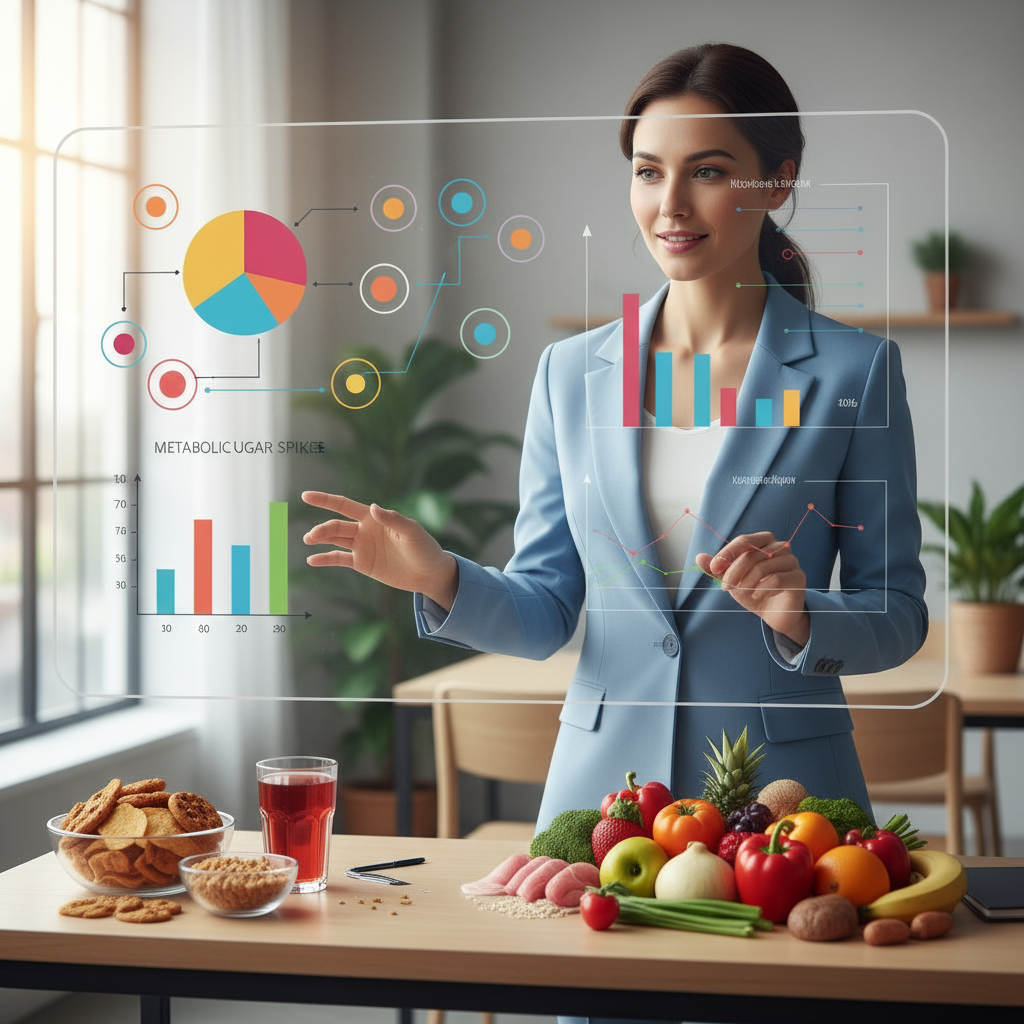
Here’s the truth about weight loss that nobody talks about enough: it’s not just about eating less or moving more. You’ve got to know which foods are actually working against you. Some foods seem innocent enough, but they’re secretly sabotaging your progress—adding calories you don’t need, messing with your blood sugar, and even slowing down your metabolism. Once you understand what these troublemakers are and why they’re problematic, you can make smarter choices that actually support your goals. We’re going to dive into the main categories of foods that derail weight loss efforts, explain exactly why they’re causing problems, and help you make better decisions in the kitchen. Think of this as building on what you already know about healthy eating—just with a sharper focus on what to avoid.
Highly Processed Foods: Why They Hinder Weight Loss
Processed foods have been through the industrial wringer—stripped of their natural goodness and pumped full of things your body doesn’t need: extra fats, sugars, sodium, and preservatives. Sure, they’re convenient and taste pretty good (food companies spend millions making sure of that), but they’re secretly undermining your weight loss efforts. Studies consistently show that people who regularly eat fast food, packaged snacks, and frozen meals struggle more with weight loss. It’s not just about willpower—these foods are designed to work against you. If you want to understand more about food quality, checking out the difference between organic and non-organic food can give you insights into what separates processed junk from real nutrition.
Here’s what happens when you eat these foods: your blood sugar shoots up fast, then crashes hard. That crash? It triggers hunger and cravings, basically forcing you to overeat. These foods pack tons of calories but almost no fiber, so your body gets flooded with energy while your metabolism gets zero support. Many processed foods also contain trans fats and other nasty ingredients that mess with the hormones controlling your appetite and fat storage. It’s like trying to lose weight with one hand tied behind your back.
Common Examples of Highly Processed Foods
You probably encounter these every day—here’s what to watch out for:
- Fast Food: Burgers, fries, fried chicken—the works. They’re loaded with saturated fats and calories, plus they barely contain any fiber. Your body absorbs all that glucose super quickly and stores it as fat before you know what hit you.
- Packaged Snacks: Potato chips, pretzels, those “healthy” granola bars that are basically candy in disguise. They’re calorie bombs packed with refined sugars and sodium, but they’ll leave you hungry an hour later.
- Frozen Meals: Yeah, they’re convenient after a long day, but most are hiding massive amounts of sodium, unhealthy fats, and preservatives that slow down your metabolism and aren’t doing your heart any favors either.
Once you start recognizing these processed culprits, you can swap them for whole foods that actually nourish your body. The difference in how you feel—and how your weight responds—is night and day.
Now, let’s talk about another major roadblock: sugary foods and drinks. These present their own unique challenges that directly contribute to fat storage.
Sugary Foods and Beverages: Effects on Metabolism and Weight Gain
Sugar is sneaky. It floods your system with simple sugars that get absorbed lightning-fast, sending your blood sugar and insulin levels on a roller coaster ride. When insulin spikes like that, your body switches into fat-storage mode and your hunger signals go haywire. Understanding this process is crucial for getting control over your eating patterns. For more context on how your body processes different nutrients, learning about dietary fiber’s importance can help—fiber actually slows down sugar absorption and keeps your blood glucose stable.
Think about sodas, candy, desserts, and those fancy coffee drinks loaded with syrup. They’re basically liquid calories with zero nutritional value. You drink or eat them, get a quick energy buzz, then crash and want more. Over time, all that sugar consumption can lead to insulin resistance, making weight loss feel nearly impossible.
Types of Sugary Foods and Beverages to Avoid
Here are the biggest offenders:
- Sodas and Soft Drinks: Pure liquid sugar (or high fructose corn syrup) with absolutely nothing beneficial for your body. They spike your metabolism and send excess energy straight to fat storage.
- Candies and Desserts: Refined sugar plus unhealthy fats in one package. They deliver calories fast and trigger cravings that make you want even more sweet stuff.
- Sweetened Coffee and Tea: Coffee and tea are actually great for you—until you add sugar-loaded syrups, creamers, and flavor powders. Then they become calorie bombs that sabotage your weight goals.
- Energy and Sports Drinks: Don’t let the marketing fool you. Unless you’re running a marathon, these are just expensive sugar water that works against your weight loss efforts.
Cutting back on these sugary foods and drinks can dramatically improve how your metabolism functions and how quickly you see results. It’s one of those changes that pays dividends pretty quickly once you stick with it.
Understanding refined carbohydrates rounds out the picture of foods that work against weight loss—let’s explore why these ingredients should be on your “avoid” list for lasting success.

Here’s the bottom line: knowing which foods to steer clear of can make or break your weight loss journey. Those highly processed snacks, sugary drinks, refined carbs, and deep-fried favorites? They’re loaded with calories, unhealthy fats, and sugars that work against you at every turn. But it’s not just about counting calories—it’s about understanding how these foods mess with your metabolism and trigger those late-night cravings that derail your progress. When you cut out these dietary troublemakers, something amazing happens: your metabolism starts humming along more efficiently, and those intense food cravings begin to fade.
Real, lasting weight loss isn’t just about what you don’t eat—it’s about completely shifting how you think about food. Let’s be honest: navigating today’s food landscape feels like walking through a minefield sometimes. (Seriously, when did “healthy” marketing become so misleading?) But here’s the thing—once you understand what’s really going on with your food, everything changes. You start craving nutrient-dense whole foods instead of processed junk. Your energy stabilizes. Your mood improves. And yes, the weight comes off and actually stays off because you’re working with your body, not against it.
Ready to put this knowledge into action? Start with our collection of best healthy food recipes—these aren’t your typical “diet food” recipes that taste like cardboard. We’re talking about meals that actually make you excited to eat healthy. And while you’re at it, check out our food waste reduction tips to become more intentional in your kitchen. Trust me, when you stop wasting food and money, you naturally become more mindful about what you’re putting in your body. Curious about whether organic is worth the extra cost? Our guide on organic versus non-organic food breaks it down without the marketing hype.
Now, let’s talk about the elephant in the room—exercise. You can eat perfectly, but if you’re not moving your body, you’re missing half the equation. That’s where our fitness tips for weight loss come in handy. These aren’t about punishing yourself at the gym for hours. Instead, they show you how to pair smart eating with movement that actually feels good and fits into your real life. When you get both pieces working together? That’s when the magic happens.
Look, your weight loss journey doesn’t have to be about restriction and misery. It’s really about getting smarter with your choices and building habits that make you feel amazing—not deprived. Start small. Celebrate the wins (even the tiny ones). And keep learning as you go. With everything we’ve covered here, plus resources like our healthy recipes to keep things interesting, you’ve got what it takes to succeed. You’re not just losing weight—you’re gaining a whole new relationship with food and your body. And that? That’s something worth celebrating every single day.
Frequently Asked Questions
-
Can occasional indulgence in these foods affect weight loss?
- Moderation is key, but frequent consumption of these foods can significantly hinder weight loss progress by disrupting metabolism and increasing cravings.
-
Are natural sugars better than refined sugars for weight loss?
- Natural sugars found in fruits come with fiber and nutrients, making them a healthier choice that supports stable blood sugar and satiety compared to refined sugars.
-
Is a low-carb diet effective for all individuals?
- Effectiveness varies from person to person; consulting a healthcare professional is advisable to tailor a diet plan that fits individual health needs and goals.
-
How can I satisfy cravings without eating forbidden foods?
- Opt for healthy snacks such as nuts, fresh fruits, or yogurt that provide nutrients and help control hunger while keeping cravings in check.