Fluffy German Pancakes: Grandma’s Secret Recipe
German pancakes, known as Pfannkuchen or Kaiserschmarrn depending on the region, are a beloved breakfast staple that transforms simple ingredients into cloud-like delights. Unlike their American counterparts, these pancakes achieve an extraordinary fluffiness through a combination of technique, ingredient ratios, and a touch of culinary magic passed down through generations. My grandmother guarded her recipe like a treasured heirloom, and after years of watching her work, I’ve finally unlocked the secrets to recreating those impossibly light, tender pancakes that made weekend mornings special.
What makes German pancakes distinctly different is their texture—they’re neither thick and heavy nor thin and crepe-like. Instead, they occupy a magical middle ground: tender, airy, and almost soufflé-like in their delicate structure. This unique characteristic comes from separating eggs, whipping the whites to stiff peaks, and folding them gently into the batter at just the right moment. The result is pancakes with a crispy exterior and an impossibly fluffy interior that practically melts on your tongue. Whether you’re looking to impress family at brunch or simply want to elevate your breakfast game, this German pancakes recipe will become your new favorite.
The Science Behind German Pancake Fluffiness
Understanding why German pancakes achieve such remarkable fluffiness requires exploring the chemistry of baking. The key lies in the separation and treatment of eggs, which serve as leavening agents. When egg whites are whipped, they trap tiny air bubbles within the protein structure, creating volume and lift. This is fundamentally different from mixing whole eggs into batter, where the yolk’s fat content inhibits foam formation.
The separation technique works because egg white proteins (primarily ovalbumin) denature when agitated, creating a network that stabilizes air bubbles. According to Serious Eats’ food science resources, this process can increase egg white volume by up to eight times. When these aerated whites are folded into a yolk-based batter, they create pockets of air throughout the mixture. During cooking, heat causes these air pockets to expand further, while the batter sets around them, trapping the gas and creating the signature fluffy structure.
Temperature also plays a crucial role. German grandmothers knew that room-temperature eggs whip more efficiently than cold ones, creating more stable and voluminous foam. The batter itself should be thin enough to allow air incorporation but thick enough to support the bubbles during cooking. This delicate balance is what separates mediocre pancakes from the extraordinary ones that justify the extra effort.
Essential Ingredients and Their Roles
The beauty of German pancakes lies in their simplicity—you need only a handful of quality ingredients, each playing a specific role in creating the perfect texture.
- Eggs: The foundation of fluffiness. You’ll need 4-5 large eggs, separated. The yolks provide richness and help bind the batter, while the whites create the crucial air structure.
- All-Purpose Flour: Use 1 cup of sifted flour to avoid compacting. Sifting aerates the flour and prevents gluten overdevelopment, which would make pancakes tough rather than tender.
- Milk: One cup of whole milk (or a milk and cream mixture) creates a tender crumb. The fat content matters—avoid skim milk, which produces denser pancakes.
- Sugar: Two to three tablespoons of granulated sugar sweetens the batter subtly. Some recipes add it to the egg whites during whipping to stabilize the meringue.
- Baking Powder: One teaspoon provides additional lift and ensures even rising. This works synergistically with the whipped egg whites.
- Salt: A quarter teaspoon enhances flavor and strengthens the protein network in egg whites.
- Vanilla Extract: One teaspoon adds depth without overpowering the delicate flavor profile.
- Butter: For cooking, use clarified butter or a combination of butter and oil. Butter alone can burn at high heat, while clarified butter tolerates higher temperatures and adds rich flavor.
The ingredient quality matters significantly. Fresh eggs whip to greater volume than older ones, as the protein structure is more stable. Room-temperature eggs incorporate air more efficiently than cold ones, so remove them from the refrigerator 30 minutes before cooking. When making these pancakes alongside other breakfast items, consider pairing them with fresh vegetables like sugar snap peas for a balanced meal.
Step-by-Step Preparation Guide
Step 1: Prepare Your Workspace and Ingredients
Begin by gathering all ingredients and measuring them precisely. Sift your flour into a bowl and set aside. Separate your eggs carefully—even a trace of yolk in the whites will prevent proper whipping. Use three bowls: one for yolks, one for whites, and one for mixing the batter base. This organization prevents mistakes and ensures smooth workflow.
Step 2: Create the Yolk Base
In a medium bowl, whisk together egg yolks, milk, vanilla extract, and one tablespoon of sugar until well combined and slightly pale. The mixture should be homogeneous with no streaks. Some German cooks add a pinch of lemon zest at this stage for subtle brightness. Gradually fold in the sifted flour using a spatula, stirring gently until just combined. The batter should be smooth but still slightly thin—it will thicken as the egg whites are incorporated.
Step 3: Whip the Egg Whites to Stiff Peaks
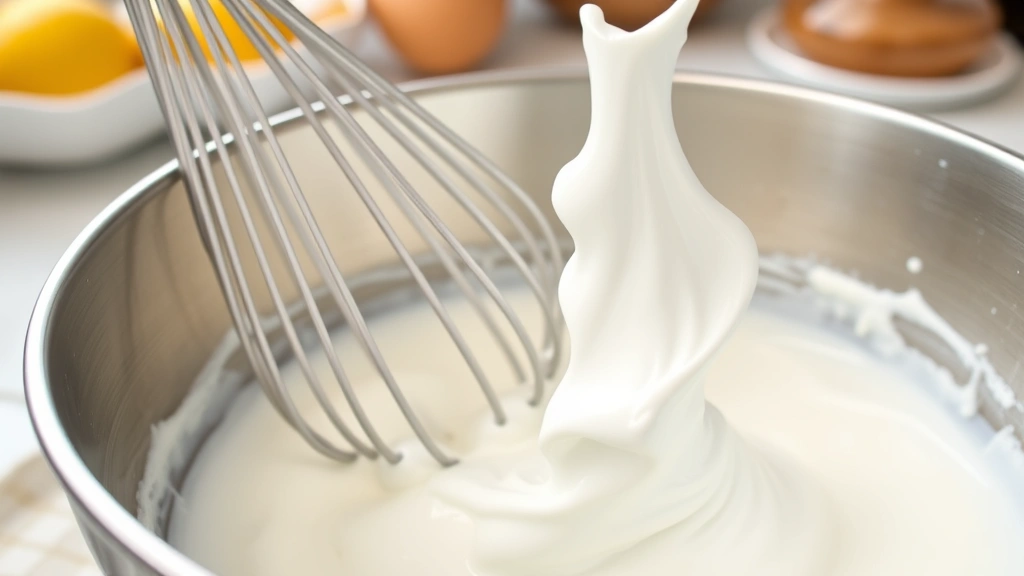
This is the critical step. Using an electric mixer (a whisk works but requires significant arm strength), beat the egg whites on medium speed for about one minute until foamy. Add the remaining tablespoon of sugar and the salt. Continue beating on medium-high speed for 3-5 minutes until stiff peaks form. To test, lift the beaters—the peaks should stand straight up without drooping. Overbeating creates a grainy texture, while underbeating leaves liquid egg white that won’t incorporate properly.
Step 4: Fold Gently
This step requires patience and technique. Using a large rubber spatula, scoop the egg whites into the yolk mixture in three additions. For each addition, gently fold by cutting down through the center of the bowl, sweeping along the bottom, and folding over the top. Rotate the bowl and repeat, turning the bowl rather than over-stirring. The goal is to distribute the whites evenly while preserving as many air bubbles as possible. A few small white streaks are preferable to overworking the batter.
Cooking Techniques for Perfect Results
The cooking process demands attention and proper technique to achieve the characteristic golden exterior and fluffy interior.
Temperature Control
Heat your griddle or skillet to medium heat (approximately 350°F if using an electric griddle). This moderate temperature allows the interior to cook through before the exterior burns. Too-high heat creates dark exteriors with raw centers; too-low heat produces pale, dense pancakes. Test the temperature by dropping a small amount of batter—it should sizzle immediately but not violently. A King Arthur’s cooking guide recommends letting the griddle stabilize for 2-3 minutes after reaching temperature.
Butter Application
Use clarified butter or a blend of butter and neutral oil. Apply a thin, even coating to the cooking surface—excess butter creates greasy pancakes, while insufficient butter causes sticking. Many German cooks butter the griddle between every 2-3 pancakes for consistent results.
Pouring and Cooking
Use a quarter-cup measuring cup or small ladle to pour batter onto the griddle, spacing pancakes at least three inches apart. They expand significantly during cooking and need room to spread. The batter should spread slightly on its own—if it’s too thick, thin it with a tablespoon of milk.
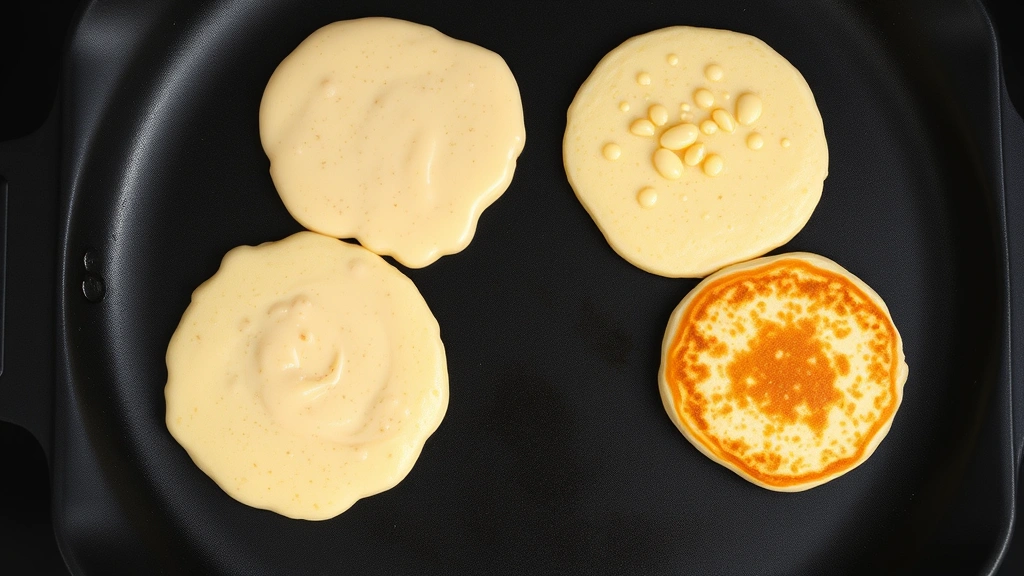
Cook the first side for 2-3 minutes, until the bottom is deep golden brown and the top begins showing small bubbles breaking through. This browning creates flavor through the Maillard reaction, a chemical process that develops complex tastes. Flip gently using a thin spatula, being careful not to deflate the pancakes. The second side requires only 1-2 minutes to set and develop a light golden color.
The Critical Flip
The flip is where many home cooks fail. Use a thin, flexible spatula and slide it completely under the pancake before flipping. A quick, confident flip prevents dragging and maintains the fluffy structure. If you’re nervous, practice with a regular pancake first. The second side cooks faster because the bottom is already set, and the interior is already partially cooked through.
Serving and Topping Ideas
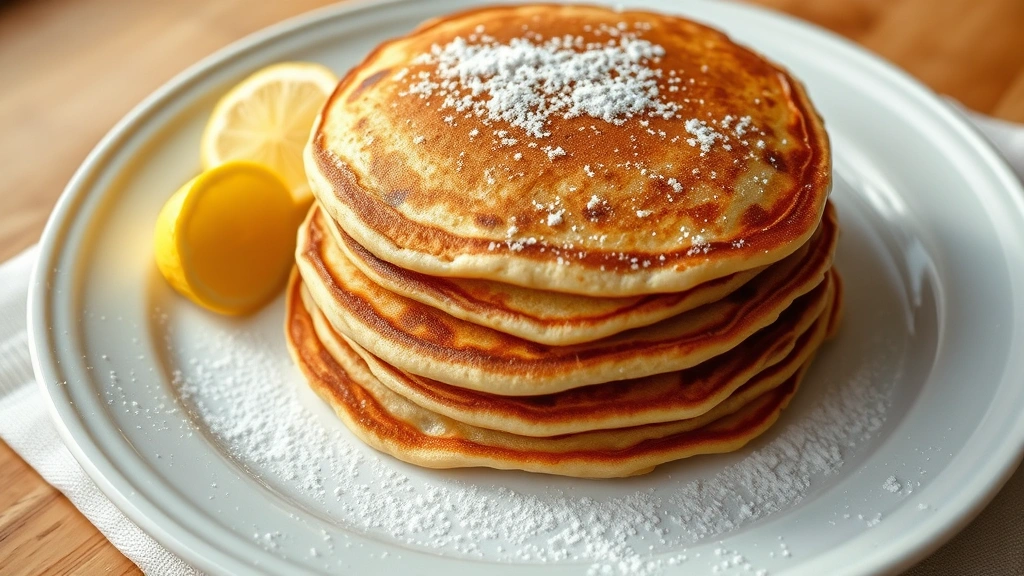
German pancakes are traditionally served warm, immediately after cooking, as they’re best enjoyed at peak fluffiness. The classic presentation is simple: a dusting of powdered sugar and a squeeze of fresh lemon juice. However, modern interpretations offer numerous variations.
Traditional German Toppings
- Powdered sugar and fresh lemon juice—the classic combination that lets the pancake’s delicate flavor shine
- Apple compote or spiced stewed apples, reflecting the region’s fruit heritage
- Plum jam or cherry preserves for a tart contrast
- Cinnamon sugar for warmth and depth
- Whipped cream and fresh berries for elegance
Contemporary Serving Ideas
While honoring tradition, these pancakes pair beautifully with modern accompaniments. Serve alongside savory options like fried tofu for a brunch with Asian-inspired elements, or incorporate Asian salad dressing elements into a breakfast salad with greens and soft-cooked eggs.
For a more substantial meal, consider pairing German pancakes with chop suey or vegetable-forward sides like napa cabbage recipes prepared simply with garlic and ginger. For adventurous palates, shishito pepper preparations add subtle heat and sophistication.
Temperature Considerations
Serve German pancakes immediately on warmed plates. They remain fluffy for about 5-10 minutes after cooking but gradually deflate as they cool. If you’re cooking for a crowd, keep finished pancakes in a 200°F oven while finishing the batch, though they’re never quite as spectacular as those served immediately.
Troubleshooting Common Issues
Pancakes Won’t Rise
If your pancakes remain flat and dense, the issue is likely insufficient egg white incorporation. Ensure you’re whipping the whites to stiff peaks—they should hold their shape when the beaters are lifted. Also verify that you’re folding gently rather than stirring aggressively. Another possibility is old eggs; fresh eggs whip to greater volume. Finally, check your baking powder’s expiration date—old baking powder loses potency.
Pancakes Are Too Heavy
Heaviness typically results from overmixing the batter or overworking the egg whites. Mix the yolk base just until combined, leaving small flour pockets if necessary. When folding in the whites, stop as soon as they’re barely incorporated—don’t aim for a perfectly uniform color. Additionally, ensure you’re using whole milk rather than skim; the fat content contributes to tender texture.
Pancakes Stick to the Griddle
Sticking indicates insufficient fat or a griddle that’s too cool. Ensure you’re applying a thin, even layer of clarified butter. If using regular butter, the milk solids can cause sticking; clarified butter eliminates this issue. Additionally, test your griddle temperature with a small amount of batter—it should sizzle immediately.
Pancakes Burn on the Outside Before Cooking Through
This suggests your heat is too high. Reduce the temperature to medium or even medium-low, and allow more time for cooking. The interior needs time to set and cook through. If the exterior is browning too quickly, lower the heat and extend cooking time by 1-2 minutes per side.
Pancakes Spread Too Much
If your batter is spreading excessively, it’s too thin. Add a tablespoon of flour and stir gently to thicken. The batter should spread slightly from its own weight but not flow across the griddle. This also allows better height development during cooking.
Storage and Make-Ahead Tips
Refrigerator Storage
Cooked German pancakes can be refrigerated in an airtight container for up to three days. While they won’t be as fluffy as fresh, they’re still delicious. Reheat them gently in a 300°F oven for 5-10 minutes, covered with foil to prevent drying. Alternatively, reheat individual pancakes in a toaster oven set to a low setting.
Freezing
Freeze cooled pancakes in a single layer on a baking sheet for two hours, then transfer to a freezer bag for up to one month. Reheat from frozen in a 350°F oven for 10-15 minutes, or in a toaster oven at a lower setting. The texture changes somewhat but remains acceptable for a quick breakfast.
Batter Preparation
The yolk base can be prepared up to four hours ahead and refrigerated. However, whip the egg whites and fold them together immediately before cooking—whipped egg whites gradually lose volume as the proteins relax. This timing ensures maximum fluffiness. Never refrigerate the complete mixed batter, as the whites will deflate and lose their lifting power.
Make-Ahead Strategy
For entertaining, prepare the yolk base the night before. In the morning, whip the egg whites and fold them in, then cook the pancakes fresh. This approach provides fluffy results with minimal morning effort. Alternatively, cook the pancakes ahead and reheat them just before serving.
FAQ
What’s the difference between German pancakes and crepes?
German pancakes are thick, fluffy, and airy due to whipped egg whites, while crepes are thin and delicate. Crepes use whole eggs and milk in a ratio that creates a pourable batter, whereas German pancakes use separated eggs and have a thicker consistency. The cooking techniques differ as well—crepes require tilting and swirling, while German pancakes are poured and flipped.
Can I make German pancakes without separating eggs?
Technically yes, but the results won’t be authentically fluffy. Whole eggs produce denser pancakes similar to American-style pancakes. The separation and whipping of egg whites is fundamental to achieving the characteristic light, airy texture that defines German pancakes. This extra step is what makes them special.
Are German pancakes gluten-free?
Traditional German pancakes contain wheat flour, but you can substitute with a quality gluten-free flour blend. Use a blend with xanthan gum for best results, as it provides structure. Start with the same quantity but may need to adjust slightly based on the brand’s absorption rate. The texture will differ somewhat but can still be quite good.
Why does my batter separate when I store it?
This is normal and expected. The egg whites, being less dense, float to the top while heavier ingredients settle. Before cooking, gently fold the batter again to recombine. Avoid stirring vigorously, which will deflate the whites. If significant separation has occurred, the whites may have lost volume—whip fresh whites and fold them in for optimal results.
How do I prevent the second side from being pale?
Ensure your griddle is properly preheated and maintained at medium heat. The second side cooks faster because the bottom is already set, so it browns less. Cooking on slightly higher heat helps develop color on the second side. Alternatively, accept that the second side will be lighter and serve the pancakes with the golden side facing up for presentation.
Can I add flavors like chocolate or vanilla to German pancakes?
Absolutely. Vanilla extract is traditional. For chocolate, fold in two tablespoons of cocoa powder sifted with the flour. For fruit flavors, add a teaspoon of lemon zest or orange zest to the yolk mixture. Keep additions subtle to preserve the delicate pancake texture. Avoid adding wet ingredients like mashed fruit, which can deflate the whites.
What equipment do I need for perfect German pancakes?
An electric mixer makes whipping egg whites significantly easier, though a whisk works. A griddle or large skillet with consistent heat distribution is important—nonstick surfaces help prevent sticking. A thin, flexible spatula is essential for flipping. A quarter-cup measuring cup helps portion batter consistently. A comprehensive cooking resource recommends having an instant-read thermometer for monitoring griddle temperature.
How many servings does this recipe make?
This recipe typically yields 8-10 pancakes, serving 3-4 people as a main course or 6-8 as part of a larger brunch spread. The recipe doubles easily if you’re feeding a crowd—just ensure your mixing bowls are large enough and that you have adequate griddle space.


