Iced Matcha Latte Delight: Barista-Approved Recipe for the Perfect Green Tea Drink
There’s something magical about that first sip of a perfectly crafted iced matcha latte—the vibrant green color, the smooth creamy texture, and that delicate balance of earthy matcha flavor with cool refreshment. Whether you’re a matcha enthusiast or just discovering this trendy beverage, mastering the art of making an iced matcha latte at home is easier than you might think. This barista-approved guide will transform you from a coffee shop regular into a matcha expert, saving you money and ensuring every glass is exactly how you like it.
The beauty of an iced matcha latte recipe lies in its simplicity combined with technique. Unlike complicated coffee drinks that require expensive equipment, this green tea beverage relies on proper whisking, quality ingredients, and understanding the science behind matcha preparation. By the end of this guide, you’ll understand why baristas charge premium prices for this drink—and you’ll be able to recreate it flawlessly every single time in your own kitchen.
What Is Matcha and Why It Matters
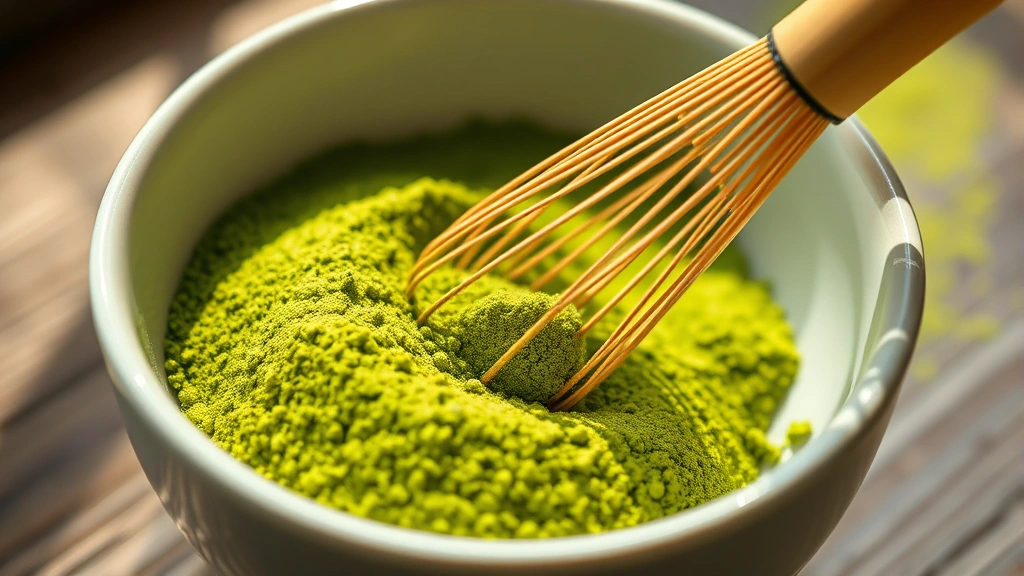
Matcha is a finely ground powder made from shade-grown green tea leaves, originating from Japan centuries ago. Unlike regular green tea where you steep leaves and discard them, matcha involves consuming the entire leaf in powdered form. This fundamental difference means you’re getting significantly more antioxidants, chlorophyll, and beneficial compounds with every sip. The shade-growing process increases chlorophyll production, giving matcha its distinctive bright green color and complex flavor profile that ranges from grassy and vegetal to slightly sweet and umami-rich.
The quality of your matcha powder directly impacts your iced matcha latte recipe’s success. Ceremonial-grade matcha, used in traditional Japanese tea ceremonies, offers superior taste and vibrant color compared to culinary-grade alternatives. While ceremonial matcha costs more, it dissolves smoothly, tastes less bitter, and creates that Instagram-worthy bright green hue that makes the drink so visually appealing. For your first attempts, investing in quality ceremonial matcha will yield noticeably better results than budget alternatives.
Essential Ingredients and Equipment
Creating the perfect iced matcha latte requires both proper ingredients and the right tools. Let’s break down exactly what you need:
Ingredients:
- 2 teaspoons ceremonial-grade matcha powder (approximately 4-5 grams)
- 2 ounces hot water (175-180°F, not boiling)
- 1 tablespoon sweetener of choice (honey, agave, or simple syrup)
- 6-8 ounces cold milk of your preference
- Ice cubes (about 1 cup)
- Optional: pinch of sea salt, vanilla extract, or flavored syrups
Equipment You’ll Need:
- Matcha whisk (chasen)—a traditional bamboo tool with fine bristles
- Small ceramic or glass bowl for whisking
- Tall glass for serving
- Kitchen scale for precise measurements
- Thermometer to monitor water temperature
- Small sifter or fine-mesh strainer
- Spoon for stirring
While a traditional bamboo matcha whisk is ideal, you can improvise with a small milk frother or even a fork in a pinch. However, the whisk’s unique design creates the proper frothy texture that defines a well-made matcha latte. Many online retailers and specialty tea shops stock affordable matcha whisks alongside quality matcha powder.
Step-by-Step Preparation Guide
Follow this methodical approach to create a café-quality iced matcha latte in your own kitchen:
Step 1: Prepare Your Matcha Powder
Sift your matcha powder directly into your whisking bowl using a fine-mesh strainer. This seemingly simple step is crucial—matcha powder often clumps during storage, and sifting breaks up those clumps while incorporating air into the powder. This preparation allows the matcha to dissolve smoothly rather than creating bitter, gritty pockets in your finished drink. Don’t skip this step; it’s the difference between a silky latte and a grainy disappointment.
Step 2: Heat Water to Correct Temperature
This is where many home brewers fail. Water that’s too hot burns the matcha, creating a bitter, astringent taste that ruins the entire drink. Water that’s too cool leaves the powder undissolved and the flavor muted. You want water between 160-180°F—hot enough to properly dissolve the matcha but not so hot it damages the delicate tea compounds. If you don’t have a thermometer, let boiled water cool for 3-4 minutes before using.
Step 3: Add Water and Sweetener
Pour approximately 2 ounces of your properly heated water into the bowl with sifted matcha powder. Add your chosen sweetener at this stage. Using liquid sweeteners like honey, agave, or simple syrup dissolves more easily than granulated sugar. The sweetener also helps the matcha dissolve by creating a slightly denser liquid that the powder particles can suspend in more easily.
The Art of Whisking Matcha
This is where technique separates barista-quality drinks from mediocre attempts. Whisking matcha properly creates a vibrant, frothy beverage rather than a bitter, clumpy mess.
The Proper Whisking Motion
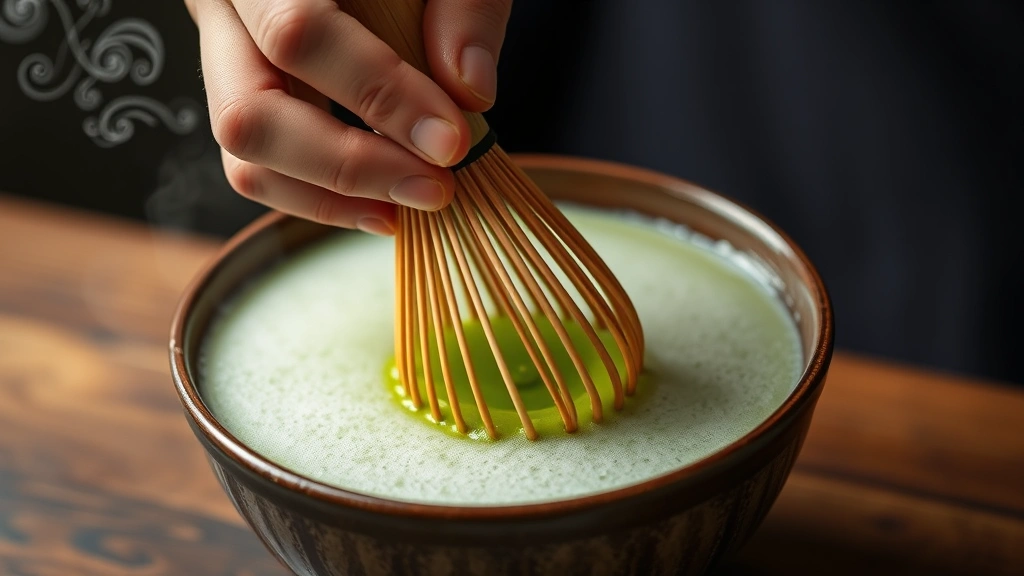
Hold your matcha whisk upright in the bowl, using quick back-and-forth motions rather than circular stirring. The traditional Japanese technique involves rapid, deliberate strokes that create friction and incorporate air. Whisk for 30-45 seconds until the mixture becomes smooth, frothy, and uniform in color. You should see a light layer of foam forming on top—this indicates proper aeration and complete dissolution of the powder.
Common Whisking Mistakes
Many people make the mistake of whisking too gently or for too short a time, leaving clumps of undissolved powder at the bottom of the bowl. Others whisk too aggressively, splashing matcha everywhere and over-aerating the mixture. The sweet spot is firm, consistent back-and-forth motions that take about half a minute. If you’re using a milk frother instead of a traditional whisk, use the lowest setting and froth for about 20-30 seconds until you achieve that creamy consistency.
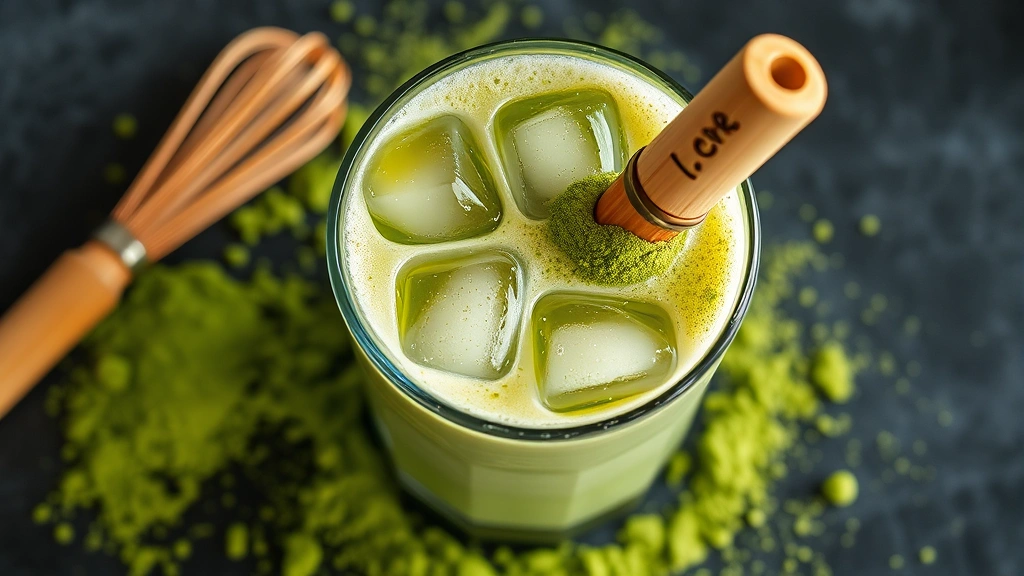
Once your matcha is properly whisked, you should have a smooth, pale jade-green liquid with a thin layer of foam on top. This is the foundation of your perfect iced matcha latte.
Choosing Your Perfect Milk
The milk you select dramatically affects your iced matcha latte’s final flavor and texture. Each option brings different characteristics to the drink:
Dairy Milk
Whole milk creates the richest, creamiest iced matcha latte with the most authentic café taste. The fat content smooths out matcha’s earthy notes and creates a luxurious mouthfeel. Two-percent milk offers a lighter alternative while maintaining decent creaminess. Skim milk works but produces a thinner, less satisfying beverage.
Plant-Based Alternatives
Oat milk has become the barista favorite for specialty drinks because it froths beautifully, has natural sweetness, and creates a creamy texture similar to dairy milk. Almond milk offers a slightly nutty flavor that complements matcha well but can taste thin. Coconut milk creates an interesting tropical twist. Soy milk provides protein and creamy texture but can sometimes impart a slightly beany flavor that conflicts with matcha’s delicate profile. Cashew milk offers luxurious creaminess with neutral flavor.
Pro Tip for Iced Drinks
Cold milk doesn’t froth as easily as steamed milk, so consider using milk that’s been in the refrigerator. Some baristas recommend letting milk sit at room temperature for 10 minutes before using it in iced drinks, as it incorporates slightly better with the whisked matcha base.
Flavor Customizations and Variations
Once you’ve mastered the basic iced matcha latte recipe, experiment with these popular variations:
Vanilla Matcha Latte
Add 1/2 teaspoon of pure vanilla extract to your whisked matcha before adding milk. Vanilla’s sweetness complements matcha’s earthiness beautifully and creates a more dessert-like beverage.
Honey Matcha Latte
Replace regular sweetener with raw honey for added complexity. Honey’s floral notes create an interesting interplay with matcha’s umami flavors. This variation pairs wonderfully with summer salad recipes for a complete healthy meal experience.
Spiced Matcha Latte
Add a pinch of cinnamon, cardamom, or ginger to your whisked matcha. These warming spices transform the drink into a cozy beverage perfect for cooler months. This approach brings sophistication reminiscent of chai lattes but with matcha’s unique benefits.
Coconut Matcha Latte
Use coconut milk and add 1/2 teaspoon of coconut extract along with a sprinkle of toasted coconut flakes on top. This tropical variation makes for a refreshing summer drink.
Matcha Latte with Simple Syrup
Homemade simple syrup (equal parts sugar and water, heated until sugar dissolves, then cooled) allows you to infuse custom flavors. Try lavender simple syrup, mint simple syrup, or even matcha-infused simple syrup for a double-matcha experience.
Protein-Boosted Version
Add one scoop of vanilla or unflavored protein powder to your whisked matcha before adding milk. This transforms your iced matcha latte recipe into a post-workout recovery drink or meal replacement. Similar to how you might approach low carb dinner recipes, this modification keeps your drink nutritionally balanced.
Storage and Make-Ahead Tips
Understanding proper storage extends your matcha enjoyment and saves time on busy mornings:
Matcha Powder Storage
Store ceremonial-grade matcha in an airtight container away from light, heat, and moisture. Keep it in a cool cupboard or, ideally, in the refrigerator. Matcha powder gradually loses its vibrant color and develops off-flavors when exposed to air and light. Properly stored matcha stays fresh for 6-12 months. Once opened, use your matcha within 2-3 months for optimal flavor and color.
Pre-Made Matcha Base
You can prepare your whisked matcha base several hours ahead and refrigerate it in an airtight container. When ready to serve, simply pour the chilled matcha base into a glass with ice and add cold milk. This method works perfectly for busy mornings when you want café-quality drinks without the morning rush.
Batch Preparation
Prepare multiple servings of matcha base simultaneously by doubling or tripling the recipe. Divide into individual serving containers and refrigerate. Each morning, simply grab one container, add ice and milk, and enjoy. This approach saves time and ensures consistency throughout the week.
Matcha Ice Cubes
Create matcha ice cubes by freezing your prepared whisked matcha base in ice cube trays. Once frozen, pop out cubes and store them in a freezer bag. When you want an iced matcha latte, add 3-4 matcha cubes to a glass, pour in cold milk, and stir. This method prevents your drink from becoming diluted as regular ice melts.
Troubleshooting Common Issues
Problem: Matcha tastes bitter or astringent
Solution: Your water temperature is too high, burning the matcha. Always use water between 160-180°F. You might also be using lower-quality culinary-grade matcha instead of ceremonial-grade. Upgrade your matcha powder and monitor water temperature carefully.
Problem: Matcha powder won’t dissolve and remains clumpy
Solution: You likely skipped the sifting step or didn’t whisk long enough. Always sift matcha before whisking, and whisk for a full 30-45 seconds using firm back-and-forth motions. If clumps persist, add a small amount of additional hot water and whisk again.
Problem: Drink tastes too grassy or vegetal
Solution: You’re using too much matcha powder or low-quality matcha. Stick to the recommended 2 teaspoons and invest in ceremonial-grade powder. You can also add more sweetener or try vanilla extract to mask vegetal notes.
Problem: Latte separates with matcha sinking to the bottom
Solution: Your matcha wasn’t fully dissolved before adding milk. Ensure you’ve whisked it until completely smooth with no visible powder particles. You can also whisk your finished drink gently with a regular whisk before serving to recombine separated components.
Problem: Drink is too thin or watery
Solution: You’re using too much milk or too much ice. Reduce milk to 6 ounces and use less ice, or switch to a creamier milk option like whole dairy milk or oat milk. You might also try using matcha ice cubes to prevent dilution.
Problem: Can’t find ceremonial-grade matcha locally
Solution: Order online from specialty matcha retailers or check Japanese markets and tea shops in your area. Many coffee shops sell matcha powder separately if you ask. The investment in quality matcha is worth the superior results.
FAQ
How much caffeine is in an iced matcha latte?
A standard iced matcha latte contains approximately 70 milligrams of caffeine, roughly one-third the amount in a typical cup of coffee. Matcha provides a gentler, more sustained energy boost due to L-theanine, an amino acid that promotes calm focus without jitters.
Can I make iced matcha latte without a matcha whisk?
Yes, though results won’t be quite as smooth. Use a small milk frother on low setting for 20-30 seconds, or vigorously whisk with a regular whisk for 45-60 seconds. Some people successfully use a fork or small whisk, though you might get slightly more clumps.
Is matcha suitable for vegans?
Yes! Pure matcha powder is vegan. Simply use plant-based milk like oat, almond, or coconut milk instead of dairy. Many baristas now make entirely vegan iced matcha lattes that taste just as delicious as traditional versions.
How do I know if my matcha has gone bad?
Fresh matcha is vibrant bright green. If it’s turned brownish-green or gray, it has oxidized and lost quality. Additionally, if the aroma is musty or off rather than fresh and grassy, discard it. Properly stored matcha stays fresh for 6-12 months.
Can I use hot water from my electric kettle without a thermometer?
Many electric kettles have temperature settings. If yours does, set it to 175°F. Without temperature control, let boiled water cool for 3-4 minutes before using. This typically brings water to the correct temperature range.
What’s the difference between matcha and green tea?
While both come from the same plant, matcha involves consuming the entire powdered leaf, giving you more antioxidants and nutrients. Regular green tea requires steeping leaves then discarding them, so you consume less of the leaf’s beneficial compounds. Matcha also has a creamier, more complex flavor.
Can I make iced matcha lattes in large batches for parties?
Absolutely! Prepare your matcha base in large batches and refrigerate. When guests arrive, add ice and cold milk to individual glasses. Alternatively, serve the matcha base at room temperature in a pitcher and let guests add their preferred milk and ice, allowing customization of strength and creaminess.
Does matcha stain teeth like coffee?
Matcha can cause staining due to its pigments, though typically less dramatically than coffee. Rinse your mouth with water after drinking, or use a straw to minimize contact with teeth. Some people find matcha less staining than black tea or coffee.
How does matcha compare nutritionally to coffee?
Both provide caffeine and antioxidants, but matcha offers L-theanine for calm focus, while coffee provides more immediate energy. Matcha contains more chlorophyll and specific antioxidants like EGCG. Your choice depends on whether you prefer matcha’s sustained energy or coffee’s stronger caffeine kick. You might enjoy matcha lattes alongside summer salad recipes for a complete nutritious meal.
Can I add protein powder to my iced matcha latte?
Yes! Add one scoop of vanilla or unflavored protein powder to your whisked matcha before adding milk. This creates a more filling beverage suitable as a meal replacement or post-workout drink. The protein slightly alters texture, making the drink slightly thicker and more filling.


