Jameson Orange Cocktails: Mixologist’s Picks & Expert Recipes
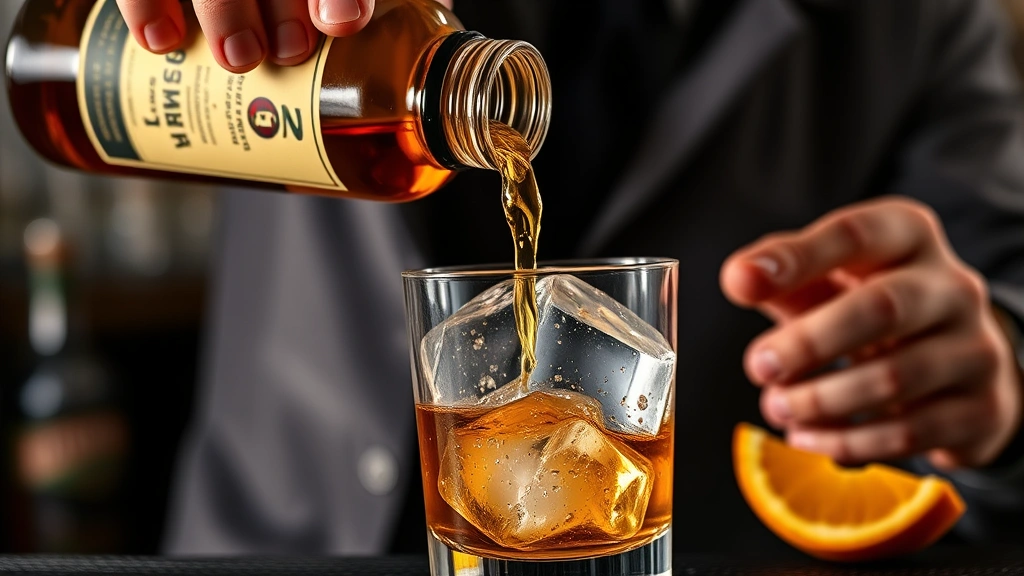
Jameson Irish Whiskey and citrus create a harmonious flavor pairing that has captivated bartenders and home mixologists for decades. The smooth, slightly sweet character of Jameson blends beautifully with the bright acidity and natural oils found in fresh oranges, producing cocktails that range from refreshingly tart to warming and spiced. Whether you’re crafting drinks for a casual gathering or experimenting with advanced mixology techniques, understanding how to properly balance Jameson with orange components will elevate your cocktail game significantly.
This guide explores the best Jameson orange recipes from professional mixologists, breaking down the techniques, ingredient selections, and flavor principles that make these drinks exceptional. From classic combinations to innovative modern creations, you’ll discover how to layer flavors, build proper cocktail structure, and impress guests with sophisticated drinks that showcase both the whiskey and citrus in perfect harmony.
Classic Jameson Orange Cocktails
The foundation of any great cocktail collection includes timeless recipes that have proven their appeal across generations. The Jameson Ginger is one of the most accessible starting points, combining Jameson with ginger beer and fresh orange juice for a drink that’s both warming and refreshing. The recipe typically calls for 1.5 ounces of Jameson, 4-5 ounces of quality ginger beer, 0.5 ounces of fresh orange juice, and a lime wedge for garnish. The key to this drink’s success lies in using premium ginger beer that has genuine spice without excessive sweetness, and ensuring your orange juice is freshly squeezed rather than bottled.
Another essential classic is the Irish Whiskey Sour, which showcases citrus in a more balanced framework. This drink traditionally uses 2 ounces of Jameson, 0.75 ounces of fresh lemon juice, 0.5 ounces of simple syrup, and optionally an egg white for silky texture. While lemon is the primary citrus component, many mixologists add 0.25 ounces of orange liqueur like Cointreau or Grand Marnier to introduce orange complexity without overpowering the whiskey’s character. The egg white creates a luxurious foam that adds visual appeal and mouthfeel, though you can skip this step for a lighter version.
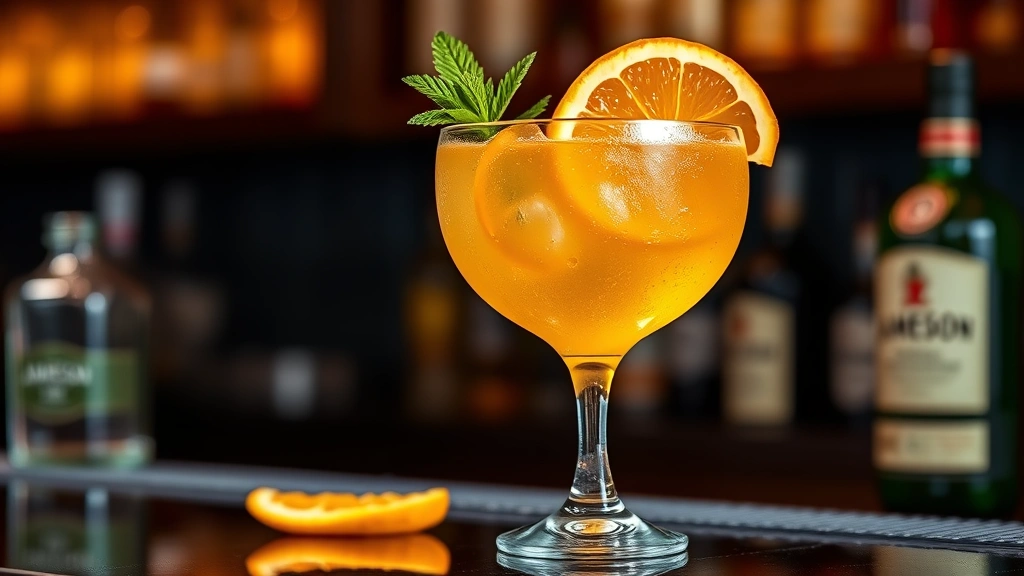
The Jameson Orange Smash represents a more contemporary approach, blending 1.5 ounces of Jameson, 1 ounce of fresh orange juice, 0.5 ounces of fresh lemon juice, 0.5 ounces of simple syrup, and 4-5 fresh mint leaves. This drink is shaken vigorously with ice and double-strained into a coupe glass, garnished with an orange twist and mint sprig. The mint adds herbal complexity that complements both the whiskey and citrus, creating layers of flavor that evolve as you sip.
The Irish Coffee variation worth mentioning is the Orange-Spiced version, which takes the traditional Irish Coffee and replaces standard sugar with demerara sugar, adds 0.25 ounces of orange liqueur, and tops with freshly whipped cream. This warm cocktail is perfect for evening service and demonstrates how Jameson works beautifully in hot drinks where the alcohol can mellow slightly while citrus notes become more pronounced.
Flavor Principles & Whiskey Science
Understanding the chemistry behind why Jameson and orange work so well together helps you create better drinks and troubleshoot unsuccessful combinations. Jameson is a triple-distilled Irish whiskey with a typical alcohol content of 40% ABV, making it smoother than many Scotch whiskies. The distillation process removes harsh congeners while preserving subtle vanilla, honey, and grain notes. When you introduce orange—whether as juice, zest, or liqueur—the citric acid and limonene (the compound responsible for orange’s aroma) interact with these whiskey notes in fascinating ways.
The acidity in fresh orange juice (typically pH 3.5-4.0) works to brighten the whiskey’s heavier notes while the natural sugars create balance. This is why minimizing waste with fresh citrus matters—quality matters intensely in cocktails. When you use bottled juice, you’re introducing preservatives and pasteurization heat that diminish these delicate flavor interactions.
Mixologists recognize that orange pairs with Jameson through several mechanisms. First, the citrus oils cut through the whiskey’s viscosity, making the drink feel lighter on the palate. Second, the bright top notes of orange create contrast with the whiskey’s deeper caramel and oak undertones. Third, both ingredients contain compounds that enhance each other’s perception—a phenomenon called flavor synergy. This is why a Jameson orange drink often tastes better than Jameson alone and orange juice alone combined simply.
Temperature also affects flavor perception significantly. A food science perspective shows that cold temperatures suppress bitter compounds while enhancing sweetness, which is why most Jameson orange cocktails are served chilled. However, warming the drink slightly—as in hot toddies or Irish coffee variations—allows more volatile aromatic compounds to reach your nose, intensifying the orange’s fragrance.
Advanced Mixing Techniques
Professional mixologists employ specific techniques to maximize flavor extraction and presentation quality. The dry shake is essential for cocktails containing egg white or citrus-forward recipes. In this technique, you shake all ingredients without ice first, which allows the egg white to incorporate air and the citrus to release maximum juice without excessive dilution. After 10-15 seconds of vigorous dry shaking, you add ice and shake again for another 10 seconds before straining. This two-stage process creates superior texture and flavor concentration compared to single-shake methods.
The reverse dry shake technique involves adding ice first, shaking thoroughly, then pouring the cocktail back into the shaker without ice and shaking again. This method is particularly effective for Jameson orange drinks because it allows the citrus to integrate fully with the whiskey while the second shake aerates the mixture without additional dilution.
Proper straining separates good cocktails from excellent ones. A Hawthorne strainer paired with a fine mesh strainer (double straining) removes small ice particles and citrus pulp, creating a silky-smooth drink. For Jameson orange cocktails, this step is crucial because any remaining pulp can make the drink feel gritty or overly heavy. Professional bartenders practice their straining technique obsessively because even tiny ice chips affect the drinking experience.
The dilution calculation is often overlooked by home mixologists. Proper cocktail dilution typically ranges from 15-25% of the final drink’s weight, depending on spirit proof and desired flavor intensity. For Jameson orange drinks, you want approximately 20% dilution—enough to open up the whiskey’s flavors but not so much that the drink becomes watered-down. This is why shaking for the correct duration (12-15 seconds of vigorous shaking) matters more than many people realize.
Citrus expression is the technique of twisting orange peel over the drink to release essential oils. Hold the peel about 6 inches above the cocktail, skin-side down, and twist sharply so the oils spray across the surface. This adds aromatic complexity and visual interest. Some advanced mixologists create citrus oil infusions by expressing peels into neutral spirits, creating concentrated flavor additions to cocktails.
Ingredient Selection Guide
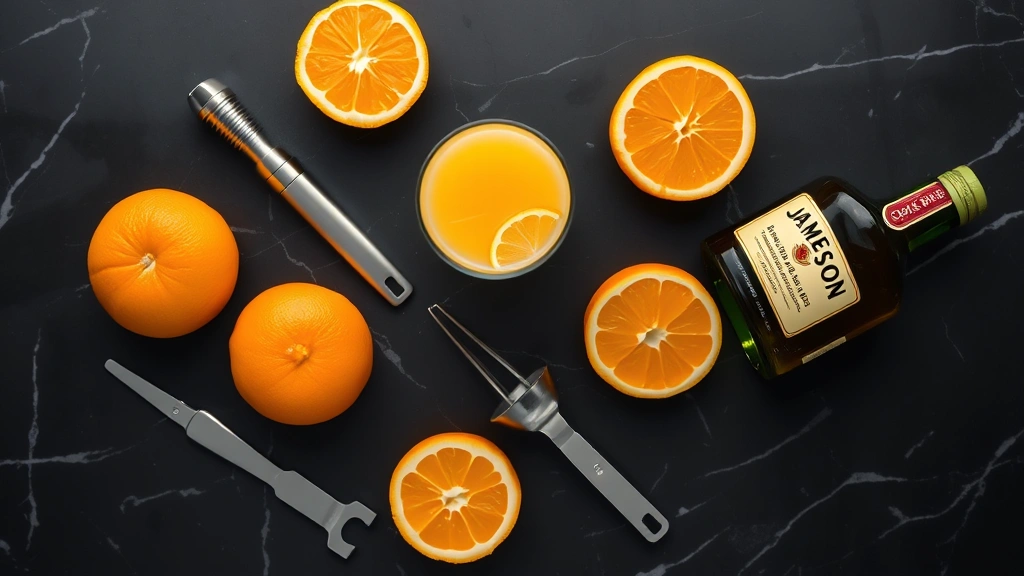
The quality of your supporting ingredients dramatically affects the final cocktail. For orange juice, always use fresh-squeezed when possible. Invest in a good citrus press or juicer—hand-juicing is labor-intensive and less efficient. Choose oranges that are heavy for their size, indicating higher juice content. Navel oranges and blood oranges both work beautifully with Jameson, though blood oranges add striking color and slightly different flavor notes. Juice your oranges immediately before mixing, or no more than 30 minutes prior, as oxidation degrades flavor compounds quickly.
For simple syrup, the standard ratio is 1:1 sugar to water by weight. Some mixologists prefer 2:1 rich simple syrup for cocktails, which creates better texture and mouthfeel. You can infuse simple syrup with orange zest by steeping zest in hot syrup for 30 minutes before straining, creating a subtle flavor layer that enhances Jameson orange drinks. Store syrup in glass containers in the refrigerator for up to one month.
Orange liqueurs deserve careful consideration. Cointreau is the standard choice—a clear, neutral-tasting triple sec that adds orange flavor without competing with Jameson. Grand Marnier is richer and more complex, with vanilla undertones that some mixologists prefer. Curaçao offers fruity, slightly spiced notes. Triple Sec is more affordable but often tastes artificial. For Jameson orange cocktails, Cointreau remains the safest choice because it complements rather than dominates.
Choose fresh herbs carefully. Mint should be bright green without browning, stored in a damp paper towel in your refrigerator. Rosemary and thyme can add interesting herbal dimensions to Jameson orange drinks, though they require careful balancing to avoid overpowering the citrus. Never use dried herbs in fresh cocktails—the flavor difference is dramatic and disappointing.
Ice quality is often the forgotten ingredient. Cloudy ice melts faster and creates excessive dilution. Professional bars use clear ice molds or purchase clear ice blocks. For home use, boil water twice (removing minerals that create cloudiness) or use distilled water in ice cube trays. Large ice cubes melt slower than standard cubes, providing better temperature control during your drinking experience.
Seasonal Variations & Twists
The beauty of Jameson orange cocktails lies in their versatility across seasons. Summer variations emphasize brightness and refreshment. The Jameson Orange Spritz combines 1 ounce of Jameson, 3 ounces of Prosecco, 1 ounce of fresh orange juice, 0.5 ounces of orange liqueur, and a splash of soda water. Served in a wine glass over ice with an orange wheel, this aperitif-style drink is perfect for warm-weather entertaining. The bubbles add liveliness while the lower alcohol concentration makes it approachable for afternoon service.
Autumn recipes introduce warming spices. The Jameson Spiced Orange uses 1.5 ounces of Jameson, 0.75 ounces of fresh orange juice, 0.5 ounces of cinnamon syrup, a dash of Angostura bitters, and a cinnamon stick garnish. To make cinnamon syrup, simmer 1 cup of sugar with 1 cup of water and 3-4 cinnamon sticks for 10 minutes, then cool and strain. This drink bridges the gap between warm and cold cocktails, working beautifully as temperatures drop.
Winter cocktails lean into warmth and comfort. The Jameson Orange Hot Toddy combines 1.5 ounces of Jameson, 6 ounces of hot water, 0.75 ounces of honey (warmed slightly to dissolve), a generous squeeze of fresh orange juice, and a cinnamon stick. The warm liquid opens up the whiskey’s flavor while the orange adds brightness that prevents the drink from becoming too heavy. This is an excellent choice for evening service when guests want comfort and relaxation.
Spring variations highlight floral and herbal notes. The Jameson Orange Blossom uses 1.5 ounces of Jameson, 0.75 ounces of fresh orange juice, 0.5 ounces of orange flower water (used sparingly—it’s potent), 0.5 ounces of simple syrup, and a dash of cardamom bitters. Orange flower water adds delicate floral complexity that makes this drink feel sophisticated and refined. Use quality orange flower water from culinary suppliers, not perfume-grade products.
Setting Up Your Home Bar
Creating excellent Jameson orange cocktails at home requires minimal but specific equipment. Essential tools include a cocktail shaker (Boston shaker is preferred by professionals), a mixing glass, a jigger for measuring (critical for consistency), a bar spoon, a Hawthorne strainer, a fine mesh strainer, and a citrus juicer or press. Invest in quality tools—cheap shakers leak and poor jiggers lead to inconsistent drinks.
Stock your home bar with essential spirits and liqueurs: Jameson Irish Whiskey (obviously), a quality neutral vodka, dry vermouth, sweet vermouth, orange liqueur (Cointreau), and Angostura bitters. These basics allow you to make dozens of classic cocktails beyond just Jameson orange drinks. Add simple syrup (homemade or quality commercial versions), fresh citrus juice, and quality ice, and you’re ready for serious mixology.
Consider creating prepared ingredients in advance. Make your simple syrup on Sunday for the week’s drinks. Prepare citrus-infused syrups that complement Jameson—orange zest syrup, cinnamon-orange syrup, and vanilla-orange syrup all work beautifully. Batch these ingredients in small bottles for quick cocktail preparation during entertaining. This approach, similar to how professional kitchens use efficient cooking methods, dramatically improves your speed and consistency.
Keep fresh garnish ingredients ready. Store orange peels in a container with a damp paper towel. Pre-cut orange wheels and twists the morning of your gathering. Fresh mint should be stored similarly. Having garnishes prepared allows you to focus on drink technique rather than fumbling with preparation during service.
Understanding cocktail fundamentals and classic recipes provides foundation knowledge that helps you understand why drinks work. Many home bars fail because they skip the educational component—learning proper technique elevates your entire cocktail experience.
FAQ
Can I use bottled orange juice for Jameson cocktails?
While bottled juice works in a pinch, fresh-squeezed orange juice produces noticeably superior results. Bottled juice lacks the bright acidity and aromatic compounds that make Jameson orange drinks special. If you must use bottled juice, choose premium brands without added ingredients or preservatives, and use it within a few days of opening.
What’s the best orange variety for cocktails?
Valencia oranges and navel oranges both work well, offering good juice content and balanced sweetness-to-acidity ratios. Blood oranges provide dramatic color and unique flavor notes. Avoid bitter oranges (like Seville) unless specifically making marmalade-style cocktails. Choose oranges that feel heavy for their size, indicating maximum juice content.
How far in advance can I prep cocktail ingredients?
Prepare simple syrup and infused syrups up to one week ahead, storing in glass bottles in the refrigerator. Make fresh-squeezed juice no more than 30 minutes before mixing to preserve flavor. Pre-cut garnishes (orange wheels, twists) up to 8 hours ahead, storing in containers with damp paper towels. Never pre-mix cocktails—always mix individual drinks to order for optimal flavor and temperature.
Should I use a cocktail shaker or mixing glass for Jameson orange drinks?
Use a shaker for cocktails containing citrus juice, eggs, or cream—the vigorous action incorporates these ingredients properly. Use a mixing glass with a bar spoon for spirit-forward drinks like martinis or Manhattans where you want minimal dilution. Most Jameson orange cocktails benefit from shaking rather than stirring.
Why does my homemade cocktail taste different from the bar version?
Several factors affect flavor: ingredient quality (especially citrus freshness), measuring accuracy (always use a jigger), technique (proper shaking duration and temperature), ice quality, and dilution levels. Professional bars maintain strict standards for all these variables. Practice your technique, invest in fresh ingredients, and measure precisely—consistency comes from controlling these variables.
Can I make Jameson orange cocktails in batches for parties?
Pre-batching the non-citrus components works well. Mix Jameson, simple syrup, and liqueurs together, storing in a bottle. During service, pour the batch into a mixing glass with ice, add fresh-squeezed orange juice, stir briefly, and strain into glasses. Never batch citrus juice in advance—always add it fresh. This approach balances efficiency with quality.
What’s the difference between orange juice and orange liqueur in cocktails?
Fresh orange juice provides bright acidity, natural sweetness, and aromatic compounds that make cocktails taste fresh and lively. Orange liqueur (like Cointreau) adds concentrated orange flavor, sweetness, and alcohol content without the acidity or juice component. Most excellent Jameson orange drinks use both—juice for freshness and liqueur for depth and texture.
How should I store Jameson whiskey?
Store Jameson in a cool, dark place away from direct sunlight. An unopened bottle lasts indefinitely. Once opened, consume within 1-2 years for optimal flavor, though properly sealed bottles last much longer. Never store whiskey in the freezer—cold temperatures suppress flavor compounds. Room temperature storage is ideal for maintaining the whiskey’s character.


