Best Keto Beef Mince? Nutritionist Approved Recipes & Buying Guide
Finding the right beef mince for your keto lifestyle goes beyond just grabbing any package from the butcher counter. The fat content, quality of the meat, and how it’s processed directly impact your macronutrient ratios and overall success on a ketogenic diet. Whether you’re meal prepping for the week or planning elegant dinner parties, understanding what makes premium keto beef mince matters significantly.
This comprehensive guide breaks down everything you need to know about selecting, storing, and cooking with beef mince on keto. We’ll explore nutritionist-approved options, share proven recipes that deliver results, and reveal the insider secrets that separate mediocre ground beef from exceptional cuts that truly support your ketogenic goals. From understanding fat ratios to mastering cooking techniques, you’ll become confident in your beef mince selections.
What Makes Beef Mince Keto-Friendly
Keto success depends on maintaining specific macronutrient ratios: typically 70-75% fat, 20-25% protein, and 5-10% carbohydrates. Beef mince naturally fits this profile because it contains virtually zero carbohydrates and provides excellent protein and fat content. However, not all beef mince is created equal for ketogenic purposes.
The quality of your beef mince influences nutrient density and satiety levels. Grass-fed beef mince contains higher levels of omega-3 fatty acids, conjugated linoleic acid (CLA), and fat-soluble vitamins compared to grain-fed alternatives. These compounds support metabolic health and enhance the anti-inflammatory benefits of your keto diet.
Conventional beef mince from grain-fed cattle still works for keto, but the nutritional profile differs. Grain-fed beef contains more omega-6 fatty acids and lacks the micronutrient density of grass-fed options. For budget-conscious keto dieters, conventional beef mince remains an affordable, effective choice. The key is understanding what you’re purchasing and making informed decisions based on your priorities and budget.
Fat Content and Macronutrient Ratios
Understanding ground beef labeling is crucial for keto success. When you see “80/20” or “85/15” labels, these represent the lean-to-fat ratio. An 80/20 beef mince contains 80% lean meat and 20% fat by weight. For keto dieters, higher fat percentages generally work better for maintaining ketone production.
Here’s what different ratios mean for your macros in a 100-gram serving:
- 73/27 beef mince: Approximately 15g fat, 20g protein, 0g carbs. Best for higher calorie requirements.
- 80/20 beef mince: Approximately 11g fat, 20g protein, 0g carbs. Balanced option for most keto dieters.
- 85/15 beef mince: Approximately 8g fat, 22g protein, 0g carbs. Better for those seeking higher protein intake.
- 90/10 beef mince: Approximately 5g fat, 24g protein, 0g carbs. Leanest option, less ideal for strict keto ratios.
Nutritionists recommend 80/20 or 73/27 beef mince for most keto followers because these ratios deliver adequate fat for satiety while maintaining proper macronutrient balance. If you’re using beef mince in hamburger beef crockpot recipes, the cooking method affects final fat content since some fat renders out during cooking.
When calculating macros, remember that ground beef doesn’t lose all its fat during cooking. Approximately 80% of the fat remains in the cooked meat, making it reliable for macro tracking. Always account for added cooking fats—butter, ghee, or coconut oil—when preparing your beef mince dishes.
Best Cuts for Ground Beef
Different beef cuts produce different ground beef qualities. Premium butchers often grind meat fresh to order, allowing you to specify exactly which cuts you want. Understanding these options helps you make superior choices.
Chuck: The most common cut for ground beef, chuck comes from the shoulder and contains excellent fat marbling. Chuck beef mince (typically 80/20) provides rich flavor and holds together well during cooking. It’s ideal for burgers, meatballs, and casseroles.
Sirloin: Leaner than chuck but still flavorful, sirloin beef mince works well when you want slightly lower fat content without sacrificing taste. It’s excellent for taco meat and chili preparations.
Brisket: When ground, brisket creates exceptionally flavorful beef mince with good fat content. The deep beefy taste makes it perfect for bold dishes. Some premium ground beef blends include brisket for enhanced flavor profiles. If you’re interested in whole brisket preparations, check out our corned beef brisket recipe.
Ribeye: Premium ground ribeye delivers the highest quality beef mince available. The fat marbling creates incredibly juicy, flavorful patties. Reserve ribeye beef mince for special occasions or when you’re prioritizing taste above budget.
Blended options: Many butchers create custom blends—such as chuck and brisket combinations—to optimize flavor and texture. Ask your butcher for their recommendations based on your intended use.
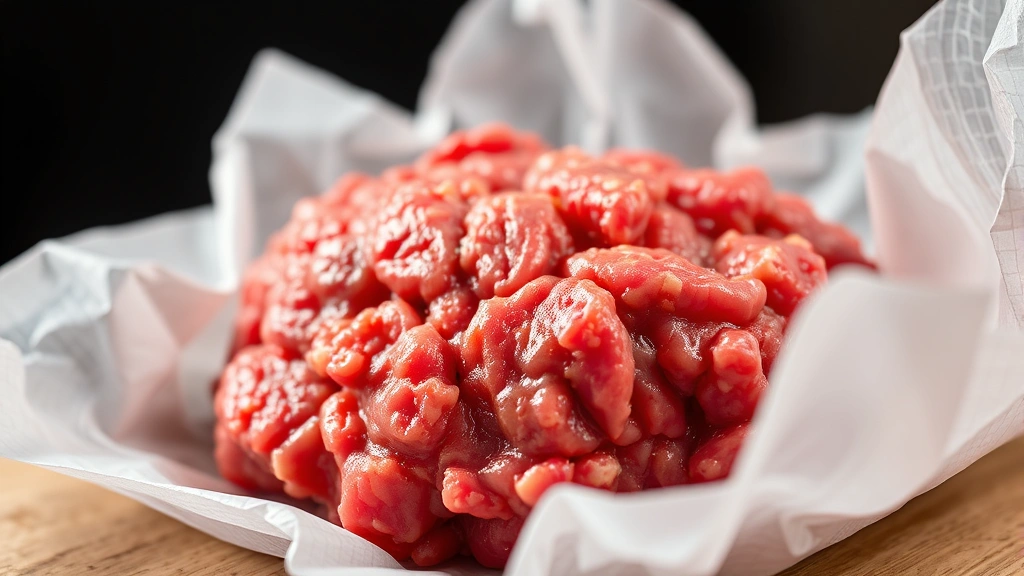
For the best results, purchase beef mince from a butcher counter rather than pre-packaged options when possible. Freshly ground beef has superior texture and flavor, and you can request specific fat ratios. If pre-packaged beef mince is your only option, ensure the packaging date is recent and the meat shows bright red color (not brown, which indicates oxidation).
Nutritionist-Approved Beef Mince Recipes
These recipes transform beef mince into satisfying keto meals that support your nutritional goals. Each recipe has been formulated to maintain proper keto macronutrient ratios while delivering exceptional flavor.
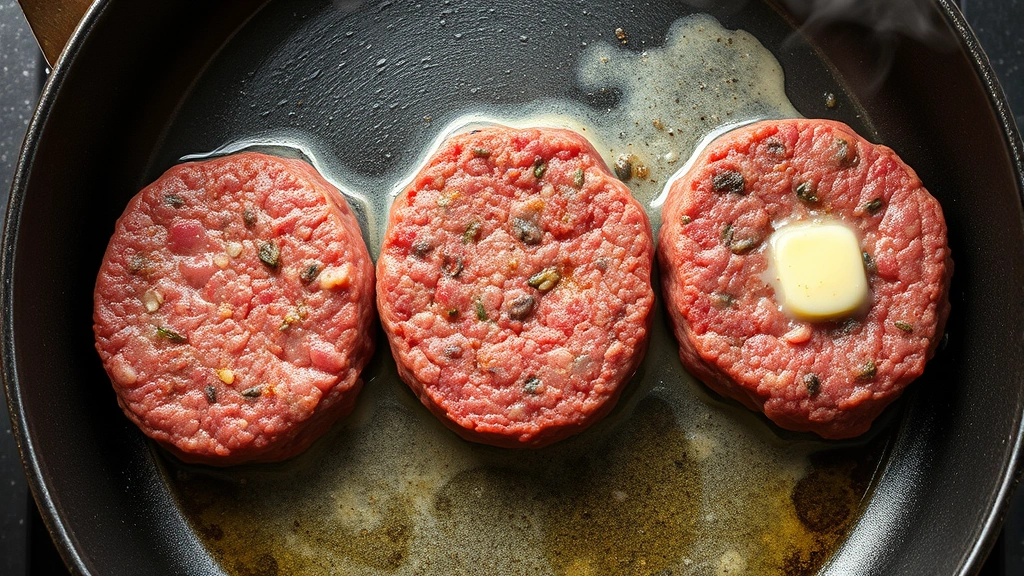
Classic Keto Beef Mince Burger: Combine 200g of 80/20 beef mince with 1 teaspoon salt, 1/2 teaspoon black pepper, and 1/2 teaspoon garlic powder. Form into two patties and cook in a cast-iron skillet over medium-high heat for 3-4 minutes per side. Top with cheese, avocado, and bacon. This simple preparation delivers approximately 35g fat, 40g protein, and less than 1g carbs per serving.
Beef Mince and Cauliflower Rice Stir-Fry: Brown 300g beef mince with 2 tablespoons ghee, then add 200g riced cauliflower, 1 cup mushrooms, 3 tablespoons coconut aminos, and 1 teaspoon ginger. Cook until vegetables are tender, about 8 minutes. This nutrient-dense meal provides excellent micronutrients alongside proper keto macros. Serve with sesame oil drizzle for additional fat.
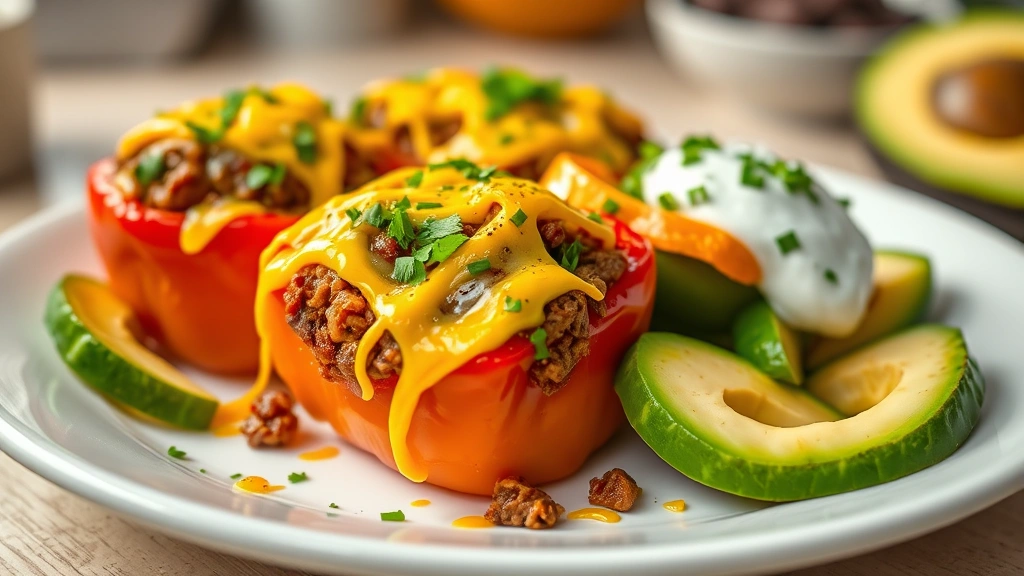
Keto Beef Mince Stuffed Peppers: Mix 400g browned beef mince with 1 cup heavy cream, 100g cream cheese, and Italian seasonings. Divide between 4 halved bell peppers, top with mozzarella cheese, and bake at 375°F (190°C) for 25 minutes. This recipe creates impressive presentation while maintaining strict keto ratios.
Beef Mince Lettuce Wraps: Brown 300g beef mince with onion, garlic, and soy sauce. Serve in butter lettuce leaves with avocado and mayo-based sauce. These wraps provide satisfying texture contrast and make excellent meal prep options for busy weekdays.
Creamy Beef Mince Soup: Sauté 250g beef mince with celery and onion, then add beef broth and heavy cream. Consider preparing your own beef bone broth recipe for maximum nutritional benefits. Simmer until flavors meld, then season with herbs. This comforting soup supports gut health through collagen content.
For those who enjoy slow-cooking methods, ground beef works beautifully in hamburger beef crockpot recipes. Brown the beef mince first to develop flavor, then add to your slow cooker with cream-based sauces and low-carb vegetables for hands-off meals.
Beef Mince Taco Skillet: Brown 400g beef mince with taco seasoning (check ingredients for hidden carbs), then add 100g cream cheese and 1/2 cup heavy cream. Mix in diced jalapeños and cilantro. Serve over cauliflower rice or in lettuce wraps with sour cream and guacamole. This versatile dish satisfies taco cravings while maintaining ketosis.
Rich Beef Mince Gravy: After browning beef mince, create a luxurious sauce by deglazing the pan with beef broth and whisking in sour cream and butter. Season generously and pour over mashed cauliflower or zucchini noodles. This preparation technique mirrors traditional brown gravy recipe methods but keeps carbs minimal.
Storage and Food Safety Tips
Proper storage maximizes beef mince quality and safety. Ground beef has more surface area than whole cuts, making it more susceptible to bacterial growth. Understanding correct storage methods prevents foodborne illness and food waste.
Refrigerator Storage: Keep beef mince in the coldest part of your refrigerator (typically the back of the bottom shelf) at 40°F (4°C) or below. Use within 1-2 days of purchase. Once you open the package, plan to use the beef mince within 24 hours for optimal safety and quality.
Freezer Storage: Properly wrapped beef mince lasts 3-4 months in the freezer. Use airtight freezer bags or vacuum-sealed packaging to prevent freezer burn. Label packages with the date and fat ratio for easy reference. Flatten beef mince in freezer bags before freezing—it thaws faster and takes less space.
Thawing Safety: Never thaw beef mince at room temperature, as bacteria multiply rapidly in the danger zone (40-140°F). Thaw in the refrigerator overnight or use the cold water method: submerge sealed packages in cold water, changing water every 30 minutes, for 1-2 hours.
Cooked Beef Mince Storage: Cooked ground beef keeps refrigerated for 3-4 days. Freeze cooked portions in meal-prep containers for convenient grab-and-go keto meals throughout the month.
Visual and Smell Tests: Fresh beef mince appears bright red with white fat marbling. Brown discoloration indicates oxidation—still safe if purchased recently, but flavor diminishes. Any sour or unpleasant smell means discard immediately.
Shopping and Selection Guide
Making smart purchasing decisions impacts both your health and budget. Here’s how to navigate the meat counter like a pro.
Grass-Fed vs. Grain-Fed: Grass-fed beef mince costs 30-50% more but provides superior nutrient density and better fatty acid ratios. If budget allows, prioritize grass-fed for at least 50% of your beef purchases. Many keto enthusiasts use grass-fed for special meals and conventional beef for everyday cooking.
Where to Buy: Specialty butchers offer the highest quality and customization options. Farmers’ markets often feature local grass-fed beef at competitive prices. Wholesale clubs like Costco provide excellent value on quality beef mince in bulk. Online specialty meat retailers ship grass-fed options directly to your home, though shipping costs add up quickly.
Price Comparison: Calculate cost per gram of fat and protein, not just price per pound. A premium 73/27 beef mince at $12/pound might deliver better value than budget 85/15 at $8/pound if you need additional dietary fat. Use nutrition labels to make informed comparisons.
Organic Certification: USDA Organic certification ensures beef mince comes from cattle raised without synthetic hormones or antibiotics. While not necessary for keto success, many people prefer organic options. Grass-fed beef is often (but not always) organic—verify labels carefully.
Bulk Purchasing: Buy beef mince in larger quantities when on sale, then portion and freeze immediately. This strategy cuts costs significantly while ensuring you always have keto-friendly protein available. Invest in a vacuum sealer to extend freezer life and prevent freezer burn.
Questions to Ask Your Butcher: Inquire about the source of their beef, grinding dates, and available fat ratios. Ask if they can grind custom blends or specific cuts. Build relationships with your butcher—they’ll often reserve premium products and alert you to sales.
Reading Labels Carefully: Beyond fat ratio, check for added ingredients. Some pre-packaged beef mince contains fillers, soy, or carbohydrate additives. Pure beef mince should list only beef (and possibly salt). Avoid products labeled “beef product” or containing extended soy protein.
For complementary proteins, consider beef short ribs recipe slow cooker preparations or corned beef cabbage recipe crock pot options that provide variety while maintaining ketogenic nutrition.
FAQ
What’s the ideal beef mince fat ratio for keto?
Nutritionists recommend 80/20 or 73/27 beef mince for most keto dieters. These ratios provide adequate fat for satiety and ketone production while delivering quality protein. Your specific needs depend on total calorie requirements and personal macro targets—some people thrive on fattier 70/30 blends while others prefer 85/15 options.
Is grass-fed beef mince worth the extra cost?
Grass-fed beef mince contains higher omega-3 fatty acids, CLA, and micronutrients compared to grain-fed options. If budget allows, incorporate grass-fed beef for 50% of your purchases. For everyday cooking, conventional beef mince remains an effective, affordable keto option.
Can I use lean beef mince on keto?
While 90/10 beef mince technically works for keto, it’s not ideal. Lean beef mince requires additional cooking fat to meet keto macronutrient ratios, adding complexity to meal planning. Stick with 80/20 or fattier options for simpler macro calculation and better satiety.
How long does beef mince last in the freezer?
Properly wrapped beef mince maintains quality for 3-4 months in the freezer at 0°F (-18°C) or below. Use airtight packaging and label with dates. After 4 months, quality declines though it remains safe if properly stored.
Should I brown beef mince before freezing?
Both methods work. Freezing raw beef mince saves time initially but requires thawing before cooking. Freezing browned beef mince enables quick meal preparation—simply thaw and reheat. Many keto meal preppers prefer browning first for convenience.
What’s the difference between ground beef and beef mince?
In the United States, “ground beef” is the standard terminology, while “beef mince” is commonly used in UK and Commonwealth countries. They refer to the same product—beef ground or minced into small particles.
Can I grind my own beef mince at home?
Absolutely! Home grinding gives you complete control over cut selection and fat ratio. Use a food processor or meat grinder to process cold beef chunks into desired consistency. Grind immediately before cooking for best quality, or freeze promptly if meal prepping.
Are there hidden carbs in beef mince?
Pure beef mince contains zero carbohydrates. However, pre-packaged products with additives or fillers may contain trace carbs. Read labels carefully and stick with products listing only beef (and optionally salt) as ingredients.


