Best Margarita Mix? Bartender Approved Recipe
Forget the neon-colored bottles gathering dust on your liquor store shelf. The best margarita mix is the one you make yourself at home with fresh citrus, quality ingredients, and a bartender’s touch. This homemade margarita mix recipe transforms your cocktail game from ordinary to extraordinary, delivering that perfect balance of sweet, sour, and smooth that keeps guests coming back for more.
Whether you’re hosting a summer gathering or simply want to elevate your weeknight cocktails, mastering a proper margarita mix is easier than you think. Unlike commercial versions loaded with artificial flavors and high-fructose corn syrup, a bartender-approved margarita mix relies on fresh lime juice, premium triple sec, and a touch of agave nectar to create something genuinely special. This recipe has been tested and refined by professional bartenders who know exactly what makes a margarita sing.
Why Homemade Margarita Mix Matters
The difference between a homemade food science perspective on beverage chemistry and store-bought margarita mix is night and day. Commercial mixes contain preservatives, artificial sweeteners, and flavorings that mask the true taste of quality spirits. When you prepare your own margarita mix, you control every variable—the citrus freshness, sweetness level, and ingredient quality.
Professional bartenders at top establishments never use pre-made mixes. They understand that fresh lime juice oxidizes quickly, which is why the best margarita mix is made fresh or in small batches. This commitment to quality is what separates a mediocre margarita from one that makes you close your eyes and savor every sip.
Making your own mix also allows you to adjust sweetness and acidity to your personal preference. Some drinkers prefer a tart, lime-forward profile, while others enjoy a smoother, more balanced approach. With homemade margarita mix, you’re in complete control.
Essential Ingredients Breakdown
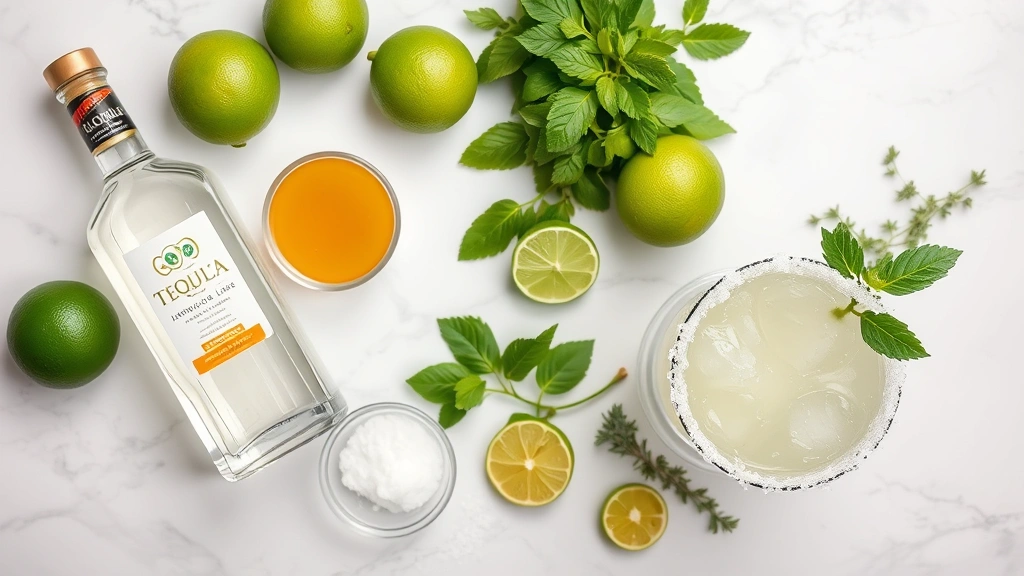
Fresh Lime Juice: This is the foundation of any quality margarita mix. Always use fresh-squeezed lime juice, never bottled. Fresh limes contain natural oils and acids that create brightness and complexity. Bottled versions are pasteurized and lose these delicate compounds. You’ll need about 1 pound of limes to yield roughly 1 cup of juice.
Triple Sec or Cointreau: This orange liqueur adds sweetness and a sophisticated citrus note. Triple Sec is the budget-friendly option (around $15-20), while Cointreau is premium (around $35-45) with a smoother, more refined character. For a bartender-approved mix, invest in quality here—it makes a noticeable difference.
Agave Nectar: Rather than granulated sugar, agave dissolves seamlessly into cold cocktails without crystallizing. It provides subtle sweetness without the sharp bite of refined sugar. Look for 100% pure agave nectar, not agave syrup blends. This ingredient is what separates amateur attempts from professional results.
Fresh Lemon Juice: A small amount of lemon juice adds complexity and prevents the mix from tasting one-dimensional. It brightens the overall profile and creates better balance with the lime.
Water: Filtered water helps dilute the mix to proper strength. Some bartenders prefer to use mineral water for subtle mineral notes that enhance the overall flavor.
For additional depth, consider adding a pinch of sea salt (which enhances citrus flavors) or a small amount of orange juice for a more rounded sweetness. These optional additions are what separate good margarita mixes from exceptional ones.
The Perfect Margarita Mix Recipe
Ingredients:
- 1 cup fresh lime juice (about 8-10 limes)
- ½ cup fresh lemon juice (about 3-4 lemons)
- ½ cup agave nectar
- ¼ cup triple sec or Cointreau
- ½ cup filtered water
- Pinch of sea salt (optional but recommended)
- ½ teaspoon orange zest (optional)
Instructions:
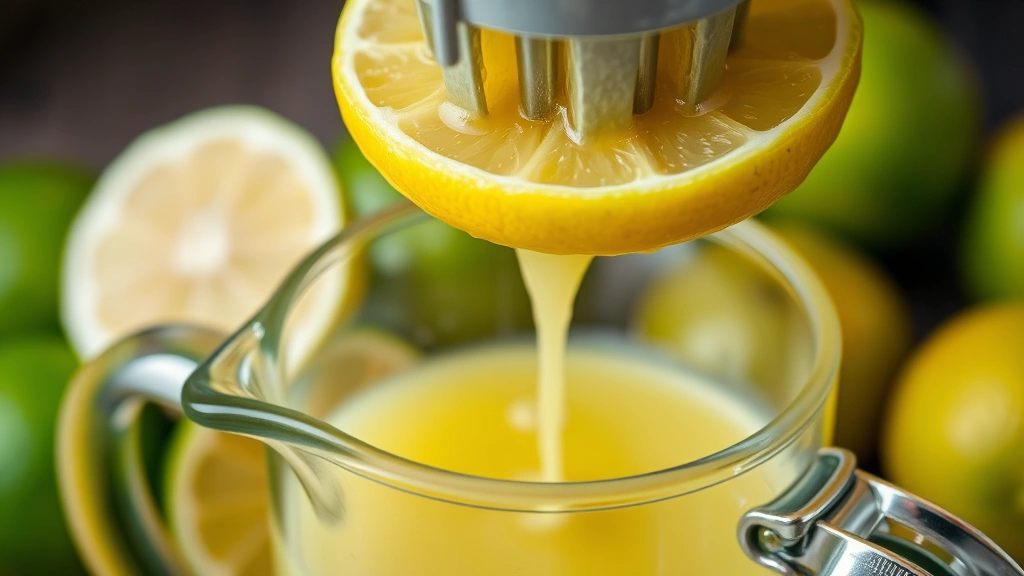
- Prepare Your Citrus: Roll limes and lemons on the counter with firm pressure to break down the interior membranes. This increases juice yield by up to 20%. Cut fruits in half and use a citrus press or juicer to extract maximum juice. Strain through a fine-mesh sieve to remove pulp and seeds.
- Combine Juices: Pour the fresh lime and lemon juice into a clean glass pitcher. Fresh citrus juice is acidic and slightly volatile, so handle gently to preserve aromatics. The combination of both citrus fruits creates better balance than lime alone.
- Add Sweetener: Measure agave nectar and add to the pitcher. Stir thoroughly with a bar spoon or whisk until completely combined. The agave should dissolve without any visible crystals or cloudiness. If using regular sugar, you’ll need to create simple syrup first by heating equal parts sugar and water, then cooling completely.
- Incorporate Liqueur: Add the triple sec or Cointreau to the mixture. The alcohol content helps preserve the mix and adds complexity. Stir well to ensure even distribution of flavors.
- Adjust with Water: Add filtered water gradually while tasting. The mix should taste potent but not harsh—you want citrus and sweetness to shine. This is where professional bartending technique guides emphasize the importance of balance.
- Season to Taste: Add a small pinch of sea salt. Salt enhances citrus flavors and creates complexity without making the drink taste salty. If using orange zest, add now for aromatic enhancement. Stir thoroughly and taste again.
- Chill and Rest: Refrigerate the margarita mix for at least 2 hours before using. This allows flavors to meld and marry together. The mix tastes noticeably better after resting overnight.
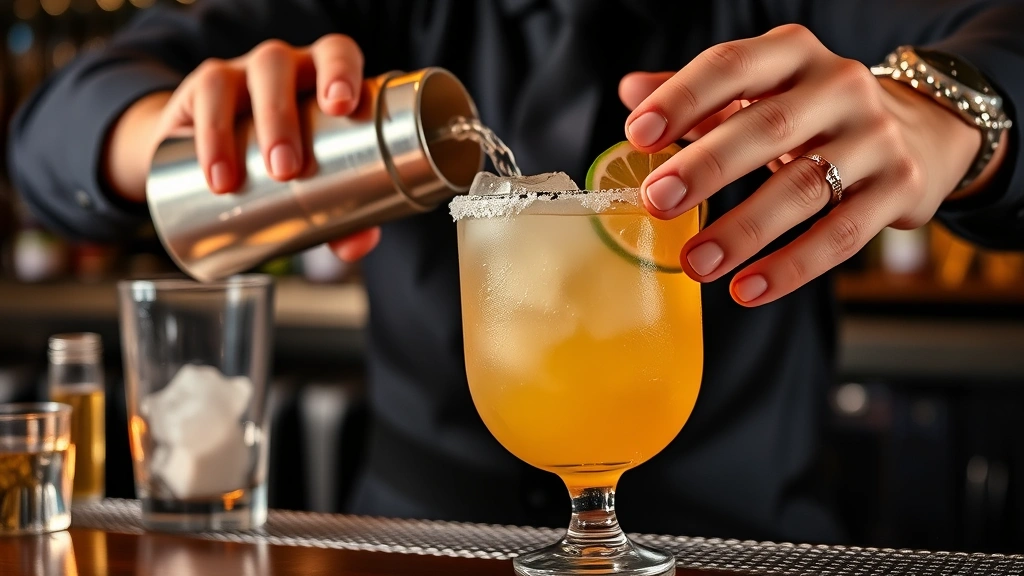
- Mix Your Margarita: For each cocktail, combine 2 ounces of margarita mix with 2 ounces of premium tequila (blanco or reposado) and ½ ounce of fresh lime juice. Shake vigorously with ice for 12-15 seconds and strain into a salt-rimmed glass filled with fresh ice.
This recipe yields approximately 2 cups of margarita mix, which is enough for 8-10 cocktails depending on your preferred strength and serving size.
Bartender Techniques & Tips
Juice Extraction: The best bartenders use a channel knife or microplane to remove only the colored zest from citrus, avoiding the bitter white pith. When juicing, apply consistent pressure rather than squeezing erratically—this prevents releasing bitter compounds from the peel.
Temperature Matters: Cold ingredients make better margaritas. Keep your margarita mix chilled at all times. Some professional bartenders chill their mixing glasses and bar spoons before preparing cocktails. This reduces dilution from melting ice and creates a silkier texture.
Proper Dilution: The water content in your margarita mix is crucial. Too much water creates a weak, watery drink. Too little makes it harsh and unbalanced. Professional bars aim for a mix that’s about 15-20% ABV when combined with tequila, which typically means about 10-12% ABV in the mix itself.
Citrus Quality: Choose firm, heavy limes that feel dense in your hand. Avoid dried-out or soft specimens. The best time to buy limes is when they’re slightly underripe—they contain more juice and better acidity. Store limes at room temperature for maximum juice yield; cold limes yield less juice.
Shaking vs. Stirring: Always shake margaritas with ice. The vigorous shaking aerates the mixture, creating a silky mouthfeel and proper dilution. Stir only if you’re making a large batch pitcher margarita for a crowd.
For preservation techniques similar to herb storage, keep your margarita mix in airtight containers away from light and heat to maintain freshness and potency.
Popular Variations to Try
Spicy Jalapeño Margarita Mix: Slice fresh jalapeños and steep them in your margarita mix for 4-6 hours, then strain. This adds heat and herbaceous complexity. Start with 2 jalapeños and adjust based on heat preference.
Strawberry Margarita Mix: Blend fresh strawberries with a touch of simple syrup, then strain through cheesecloth. Add 1 cup of strawberry puree to your base margarita mix recipe. This creates a beautiful pink color and subtle fruit sweetness.
Hibiscus Margarita Mix: Steep dried hibiscus flowers in hot water for 10 minutes, cool completely, and add to your mix. This creates a tart, slightly floral element with striking deep red color. Hibiscus pairs beautifully with premium silver tequila.
Ginger-Lime Margarita Mix: Fresh ginger adds warming spice and digestive benefits. Muddle 2-3 tablespoons of fresh ginger in your mixing pitcher, let steep for 30 minutes, then strain before combining with other ingredients.
Coconut Margarita Mix: Replace half the water with coconut water for tropical notes. The electrolytes in coconut water also create a smoother texture. This variation works especially well with reposado tequila.
These variations demonstrate why making your own margarita mix opens creative possibilities impossible with commercial products. Experiment with fresh fruit purees, herbs, and spices to create signature cocktails that impress guests.
Storage & Shelf Life
Refrigerator Storage: Homemade margarita mix keeps in the refrigerator for 1-2 weeks in an airtight glass container. The fresh lime juice is the limiting factor—citrus juice degrades over time, losing brightness and developing off-flavors.
Freezer Storage: For longer storage, freeze your margarita mix in ice cube trays. Once frozen, transfer cubes to freezer bags and store for up to 3 months. When ready to use, thaw cubes and shake with tequila and ice. Freezing doesn’t affect flavor significantly, though some subtle aromatics may diminish.
Shelf-Stable Mix: If you want a longer-lasting mix without fresh juice, create a margarita mix concentrate using equal parts fresh lemon and lime juice that you freeze immediately. Then make your mix fresh each time by thawing and combining with agave and triple sec. This hybrid approach preserves freshness while offering convenience.
Signs of Spoilage: If your margarita mix develops an off smell, cloudiness beyond what’s normal, or tastes flat or sour, discard it. Citrus juice oxidizes and ferments when stored improperly or too long.
For best results, treat your margarita mix like you would fresh herbal preparations that require careful storage—keep it cool, airtight, and use within the recommended timeframe.
Professional bartenders often make their margarita mix fresh daily or every other day, especially during busy seasons. This guarantees maximum freshness and quality. If you’re serious about cocktails, this commitment to freshness is non-negotiable.
FAQ
Can I use bottled lime juice in margarita mix?
While fresh lime juice is always superior, bottled lime juice can work in a pinch. However, you’ll notice a significant difference in flavor—bottled juice tastes flat and one-dimensional compared to fresh. If using bottled, reduce the amount slightly since it’s more acidic. For the best results, always squeeze fresh limes.
What’s the difference between triple sec and Cointreau?
Both are orange liqueurs, but Cointreau is a premium, single-brand product with a more refined taste and smoother finish. Triple Sec is a generic category that includes many brands of varying quality. For a bartender-approved margarita mix, Cointreau creates a noticeably better cocktail, though it costs more. Mid-range orange liqueurs offer a good balance between quality and price.
Should I add salt to the mix itself or just rim the glass?
The traditional approach is to salt-rim the glass only. However, many modern bartenders add a tiny pinch of sea salt directly to the mix—this enhances citrus flavors throughout the entire drink rather than just at the rim. Start with a small pinch and adjust to taste. You want the salt to enhance, not dominate.
How much tequila should I add to margarita mix?
The standard ratio is 2 ounces of margarita mix to 2 ounces of tequila per drink. Some prefer stronger drinks (2.5 ounces tequila) or lighter drinks (1.5 ounces tequila). Adjust based on your preference, but the 1:1 ratio is considered the professional standard and creates the best balance.
Can I make margarita mix ahead for a party?
Yes, you can prepare margarita mix up to 24 hours in advance. However, the fresher it is, the better it tastes. If making ahead, prepare the mix without the fresh lime juice garnish element. Just before serving, you can add a splash of fresh lime juice to brighten flavors. Alternatively, set up a margarita bar where guests can watch you shake their individual drinks with fresh ingredients.
What type of tequila works best with homemade margarita mix?
Silver or blanco tequila (unaged) is the classic choice, offering bright agave flavors that complement fresh citrus. Reposado tequila (aged 2-11 months in oak) adds vanilla and caramel notes, creating a smoother, more complex margarita. Avoid gold tequilas with additives. For the best experience, use 100% agave tequilas from reputable producers.
Is agave nectar necessary or can I use regular sugar?
Regular sugar works but requires dissolving in hot water first to create simple syrup, which adds an extra step. Agave nectar dissolves instantly in cold liquids and creates a silkier texture. However, if you prefer the flavor profile of regular sugar, make simple syrup (equal parts sugar and water heated until sugar dissolves, then cooled) and use ½ cup in place of agave nectar.
Why does my margarita mix taste different each time I make it?
Lime and lemon juice varies seasonally and based on growing conditions. Summer citrus is typically more acidic and flavorful than winter citrus. The agave nectar brand and water quality also affect taste. For consistency, measure ingredients precisely using a jigger, and taste your mix before serving to adjust sweetness or acidity as needed. Professional bartenders always taste and adjust.
Making your own margarita mix is one of the easiest ways to elevate your home bartending skills. With quality ingredients and proper technique, you’ll create cocktails that rival those served at premium bars. The investment in fresh citrus and good spirits pays dividends in every sip. Start with this bartender-approved recipe, experiment with variations, and soon you’ll be the person guests request to make their margaritas.


