
Authentic Pad Kra Pao: Thai Chef’s Guide to Holy Basil Stir-Fry
Pad Kra Pao, Thailand’s beloved street food staple, represents the soul of Thai cooking—a harmonious balance of heat, sweetness, saltiness, and aromatic basil that hits your palate all at once. This humble yet sophisticated dish, known as Thai basil chicken stir-fry, has captivated food lovers worldwide, yet most home cooks struggle to replicate its authentic depth of flavor. The secret lies not in complicated techniques, but in understanding the ingredient ratios, proper heat management, and sourcing genuine Thai holy basil (kra pao) rather than its milder Italian cousin.
During my years training in Bangkok’s bustling night markets and upscale Thai kitchens, I discovered that authentic pad kra pao transcends a simple chicken recipe—it’s a philosophy of cooking that emphasizes ingredient quality, timing precision, and respect for traditional methods. Whether you’re preparing recipes with shredded chicken or learning fundamental Thai techniques, mastering pad kra pao opens doors to understanding Southeast Asian cuisine at its most elemental level.
Understanding Your Ingredients: The Foundation of Authenticity
The magic of authentic pad kra pao begins with ingredient selection. Unlike Western cooking where substitutions are often acceptable, Thai cuisine demands specific components that cannot be easily replaced without compromising the dish’s integrity. Let me break down each essential ingredient and explain why quality matters.
Holy Basil (Kra Pao) is the non-negotiable star. This herb tastes distinctly different from sweet basil—it carries peppery, slightly licorice notes with a subtle heat that builds on your tongue. Thai holy basil has narrower leaves and a more aggressive flavor profile. You’ll find it at Asian markets, specialty grocers, or through online suppliers. If absolutely unavailable, growing your own from seeds (readily available online) takes just 4-6 weeks. Never substitute Italian basil; the flavor profile becomes completely different.
Thai Bird’s Eye Chilies provide the heat component. These small red or green peppers pack significant punch—typically 50,000-100,000 Scoville units. For authentic pad kra pao, use fresh Thai chilies rather than dried. The fresh variety contributes bright, clean heat and adds textural interest. If you prefer milder versions, remove seeds before chopping. For high protein low calorie recipes, pad kra pao naturally fits the profile with minimal added fat.
Garlic in Thai cooking uses substantially more volume than Western cuisines. A proper pad kra pao recipe calls for 4-6 cloves minced fine. This creates a flavor base that penetrates the meat during the quick cooking process. Fresh garlic is essential; jarred or pre-minced versions lack the aromatic punch needed.
Fish Sauce (Nam Pla) serves as the umami backbone. This pungent condiment, made from fermented fish and salt, provides savory depth that cannot be replicated by soy sauce alone. Red Boat and Three Crabs are reliable brands available internationally. Use quality fish sauce—cheaper versions taste overly funky and harsh.
Soy Sauce & Oyster Sauce work in tandem with fish sauce. Light soy sauce contributes saltiness and a subtle sweetness, while oyster sauce adds body and additional umami. Together, they balance fish sauce’s intensity and create the complex savory profile Thai palates expect.
Palm Sugar rounds out the flavor equation. This unrefined sugar from coconut palm sap carries subtle caramel notes that refined white sugar cannot provide. Look for solid blocks or jars of palm sugar paste at Asian markets. Brown sugar works in a pinch, though the flavor differs slightly.
Protein Selection varies by region and availability. Ground chicken remains most traditional, though ground pork, beef, and even shrimp work beautifully. For those exploring chicken mole recipe variations, understanding how different proteins interact with bold spices proves valuable across cuisines.
Essential Equipment & Ingredient Preparation
Thai cooking demands high heat and quick action. A proper wok—14 inches or larger with sloped sides—allows ingredients to move freely while maintaining intense temperature. Carbon steel or cast iron woks work best; non-stick versions don’t achieve the necessary heat levels. Western large skillets work acceptably if a wok isn’t available, though heat distribution differs slightly.
Preparation (mise en place) is absolutely critical. Measure and arrange all ingredients before applying heat. Pad kra pao cooks in 3-4 minutes once you start; there’s no time to chop mid-cooking. This is where many home cooks fail—they begin cooking before everything is ready.
Here’s your preparation checklist:
- Mince 4-6 garlic cloves very fine
- Slice 2-3 Thai chilies into thin rounds (remove seeds if desired)
- Tear holy basil leaves by hand (never cut with knife—it bruises delicate leaves)
- Combine 2 tablespoons fish sauce, 1 tablespoon soy sauce, 1 tablespoon oyster sauce, and 1 teaspoon palm sugar in small bowl
- Have 2-3 tablespoons neutral oil (vegetable or peanut) measured and ready
- Ensure protein is at room temperature for even cooking
For reducing food waste reduction tips, save vegetable scraps and protein trimmings for homemade stock that enhances your cooking foundation.
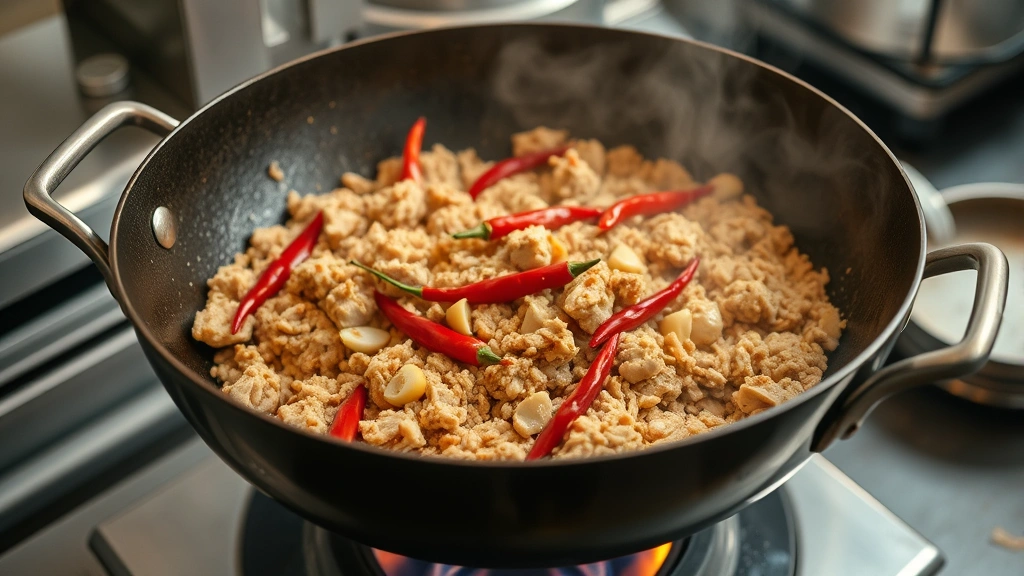
Step-by-Step Cooking Method: The Technique That Matters
Step 1: Heat Your Wok Properly
Place your wok over high heat for 2-3 minutes until it’s smoking lightly. This step cannot be skipped. The wok must reach 400-500°F to properly sear meat and develop flavor through the Maillard reaction. Test readiness by holding your hand 6 inches above—you should feel intense heat immediately.
Step 2: Add Oil & Aromatics
Pour oil into the heated wok. It should shimmer immediately and move fluidly around the curved surface. Add minced garlic and sliced chilies simultaneously. Stir constantly for 15-20 seconds until fragrant but not browned. This brief moment develops the aromatic foundation; timing is crucial. Burned garlic tastes bitter and ruins the dish.
Step 3: Cook the Protein
Add your ground meat (or protein of choice) in a single motion. Don’t stir immediately—let it sit for 30 seconds. This allows the meat to make contact with the hot wok surface and begin browning. Then break it up with a spatula or wooden spoon, stirring constantly. Continue cooking for 2-3 minutes until the meat is cooked through but still has slight texture. Ground chicken cooks fastest; ground pork takes slightly longer.
Step 4: Add Sauce & Combine
Pour your prepared sauce mixture into the wok. The liquid will sizzle dramatically—this is normal and desired. Stir everything together vigorously for 30-45 seconds. The sauce should coat every piece of meat and reduce slightly, creating a light glaze rather than a wet curry.
Step 5: Incorporate Holy Basil
Remove the wok from heat. Immediately add your torn holy basil leaves and fold gently but thoroughly through the mixture. The residual heat will wilt the basil slightly while preserving its aromatic oils. If you add basil while the wok is still on high heat, the leaves will burn and turn black, losing their distinctive flavor.
Step 6: Taste & Adjust
Transfer to a serving plate immediately. Taste and adjust seasoning if needed. The dish should taste balanced—you should detect heat, saltiness, slight sweetness, and aromatic basil equally. If it tastes too salty, you used excessive fish sauce. If it lacks depth, increase fish sauce slightly next time. This learning process refines your technique with each preparation.
Mastering Flavor Balance: The Thai Five-Point System
Thai cuisine operates on a five-point flavor balance system: spicy (heat), salty (umami), sweet, sour, and aromatic. Pad kra pao emphasizes the first four, with holy basil providing the aromatic element. Understanding this framework helps you troubleshoot and create variations confidently.
Spicy Element comes from Thai bird’s eye chilies. The heat should be noticeable but not overwhelming—it should build gradually rather than assault your palate immediately. If your version tastes too hot, reduce chili quantity or remove seeds. If it lacks heat, increase chilies or leave seeds intact.
Salty/Umami Component derives from the fish sauce, soy sauce, and oyster sauce combination. This trio creates savory depth that defines authentic Thai flavor. The fish sauce provides fermented umami; soy sauce adds saltiness and subtle sweetness; oyster sauce contributes body and additional savory notes. No single sauce creates the complete profile—all three are essential.
Sweet Element comes from palm sugar. This isn’t dessert-level sweetness; it’s subtle balancing sweetness that rounds out the heat and saltiness. Palm sugar’s caramel notes distinguish authentic pad kra pao from versions made with white sugar. The sweetness should be barely perceptible—if you taste obvious sugar, you’ve added too much.
Sour Component is often overlooked in basic pad kra pao recipes. While not always included in the main dish, fresh lime squeezed over the finished plate adds brightness and complexity. Many Thai street vendors provide lime wedges alongside pad kra pao specifically for this reason.
Aromatic Element is entirely holy basil’s domain. This herb should be the final flavor note you experience—it lingers pleasantly and distinguishes authentic pad kra pao from inferior versions. The aromatics should feel fresh and peppery, never cooked or muted.
Variations & Protein Options: Beyond Chicken
While chicken remains the traditional choice, authentic pad kra pao welcomes various proteins. Understanding how different proteins interact with the sauce helps you create variations suited to your preferences or dietary needs.
Ground Pork Pad Kra Pao is equally traditional in Thailand, particularly in central regions. Pork’s slightly higher fat content creates a richer sauce and contributes more flavor than chicken. The cooking time remains similar—2-3 minutes for ground pork. Many Thai cooks prefer pork for its superior taste, though chicken offers leaner nutrition.
Beef Pad Kra Pao requires slightly longer cooking—3-4 minutes—to ensure even doneness throughout. Ground beef’s stronger flavor stands up well to the intense sauce. This variation works particularly well if you’re exploring foods to avoid for weight loss concerns, as lean beef provides excellent protein with minimal added fat.
Shrimp Pad Kra Pao offers a lighter, seafood-forward interpretation. Use medium shrimp, peeled and deveined, cut into thirds for consistent cooking. Shrimp cooks extremely quickly—barely 1-2 minutes total—so timing becomes even more critical. Add shrimp after the initial garlic-chili aromatics have developed, cook just until they turn pink and opaque.
Tofu Pad Kra Pao serves vegetarian and vegan diners beautifully. Use extra-firm tofu, pressed thoroughly to remove excess moisture, then cut into small cubes. Increase oil slightly to prevent sticking. Tofu benefits from a 30-second head start in the hot wok before adding aromatics, allowing it to develop light browning. The sauce coats tofu wonderfully, creating a satisfying vegetarian main course.
Mixed Protein Pad Kra Pao combines ground chicken with shrimp or ground pork with mushrooms. These variations add textural interest and allow you to use smaller quantities of expensive proteins while maintaining flavor depth.
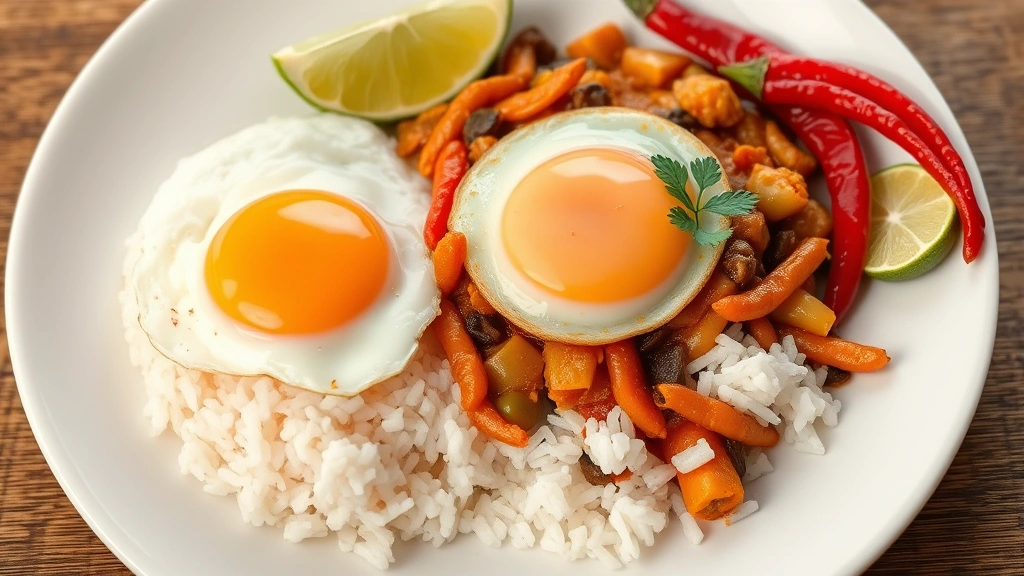
Serving & Traditional Accompaniments
In Thailand, pad kra pao is traditionally served over jasmine rice with a fried egg on top. This combination—called “Pad Kra Pao Moo Daeng Gai Dao”—creates a complete meal balancing protein, carbohydrates, and fat. The runny yolk mixes with the rice and sauce, creating luxurious richness.
Proper serving involves mounding jasmine rice on a plate, creating a small well in the center, and placing your pad kra pao directly into that well. Top with a fried egg cooked sunny-side up (yolk still runny). Serve alongside fresh accompaniments: sliced Thai chilies in fish sauce, cucumber slices, and lime wedges. These condiments let diners adjust flavors to personal preference.
For casual street food consumption, pad kra pao is often served in a small paper boat with rice on the side. Diners eat portions of pad kra pao alternately with rice, mixing them together with their spoon as they eat.
Alternative serving suggestions include:
- Over brown rice for nutty flavor and additional fiber
- With jasmine rice noodles instead of grain rice
- As a lettuce wrap filling for lighter consumption
- Alongside steamed vegetables for increased nutrition
- Mixed into rice bowls with additional vegetables and herbs
Common Mistakes & Troubleshooting Guide
Problem: Bland, Uninspiring Flavor
Cause: Insufficient fish sauce or using low-quality fish sauce. Fish sauce provides the umami backbone; without adequate quantity, the dish tastes flat.
Solution: Increase fish sauce to 2.5 tablespoons and ensure you’re using quality brands. Taste after each addition. Fresh fish sauce smells pungent but not rotten—that’s normal.
Problem: Meat Tastes Tough or Rubbery
Cause: Overcooking, usually from cooking time exceeding 4 minutes or heat that’s not hot enough (causing extended cooking time).
Solution: Ensure your wok reaches proper temperature before adding meat. Ground meat cooks quickly—3-4 minutes maximum. Remove from heat while meat still has slight give when pressed.
Problem: Basil Tastes Cooked or Bitter
Cause: Adding basil while the wok remains on high heat, causing the delicate leaves to burn.
Solution: Remove wok from heat before adding basil. The residual heat will wilt leaves gently while preserving their aromatic properties. Fold basil in gently rather than stirring aggressively.
Problem: Too Much Sauce/Watery Consistency
Cause: Excess sauce or insufficient cooking time to reduce it.
Solution: Reduce sauce ingredients slightly—use 1.5 tablespoons fish sauce instead of 2. Alternatively, increase heat and cooking time slightly to allow more liquid to evaporate. The finished dish should have light glaze, not sauce pooling on the plate.
Problem: Excessive Heat Making Dish Inedible
Cause: Too many chilies or using extra-hot chili varieties.
Solution: Reduce chili quantity and remove seeds, which contain most capsaicin (heat compound). Start with 1 chili and increase gradually as your tolerance builds. Fresh lime juice added after cooking helps balance extreme heat.
FAQ
Can I make pad kra pao ahead of time?
Pad kra pao is best served immediately after cooking while aromatics remain vibrant and basil is fresh. However, you can prepare components ahead: measure sauce, mince garlic, slice chilies, and tear basil 2-3 hours prior. Cook the finished dish only when ready to serve. Reheated pad kra pao loses aromatic freshness and basil flavor deteriorates significantly.
What’s the difference between holy basil and Thai basil?
Holy basil (kra pao) has peppery, slightly licorice notes with subtle heat. Thai basil (bai maengda) tastes sweeter and more anise-forward. They’re different herbs requiring different culinary applications. Pad kra pao specifically calls for holy basil; Thai basil produces noticeably different flavor. Most Asian markets label these distinctly, though some confusion exists among Western retailers.
Can I substitute regular basil for holy basil?
Not ideally. Sweet Italian basil lacks holy basil’s peppery character and heat. The dish will taste pleasant but distinctly different—more Italian-influenced than authentically Thai. If holy basil is truly unavailable, grow your own from seeds (4-6 weeks) rather than substituting. Your effort investment pays dividends in authentic flavor.
Is fish sauce really necessary?
Yes, absolutely. Fish sauce provides fermented umami that soy sauce and oyster sauce cannot replicate alone. The pungent smell dissipates during cooking, and the flavor rounds into savory depth. No acceptable substitute exists. If you’re averse to fish sauce, you’re better served exploring different Thai dishes rather than attempting pad kra pao without it.
What’s the best rice to serve with pad kra pao?
Jasmine rice remains traditional and optimal. Its subtle floral aromatics complement pad kra pao’s bold flavors without competing. Jasmine rice’s slightly sticky texture allows it to mix beautifully with the sauce. Brown rice, white rice, or rice noodles work acceptably, though they produce different flavor and texture profiles. Jasmine rice is worth sourcing specifically.
Can I make this dish vegetarian or vegan?
Absolutely. Replace ground meat with extra-firm tofu cubes, mushrooms, or chickpeas. Ensure your fish sauce is vegan (some brands contain non-vegan ingredients), or substitute additional soy sauce and a small amount of miso paste for umami depth. The vegetarian version tastes equally delicious when properly executed.
How spicy should authentic pad kra pao be?
Heat level should be noticeable but not overwhelming—a pleasant burn that builds gradually. In Thailand, pad kra pao varies from mild to extremely spicy depending on the vendor and customer preference. Start with 1-2 chilies, taste, and adjust upward. Authentic doesn’t mean painfully hot; it means balanced and flavorful.
What if I can’t find palm sugar?
Brown sugar works as a functional substitute, though the flavor differs slightly. Avoid white sugar, which lacks palm sugar’s caramel complexity. In a pinch, dark brown sugar approximates the flavor profile better than light brown. Use equal quantities. Consider ordering palm sugar online—it stores indefinitely and enhances many Southeast Asian dishes beyond just pad kra pao.
Can I double this recipe for meal prep?
Pad kra pao doesn’t meal prep well because basil flavor deteriorates within hours and the dish tastes best fresh. Instead, prepare components in advance and cook fresh portions as needed. You can cook 2-3 servings simultaneously in a large wok—prepare double ingredients but maintain the same cooking timeline. Never exceed wok capacity, as overcrowding lowers temperature and prevents proper cooking.
What wine or beverage pairs well with pad kra pao?
Thai beer (Singha, Chang, Leo) remains the traditional pairing—the carbonation and slight sweetness balance heat and richness beautifully. White wines with residual sweetness (Riesling, Gewürztraminer) work well. Avoid heavy reds, which clash with the dish’s bright flavors. Thai iced tea or fresh lime juice are excellent non-alcoholic pairings.


