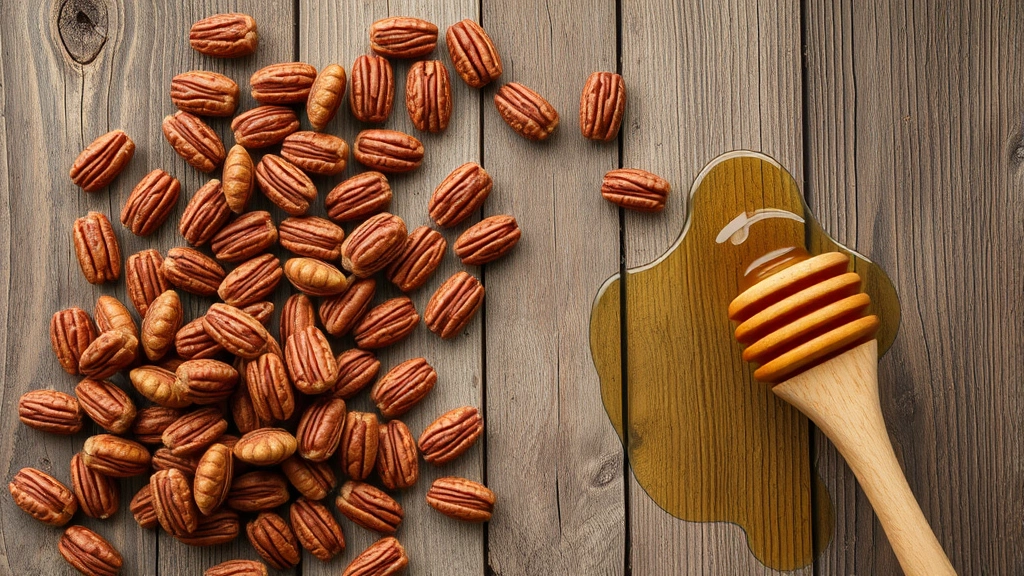
Pecan Pie Without Corn Syrup: Grandma’s Secret Recipe
Pecan pie is a beloved dessert tradition, especially during the holidays, but many home bakers struggle with the heavy sweetness and thick texture that traditional corn syrup brings to the table. What if I told you that some of the best pecan pies never use corn syrup at all? This discovery comes straight from generations of family recipes, where grandmothers perfected the art of creating rich, nutty pecan pies using alternative sweeteners that deliver superior flavor and a more refined texture.
The secret isn’t complicated—it’s about understanding which sweeteners work best as corn syrup substitutes and how they interact with the other ingredients in your filling. Whether you’re avoiding corn syrup for dietary reasons, seeking a more natural sweetener, or simply curious about traditional baking methods, this comprehensive guide reveals the techniques that have made countless family pecan pies legendary at dinner tables across America.
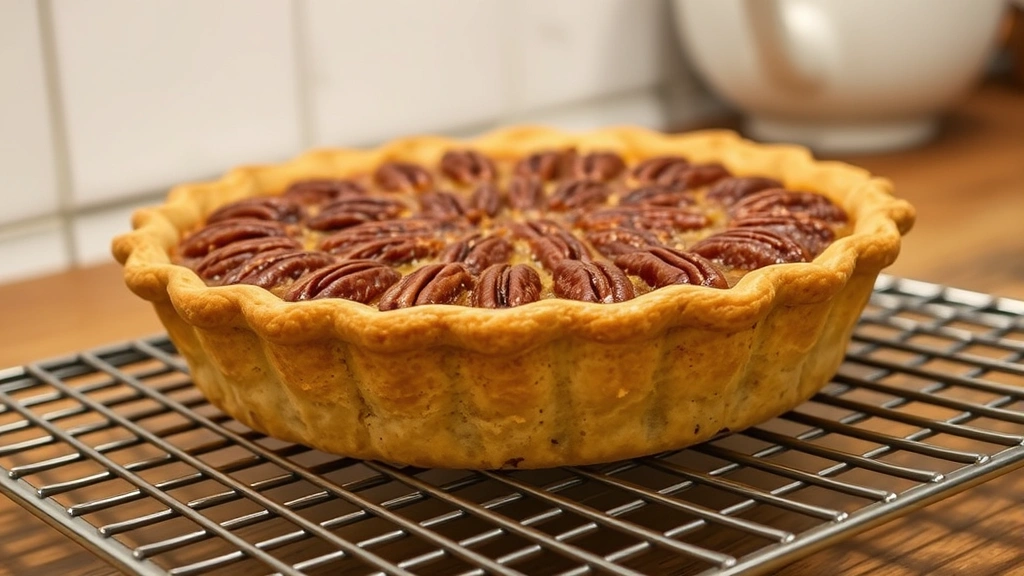
Why Skip Corn Syrup?
Corn syrup became the standard ingredient in pecan pie recipes only in the twentieth century, introduced as a convenient commercial product. Before that, bakers relied on other sweetening methods that often produced superior results. Understanding why you might want to skip corn syrup helps you appreciate the alternatives:
- Cleaner taste profile: Corn syrup can mask the delicate, buttery flavors of pecans with its neutral sweetness. Alternative sweeteners allow the nuts to shine through more prominently.
- Dietary considerations: Many people prefer to avoid high fructose corn syrup or refined corn products altogether, making this substitution essential for their baking.
- Traditional authenticity: Recipes passed down through generations often used honey, molasses, or brown sugar—sweeteners that created pies with deeper, more complex flavors.
- Texture control: Different sweeteners create different textures in the filling, from dense and fudgy to light and custardy, giving you more control over the final product.
- Health-conscious baking: Some alternative sweeteners offer additional nutritional benefits, such as minerals found in molasses or honey’s antimicrobial properties.
The beauty of making pecan pie without corn syrup lies in rediscovering what made this dessert special long before convenience products dominated our kitchens.
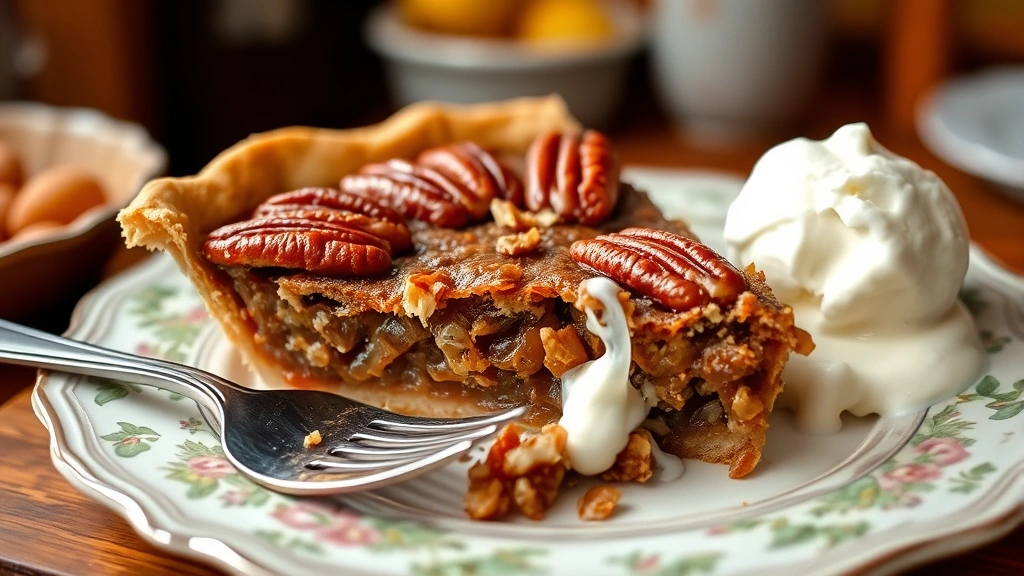
Best Substitutes for Corn Syrup in Pecan Pie
Not all sweeteners work equally well in pecan pie filling. The best substitutes maintain the proper consistency, provide adequate sweetness, and contribute to the overall flavor profile you’re aiming for. Here are the most successful options:
Honey: The Golden Standard
Raw or processed honey serves as an excellent corn syrup replacement, offering a one-to-one substitution ratio. Honey adds moisture, creates a slightly softer texture, and introduces floral notes that complement pecans beautifully. Serious Eats recommends honey for its superior flavor complexity. Use mild honey varieties like clover or acacia to avoid overpowering the pecans.
Molasses: The Rich Alternative
Unsulphured molasses brings deep, complex sweetness with a slight bitterness that balances the richness of the filling. This creates a more sophisticated pecan pie that appeals to those who find traditional versions too sweet. Mix molasses with a lighter sweetener like honey for optimal results, as molasses alone can be quite intense.
Maple Syrup: The Nutty Choice
Pure maple syrup creates a pecan pie with warm, woodsy undertones that enhance the natural nuttiness of the filling. Use pure maple syrup rather than pancake syrup, which contains additives and corn syrup. Maple syrup creates a slightly softer filling, so you may need to reduce other liquid ingredients slightly.
Brown Sugar Solution
A combination of packed brown sugar dissolved in a small amount of butter or cream creates a filling that mimics corn syrup’s texture while delivering richer flavor. This method requires slightly more technique but produces exceptional results. Brown sugar brings caramel notes that deepen the pie’s complexity.
Coconut Sugar: The Modern Option
Coconut sugar offers a lower glycemic index and subtle caramel flavors. However, it crystallizes more easily than other sweeteners, so it works best when combined with honey or molasses to maintain proper consistency.
Grandma’s Classic Pecan Pie Without Corn Syrup
This recipe represents generations of family baking wisdom, perfected through countless holiday gatherings and refined taste tests. The combination of honey and molasses creates a filling that’s neither too thick nor too thin, with flavor depth that makes this pie memorable.
Ingredients:
For the crust:
- 1 unbaked 9-inch pie crust (store-bought or homemade)
- 2 tablespoons butter, melted
For the filling:
- 1 cup raw honey or mild honey
- ½ cup unsulphured molasses
- 4 tablespoons butter, softened
- ½ cup packed brown sugar
- 3 large eggs, room temperature
- 1 teaspoon vanilla extract
- ¼ teaspoon sea salt
- ½ teaspoon cinnamon
- ¼ teaspoon nutmeg
- 2½ cups pecan halves, lightly toasted
This filling delivers the richness you expect from pecan pie while highlighting the natural flavors of quality ingredients.
Begin by preheating your oven to 350°F. Remove your pie crust from the refrigerator and let it sit at room temperature for five minutes to soften slightly. Brush the unbaked crust with melted butter—this creates a protective layer that prevents the crust from becoming soggy during baking. Place the crust on a baking sheet (this catches any drips and makes handling easier). In a large mixing bowl, combine the softened butter and packed brown sugar. Beat with an electric mixer on medium speed for two to three minutes until the mixture becomes light and fluffy. This creaming process incorporates air into the filling, creating a lighter texture than if you simply mixed everything together. The mixture should look pale and slightly increased in volume. Add the honey and molasses to the creamed mixture, beating on low speed until fully incorporated. The filling will look smooth and glossy. This gradual addition prevents the wet ingredients from splashing out of the bowl and ensures even distribution of sweeteners throughout the filling. In a small bowl, whisk together the room-temperature eggs with vanilla extract. Add the eggs to the honey mixture one at a time, beating on low speed after each addition. Room-temperature eggs incorporate more smoothly and create a more uniform filling. Avoid overmixing once the eggs are added, as this can incorporate excess air, which may cause the pie to puff up excessively during baking. Add the sea salt, cinnamon, and nutmeg, mixing gently until the spices are evenly distributed. The spices should be barely visible as flecks throughout the filling—they’re meant to enhance rather than dominate the flavor. Gently fold the toasted pecan halves into the filling using a rubber spatula. Toasting the pecans beforehand intensifies their flavor and reduces moisture content, which helps the filling set properly. Fold gently to avoid breaking the pecans into small pieces; you want distinct pieces of nuts throughout the pie, not a paste. Pour the filling into the prepared crust, spreading it evenly. Place the pie on the baking sheet in the preheated oven. Bake for 50 to 60 minutes, until the filling is set around the edges but still slightly jiggly in the center (about a 2-inch circle in the middle). The filling will continue to set as it cools. If the crust edges begin browning too quickly, cover them with aluminum foil tent-style. This prevents the crust from burning while the filling finishes cooking. Remove the pie from the oven and place it on a wire cooling rack. Allow the pie to cool to room temperature—approximately two hours—before cutting. This cooling period is crucial because the filling continues to set during this time. Cutting too early results in a runny filling, while proper cooling creates the ideal custard-like texture. Room-temperature ingredients incorporate more evenly, creating a smoother, more uniform filling. Remove eggs from the refrigerator 30 minutes before baking. Softened butter combines more readily with other ingredients, reducing the need for excessive mixing. Choose fresh, high-quality pecans for superior flavor. Older pecans can taste rancid and ruin an otherwise perfect pie. Toast pecans in a 350°F oven for 8-10 minutes before adding them to the filling—this deepens their flavor and removes excess moisture that could affect the filling’s texture. The one-to-two ratio of molasses to honey creates balance—the molasses provides depth while the honey keeps the filling from becoming too heavy. If you prefer a lighter pie, increase the honey slightly. For deeper flavor, use more molasses, but be cautious as it can become overpowering. Blind baking (pre-baking) the crust isn’t necessary for this recipe, as the filling bakes long enough to cook the crust properly. However, brushing with butter creates a moisture barrier that prevents sogginess. Some bakers prefer to brush the crust with egg white mixed with a teaspoon of water for extra protection. Use the jiggle test: the pie is done when the outer two inches are completely set but the center two-inch circle still jiggles slightly when you gently shake the pan. This ensures you don’t overbake the filling, which creates a dry, dense texture. A toothpick inserted in the set portion should come out clean. If you live at high altitude (above 3,000 feet), you may need to increase the oven temperature by 15°F and add an extra egg to help the filling set properly. High altitude causes liquids to evaporate faster, so monitor your pie closely during baking. Add 2-3 tablespoons of bourbon whiskey to the filling for a sophisticated twist. The alcohol bakes off, leaving behind warm, oaky notes that complement pecans beautifully. This variation appeals to those who enjoy chocolate delight recipes with complex flavor profiles. Replace the honey and molasses with 1½ cups pure maple syrup for a pecan pie with warm, woodsy undertones. Add ½ teaspoon of bourbon vanilla extract to enhance the maple flavor. This creates a pie that tastes like autumn in every bite. Make your own salted caramel by melting ½ cup butter with ½ cup brown sugar over medium heat, then add a pinch of sea salt. Use this caramel as part of your sweetener base, replacing some of the honey. Drizzle additional salted caramel over the top of the cooled pie for visual appeal and extra flavor. Fold 1 cup of semi-sweet chocolate chips into the filling along with the pecans. The chocolate melts slightly during baking, creating pockets of richness throughout the pie. This variation appeals to those who love chocolate delight recipes. Increase the cinnamon to 1 teaspoon and add ⅛ teaspoon each of cloves and ginger for a pie with warm spice notes. This variation works beautifully with maple syrup as your primary sweetener and pairs wonderfully with vanilla ice cream. Heat the honey in a saucepan over medium heat until it deepens in color and develops caramel notes (about 5-7 minutes). Be careful not to burn it. Let it cool before adding to the filling. This creates a more sophisticated, less floral honey flavor. Store your finished pecan pie under a cake dome or covered loosely with plastic wrap at room temperature for up to two days. The pie remains perfectly safe and actually develops deeper flavor as it sits. Many bakers prefer their pecan pie at room temperature rather than chilled. For longer storage, cover the pie tightly with plastic wrap and refrigerate for up to five days. The filling becomes slightly firmer when chilled, creating a more custard-like texture. Bring the pie to room temperature for 30 minutes before serving for optimal flavor. Wrap the completely cooled pie in plastic wrap, then aluminum foil, and freeze for up to three months. Thaw at room temperature for 4-6 hours before serving. Alternatively, freeze the unbaked pie (in its crust) and bake directly from frozen, adding 15-20 minutes to the baking time. Prepare the filling one day ahead and refrigerate it in a covered container. Pour it into the crust about 30 minutes before baking. This allows you to prepare the pie on a less busy day and simply pop it in the oven when needed—perfect for holiday entertaining. Serve pecan pie with strawberry ice cream recipe for a fresh contrast to the rich filling, or try vanilla bean ice cream for a classic pairing. Whipped cream with a splash of bourbon also complements the pie beautifully. For an elegant presentation, dust the top with a light coating of cinnamon before serving. Crumbled leftover pie makes an excellent topping for ice cream maker recipes, or fold pieces into softened vanilla ice cream for homemade pecan pie ice cream. Warm slices can be served as a breakfast treat alongside coffee. Yes, absolutely. Use 1 cup honey combined with ½ cup packed brown sugar for a lighter, more floral pie. This combination works beautifully and requires no molasses. The brown sugar helps the filling set properly while the honey provides moisture and sweetness. Cracks typically indicate overbaking or too high an oven temperature. The filling should jiggle slightly in the center when done—if it’s completely set, you’ve baked it too long. For future pies, reduce the oven temperature by 25°F and check the pie earlier. Cracks don’t affect taste, just appearance; you can cover them with whipped cream when serving. Honey and maple syrup are natural sweeteners suitable for most diets. Molasses contains minerals like iron and calcium. If you need a lower-glycemic option, coconut sugar works, though it must be combined with liquid sweeteners. For keto diets, consult Mayo Clinic’s guidance on sweetener alternatives. Traditional pecan pie requires eggs for structure and binding. However, you can replace three eggs with 1 cup of aquafaba (liquid from canned chickpeas) beaten until frothy, though the texture will differ slightly. Alternatively, use a cornstarch slurry (1 tablespoon cornstarch mixed with 3 tablespoons water) along with two eggs for a vegan-friendly version. Runny filling usually results from underbaking. The pie needs the full 50-60 minutes to set properly. Additionally, ensure your eggs are room temperature before mixing, as cold eggs don’t incorporate properly. If using maple syrup, you may need to reduce other liquid ingredients by a few tablespoons. Light molasses is milder and sweeter, while dark molasses is more robust and slightly bitter. For pecan pie, unsulphured molasses (either light or dark) works best. Dark molasses creates a more pronounced flavor, so use less if you prefer subtlety. Light molasses is ideal if you want the pecans to remain the star ingredient. Yes, this filling works beautifully in alternative crusts. Graham cracker crusts pair nicely with the warm spice notes, while chocolate crusts create an unexpected but delicious combination. No adjustments to the filling recipe are necessary, though you may want to reduce baking time slightly as alternative crusts brown faster. Spread pecans in a single layer on a baking sheet and bake at 350°F for 8-10 minutes, stirring halfway through. They should smell fragrant and look slightly darker. Be careful not to burn them—they continue cooking slightly after removal from the oven. Cool completely before adding to the filling. You can double the filling recipe and use two 9-inch pies or one 10-inch deep-dish pie. Increase baking time by 10-15 minutes for the larger pie. However, doubling for a single 9-inch pie will result in overfilling; the filling may overflow during baking. Let the pie crust thaw at room temperature for 15 minutes before adding filling. Avoid stretching the crust when placing it in the pan. Brush with melted butter to seal the surface. Some bakers use pie weights or beans during the first 10 minutes of baking to prevent shrinkage, though this isn’t necessary for pecan pie as the filling weight helps hold the crust in place. Making pecan pie without corn syrup connects you to generations of bakers who understood that quality ingredients create superior desserts. Whether you choose honey’s floral sweetness, molasses’ deep complexity, or maple syrup’s warm notes, you’re participating in a baking tradition that values flavor over convenience. Your guests will taste the difference immediately—the richer, more nuanced sweetness that comes from traditional sweeteners, the way the filling’s custard-like texture showcases each pecan, and the sophisticated flavor profile that makes them ask for your recipe. This is what happens when you honor the ingredients and techniques that made pecan pie beloved in the first place. Bake with confidence, knowing you’re creating something truly special.Step-by-Step Instructions
Preparation (10 minutes)
Creating the Filling Base (15 minutes)
Incorporating Eggs and Flavoring (10 minutes)
Adding Pecans (5 minutes)
Baking (50-60 minutes)
Cooling (Essential Step)
Pro Baking Tips for Perfect Results
Temperature Matters
Nut Selection and Preparation
Sweetener Ratios
Crust Protection
Testing for Doneness
Altitude Adjustments
Delicious Variations on the Classic
Bourbon Pecan Pie
Maple Bourbon Version
Salted Caramel Pecan Pie
Chocolate Chip Addition
Spiced Pecan Pie
Caramelized Honey Version
Storage, Serving, and Make-Ahead Tips
Room Temperature Storage
Refrigeration
Freezing for Later
Make-Ahead Strategy
Serving Suggestions
Leftover Ideas
Frequently Asked Questions
Can I use honey and brown sugar alone without molasses?
What if my pecan pie filling cracks on top while baking?
How do I know which sweetener will work best for my dietary needs?
Can I make this pie without eggs?
Why is my pie filling too runny?
Is there a difference between light and dark molasses?
Can I use this recipe in a pre-made graham cracker or chocolate crust?
What’s the best way to toast pecans?
Can I double this recipe for a larger pie?
How do I prevent the crust from shrinking?


