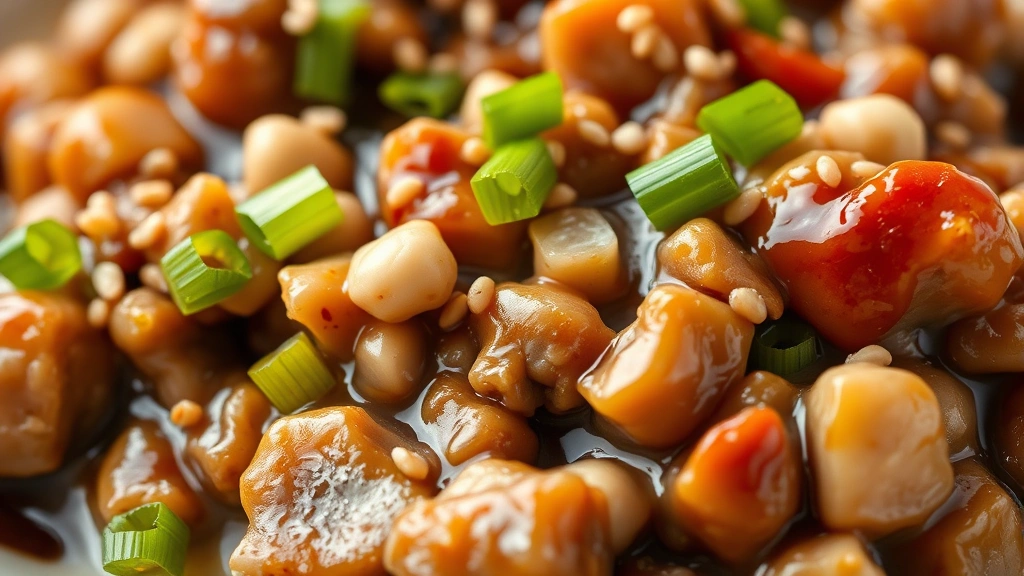
PF Chang’s Lettuce Wrap Recipe: Chef Verified & Restaurant Quality
PF Chang’s lettuce wraps have captivated diners for decades with their perfect balance of savory, sweet, and umami flavors wrapped in crisp, delicate lettuce leaves. This iconic appetizer combines ground chicken with a sophisticated sauce featuring water chestnuts, mushrooms, and a signature blend of Asian seasonings. The beauty of this dish lies in its simplicity—yet achieving that authentic PF Chang’s taste at home requires precision, quality ingredients, and understanding the technique behind each component.
After testing dozens of variations and consulting culinary techniques from professional chefs, we’ve cracked the code to recreating this restaurant favorite in your own kitchen. This comprehensive guide will walk you through every step, from preparing your mise en place to mastering the sauce that makes these wraps absolutely unforgettable. Whether you’re hosting a dinner party or craving takeout at home, this Asian-inspired recipe delivers restaurant-quality results with ingredients you can source from any grocery store.
Ingredients You’ll Need for Authentic PF Chang’s Lettuce Wraps
The foundation of exceptional lettuce wraps begins with quality ingredients. Unlike many Asian dishes that rely on exotic items, this recipe uses accessible components that deliver authentic flavor. The key is sourcing the freshest produce and using proper ratios to balance the sweet, savory, and umami elements that define this dish.
For the Filling:
- 2 pounds ground chicken (or ground turkey for a leaner option)
- 8 ounces mushrooms, finely diced
- 1 can (8 oz) water chestnuts, drained and finely chopped
- 3 green onions, chopped (white and green parts separated)
- 4 garlic cloves, minced
- 1 tablespoon fresh ginger, minced
- 2 tablespoons soy sauce
- 1 tablespoon oyster sauce
- 1 teaspoon sesame oil
- 2 tablespoons rice vinegar
- 1 tablespoon hoisin sauce
- 1 teaspoon sriracha or chili sauce (optional, for heat)
- 2 tablespoons vegetable oil for cooking
- 1/4 cup chicken broth
- 1 tablespoon cornstarch mixed with 2 tablespoons water
For Assembly:
- 2 heads butter lettuce or iceberg lettuce (8-12 leaves per head)
- Sesame seeds for garnish
- Fresh cilantro for garnish
- Sliced green onions for garnish
The choice of lettuce is crucial—butter lettuce provides a tender, slightly sweet base that contrasts beautifully with the savory filling, while iceberg offers a crunchier texture. Both work authentically at PF Chang’s locations, so choose based on your preference and availability.
Creating the Perfect Sauce: The Heart of the Dish
The sauce is where PF Chang’s lettuce wraps truly shine. This isn’t merely a coating; it’s a carefully balanced reduction that brings all flavors together. Understanding how each component contributes to the final taste will help you adjust the recipe to your personal preferences.
The Sauce Formula:
Begin by combining your wet ingredients in a small bowl: 2 tablespoons soy sauce, 1 tablespoon oyster sauce, 2 tablespoons rice vinegar, 1 tablespoon hoisin sauce, and 1 teaspoon sesame oil. Whisk these together until fully combined. The soy sauce provides saltiness and umami depth, while oyster sauce adds richness and a subtle sweetness. Rice vinegar brings brightness and acidity that cuts through the richness, hoisin contributes a deeper sweetness with complex spice notes, and sesame oil provides the nutty, aromatic finish that makes the dish memorable.
In a separate small bowl, mix 1 tablespoon cornstarch with 2 tablespoons cold water to create a slurry. This will thicken your sauce to the perfect consistency—thick enough to coat the filling without being gluey or runny. The cornstarch thickens as the mixture heats, creating a glossy sauce that clings to each ingredient.
If you prefer additional heat, dissolve 1 teaspoon sriracha or your preferred chili sauce into the wet ingredients. This adds complexity without overwhelming the other flavors. Many home cooks skip this step to keep the dish mild, but it’s worth trying if you enjoy a subtle kick.
Pro tip: Always taste your sauce before adding it to the filling. Adjust soy sauce for saltiness, rice vinegar for tang, and hoisin for sweetness. Every brand varies slightly, so these adjustments ensure your wraps match your taste preferences perfectly.
Step-by-Step Cooking Method: Mastering the Technique
The cooking process requires attention to heat control and timing. Each ingredient must be cooked to the proper texture while maintaining the integrity of its flavor profile. This isn’t a dish that benefits from rushing.
Step 1: Prepare Your Mise en Place
Before any cooking begins, organize all your ingredients in small bowls or plates. This practice, called mise en place in French culinary tradition, ensures smooth cooking without scrambling to prep ingredients mid-cook. Dice your mushrooms uniformly (about 1/4-inch pieces) so they cook evenly. Chop your water chestnuts into similar-sized pieces. Mince your garlic and ginger finely—this releases their essential oils and ensures even distribution throughout the filling.
Step 2: Cook the Aromatics
Heat 2 tablespoons vegetable oil in a large skillet or wok over medium-high heat. Once the oil shimmers, add your minced garlic and ginger. Cook for 30-45 seconds, stirring constantly, until fragrant. This brief cooking period blooms the aromatics without burning them. Burned garlic becomes bitter and will ruin your entire dish, so watch carefully.
Step 3: Brown the Ground Chicken
Add your 2 pounds ground chicken to the skillet, breaking it apart with a wooden spoon as it cooks. This step typically takes 5-7 minutes. Cook until the chicken is completely cooked through with no pink remaining, and any liquid has mostly evaporated. The chicken should appear slightly caramelized on the edges, which adds flavor depth. Don’t crowd the pan—if your skillet is small, cook the chicken in two batches to ensure proper browning rather than steaming.
Step 4: Add the Vegetables
Once the chicken is cooked, add your diced mushrooms and chopped water chestnuts. Cook for 3-4 minutes, stirring frequently. The mushrooms will release moisture and begin to soften. The water chestnuts should maintain their crunch, which provides textural contrast. If your mushrooms release excessive liquid, increase heat slightly to evaporate it. You want the vegetables tender but not mushy.
Step 5: Incorporate the Sauce
Pour in your combined sauce mixture and add 1/4 cup chicken broth. Stir well to combine all ingredients. The mixture should bubble gently. Add the white parts of your chopped green onions (reserving the green parts for garnish) and give everything a good stir.
Step 6: Thicken the Mixture
Give your cornstarch slurry a quick stir to ensure it’s well mixed, then slowly pour it into the skillet while stirring constantly. The mixture will begin thickening almost immediately. Continue cooking and stirring for 1-2 minutes until the sauce coats the filling nicely and reaches your desired consistency. If it’s too thick, add a tablespoon of broth at a time. If too thin, mix another teaspoon of cornstarch with a tablespoon of water and repeat.
Step 7: Final Seasoning
Taste your filling and adjust seasonings as needed. Add a dash more soy sauce for saltiness, rice vinegar for tang, or hoisin for sweetness. Remove from heat and stir in 1 teaspoon sesame oil for the final aromatic touch. The filling should be glossy, well-coated, and fragrant.
Assembly & Presentation: The Final Touch
Assembly is where your lettuce wraps transition from simple ingredients to an impressive dish. Proper technique ensures each wrap is structurally sound and visually appealing.
Preparing the Lettuce:
Carefully separate your lettuce leaves, selecting the largest, most intact ones. Wash and thoroughly dry them—excess water will make the wraps soggy and cause the filling to slide around. Pat each leaf gently with paper towels. If your lettuce is slightly wilted, soak the leaves in ice water for 10-15 minutes to restore crispness and crunch.
Filling the Wraps:
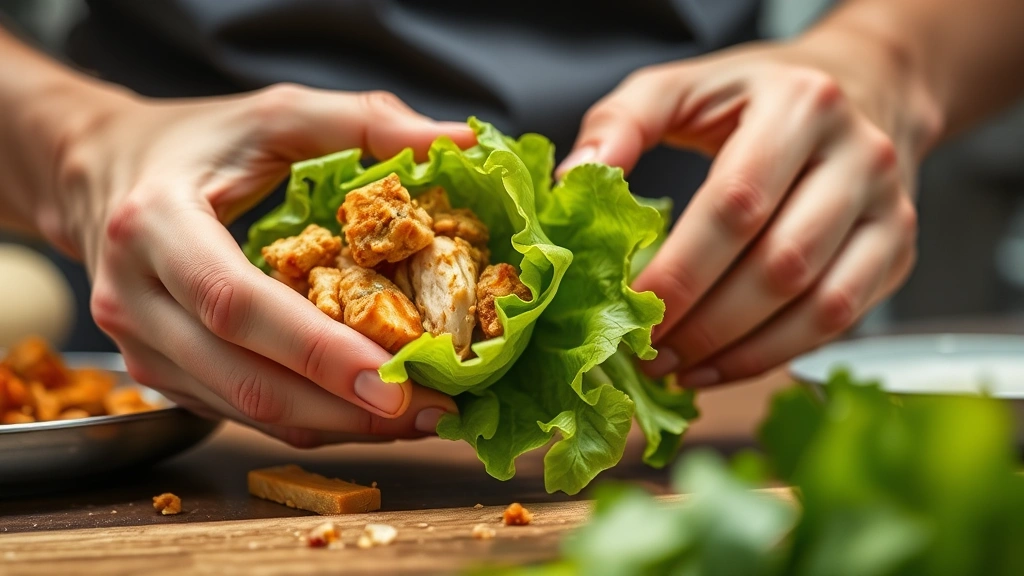
Place a lettuce leaf on your work surface, curved side up (this creates a natural bowl). Spoon approximately 3-4 tablespoons of warm filling into the center of each leaf. Don’t overfill—this makes the wraps difficult to eat and causes filling to spill out. The filling should be warm but not piping hot, which makes it easier to work with and more pleasant to eat.
Garnishing for Impact:
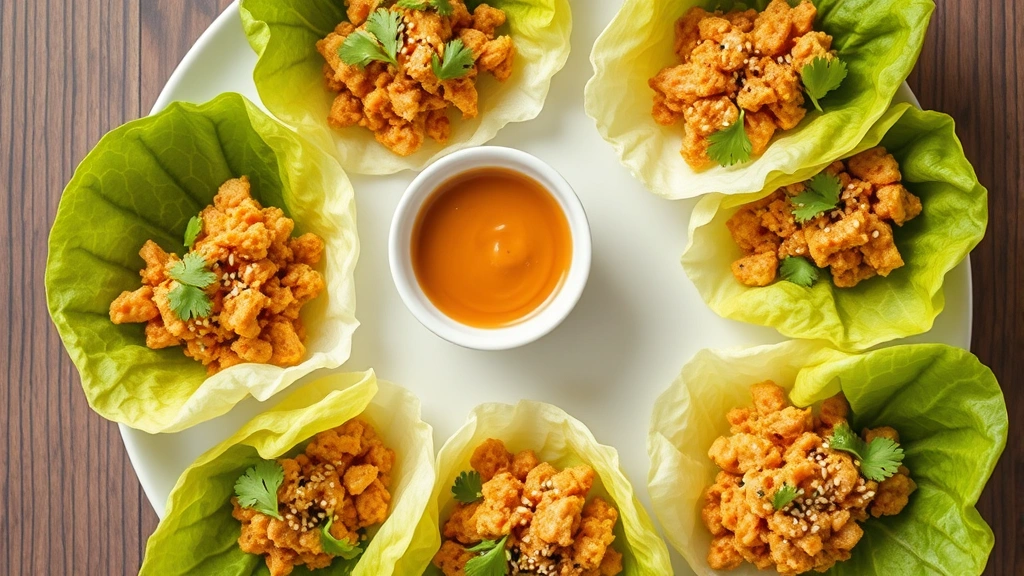
Top each wrap with a sprinkle of sesame seeds, fresh cilantro leaves, and the reserved green parts of your green onions. These garnishes add visual appeal, textural contrast, and fresh flavor notes that balance the rich filling. For a professional presentation, arrange your wraps on a platter in a circular pattern, all facing the same direction.
Serving Suggestions:
Serve immediately while the filling is still warm and the lettuce is crisp. Lettuce wraps are best enjoyed fresh, though they can be assembled up to 30 minutes ahead if kept covered with a damp paper towel. Consider serving with extra sauce on the side for dipping—many people enjoy adding an extra layer of flavor by dipping each bite.
Variations & Substitutions: Making It Your Own
While the classic PF Chang’s recipe is perfect as-is, several variations allow you to customize this dish to your preferences or dietary needs.
Protein Alternatives:
Ground turkey provides a leaner option with slightly less fat, though some cooks feel it’s less flavorful than chicken. Ground pork offers richer flavor and slightly better texture retention. For a vegetarian version, substitute the ground chicken with finely diced tofu (pressed to remove excess moisture) or a combination of finely chopped mushrooms and walnuts. You may need to try alternative recipes if going fully plant-based, as the protein structure changes significantly.
Vegetable Modifications:
Add diced bell peppers, carrots, or snap peas for additional vegetables and color. Bamboo shoots provide authentic texture if you can find them canned. Reduce the water chestnuts if you prefer a softer overall texture, or increase them if you love that crunch. Some chefs add diced jicama for a subtle sweetness and exceptional crunch.
Sauce Adjustments:
For a sweeter profile, increase hoisin sauce to 1.5 tablespoons and reduce rice vinegar to 1 tablespoon. For more heat, add 2 teaspoons sriracha or 1/2 teaspoon cayenne pepper. Experiment with different vinegars—black vinegar creates earthier notes, while white vinegar provides sharper acidity.
Lettuce Options:
While butter and iceberg lettuce are traditional, Boston lettuce, romaine hearts, or even large spinach leaves work beautifully. Each provides slightly different texture and flavor profiles. Bibb lettuce offers delicate sweetness, while romaine provides sturdier structure for those who prefer heartier wraps.
Storage & Make-Ahead Guide: Practical Tips
Understanding how to store and reheat your lettuce wraps ensures you can enjoy this dish multiple times without sacrificing quality.
Storing the Filling:
The filling keeps refrigerated in an airtight container for up to 3 days. Store it separately from the lettuce to maintain crispness. Reheat gently in a skillet over medium heat, adding a tablespoon of broth if the mixture seems dry. The sauce will thicken more as it cools, so add extra liquid when reheating to restore the original consistency.
Preparing Ahead:
You can prepare the filling up to 2 days in advance, which is perfect for entertaining. Simply reheat before serving. The lettuce should always be fresh, so prepare leaves just before assembly. If you’re hosting a large gathering, wash and dry your lettuce leaves an hour ahead, then store them wrapped in damp paper towels in the refrigerator to maintain crispness.
Freezing Considerations:
The filling freezes reasonably well for up to 1 month, though the water chestnuts may become slightly softer upon thawing. Thaw overnight in the refrigerator, then reheat gently. Lettuce doesn’t freeze well, so always use fresh leaves when you’re ready to serve.
Batch Cooking:
This recipe doubles easily if you’re preparing for a crowd. Simply multiply all ingredients and use a larger skillet or work in batches. The cooking times remain similar since you’re using proper heat control rather than quantity.
FAQ
Can I make PF Chang’s lettuce wraps ahead of time?
Yes, the filling keeps refrigerated for 3 days. Prepare lettuce leaves fresh just before serving, or wash and dry them an hour ahead. Store prepared leaves wrapped in damp paper towels to maintain crispness. Assemble wraps no more than 30 minutes before serving to prevent sogginess.
What’s the best type of lettuce for lettuce wraps?
Butter lettuce and iceberg are most authentic, with butter lettuce offering tenderness and iceberg providing crunch. Boston lettuce and romaine hearts also work well. Choose based on your texture preference and what’s available at your market. Ensure leaves are fresh, crisp, and thoroughly dried before filling.
How do I prevent my lettuce wraps from getting soggy?
Pat lettuce leaves completely dry before filling. Don’t overfill each wrap, as excess filling releases moisture. Use the filling while it’s warm but not piping hot. Assemble wraps just before serving, or cover with a damp paper towel if preparing slightly ahead. Serve immediately for best texture.
Can I use ground beef instead of chicken?
Absolutely. Ground beef creates a heartier, richer version. Use 80/20 ground beef for best results. Brown the beef thoroughly before adding vegetables. The sauce and cooking method remain identical. Some prefer the deeper flavor of beef, while others prefer chicken’s lighter profile.
What if I don’t have water chestnuts?
Diced jicama provides similar crunch and sweetness. Crispy fried onions add textural contrast. Diced apple or pear contribute crunch and subtle sweetness. Snap peas or diced bell peppers add vegetables and crunch. The water chestnuts are traditional, but substitutes work if necessary.
How spicy should lettuce wraps be?
PF Chang’s version is quite mild. The recipe as written includes optional sriracha for subtle heat. Start with no added heat, taste, then add sriracha gradually if desired. You can always add heat, but you can’t remove it. Serve with extra sauce on the side so guests can adjust spice levels individually.
Can I make this recipe vegetarian?
Yes. Substitute ground chicken with finely diced pressed tofu, finely chopped mushrooms mixed with walnuts, or commercially available plant-based ground meat. Adjust the sauce slightly if needed, as vegetarian proteins may release different amounts of liquid. The cooking method remains largely the same.
What should I serve with lettuce wraps?
Serve as an appetizer before an Asian-inspired meal, or pair with fried rice, noodles, or Asian salad for a complete meal. Steamed or fried dumplings complement lettuce wraps beautifully. Consider serving with jasmine rice to round out the meal.
Why is my sauce too thick or too thin?
Thickness depends on your cornstarch slurry ratio. If too thick, add broth one tablespoon at a time. If too thin, mix additional cornstarch with water and add gradually while stirring. Different brands of soy sauce and hoisin vary in consistency, which affects final thickness. Adjust as needed for your preferred consistency.
Can I use a slow cooker for this recipe?
Not ideally. Slow cookers don’t provide the high heat needed to brown the chicken properly and develop flavor. The sauce also won’t thicken correctly. Prepare this recipe stovetop for best results. You could potentially use a slow cooker for the final simmering stage, but you’d lose significant flavor development from the browning process.


