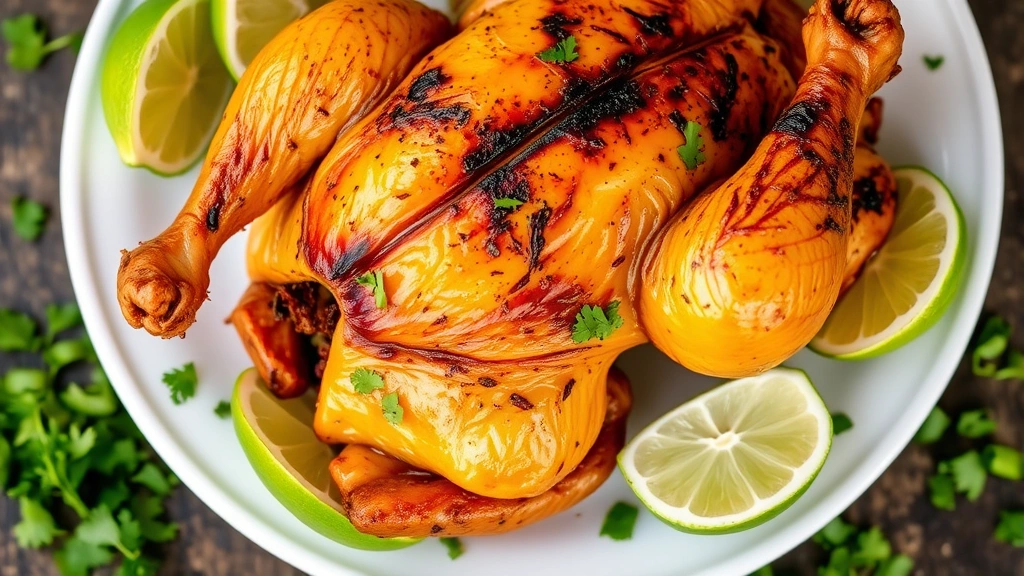
Pollo Asado Recipe: Authentic Flavor Guide
Pollo asado, meaning “roasted chicken” in Spanish, represents one of Latin America’s most beloved culinary traditions. This vibrant dish transcends simple roasted poultry—it’s a masterclass in flavor layering, marinating techniques, and the perfect balance of acidity, spice, and smokiness. Whether you’re preparing this for a family gathering or exploring authentic Latin cuisine, understanding the nuances of pollo asado will elevate your cooking repertoire.
The magic of pollo asado lies in its marinade, where citrus juices, garlic, and spices create a complex flavor profile that penetrates deep into the chicken’s flesh. Unlike simple roasted chicken, pollo asado demands time, attention to ingredient quality, and respect for traditional preparation methods. This comprehensive guide will walk you through every step, from selecting your chicken to achieving that coveted golden, slightly charred exterior that defines authentic pollo asado.
Understanding Pollo Asado Origins and Regional Variations
Pollo asado emerged from the culinary traditions of Peru, though variations exist throughout Latin America, from Mexico to the Caribbean. The Peruvian version, often called “pollo a la brasa,” became iconic through rotisserie cooking, while other regions adapted the recipe to their available ingredients and cooking methods. The dish gained international prominence through immigrant communities and has become a staple in Latin restaurants worldwide.
The beauty of pollo asado lies in its adaptability. While the core components—citrus, garlic, cumin, and chili—remain consistent, regional interpretations introduce local spices and cooking techniques. Understanding these origins helps you appreciate why certain ingredient combinations work so well together and how to honor the tradition while making the recipe your own.
Peruvian pollo asado traditionally incorporates aji amarillo (yellow chili peppers), which provide a distinctive fruity heat and golden color. Mexican versions might emphasize achiote (annatto) and citrus marinades, while Caribbean interpretations introduce scotch bonnet peppers and tropical fruits. Each variation tells a story of cultural exchange and local ingredient availability.
Essential Ingredients Breakdown for Authentic Flavor
Creating authentic pollo asado requires understanding each ingredient’s role in the final dish. The marinade is where complexity develops, so ingredient quality matters significantly. Here’s what you’ll need:
- Whole chicken or chicken parts: A 3-4 pound bird serves 4-6 people; bone-in, skin-on pieces ensure maximum flavor and moisture
- Citrus juices: Lime and orange juice create the marinade’s acidic base; fresh-squeezed is essential for authentic flavor
- Garlic: 8-10 cloves minced provide pungent depth; don’t use pre-minced garlic
- Cumin: Ground cumin adds earthiness; toasting whole seeds before grinding intensifies flavor
- Chili peppers: Aji amarillo paste, dried chiles, or fresh peppers depending on your regional preference
- Oregano: Dried oregano (preferably Mexican or Mediterranean varieties) contributes herbaceous notes
- Olive oil: High-quality extra virgin olive oil helps distribute flavors and aids in cooking
- Salt and black pepper: Don’t underestimate these foundational seasonings
- Optional additions: Roasted garlic, cumin seeds, coriander, or fresh cilantro
The ratio of citrus to oil is crucial—typically 1 part acid to 1 part oil creates an emulsion that clings to the chicken. Too much acid can over-tenderize the meat, while insufficient acid won’t penetrate properly. Understanding this balance is fundamental to pollo asado mastery.
Preparing Your Marinade with Precision
The marinade is pollo asado’s soul. Unlike quick marinades, authentic versions require proper technique to ensure flavors meld correctly. Begin by combining your citrus juices—typically 1 cup of lime juice and 1/2 cup of orange juice—in a large bowl. The acidity begins breaking down the chicken’s muscle fibers immediately, so freshness matters.
Mince your garlic finely and add it to the citrus. Garlic’s raw sharpness will mellow during marinating, creating subtle sweetness. Add 2 tablespoons of ground cumin, 1 tablespoon of dried oregano, 1-2 tablespoons of chili pepper paste or minced fresh peppers, and 1/2 cup of olive oil. Whisk vigorously to create an emulsion—the oil and acid should combine into a cohesive mixture rather than separating.
Season generously with salt and black pepper. Many home cooks under-salt marinades; remember that salt penetrates more slowly than acid, so use more than seems intuitive. Taste the marinade—it should be bold, complex, and slightly salty. If it tastes balanced to your palate, it will be perfect on the chicken.
For deeper complexity, consider adding 1 teaspoon of ground coriander, 1/2 teaspoon of smoked paprika, or a pinch of cayenne pepper. Fresh cilantro (1/4 cup chopped) added near the end of marinating brightens the overall profile. Some cooks include a touch of honey or brown sugar to balance the acidity—experiment to find your preference.
Marinating Process Mastery and Timing
Proper marinating technique determines whether your pollo asado achieves exceptional flavor or merely adequate results. Begin by patting your chicken dry with paper towels—moisture on the surface prevents the marinade from adhering properly. If using a whole chicken, score the skin lightly with a sharp knife, creating shallow cuts that allow marinade to penetrate beyond the surface.
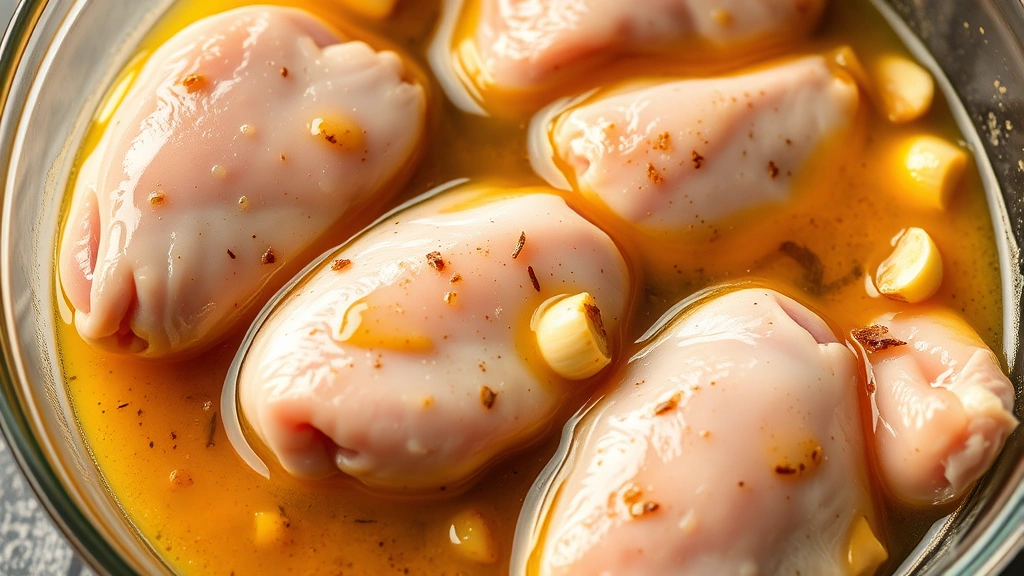
Place the chicken in a large zip-top bag or non-reactive container (glass or ceramic, never aluminum). Pour the marinade over completely, ensuring all surfaces contact the liquid. If marinating a whole bird, rotate the bag occasionally to ensure even coating. For chicken parts, massage the marinade into the meat and under the skin.
Timing is critical. Minimum marinating time is 4 hours, though 8-12 hours produces noticeably superior results. Overnight marinating (12-24 hours) allows the acid to fully penetrate while aromatics infuse throughout. Don’t exceed 24 hours—excessive acid begins breaking down the meat’s texture, resulting in mushy chicken. Remove the chicken from refrigeration 30-45 minutes before cooking to allow even temperature distribution.
Reserve 1/4 cup of marinade before adding raw chicken for basting during cooking. This reserved marinade will coat the chicken as it roasts, building flavor layers. Keep this separate to avoid cross-contamination.
Cooking Techniques and Methods for Perfect Results
Pollo asado can be prepared using several methods, each producing slightly different results. The traditional approach uses a rotisserie, though home cooks can achieve excellent results with oven roasting, grilling, or skillet cooking.
Oven Roasting Method: Preheat your oven to 425°F. Place the marinated chicken on a rimmed baking sheet lined with foil, skin-side up. Roast for 50-60 minutes for a whole bird, basting every 15 minutes with reserved marinade. The chicken is done when the thickest part of the thigh reaches 165°F internally. The skin should be golden-brown with slightly charred edges.
Grilling Method: Prepare your grill for medium-high heat (around 400°F). Oil the grates well to prevent sticking. Place the chicken skin-side down on the grill, maintaining indirect heat on one side. Cover and grill for 45-55 minutes, turning halfway through and basting with reserved marinade. This method creates superior smoke flavor and charring.
Skillet-to-Oven Hybrid: Heat olive oil in a large oven-safe skillet over medium-high heat. Sear the chicken skin-side down for 5-7 minutes until golden. Flip, then transfer the skillet to a 400°F oven for 35-45 minutes. This technique combines stovetop browning with gentle oven cooking.
Temperature control is essential. Pollo asado should develop a golden, slightly crispy exterior while remaining juicy inside. The skin should have a subtle char—not blackened, but distinctly caramelized. If your chicken is browning too quickly, lower the temperature and extend cooking time.
Achieving Perfect Doneness and Resting
Proper doneness determines whether your pollo asado is succulent or dry. Use a meat thermometer inserted into the thickest part of the thigh without touching bone—165°F is the safe minimum, but 170°F ensures optimal juiciness. Different chicken parts have different optimal temperatures: thighs can reach 175°F, while breasts are best at 165°F.
Resting is non-negotiable. After removing the chicken from heat, tent it loosely with foil and rest for 10-15 minutes. During this time, carryover cooking continues gently while juices redistribute throughout the meat. Cutting into resting chicken causes juices to run out onto the plate rather than remaining in the meat. This simple step transforms good pollo asado into exceptional pollo asado.
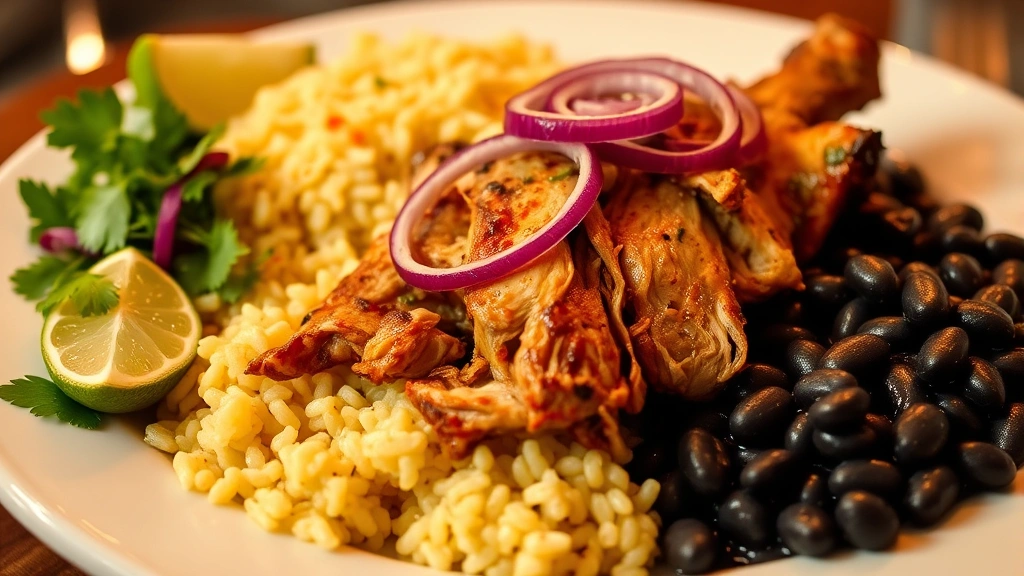
While resting, prepare your serving components. Fresh lime wedges, chopped cilantro, and thinly sliced red onion are traditional accompaniments. Some cooks prepare a quick chimichurri sauce by blending parsley, garlic, vinegar, olive oil, and spices—this bright sauce complements the rich, savory chicken perfectly.
Serving Suggestions and Traditional Pairings
Authentic pollo asado is rarely served alone. Traditional accompaniments create a complete meal that balances flavors and textures. In Peru, pollo asado typically arrives with papas a la huancaína (potatoes in creamy pepper sauce), rice, or simple roasted potatoes. Mexican versions often include black beans, cilantro lime rice, and warm tortillas.
Fresh sides provide essential contrast to the rich, savory chicken. Serve with a simple salad of mixed greens dressed with lime vinaigrette, or prepare pico de gallo (fresh tomato salsa). Sliced avocado, fresh lime wedges, and thinly sliced red onion brighten each bite. Warm tortillas or crusty bread allow guests to create tacos or soak up flavorful juices.
Consider preparing complementary dishes like Chipotle Honey Chicken for variety, or explore High-Protein Slow Cooker Recipes for weeknight variations. For festive occasions, Vintage Grandma Recipes offer time-honored cooking wisdom that complements pollo asado beautifully.
Beverage pairings matter significantly. Pollo asado pairs wonderfully with crisp white wines like Sauvignon Blanc or Albariño, light lagers or pilsners, or traditional Latin beverages like horchata or chicha morada. For non-alcoholic options, fresh lime agua fresca or hibiscus tea complement the meal’s bright, complex flavors.
Leftover pollo asado offers remarkable versatility. Shred the meat and use it in tacos, quesadillas, salads, or rice bowls. The flavorful meat makes exceptional sandwich filling, or combine it with black beans and rice for a quick burrito bowl. Properly stored in an airtight container, pollo asado keeps for 3-4 days in the refrigerator.
FAQ
Can I use chicken breasts instead of a whole bird?
Yes, though bone-in, skin-on chicken thighs produce superior flavor and moisture. Chicken breasts are leaner and dry more easily, requiring careful temperature monitoring. If using breasts, reduce cooking time by 10-15 minutes and don’t exceed 165°F internally. Marinating time remains the same—longer marinating helps compensate for lower fat content.
What if I don’t have aji amarillo paste?
Aji amarillo is traditional but not essential. Substitute with 1-2 tablespoons of ancho chili powder, guajillo chili powder, or even smoked paprika combined with a pinch of cayenne. Each substitution creates slightly different flavor profiles but maintains pollo asado’s essential character. Some cooks use fresh jalapeños or serranos for heat without the fruity notes of aji amarillo.
How long can I marinate the chicken?
Optimal marinating time is 8-24 hours. Marinating for less than 4 hours produces adequate but not exceptional results. Marinating beyond 24 hours can result in mushy texture as the acid over-tenderizes the meat. Cold temperatures slow marinating, so keep the chicken refrigerated throughout the process.
Can I make pollo asado in a slow cooker?
While possible, slow cookers don’t develop the crispy skin and caramelization that define authentic pollo asado. For convenience, try the High-Protein Slow Cooker Recipes approach—marinate traditionally, then finish in a slow cooker on low for 4-5 hours. For best results, use traditional oven or grill methods.
What’s the difference between pollo asado and pollo a la brasa?
Pollo asado is the broader category meaning “roasted chicken,” while pollo a la brasa specifically refers to rotisserie-cooked chicken. Pollo a la brasa is cooked on a rotating spit over charcoal, creating distinctive smoky flavor and crispy skin. Home cooks can approximate this using a rotisserie attachment or traditional oven roasting.
Can I freeze marinated chicken?
Yes, marinated chicken freezes excellently for up to 3 months. Place the marinated chicken in a zip-top freezer bag, removing as much air as possible. When ready to cook, thaw overnight in the refrigerator—don’t thaw at room temperature. The marinating process continues slightly during thawing, so frozen marinated chicken often tastes exceptional.
What external resources help master pollo asado?
For deeper understanding of Latin cooking techniques, explore The Culinary Institute of America for professional cooking education. Serious Eats offers detailed food science explanations of marinating and cooking processes. For authentic Latin recipes and techniques, La Taste of Home provides cultural context and traditional preparations. The World Cooking Encyclopedia documents regional variations and historical development of pollo asado across Latin America.


