The Best Puppy Chow Recipe? Chex Tested!
Puppy chow—also known as muddy buddies or Chex mix snack—is one of those legendary no-bake treats that disappears faster than you can make it. With its irresistible combination of crunchy cereal, rich chocolate coating, and sweet powdered sugar finish, this snack has earned its place at parties, holiday gatherings, and late-night cravings for decades. The beauty of this recipe lies in its simplicity: just a handful of ingredients, a few minutes of preparation, and you’ve created something that tastes homemade and indulgent.
But what makes the absolute best puppy chow recipe? We tested multiple variations using different Chex cereals, chocolate types, and coating techniques to discover which combination delivers maximum flavor and that perfect crispy-yet-coated texture. Whether you’re a purist who sticks with the classic version or someone who loves experimenting with creative flavor additions, this guide will walk you through creating puppy chow that rivals anything you’ve ever tasted.
What Is Puppy Chow?
Puppy chow is a beloved American snack that combines cereal, chocolate, butter, and powdered sugar into an addictive treat. The name itself is somewhat playful—some say it’s called “puppy chow” because it looks a bit like dog food before you eat it, while others claim the name comes from its appearance once coated in powdered sugar. Regardless of origin, this snack has become a staple at potlucks, Christmas parties, and casual gatherings everywhere.
The traditional recipe uses Chex cereal (typically Rice Chex, though Wheat Chex and Corn Chex work beautifully too), melted chocolate, butter, and confectioners’ sugar. The magic happens when you toss the cereal in the chocolate-butter mixture and then coat it generously with powdered sugar. The result is a snack that’s crunchy, chocolatey, and just sweet enough without being overwhelming. Unlike many homemade treats, puppy chow requires no baking, no special equipment, and minimal cooking skills—making it perfect for beginners and experienced cooks alike.
Essential Ingredients for the Perfect Recipe
The Cereal Base
The foundation of any great puppy chow recipe is quality Chex cereal. Rice Chex is the most traditional choice and delivers a delicate, slightly sweet flavor that complements chocolate perfectly. Wheat Chex offers a nuttier profile, while Corn Chex provides a slightly different texture and taste. We recommend using about 9 cups of cereal—this quantity ensures you have enough volume to coat evenly without creating clumps. Make sure your cereal is fresh; stale cereal will result in a less satisfying crunch.
Chocolate and Butter
The chocolate-butter combination creates the adhesive coating that makes puppy chow irresistible. For the best results, use 2 cups of semi-sweet chocolate chips and 1/4 cup of unsalted butter. Semi-sweet chocolate provides the ideal balance between sweetness and cocoa flavor. If you prefer darker chocolate notes, you can substitute half the semi-sweet chips with dark chocolate chips. The butter serves two purposes: it helps the chocolate melt smoothly and prevents the coating from becoming too thick and heavy. Quality butter makes a noticeable difference in the final taste—avoid margarine or butter substitutes.
Powdered Sugar Coating
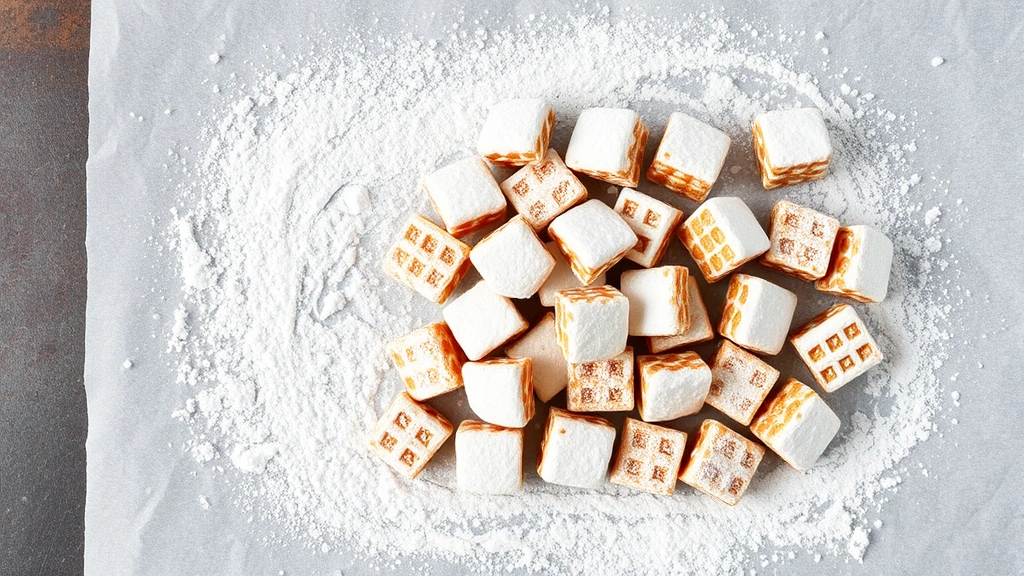
You’ll need 3 cups of confectioners’ sugar (also called powdered sugar) for the final coating. This generous amount ensures every piece gets properly dusted. Some recipes skimp on powdered sugar, resulting in a less impressive finish. The powdered sugar serves multiple functions: it adds sweetness, absorbs any excess oil, and creates that distinctive white coating that contrasts beautifully with the chocolate underneath.
Optional Flavor Enhancers
While not essential, a teaspoon of vanilla extract added to the melted chocolate elevates the flavor complexity. Some cooks add a pinch of sea salt to enhance the chocolate flavor—this simple addition creates a sophisticated sweet-salty balance. You might also consider adding 1/4 teaspoon of instant coffee powder to deepen the chocolate notes without making the snack taste like coffee.
Step-by-Step Instructions
Step 1: Prepare Your Workspace
Before you begin, measure out all ingredients and set them within arm’s reach. Pour your 9 cups of Chex cereal into a large bowl—this is crucial because you’ll be tossing the cereal multiple times, and a large bowl prevents pieces from escaping onto your counter. Have your 3 cups of powdered sugar ready in a separate bowl or, better yet, in a large gallon-size resealable plastic bag. The bag method makes the final coating step significantly less messy and more efficient.
Step 2: Melt the Chocolate and Butter
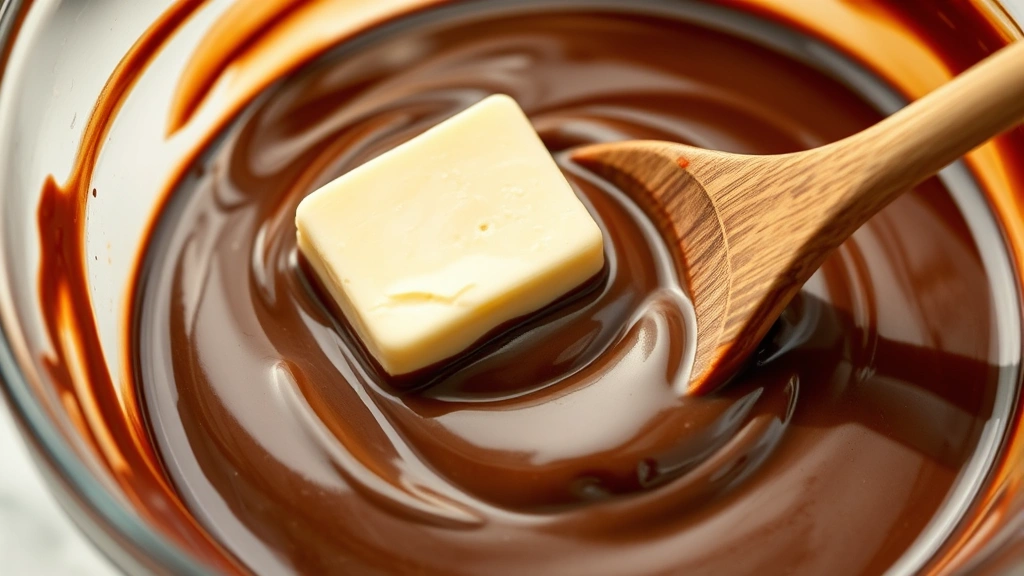
Combine 2 cups of semi-sweet chocolate chips and 1/4 cup of butter in a microwave-safe bowl. Microwave on 50% power in 30-second intervals, stirring between each interval. This low-power method prevents the chocolate from seizing or burning. Typically, the mixture will be completely melted after 1-2 minutes. If you prefer stovetop melting, use a double boiler: place a heat-safe bowl over simmering water, ensuring the bowl doesn’t touch the water. Stir frequently until smooth. Once melted, add 1 teaspoon of vanilla extract if desired, and stir well.
Step 3: Coat the Cereal
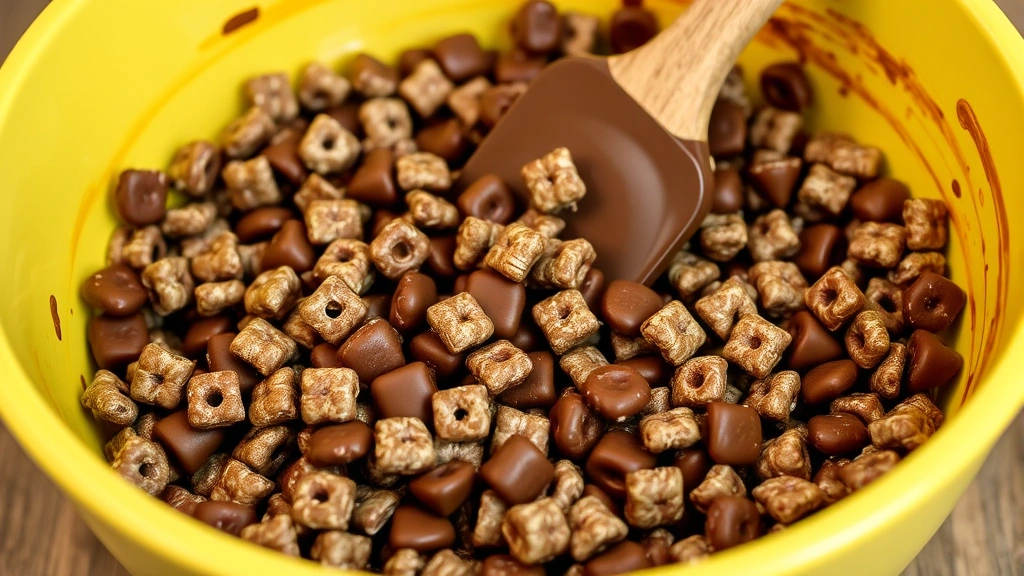
Pour the melted chocolate mixture over your Chex cereal in the large bowl. Using a rubber spatula or wooden spoon, stir gently but thoroughly, ensuring every piece gets coated with chocolate. This step requires patience—resist the urge to rush. Work in sections if needed, lifting the cereal from the bottom of the bowl and folding it over the chocolate. The goal is even distribution without crushing the cereal. This process typically takes 2-3 minutes.
Step 4: Apply the Powdered Sugar Coating
Transfer your chocolate-coated cereal to the bag containing powdered sugar (or into a bowl). If using the bag method, seal it partially and shake vigorously for about 30 seconds, then open and shake again. This two-stage shaking prevents excessive pressure buildup. If using a bowl, toss gently with a spoon or your hands (wearing food-safe gloves works well here). Continue until every piece is well-coated with white powdered sugar. You want a balanced appearance—some chocolate showing through, but mostly white coating.
Step 5: Cool and Set
Spread the finished puppy chow on a clean baking sheet or parchment paper in a single layer. This allows any residual moisture to evaporate and helps the coating set properly. Let it rest at room temperature for 15-20 minutes. You’ll notice the powdered sugar becoming less sticky as it dries. Once completely cooled, you can break up any clusters and transfer to an airtight container.
Pro Tips for Success
Temperature Control
One of the most common mistakes is using chocolate that’s too hot. If your melted chocolate is scorching hot when you add it to the cereal, it can make the cereal soggy. Let the chocolate cool for 1-2 minutes after melting before pouring it over the cereal. The chocolate should still be pourable but not steaming. This simple adjustment dramatically improves texture.
Cereal Selection Matters
Different Chex varieties produce different results. Rice Chex is the classic choice and delivers consistent results. Wheat Chex holds the coating slightly differently and has a nuttier taste. Corn Chex creates a sweeter overall snack. Consider your audience and experiment to find your preference. Avoid mixing varieties in a single batch, as they have different densities and coating absorption rates.
Chocolate Quality
Investing in quality chocolate chips makes a noticeable difference. Avoid bargain-brand chocolate chips that contain excessive wax and stabilizers. Look for chocolate chips with cocoa butter listed in the ingredients rather than palm oil. The slightly higher cost is worth the superior flavor and smoother melting properties. You might also explore artisanal chocolate chips from specialty cooking stores for an even more premium result.
Humidity Considerations
Puppy chow is sensitive to humidity. On humid days, the powdered sugar may take longer to dry and set. If you’re making this in summer or in a humid climate, consider using a fan to circulate air around your cooling puppy chow, or increase the cooling time to 30 minutes. Conversely, in dry climates, the recipe sets much faster—sometimes in just 10 minutes.
The Shaking Technique
If you’re using the bag method for applying powdered sugar, the shaking technique is crucial. Seal the bag loosely first, then hold it with both hands and shake using a gentle but firm motion. Vigorous shaking can crush the cereal, while timid shaking leaves uncoated spots. Aim for controlled, deliberate movements. Open the bag every 15 seconds to check coverage and prevent pressure buildup.
Flavor Variations to Try
Once you’ve mastered the classic puppy chow recipe, consider exploring creative variations. A peanut butter version replaces half the chocolate chips with peanut butter chips, creating a delicious Reese’s-inspired treat. The white chocolate variation uses white chocolate chips instead of semi-sweet, paired with food coloring in the powdered sugar for festive colors. This works beautifully for holiday parties.
For something more adventurous, try a salted caramel version by drizzling melted caramel over the chocolate-coated cereal before applying the powdered sugar, then sprinkling with fleur de sel. A cookies and cream variation incorporates crushed Oreo cookies mixed into the powdered sugar coating. You could also create a peppermint version for the holidays by mixing crushed candy canes with the powdered sugar and using dark chocolate for the coating.
Don’t overlook the savory side either. Using melted white chocolate as the base and mixing ranch seasoning powder with the coating creates a savory-sweet snack that’s surprisingly addictive. This approach pairs wonderfully with the techniques used in making flavorful sauce recipes where layering complementary flavors creates complexity.
Storage and Shelf Life
Proper storage ensures your puppy chow stays fresh and crispy for as long as possible. Once completely cooled and set, transfer it to an airtight container. Glass containers with tight-sealing lids work better than plastic bags for long-term storage. Store at room temperature away from direct sunlight and heat sources. In optimal conditions, puppy chow stays fresh for up to two weeks, though it rarely lasts that long.
If you’ve made a large batch and want to store some for later, consider freezing it. Place the cooled puppy chow in a freezer-safe container with parchment paper between layers to prevent sticking. It will keep frozen for up to three months. Thaw at room temperature for about 30 minutes before serving—no need to reheat. The texture remains crispy after thawing, making this an excellent make-ahead option for parties.
Avoid storing puppy chow in the refrigerator. The moisture and temperature fluctuations in a fridge can cause the powdered sugar to become sticky and the cereal to lose its crispness. Room temperature storage is always the best choice for maintaining that signature crunch.
FAQ
Can I make puppy chow without a microwave?
Absolutely. Use a double boiler method: fill a large pot with water and bring it to a simmer. Place a heat-safe bowl on top of the pot, ensuring it doesn’t touch the water. Add your chocolate chips and butter to the bowl and stir frequently until melted. This method gives you more control over temperature and prevents accidental overheating. It takes slightly longer than microwaving—usually 5-7 minutes—but many cooks prefer it for superior results.
Why is my puppy chow greasy?
Greasiness typically results from too much butter or chocolate that’s too warm. Use the exact measurements specified in the recipe—don’t eyeball the butter amount. Additionally, ensure your chocolate isn’t excessively hot when you add it to the cereal. If the mixture seems too oily, add a bit more powdered sugar to absorb the excess oil. In future batches, slightly reduce the butter to 3 tablespoons and see if that improves the texture.
Can I use chocolate melts instead of chocolate chips?
Yes, chocolate melts (also called candy coating or almond bark) work well and often melt more smoothly than chocolate chips. However, they contain different ingredients than real chocolate and may taste slightly different—often with a waxy quality. If you prefer authentic chocolate flavor, stick with quality chocolate chips. If convenience is your priority, chocolate melts are a solid alternative that still produces delicious results.
What’s the best way to transport puppy chow to a party?
Pack it in an airtight container with parchment paper between layers if you’re stacking it. Keep it away from heat sources and direct sunlight during transport. If traveling during warm weather, consider using an insulated bag or cooler—not because it needs to be cold, but because it provides temperature stability. Avoid sealing it in a bag immediately after making it; wait until it’s completely cooled to prevent condensation from forming inside the container.
Can I make puppy chow ahead of time?
Yes, it’s one of the best make-ahead snacks. You can make it up to two weeks in advance and store it in an airtight container. This makes it perfect for holiday planning or party preparation. For events more than a week away, freezing is recommended. The advanced preparation is one reason puppy chow remains so popular for gatherings—you can check it off your to-do list days before the event.
Why does my puppy chow have a chalky taste?
This usually indicates too much powdered sugar or low-quality powdered sugar that contains cornstarch fillers. Use fresh powdered sugar and measure accurately—3 cups is typically the right amount for 9 cups of cereal. If you still notice a chalky taste, you might be using a brand with excessive cornstarch. Try switching to a premium powdered sugar brand, or look for “10x” powdered sugar which is finer and dissolves more smoothly on the palate.
Can I use a food processor to crush the cereal into smaller pieces?
While you technically can, it’s not recommended for traditional puppy chow. The appeal lies in the contrast between crunchy cereal pieces and the chocolate-powdered sugar coating. Crushing the cereal creates a more uniform texture and removes the satisfying crunch. However, if you prefer a finer-textured snack or are making it for someone who has difficulty chewing, carefully pulsing the cereal in a food processor to create smaller (but not powder-fine) pieces could work. Just be cautious not to over-process.


