Organize Recipes Easily? Expert Tips Included
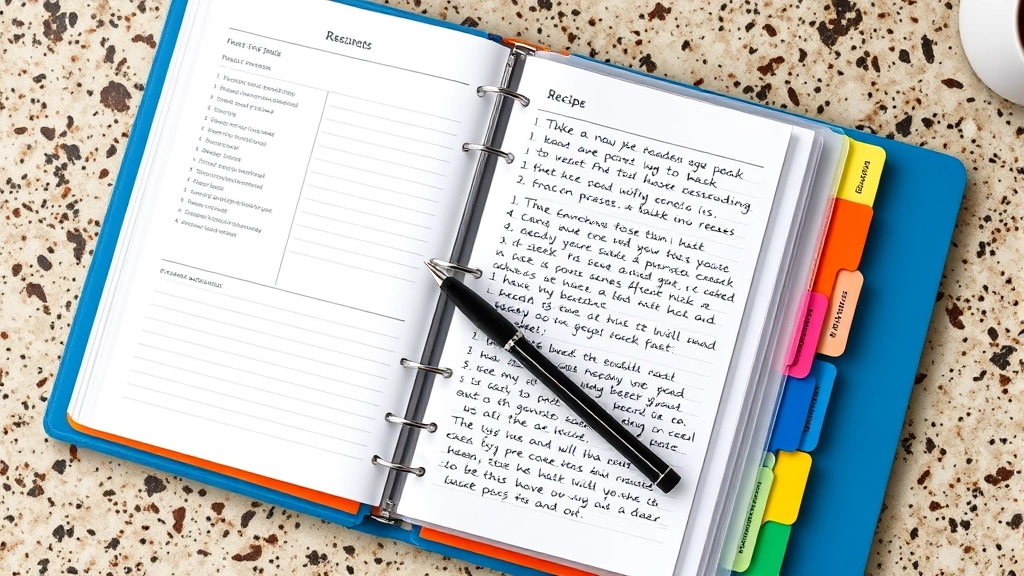
A well-organized recipe binder transforms how you cook, meal plan, and share culinary inspiration. Whether you’re collecting family heirlooms, saving internet discoveries, or building a comprehensive cooking reference, a structured system saves time, reduces kitchen stress, and ensures your favorite recipes remain accessible for years. This guide walks you through creating a functional recipe binder that works for your cooking style and lifestyle.
Many home cooks struggle with scattered recipes across notebooks, phone screenshots, torn magazine clippings, and bookmarked websites. The solution isn’t complicated—it requires thoughtful organization, appropriate materials, and a system you’ll actually maintain. A physical recipe binder provides tactile satisfaction, eliminates digital distractions, and keeps your most-used recipes literally at your fingertips while cooking.
Why Create a Recipe Binder
A dedicated recipe binder serves multiple purposes beyond simple storage. It becomes your personal cookbook, customized to your preferences, dietary needs, and cooking skill level. Unlike published cookbooks, your binder grows with you, reflecting your culinary journey and experimentation.
Organization reduces decision fatigue during meal planning. When recipes are categorized and easily accessible, you spend less time searching and more time cooking. You’ll naturally reach for your binder for inspiration, discovering recipes you’d forgotten about. This encourages cooking at home rather than defaulting to takeout or processed meals.
A recipe binder also preserves family traditions and sentimental recipes. Handwritten recipes from grandparents, annotated versions from cooking classes, or carefully tested family favorites deserve better than being lost in kitchen drawers. Your binder becomes a heirloom, shareable with family members and future generations.
For meal planning, a binder system allows quick reference when planning weekly menus. You can see all available options in your preferred categories, making it easier to balance nutrition, ingredients on hand, and cooking time constraints. This is especially valuable when organizing quick breakfast recipes or weeknight dinner solutions.
Essential Materials and Supplies
Building an effective recipe binder requires quality materials that withstand kitchen use. Here’s what you’ll need:
- Binder: Choose a 1.5 to 2-inch three-ring binder in durable material. Vinyl or leather covers resist kitchen spills better than paper. Consider color-coding if you maintain multiple binders for different purposes.
- Sheet protectors: Heavy-duty, non-glare sheet protectors keep recipes clean and safe from splatters, spills, and food stains. Acid-free protectors preserve recipes long-term. Buy quality ones—cheaper versions become cloudy and sticky.
- Dividers: Use labeled tabs or plastic dividers to separate recipe categories. Invest in sturdy dividers with reinforced edges that won’t tear with frequent handling.
- Recipe cards or paper: Standard 8.5×11 inch paper works well. Some cooks prefer index cards for smaller recipes. Choose cardstock for durability, or regular printer paper if you’ll frequently update recipes.
- Printing supplies: A decent printer and quality paper ensure recipes are legible and attractive. Consider using slightly heavier paper (cardstock) for recipes you’ll reference frequently.
- Archival supplies: If preserving handwritten family recipes, use acid-free paper and archival-quality sleeves to prevent deterioration.
Optional but helpful items include sticky tabs for frequently-used recipes, blank recipe cards for writing new discoveries, and a hole punch for adding printed recipes.
Organization Systems That Work
The best organization system matches your cooking habits and lifestyle. Here are proven approaches:
Category-Based Organization
Divide your recipe binder into logical categories: breakfast, appetizers, soups and salads, main dishes, side dishes, breads, desserts, and beverages. Within main dishes, create subcategories like poultry, beef, seafood, and vegetarian. This mirrors how cookbooks typically organize recipes and makes finding recipes intuitive.
For large collections, consider subcategories like quick weeknight meals, special occasion dishes, and make-ahead recipes. This helps you quickly find recipes matching your available time and energy level.
Cuisine-Based Organization
If you frequently cook specific cuisines, organize by origin: Italian, Asian, Mexican, Mediterranean, and American. This system works beautifully if you tend to cook in themes or have strong preferences for certain culinary traditions. You might combine this with the Trader Joe’s recipes category if you shop there frequently.
Cooking Method Organization
Organize around cooking techniques: stovetop, oven, slow cooker, Instant Pot recipes, grilling, and no-cook. This system shines when you’re choosing recipes based on available equipment or time constraints. It’s particularly useful for finding comfort food recipes prepared in your preferred method.
Difficulty Level Organization
Arrange recipes by skill required: beginner, intermediate, and advanced. Include estimated prep and cook times. This helps newer cooks build confidence and allows experienced cooks to find appropriate challenges.
Seasonal Organization
Organize by season: spring, summer, fall, and winter. This encourages cooking with seasonal ingredients and helps you plan menus aligned with what’s available and affordable at your local market.
Hybrid Systems
Many successful recipe binder systems combine approaches. You might organize primarily by category, with tabs within sections indicating cooking method or difficulty level. Use colored sticky tabs to mark recipes you want to cook this month or recipes that use ingredients you currently have.
Formatting Your Recipes Consistently
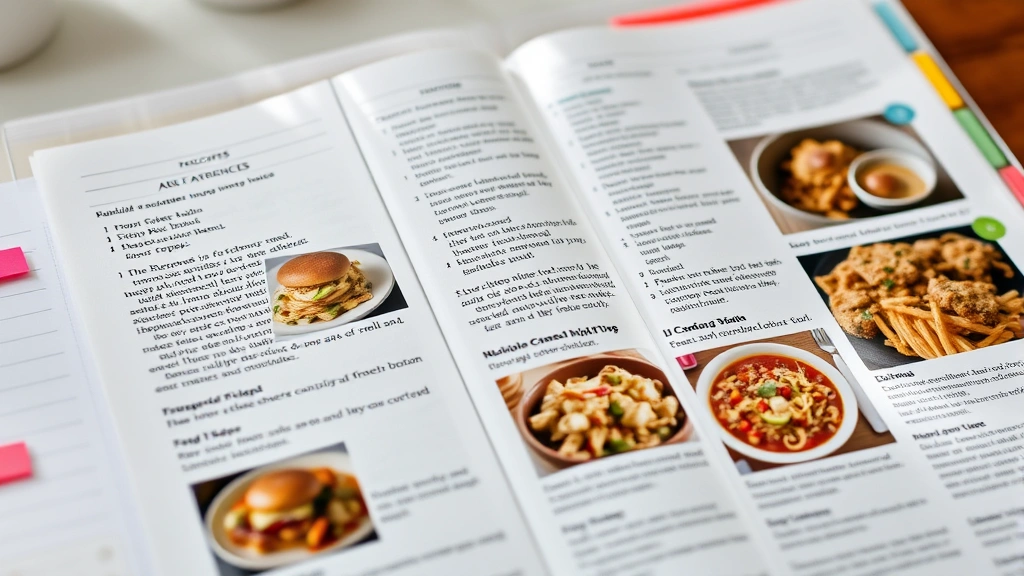
Consistency in formatting makes your recipe binder more functional and professional-looking. Establish a standard template:
Recipe Title and Source
Include the recipe name, source (cookbook, website, family name), and date you added it. If adapting from a source, note what you changed. This helps you remember why you chose this version over others.
Yield and Servings
Clearly state how many servings the recipe makes and total yield. Include prep time, cook time, and total time. Add difficulty level and any special equipment needed.
Ingredient List
List ingredients in order of use with precise measurements. Group ingredients by component (for example, dough ingredients separate from filling ingredients). Include preparation notes like “minced,” “melted,” or “room temperature.”
Instructions
Write numbered steps that are clear and concise. Include cooking temperatures and times. Note any make-ahead options or storage information. Use action verbs at the beginning of each step for clarity.
Notes Section
Include space for personal notes: modifications you’ve made, rating, best occasion to serve it, suggested side dishes, or ingredient substitutions that work well. These annotations make your binder increasingly personalized and useful over time.
Nutritional Information
If tracking nutrition is important, include calories, macronutrients, or allergen information. You might print this from recipe websites or calculate it using online tools.
Create a template document on your computer and use it consistently for new recipes. This speeds up recipe entry and ensures uniformity throughout your recipe binder.
Digital Integration Methods
While a physical recipe binder has charm and functionality, integrating digital tools enhances its usefulness:
Photography System
Photograph each page of your binder with your smartphone. Store images in a dedicated folder on your phone for quick reference while shopping or when away from home. This backup also protects against losing recipes if your binder is damaged.
Recipe Management Apps
Consider apps like Epicurious or Paprika that allow you to photograph recipes, store them digitally, and create shopping lists. Many apps sync across devices and allow meal planning integration.
Spreadsheet Organization
Maintain a spreadsheet listing all recipes in your binder with columns for category, cooking method, difficulty, and special notes. This creates a searchable index, helpful when you remember a recipe but can’t recall which section it’s in.
Cloud Backup
Scan important recipes—family heirlooms or rarely-found favorites—and save PDFs to cloud storage. This provides backup protection and allows sharing with family members.
The key is avoiding digital tools that replace your physical binder entirely. The best system uses your recipe binder as the primary reference while leveraging technology for backup, accessibility, and meal planning support.
Maintenance and Updates
A successful recipe binder requires regular maintenance to remain useful:
Regular Review
Monthly, flip through your binder and note recipes you haven’t cooked recently. This reminds you of forgotten favorites and helps identify recipes that aren’t working for your current lifestyle.
Removing Recipes
Don’t keep recipes out of guilt or obligation. If you haven’t cooked something in a year and don’t see yourself making it soon, remove it. This keeps your binder focused on recipes you actually use.
Adding New Discoveries
Establish a system for incorporating new recipes. Print or handwrite them using your standard template. Place them in a “to-try” section initially, then move them to permanent sections once you’ve tested them.
Updating and Refining
As you cook recipes repeatedly, you’ll develop preferences and modifications. Update your recipe cards with these changes, creating a living document that evolves with your cooking skills and tastes.
Protecting Your Investment
Store your recipe binder in a kitchen location that’s accessible but protected from excessive heat and moisture. Avoid storing it directly above the stove or near steam sources. Consider keeping a backup copy of particularly valuable recipes in a separate location.
Seasonal Purging
Each season, review your binder’s organization. Add seasonal recipes, remove ones no longer relevant, and reorganize sections if your needs have changed. This quarterly maintenance keeps your system optimized.
Customization Ideas
Make your recipe binder uniquely yours with creative customization:
- Color coding: Use different colored sheet protectors or tabs for different categories, making visual navigation faster.
- Photos: Include pictures of finished dishes on recipe pages. This visual element helps you remember recipes and makes browsing more enjoyable.
- Difficulty indicators: Use star ratings or symbols to quickly identify recipe difficulty or time requirements.
- Seasonal markers: Use stickers or colored dots to indicate when recipes are best prepared.
- Family designations: Note which family members especially enjoy certain recipes, useful when cooking for specific people.
- Budget categories: Mark recipes as budget-friendly, splurge-worthy, or somewhere in between to guide meal planning decisions.
- Blank recipe template: Include pages from a blank recipe book for writing new discoveries or family recipes.
- Index pages: Create alphabetical or category indexes at the front for quick reference.
- Tabs for favorites: Use prominent tabs or bookmarks for your most-used recipes.
- Meal planning pages: Include blank weekly meal planning templates after your recipes for convenient menu organization.
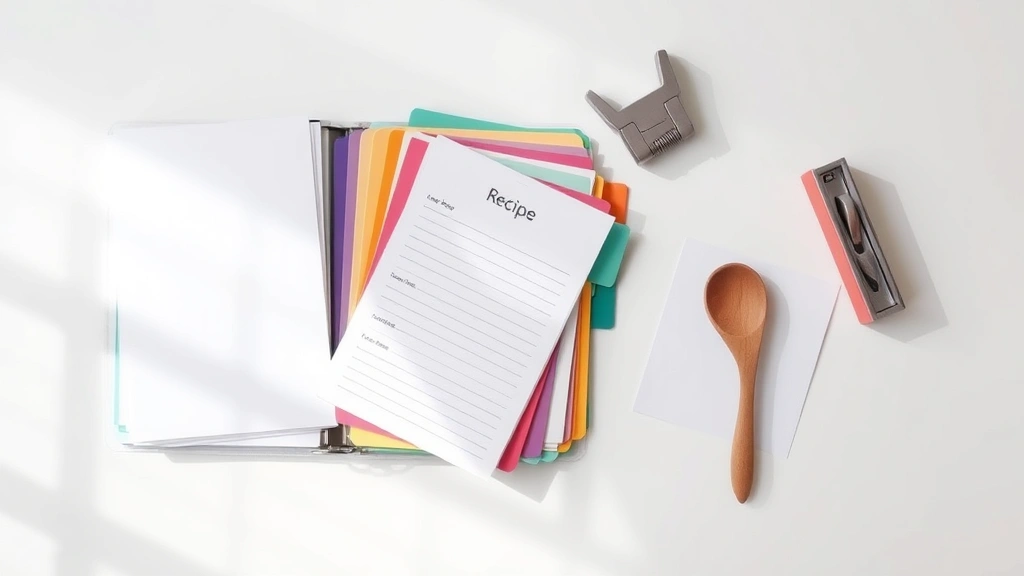
Personal touches transform a recipe binder from functional storage into an heirloom-quality cooking companion. Include hand-drawn decorations, washi tape, or personal notes that reflect your cooking personality.
FAQ
How do I start organizing recipes I’ve already collected?
Begin by gathering all recipes from various sources. Sort them into broad categories, then decide on your organizational system. Start with recipes you cook most frequently—these become your binder’s foundation. As you add more recipes, your system will become more refined and personalized.
Should I print all recipes or keep some handwritten?
Both work beautifully. Handwritten recipes feel personal and preserve family traditions, while printed recipes are easier to read and modify. Many successful binders combine both, with handwritten family recipes and printed recipes from various sources.
What size binder works best?
A 1.5 to 2-inch binder accommodates most recipe collections without becoming unwieldy. If you have extensive recipes, consider two binders organized by category or cuisine. Smaller binders work well for specific recipe types or dietary preferences.
How do I organize recipes I rarely cook but want to keep?
Create a “special occasion” or “someday” section for recipes you’re not cooking regularly but want to preserve. These might include elaborate holiday dishes, recipes from cookbooks you love, or dishes you’re saving for specific events.
Can I combine my recipe binder with meal planning?
Absolutely. Many cooks include blank meal planning pages in their binders. Some add a “this month’s recipes” section with sticky tabs marking dishes they want to prepare soon. This integration makes meal planning more convenient.
How often should I update my recipe binder?
Review and update your binder seasonally or quarterly. Add new discoveries, remove recipes you’re not using, and refresh annotations based on recent cooking experiences. Regular maintenance keeps your binder functional and relevant.
What’s the best way to preserve handwritten family recipes?
Use acid-free paper and archival-quality sheet protectors to prevent deterioration. Consider photographing original recipes before adding them to your binder, storing digital copies as backup. Some cooks create typed versions while keeping originals in separate protective storage.
Should I include nutritional information in my recipe binder?
This depends on your needs. If tracking nutrition, macros, or allergens is important for your household, definitely include it. Many recipes from websites include this information ready to print. If not essential for your cooking, you can skip it to save space and printing time.


