Pepper Steak Recipe: A Family Favorite Dish That’s Easy to Master
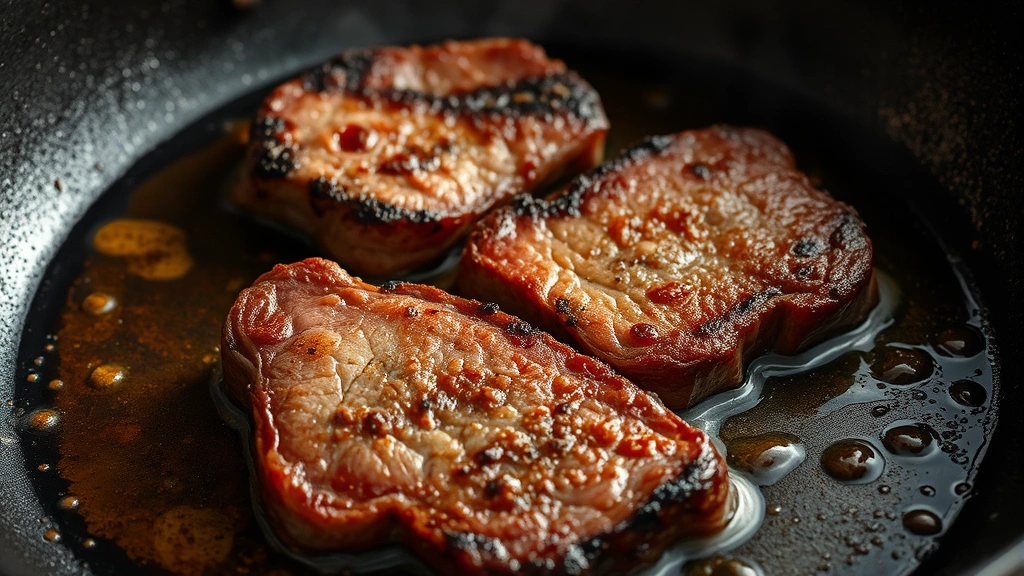
Pepper steak is one of those classic dishes that appears on dinner tables across America, beloved for its tender beef, vibrant bell peppers, and savory sauce that brings everything together. This recipe for pepper steak has been passed down through generations, and for good reason—it’s simple enough for weeknight cooking yet impressive enough to serve guests. The beauty of this dish lies in its balance of flavors and textures: the slight char on quality beef, the sweet crunch of fresh peppers, and a glossy sauce that coats every ingredient perfectly.
Whether you’re cooking for a family gathering or preparing a special dinner, mastering this pepper steak recipe will give you a go-to meal that satisfies everyone at the table. Unlike complicated restaurant dishes, homemade pepper steak comes together in under 30 minutes, making it ideal for busy home cooks. The key to restaurant-quality results lies in understanding proper meat selection, cooking techniques, and timing—all of which we’ll cover in detail below.
Ingredients You’ll Need for Authentic Pepper Steak
The foundation of any great pepper steak recipe starts with quality ingredients. Don’t skip on the beef—this is where your dish truly shines. For this recipe for pepper steak, you’ll want to use beef that can handle high-heat cooking while remaining tender.
- 2 pounds beef sirloin or flank steak—sliced thin against the grain
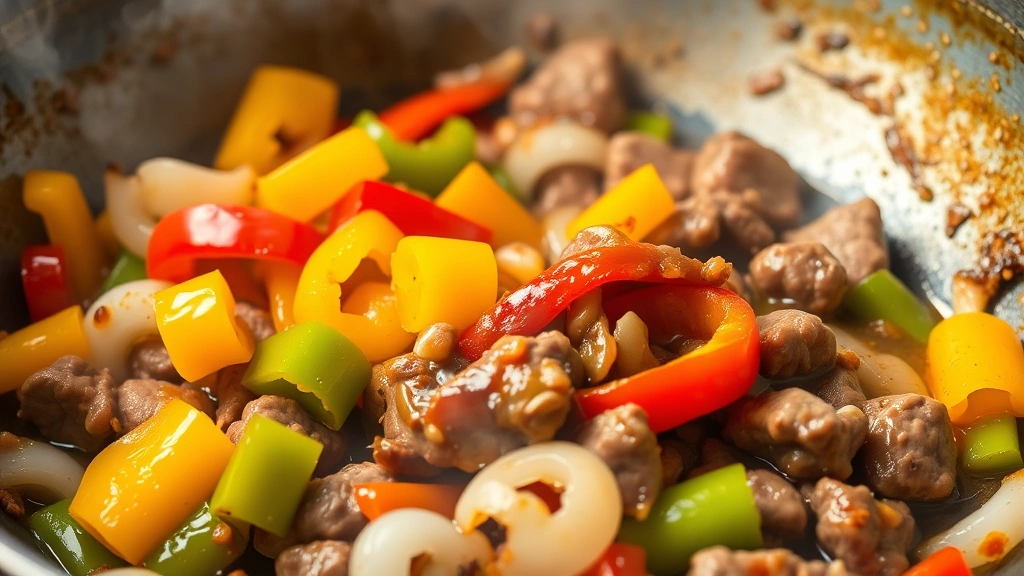
- 3 large bell peppers—a mix of red, yellow, and green for visual appeal
- 1 large onion—sliced into thick strips
- 4 cloves garlic—minced finely
- 3 tablespoons soy sauce—the backbone of your sauce
- 2 tablespoons oyster sauce—adds depth and umami
- 1 tablespoon cornstarch—for thickening the sauce
- 1 cup beef broth—creates the cooking liquid
- 2 tablespoons vegetable oil—for high-heat cooking
- 1 teaspoon ginger—freshly grated if possible
- Salt and black pepper—to taste
- 1 teaspoon sesame oil—for finishing touch
Having all ingredients prepped and measured before you start cooking is essential. This technique, known as mise en place, ensures smooth cooking and prevents ingredients from overcooking while you’re preparing others.
Preparation Steps: Setting Up for Success
Proper preparation determines how quickly and smoothly your cooking process flows. Start by removing your beef from the refrigerator 15 minutes before cooking—this allows it to reach room temperature, ensuring even cooking throughout. While the meat rests, prepare your vegetables.
Slice your bell peppers into thick strips, about ¾ inch wide. Remove the seeds and white membrane completely, as these can be bitter. For the onion, cut it into chunks similar in size to your pepper pieces—this ensures everything cooks at the same rate. Mince your garlic finely and grate your ginger using a microplane for the finest texture.
When slicing your beef, this is crucial: cut against the grain. This breaks down the muscle fibers, resulting in more tender meat. If you’re using flank steak, look for the lines running through the meat and slice perpendicular to them. Aim for slices about ¼ inch thick. Pat your beef dry with paper towels—this removes surface moisture that would prevent proper browning.
In a small bowl, whisk together your soy sauce, oyster sauce, beef broth, and cornstarch. The cornstarch will settle, so give it a quick stir right before adding to your pan. This sauce mixture is what transforms your ingredients into that signature glossy pepper steak that makes this recipe for pepper steak so special.
Cooking Method: The Step-by-Step Process
Heat your large skillet or wok over high heat until it’s smoking slightly—about 2 minutes. This high temperature is essential for achieving that perfect sear on your beef. Add 1 tablespoon of vegetable oil and let it shimmer.
Working in batches to avoid overcrowding your pan, add your beef slices in a single layer. Let them sit undisturbed for 2-3 minutes, allowing them to develop a golden-brown crust. Flip and cook for another 2 minutes. You’re not trying to cook the beef completely through—it will finish cooking when combined with the vegetables and sauce. Transfer your cooked beef to a clean plate.
Add your remaining tablespoon of oil to the pan. Add your onions and peppers, cooking for 4-5 minutes while stirring occasionally. You want the vegetables to have some color but still maintain a slight crunch. This is important because overcooked peppers become mushy and lose their bright flavor.
Add your minced garlic and grated ginger, stirring constantly for about 30 seconds until fragrant. This quick cooking prevents garlic from burning, which would create a bitter taste. Pour in your sauce mixture, stirring continuously to prevent lumps from forming. The sauce should thicken within 1-2 minutes as the cornstarch activates.
Return your beef to the pan, stirring gently to combine everything. Cook for an additional 2-3 minutes until the beef is heated through and the sauce coats all ingredients evenly. Finish with a drizzle of sesame oil and taste for seasoning, adjusting salt and pepper as needed.
Sauce Secrets: What Makes This Recipe for Pepper Steak Shine
The sauce is what elevates a simple stir-fry into a restaurant-quality dish. Understanding each component helps you master this recipe for pepper steak. Soy sauce provides saltiness and umami, while oyster sauce adds depth and subtle sweetness. Together, they create complexity that single-ingredient sauces cannot achieve.
The beef broth serves two purposes: it creates enough liquid for the cornstarch to thicken properly, and it adds beef flavor that complements the meat. Some cooks prefer using chicken broth for a lighter version, which works well if you’re serving this alongside homemade sauces that already contain rich flavors.
Cornstarch is your thickening agent, and timing matters. It activates when exposed to heat and liquid simultaneously. If your sauce seems too thin, mix an additional ½ teaspoon cornstarch with 1 tablespoon cold water and add it to the pan. If it’s too thick, add small amounts of broth until you reach your desired consistency.
The sesame oil finish is essential—it adds a toasted, nutty aroma that cannot be replicated. However, use it sparingly as it’s potent. Adding it at the end rather than during cooking preserves its delicate flavor.
Serving Suggestions: Completing the Meal
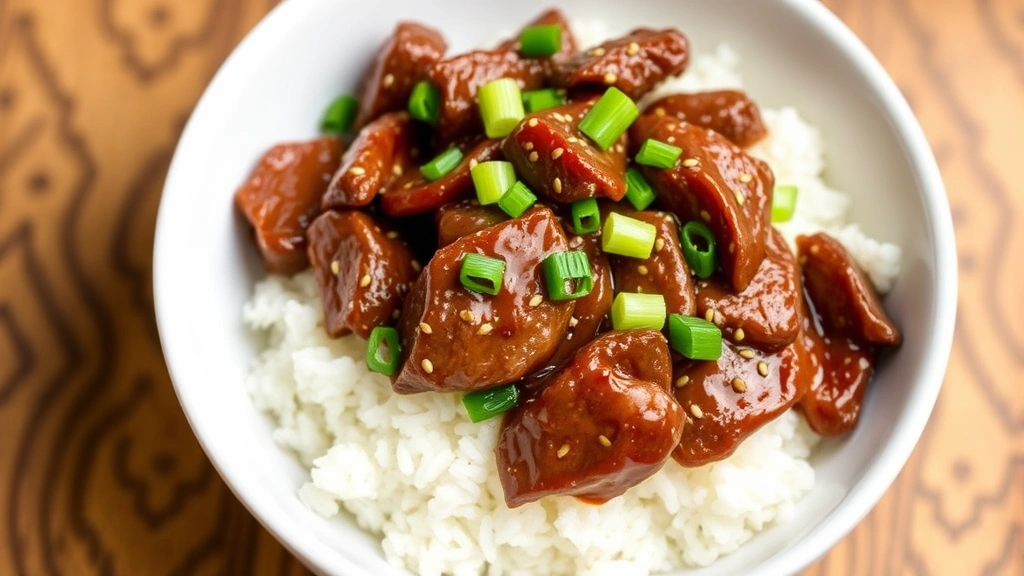
Pepper steak is traditionally served over steamed white rice, which absorbs the flavorful sauce beautifully. However, this recipe for pepper steak works equally well over brown rice, jasmine rice, or even cauliflower rice for a lower-carb option. Many families also enjoy it served over egg noodles or lo mein for an Asian-fusion twist.
Serve immediately while everything is hot and the peppers still have a slight firmness. Garnish with sliced green onions and sesame seeds for added visual appeal and subtle flavor. If you’re looking for complementary dishes, consider pairing this with bang bang shrimp as an appetizer or a light soup starter.
For a more substantial meal, add a side of steamed bok choy or sautéed broccoli. The vegetables provide textural contrast and nutritional balance to your pepper steak. Some families prefer serving this recipe for pepper steak family-style, allowing everyone to add their preferred amount of rice and sauce.
Recipe Variations: Making It Your Own
While the classic version is excellent, this recipe for pepper steak is incredibly adaptable. Experiment with different proteins by substituting beef with chicken breast, pork tenderloin, or shrimp. Each requires slightly different cooking times—chicken and pork need a bit longer than beef, while shrimp cooks very quickly.
For a seafood variation, try this recipe for pepper steak using sliced squid or scallops. These cook similarly to beef and absorb the sauce wonderfully. If you enjoy seafood, you might also explore imitation crab recipes or crab imperial recipe options for variety.
Vegetable substitutions are equally valid. Try using snap peas, mushrooms, baby corn, or broccoli in place of or alongside the peppers and onions. Water chestnuts add wonderful crunch, while carrots provide sweetness. The key is maintaining a mix of textures and colors.
For those seeking high protein slow cooker recipes, you can adapt this dish by browning the beef and vegetables first, then transferring everything to a slow cooker on low for 4-6 hours. However, this method requires reducing your broth to prevent the dish from becoming watery.
Spice lovers can add red pepper flakes, sriracha, or fresh chili peppers to increase heat. Start with ¼ teaspoon red pepper flakes and adjust upward based on your preference. Some cooks add a tablespoon of rice vinegar for brightness and acidity that balances the rich sauce.
Storage and Reheating: Making Leftovers Work
This recipe for pepper steak keeps well in the refrigerator for up to three days in an airtight container. The flavors actually deepen overnight as the sauce continues to penetrate the ingredients. To reheat, place the mixture in a skillet over medium heat, stirring occasionally until warmed through—about 5-7 minutes. Add a splash of broth if the sauce has thickened too much during storage.
For freezing, allow the dish to cool completely before transferring to freezer containers, leaving about ½ inch headspace for expansion. This recipe for pepper steak freezes well for up to two months. Thaw overnight in the refrigerator before reheating, or reheat directly from frozen in a skillet over medium-low heat, covered, for about 15 minutes.
Microwave reheating is possible but less ideal as it can make the peppers lose their texture. If using a microwave, heat in 1-minute intervals at 50% power, stirring between intervals to ensure even warming.
FAQ
What cut of beef is best for this pepper steak recipe?
Sirloin and flank steak are ideal choices. Sirloin offers tenderness and good marbling, while flank steak is leaner and more economical. Both should be sliced thin against the grain. Avoid using overly tender cuts like tenderloin, as they’re expensive and unnecessary for this cooking method. Round steak works but can be tougher—compensate by slicing even thinner.
Can I make this recipe for pepper steak ahead of time?
You can prep all ingredients several hours in advance, storing them separately in airtight containers. However, cook the dish just before serving for the best texture, especially for the peppers. If you must make it ahead, slightly undercook the peppers and reheat gently to prevent mushiness.
Why is my sauce not thickening?
Ensure your liquid is hot enough when you add the cornstarch mixture. Cold or lukewarm liquid won’t activate the cornstarch. Also, verify you’re using cornstarch, not flour, as flour requires longer cooking to thicken properly. If your sauce is still thin, make a slurry with additional cornstarch and water, then add it slowly while stirring.
How do I prevent my beef from being tough?
Slice against the grain, don’t overcook it (it should still be slightly pink inside when you remove it from the pan initially), and let it rest briefly before serving. Tough beef usually results from overcooking or slicing incorrectly. Practice identifying the grain direction by looking at the muscle fibers.
Can I use frozen peppers for this recipe for pepper steak?
Fresh peppers are preferred for texture and flavor, but frozen peppers work in a pinch. Thaw them completely and pat dry to remove excess moisture. They’ll be softer than fresh peppers, so reduce the cooking time slightly. The flavor will be slightly muted compared to fresh peppers.
What’s the best rice to serve with this dish?
Long-grain white rice is traditional and absorbs sauce beautifully. Jasmine rice adds aromatic notes, while basmati rice offers a lighter texture. Brown rice provides more nutrition and nutty flavor. For lower-carb options, cauliflower rice works well, though it doesn’t absorb sauce the same way.
Is this recipe for pepper steak gluten-free?
Traditional soy sauce contains wheat, making standard recipes non-gluten-free. Substitute with tamari or gluten-free soy sauce to make this dish safe for those with gluten sensitivities. Cornstarch is naturally gluten-free, so your sauce will remain compliant with gluten-free requirements.


