
Smoked Queso Recipe: BBQ Expert’s Guide to Creamy, Smoky Perfection
There’s nothing quite like a bubbling bowl of smoked queso dip at a backyard barbecue. This creamy, smoky cheese dip has become a staple at gatherings, and once you master the technique, you’ll understand why pitmasters everywhere swear by it. Smoking cheese might seem intimidating at first, but with the right approach and quality ingredients, you’ll create a restaurant-quality appetizer that keeps guests coming back for more.
The magic of smoked queso lies in the interplay between melted cheese, smoky flavor, and complementary ingredients like jalapeños, chorizo, and cream. Unlike traditional queso dips made indoors, smoking adds a depth of flavor that elevates this classic appetizer into something truly special. Whether you’re hosting a casual cookout or impressing friends at a tailgate, this smoked queso recipe delivers consistent, impressive results every time.

What You Need to Know About Smoking Queso
Smoking queso differs fundamentally from smoking traditional meats because cheese requires careful temperature control and indirect heat. The goal is to infuse smoke flavor without actually cooking the cheese at high temperatures, which would cause it to break down and become oily. Understanding this balance is crucial for success.
The smoking process works best when you keep temperatures between 225°F and 275°F. At these temperatures, the cheese softens and becomes creamy while absorbing smoke without separating. This is different from how you’d approach grilling steak perfectly, where higher heat is your friend. With smoked queso, low and slow is absolutely essential.
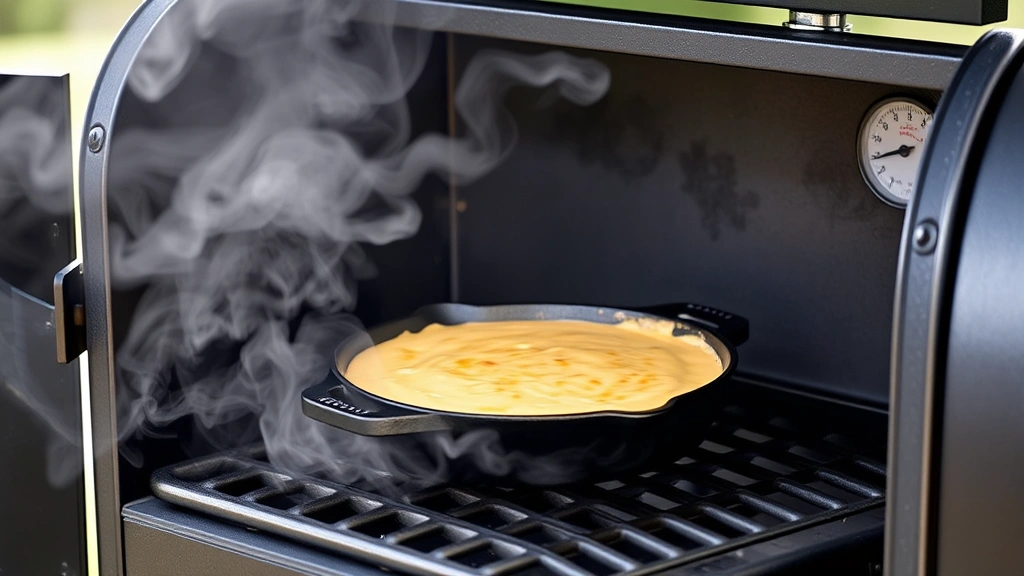
Most successful smoked queso recipes use a cast-iron skillet or aluminum pan as the vessel. This allows the cheese to heat evenly and makes serving convenient directly from the smoking chamber. The cheese will begin softening around the edges after 30-40 minutes, and you’ll achieve that perfect creamy consistency around the 60-90 minute mark, depending on the thickness of your cheese block and ambient temperature.
One critical tip: choose quality cheese. Cheap, pre-shredded varieties contain anti-caking agents that prevent proper melting. You want whole milk Oaxaca cheese, mozzarella, or asadero cheese as your base—these melt smoothly and develop excellent smoke flavor. Many pitmasters combine multiple cheese types for complex flavor profiles and better melting characteristics.
Essential Ingredients for Perfect Smoked Queso
Building the foundation of great smoked queso starts with understanding each ingredient’s role. Here’s what goes into competition-quality smoked queso:
- Cheese base (1.5-2 lbs): Oaxaca, mozzarella, or asadero cheese. This is your primary ingredient and shouldn’t be compromised on quality.
- Chorizo (8 oz): Mexican-style chorizo adds richness and smoky depth. Cook it separately before adding to prevent grease buildup.
- Jalapeños (3-4): Fresh jalapeños provide heat and brightness that cuts through the richness of the cheese.
- Heavy cream (½ cup): Creates a silkier texture and prevents the cheese from becoming too thick as it smokes.
- Roasted red peppers (¼ cup): Adds sweet, smoky undertones that complement the smoking process.
- Garlic (4-5 cloves): Minced garlic provides aromatic depth without overpowering the smoke flavor.
- Cumin (1 teaspoon): This spice is traditional in queso and enhances the overall complexity.
- Salt and black pepper to taste.
The beauty of smoked queso is that you can adjust these ingredients based on what you have available or personal preferences. Some pitmasters add cream cheese for extra richness, while others incorporate crispy bacon for additional smokiness. The key is maintaining proper cheese-to-liquid ratios so your dip stays creamy without becoming soupy.
Equipment and Smoking Setup
Your smoker type matters less than temperature control when making smoked queso. Whether you use an offset firebox, vertical barrel smoker, or even a pellet smoker, the principles remain the same. However, you’ll need specific equipment beyond your basic smoker:
- Cast-iron skillet or disposable aluminum pan: This holds your cheese mixture during smoking. Cast iron retains heat better and distributes it more evenly, making it the preferred choice for serious results.
- Meat thermometer: An accurate probe thermometer is essential for monitoring both smoker temperature and cheese temperature.
- Heat deflector or water pan: This prevents direct heat from hitting your cheese, creating the indirect heat environment necessary for proper melting.
- Smoke source: Wood chips or pellets are crucial. Oak, hickory, and mesquite work beautifully with cheese, though mesquite should be used sparingly as it can overpower.
- Small brush or spoon: For stirring and combining ingredients as they smoke.
Setting up your smoker properly is where many home cooks falter. Position your cheese pan on the grate farthest from your heat source, ideally using a heat deflector between the cheese and fire. If smoking in a pellet smoker, you can use the smoke-setting feature to generate more smoke without excessive heat. The goal is creating an environment where the cheese absorbs smoke while remaining below its breaking point temperature.
Step-by-Step Smoking Instructions
Preparation Phase (15 minutes before smoking): Start by cooking your chorizo in a cast-iron skillet over medium heat, breaking it into small pieces as it cooks. This usually takes 8-10 minutes. Remove it with a slotted spoon, leaving the rendered fat for additional flavor. Dice your jalapeños, mince your garlic, and prep all other ingredients. This mise en place approach ensures smooth execution once smoking begins.
Assembling Your Smoked Queso: Cut your cheese into 1-inch cubes and layer them in your smoking pan. Add the cooked chorizo, jalapeños, garlic, and roasted red peppers evenly throughout. Pour the heavy cream over everything, then sprinkle with cumin, salt, and pepper. Stir gently to combine, but don’t overmix—you want distinct ingredients visible in the final product.
Smoker Preparation: Get your smoker to a stable 250°F before introducing the cheese. This usually takes 20-30 minutes depending on your equipment. Use wood that complements cheese well. Oak provides a subtle, clean smoke that won’t overpower the queso. If you prefer stronger smoke flavor, use hickory. Avoid pure charcoal setups if possible, as they’re harder to control at low temperatures—a blend of charcoal and wood works better.
The Smoking Process: Place your cheese pan on the smoker grate, away from direct heat. Insert your meat thermometer into the cheese mixture at an angle so you can monitor the internal temperature without opening the smoker constantly. Close the lid and resist the urge to peek frequently—every time you open the smoker, you release heat and smoke.
At the 30-minute mark, you should notice the cheese beginning to soften around the edges. At 45 minutes, check the temperature; it should be around 160-170°F. At this point, give everything a gentle stir with a spoon, combining the melted edges with the firmer center. This helps create an even, creamy texture.
Continue smoking until the cheese reaches 180-190°F internally, which typically takes 60-90 minutes total depending on the thickness of your cheese block and ambient temperature. The cheese should be completely smooth and creamy when ready, with no firm chunks remaining. If you’re using chipotle chicken recipe techniques, you understand how important temperature precision is in smoking—the same applies here.
Final Touch: Once your smoked queso reaches perfect consistency, you can add a handful of fresh cilantro and a squeeze of lime juice if desired. Some pitmasters add crispy tortilla strips or a sprinkle of cotija cheese just before serving. Keep the pan in the smoker at 180°F to maintain that perfect serving temperature throughout your event.
Flavor Variations and Upgrades
The basic smoked queso recipe provides an excellent foundation, but experienced BBQ cooks love experimenting with variations. Here are proven upgrades that elevate your smoked queso beyond standard recipes:
Protein Additions: Beyond chorizo, consider adding crispy bacon bits, smoked brisket, or even thin sliced chicken breast recipes techniques to create smoked chicken pieces. These additions should be fully cooked before adding to the cheese to prevent food safety issues and excess moisture.
Spice Profiles: If you enjoy heat, add diced habaneros or ghost pepper powder for extreme spice. For milder palates, use roasted poblanos instead of jalapeños. You can also incorporate Greek seasoning recipe elements like oregano and lemon zest for Mediterranean-inspired variations.
Cheese Blends: Mix Oaxaca with smoked gouda for deeper smokiness, or combine mozzarella with sharp cheddar for complexity. Cream cheese (4-6 oz) creates extra richness without affecting smoke absorption. Some competition pitmasters use a blend of three cheeses for layered flavor development.
Vegetable Enhancements: Caramelized onions add sweetness and depth. Corn kernels provide sweetness and texture contrast. Roasted garlic (not raw) develops a milder, sweeter flavor that complements smoke beautifully. Even sun-dried tomatoes can work if you’re experimenting with Italian-influenced versions.
Finishing Oils: A drizzle of truffle oil, chili oil, or herb-infused olive oil added right before serving creates restaurant-quality presentation. However, add these after smoking, not during, as oils can interfere with smoke absorption.
Serving and Storage Tips
Proper serving ensures your smoked queso stays at the perfect temperature and consistency throughout your event. Serve directly from a cast-iron skillet set on a warming tray or trivet to maintain heat. Keep the temperature around 180°F—higher and the cheese becomes oily, lower and it starts solidifying.
Pair your smoked queso with warm flour tortillas, crispy tortilla chips, jalapeño cornbread, or even grilled vegetables. Some creative pitmasters use it as a topping for lemon pepper wings recipe variations, creating smoked queso-covered wings that guests absolutely love.
Storage Instructions: Leftover smoked queso keeps in an airtight container in the refrigerator for up to 4 days. Reheat gently on the stovetop over low heat, stirring frequently and adding a splash of cream if needed to restore creaminess. Reheating in the smoker is possible but unnecessary for leftovers.
For make-ahead convenience, prepare your queso mixture (all ingredients except smoking) up to 8 hours in advance. Store in the refrigerator, then bring to room temperature 30 minutes before smoking. This actually helps with even smoking and melting.
If you’re smoking for a crowd, consider making two batches. Smoke the first batch 90 minutes, then move it to a warming tray while smoking the second batch. This ensures you always have hot, fresh queso available and prevents the dip from sitting at unsafe temperatures for extended periods.
FAQ
What temperature should smoked queso reach?
Aim for an internal temperature of 180-190°F. This ensures the cheese is completely melted and creamy while remaining below temperatures that cause separation or oil breakdown. Use a reliable meat thermometer inserted into the center of the cheese mixture.
Can I use pre-shredded cheese for smoked queso?
It’s not recommended. Pre-shredded cheese contains anti-caking agents that prevent smooth melting and result in a grainy, separated texture. Whole blocks of fresh cheese (Oaxaca, mozzarella, or asadero) are essential for professional results.
How long does smoking queso take?
Plan for 60-90 minutes of smoking time, plus 20-30 minutes for smoker preparation. Total time from start to service is typically 90-120 minutes. Thicker cheese blocks require longer smoking times than thin layers.
What’s the best wood for smoking queso?
Oak and hickory are ideal choices. Oak provides subtle smoke flavor that doesn’t overpower cheese, while hickory offers more pronounced smokiness. Avoid strong woods like pure mesquite unless you’re experienced—cheese absorbs smoke flavors intensely, and overpowering smoke ruins the dip.
Can I make smoked queso in a pellet smoker?
Yes, absolutely. Pellet smokers are actually excellent for smoked queso because they maintain consistent low temperatures easily. Use the smoke-setting feature if available to generate more smoke without excessive heat. Monitor temperature carefully as pellet smokers can sometimes run hotter than traditional offset smokers.
What should I serve with smoked queso?
Warm flour tortillas, crispy tortilla chips, jalapeño cornbread, and grilled vegetables all pair beautifully. Some creative options include using it as a topping for smoked meats or serving it alongside BBQ sides like baked beans and coleslaw.
Can I make smoked queso ahead of time?
Prepare the unsmoked mixture up to 8 hours ahead and refrigerate. Bring to room temperature before smoking for best results. Cooked smoked queso keeps refrigerated for 4 days and reheats well on the stovetop over low heat with a splash of cream to restore consistency.
Why is my smoked queso separating or getting oily?
This typically happens when temperatures exceed 200°F or when smoking too long. Cheese separates when overheated. Keep your smoker at 250°F or below, and remove queso once it reaches 190°F internal temperature. If separation occurs, add a splash of heavy cream and stir gently to emulsify.


