
Fluffy Sourdough Cinnamon Rolls? Tried & True Recipe
There’s something magical about sourdough cinnamon rolls that transcends ordinary pastries. The tangy depth of sourdough combined with warm cinnamon and sweet brown sugar creates a flavor profile that keeps people coming back for more. Unlike conventional cinnamon rolls made with commercial yeast, sourdough versions develop a complex taste through natural fermentation, resulting in rolls that are simultaneously tender, fluffy, and distinctly flavorful.
This tried-and-true recipe has been perfected through countless batches, testing different fermentation times, hydration levels, and rolling techniques. Whether you’re a sourdough enthusiast looking to expand your repertoire or a cinnamon roll lover seeking a more sophisticated approach, these fluffy sourdough cinnamon rolls deliver exceptional results every single time.
Why Sourdough Cinnamon Rolls Stand Out
Sourdough cinnamon rolls offer distinct advantages over their commercial yeast counterparts. The natural fermentation process breaks down gluten and develops organic acids that enhance digestibility while creating that sought-after tangy flavor. This extended fermentation also produces a naturally fluffier crumb structure, as the wild yeast and bacteria generate gas more gradually and consistently than commercial yeast.
The flavor complexity cannot be overstated. Your sourdough starter brings its own unique character to these rolls—whether your starter is young and mildly sour or mature and intensely tangy, it will create a personalized version that reflects your baking environment and feeding schedule. When combined with cinnamon and brown sugar filling, this creates a sophisticated dessert that tastes artisanal and homemade in the best possible way.
Additionally, sourdough’s natural acids help preserve moisture in the finished rolls, meaning they stay soft and fresh longer than conventional cinnamon rolls. Many bakers find that sourdough cinnamon rolls actually taste better on day two, as flavors continue to develop and the crumb structure sets perfectly.
Essential Ingredients and Substitutions
Creating fluffy sourdough cinnamon rolls requires quality ingredients and precise measurements. Here’s what you’ll need for a batch of twelve generous rolls:
- Active sourdough starter: 150 grams (fed 4-8 hours prior, at peak rise)
- Bread flour: 500 grams (high protein content ensures structure)
- Whole milk: 200 milliliters (warmed to 75-80°F)
- Unsalted butter: 50 grams (softened, plus extra for pan)
- Granulated sugar: 30 grams
- Sea salt: 10 grams
- Vanilla extract: 5 milliliters (optional but recommended)
For the filling:
- Unsalted butter: 75 grams (softened)
- Brown sugar: 150 grams (packed)
- Ground cinnamon: 12 grams (approximately 3 tablespoons)
- Pinch of sea salt
For finishing:
- Egg: 1 large (for egg wash)
- Water: 15 milliliters
Ingredient substitutions: If you prefer enriched dough variations, substitute 100 grams of whole milk with coconut milk or oat milk for a subtle flavor shift. All-purpose flour works, though bread flour produces superior rise and fluffiness. For dairy-free versions, use vegan butter and plant-based milk while maintaining the same proportions.
The Complete Step-by-Step Process
Success with sourdough cinnamon rolls depends on understanding each phase of dough development. This recipe uses a long, cool fermentation approach that maximizes flavor development while maintaining manageable dough handling.
Step 1: Mixing Your Dough
Combine your active sourdough starter, warmed milk, and bread flour in a large mixing bowl. Mix until all flour is hydrated and you have a shaggy mass—no dry flour should remain. Let this mixture rest for 30 minutes (autolyse phase). This resting period allows flour to fully absorb water and begins gluten development naturally.
After the rest, add softened butter, sugar, salt, and vanilla extract. Using a stand mixer with the dough hook attachment, mix on medium speed for 8-10 minutes until the dough becomes smooth, elastic, and slightly tacky. The dough should pass the windowpane test—stretch a small piece gently and it should form a thin, translucent membrane without tearing.
Step 2: First Bulk Fermentation
Transfer your dough to a lightly oiled bowl and perform a series of stretch-and-folds during the first 2 hours. Every 30 minutes, grab one side of the dough, stretch it upward, and fold it over itself. Rotate the bowl and repeat from all four sides. This technique builds strength without aggressive kneading.
After completing 4 sets of stretch-and-folds, allow the dough to rest undisturbed for 2-3 hours at room temperature (68-72°F is ideal). The dough should increase by approximately 50-75% in volume. If your kitchen is cooler, extend this time accordingly.
Perfecting Your Dough Technique
The texture and rise of your cinnamon rolls depend significantly on proper dough handling. Temperature control is perhaps the most critical factor. Sourdough fermentation moves much slower than commercial yeast, so maintaining consistent warmth helps develop structure without over-fermenting.
Many bakers find success using the cold overnight fermentation method. After your bulk fermentation, shape your rolls and place them in a buttered 9×13-inch baking pan. Cover loosely with plastic wrap and refrigerate for 8-16 hours. This cold fermentation accomplishes several things simultaneously: it slows yeast activity (preventing over-rise), develops flavor complexity, and makes the shaped dough easier to handle and score if desired.
When working with sourdough dough, avoid overworking the gluten network. Gentle handling preserves the open crumb structure that makes these rolls so wonderfully fluffy. If your dough becomes sticky during shaping, lightly dust with flour rather than aggressively kneading in additional flour, which can create dense spots.
The hydration level of your dough affects texture significantly. At 75% hydration (as calculated in this recipe), the dough is moderately wet and produces tender rolls with excellent moisture retention. If you find the dough too sticky to handle, reduce milk by 10-20 milliliters and adjust as needed.
Rolling and Shaping Mastery
Shaping represents a critical juncture where technique directly impacts your final result. Properly shaped rolls rise evenly and bake with beautiful, defined spirals.
Pre-shaping preparation: After bulk fermentation, turn your dough onto a lightly floured surface and gently shape into a rough rectangle. Let it rest for 15 minutes—this resting period allows the dough to relax and makes stretching easier.
Creating the filling: Mix your softened butter, packed brown sugar, ground cinnamon, and salt in a small bowl until completely combined. The mixture should have a spreadable, paste-like consistency. If it seems too stiff, let the butter soften further at room temperature.
Rolling technique: Using your hands or a rolling pin, gently stretch your dough into a rectangle approximately 16×12 inches. The thickness should be even throughout—aim for about ¼-inch thickness. Spread your cinnamon-sugar filling evenly across the dough, leaving a ½-inch border on all sides.
Starting from the longer side, roll the dough tightly toward you, creating a long log. Use your hands to gently pull and stretch as you roll, maintaining even tension. Once rolled, use a sharp knife or dental floss to cut the log into 12 equal pieces (approximately 1.5 inches each). For the cleanest cuts, wipe your knife between cuts.
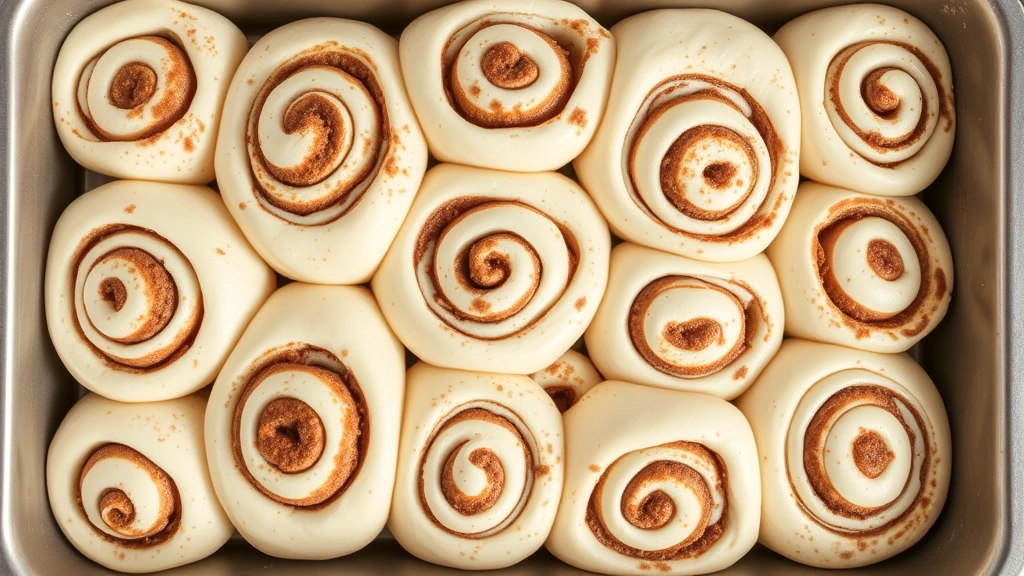
Arrange your rolls cut-side up in a buttered 9×13-inch baking pan, spacing them with about ½-inch between each roll. This spacing allows them to rise and expand without touching during fermentation, then slightly compress during baking, creating the characteristic fluffy texture.
Fermentation Timing and Temperature
The final fermentation phase determines your rolls’ rise, texture, and flavor. You have two excellent options depending on your schedule:
Room Temperature Rise (4-6 hours): Cover your pan loosely with plastic wrap and let the shaped rolls rise at room temperature (68-72°F). They should increase by approximately 50-75% in volume. Perform the poke test—gently press a floured finger into a roll. If the indent springs back slowly, they’re ready to bake. If it springs back quickly, they need more time. If it doesn’t spring back at all, they’ve likely over-risen.
Cold Overnight Fermentation (8-16 hours): This method is preferred by many because it develops superior flavor and makes rolls easier to handle. After shaping, cover your pan and refrigerate immediately. The cold slows yeast activity while wild bacteria continue developing organic acids. The next morning, remove from the refrigerator and let the rolls come to room temperature for 1-2 hours before baking. This gradual warming allows them to rise slightly without over-fermenting.
If using the overnight method, your rolls may not rise dramatically—this is normal and desirable. They’ll expand significantly during baking as residual yeast activity accelerates with heat.
Baking and Finishing Touches
Baking temperature and time are crucial for achieving that perfect balance of fluffy interior and lightly golden exterior.
Preparation for baking: Preheat your oven to 375°F (190°C) for 30 minutes before baking. This ensures even heat distribution. While the oven preheats, prepare your egg wash by whisking 1 large egg with 15 milliliters of water until fully combined and slightly frothy.
Brush the egg wash gently over each roll, ensuring even coverage. This creates a beautiful golden-brown finish and helps any cinnamon sugar topping adhere. If you prefer a more rustic appearance, skip the egg wash entirely—the rolls will still bake beautifully.
Baking process: Place your pan in the preheated oven on the middle rack. Bake for 20-25 minutes until the rolls are golden brown and a thermometer inserted into the center of a roll reads 190-200°F (88-93°C). The internal temperature indicates that the dough is fully baked through while remaining tender.
Watch carefully during the final 5 minutes—sourdough can brown quickly once it reaches a certain temperature. If the tops are browning too fast, loosely tent with foil for the remainder of baking.
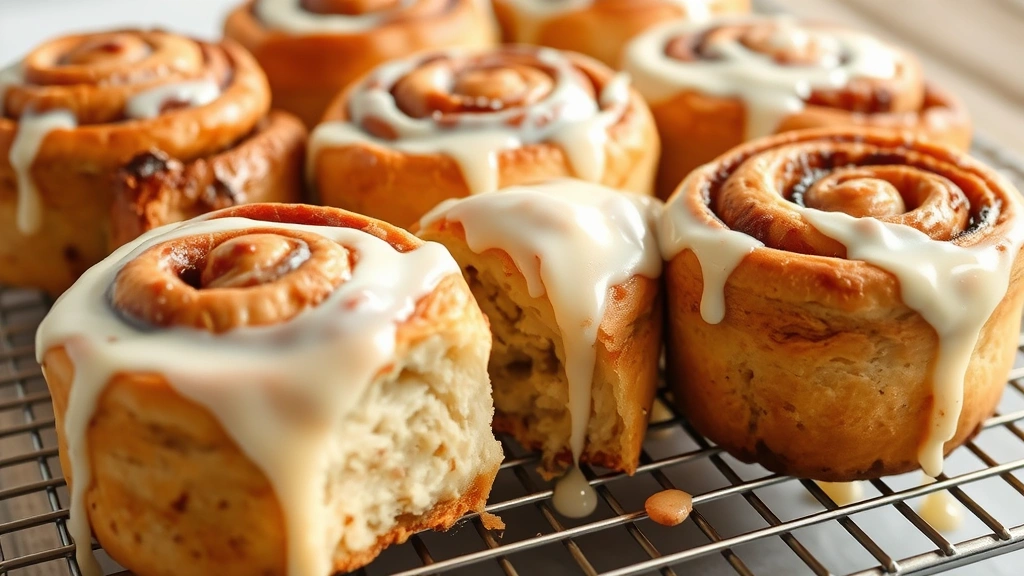
Cooling and serving: Remove the pan from the oven and let the rolls rest for 5-10 minutes. This allows the internal crumb to set while remaining warm and tender. Frost while still warm so the frosting melts slightly into the rolls.
Cream Cheese Frosting Recipe
The perfect complement to fluffy sourdough cinnamon rolls is a tangy cream cheese frosting that balances sweetness with slight tartness.
Ingredients:
- Cream cheese: 200 grams (softened to room temperature)
- Unsalted butter: 50 grams (softened)
- Powdered sugar: 200 grams (sifted)
- Vanilla extract: 5 milliliters
- Pinch of sea salt
Instructions: Using a stand mixer or hand mixer, beat softened cream cheese and butter together on medium speed for 2-3 minutes until light and fluffy. Gradually add sifted powdered sugar while mixing on low speed to prevent sugar clouds. Add vanilla extract and salt, then increase speed to medium and beat for another minute until the frosting reaches a spreadable consistency.
For thicker frosting that holds peaks, use less milk. For a pourable consistency, add 15-30 milliliters of whole milk or heavy cream. Apply frosting to warm rolls immediately after removing from the oven—the warmth helps it melt slightly and distribute beautifully across the surface.
Make-ahead tip: Prepare frosting up to 2 days in advance and store in an airtight container in the refrigerator. Let it come to room temperature and re-mix briefly before using.
FAQ
Can I use a younger sourdough starter for this recipe?
Yes, but timing may vary. Younger starters (less than 2 weeks old) may ferment more slowly, requiring extended bulk fermentation times. Ensure your starter is active and doubling in size within 4-8 hours of feeding before using it in this recipe. If your starter is very young, consider using 175 grams instead of 150 grams to compensate for lower leavening power.
What if my rolls don’t rise enough?
Several factors can cause insufficient rise. Check that your sourdough starter was genuinely active and at peak rise when incorporated. Verify that your kitchen temperature is warm enough (65°F minimum, 72°F ideal). Cold kitchens require significantly longer fermentation. Additionally, ensure you’re using bread flour rather than all-purpose flour, as the higher protein content supports better rise.
Can I freeze sourdough cinnamon rolls?
Absolutely. After shaping, freeze rolls in a covered pan for up to 3 months. When ready to bake, remove from the freezer and allow to thaw and rise at room temperature for 4-6 hours, or overnight in the refrigerator. Bake according to standard instructions.
How do I store baked rolls?
Store unfrosted rolls in an airtight container at room temperature for 2 days. For longer storage, refrigerate for up to 5 days. Reheat gently in a 300°F oven for 10-15 minutes. Frosted rolls are best consumed within 2 days, though they maintain quality for up to 4 days when refrigerated.
Can I make this recipe with whole wheat flour?
Partial substitution works well. Replace up to 150 grams of bread flour with whole wheat flour while maintaining the same total flour weight. Whole wheat absorbs more water, so you may need to add an extra 15-20 milliliters of milk. The rolls will be denser but still delicious with enhanced nutty flavor.
What’s the difference between this and seasonal cinnamon roll variations?
This foundational sourdough recipe can be adapted seasonally. During fall, add nutmeg or cardamom to your filling. In winter, incorporate candied orange peel. Spring variations might include lemon zest. Summer rolls could feature maple syrup instead of brown sugar. The sourdough base remains consistent while filling flavors shift with the season.
How do I prevent my rolls from becoming dry?
Sourdough’s natural acids help retain moisture, but several techniques enhance this further. Avoid overbaking—remove rolls when they reach 190°F internal temperature, not higher. Brush warm rolls with melted butter before frosting. Store in airtight containers rather than exposed to air. The overnight cold fermentation method also produces naturally moister rolls than room-temperature fermentation.
Can I make mini or large rolls instead of standard size?
Absolutely. Divide your dough into 18-20 pieces for mini rolls (reduce baking time to 12-15 minutes) or 8 pieces for oversized rolls (increase baking time to 28-32 minutes). Adjust fermentation time accordingly—smaller rolls ferment faster, larger rolls require extended time. Monitor using the poke test rather than relying solely on time.
What makes sourdough cinnamon rolls different from traditional desserts?
Sourdough fermentation creates complex flavor notes through natural acid development that commercial yeast cannot replicate. The extended fermentation also improves digestibility and creates superior moisture retention. Additionally, the tangy sourdough flavor provides sophistication that complements rather than competes with cinnamon spicing.
How does this compare to other enriched dough recipes?
While enriched doughs like brioche or egg-washed rolls use commercial yeast, sourdough offers distinct advantages: naturally developed flavor, improved digestibility through fermentation, and extended freshness. Sourdough cinnamon rolls taste better on day two, whereas commercial yeast versions often dry out quickly.
Can I use instant yeast as a backup if my starter isn’t ready?
While not ideal, you can substitute 7 grams of instant yeast for the sourdough starter if necessary. However, you’ll lose the distinctive tangy flavor and complexity that makes this recipe special. If using commercial yeast, reduce fermentation time significantly (bulk fermentation 1.5-2 hours, final rise 2-3 hours) and use the poke test to determine readiness.


