Stove Top Stuffing: Family Favorite Recipe That Never Disappoints
Stove top stuffing is the ultimate comfort food side dish that brings families together at the dinner table. Whether you’re preparing a holiday feast or a simple weeknight meal, this classic recipe delivers warmth, flavor, and nostalgia in every bite. The beauty of stove top stuffing lies in its simplicity—just a few quality ingredients and basic cooking techniques transform humble bread cubes into a dish that steals the show.
This beloved side dish has earned its place on American tables for generations. From Thanksgiving dinners to casual family suppers, stove top stuffing pairs beautifully with roasted chicken, turkey, pork, and beef. The savory bread mixture, infused with aromatic vegetables and herbs, creates a texture that’s simultaneously crispy on top and moist throughout. If you’re looking to elevate your dinner game, mastering this recipe is essential.
What makes stove top stuffing so special is its versatility. You can customize it with your favorite vegetables, proteins, and seasonings. Some families prefer a traditional version with celery and sage, while others experiment with mushrooms, sausage, or dried cranberries. The foundation remains the same: quality bread, flavorful broth, and careful attention to moisture balance.
What Is Stove Top Stuffing?
Stove top stuffing, also known as dressing, is a bread-based side dish made by combining cubed bread with broth, vegetables, and seasonings. The term “stove top” refers to the cooking method—preparing the dish on your stovetop rather than baking it in the oven, though many recipes finish with a brief bake for added texture.
The fundamental difference between stove top stuffing and baked versions is the cooking process and resulting texture. Stove top preparations typically yield a more moist, cohesive stuffing with a slightly softer crumb structure throughout. The direct heat from the stovetop allows the bread to absorb flavors more efficiently while maintaining moisture from the broth.
This dish has deep roots in American cuisine, originating from traditional bread-based recipes that stretched limited ingredients during early colonial times. Today, it remains a staple at holiday tables and family dinners. The food science approach to cooking reveals why this combination works so well—the bread provides structure, the broth adds moisture and flavor, and the vegetables contribute both taste and texture variation.
Understanding the basic components helps you appreciate why stove top stuffing works so well as a complement to other dishes. The neutral bread base absorbs surrounding flavors, making it the perfect vehicle for herbs, spices, and savory broths. Whether served alongside chicken noodle casserole or roasted meats, stove top stuffing enhances the entire meal.
Essential Ingredients for Perfect Results
Creating outstanding stove top stuffing begins with selecting quality ingredients. Each component plays a crucial role in developing the final flavor and texture profile.
Bread: The foundation of any stuffing recipe is bread. Choose a day-old or slightly stale loaf—either white, wheat, or a combination works beautifully. Stale bread absorbs broth more effectively than fresh bread, preventing a mushy final product. Cut the bread into half-inch cubes and allow them to dry further if using very fresh bread. Roughly 8 cups of cubed bread serves as the standard base for a family-sized batch.
Broth: Quality broth transforms simple bread cubes into flavorful stuffing. Chicken broth is the classic choice, though vegetable or beef broth works depending on your protein pairing. Use 3 to 4 cups of broth, adjusting based on your preferred moisture level. Homemade broth provides superior flavor compared to store-bought versions, but quality commercial broth delivers excellent results when homemade isn’t available.
Aromatics: Celery and onion form the aromatic base, providing depth and savory notes. Dice one large onion and three celery stalks into small pieces. These vegetables soften during cooking, distributing their flavors throughout the stuffing. Some cooks include minced garlic for additional complexity.
Butter: Use 4 to 6 tablespoons of unsalted butter for sautéing vegetables and enriching the final dish. Butter carries fat-soluble flavors and creates richness that elevates the entire recipe.
Herbs and Seasonings: Dried sage is the signature herb in traditional stove top stuffing, contributing an earthy, slightly peppery flavor. Combine 1 to 2 teaspoons of dried sage with thyme, marjoram, and black pepper. Fresh herbs can replace dried varieties—use triple the amount for equivalent flavor. Salt should be added gradually, tasting as you go, since broths vary in sodium content.
Optional Additions: Customize your stuffing with shredded chicken, sausage, mushrooms, dried cranberries, or nuts. These additions introduce new flavor dimensions while maintaining the dish’s essential character.
Step-by-Step Cooking Instructions
Follow these detailed instructions to create restaurant-quality stove top stuffing in your own kitchen.
Step 1: Prepare Your Ingredients
Begin by cubing your bread and spreading it on baking sheets. If using fresh bread, toast the cubes in a 300°F oven for 10 to 15 minutes, stirring occasionally, until they’re completely dry and light golden. This step prevents soggy stuffing by reducing the bread’s water content. Dice your celery and onion into half-inch pieces, and measure your broth.
Step 2: Sauté the Aromatics
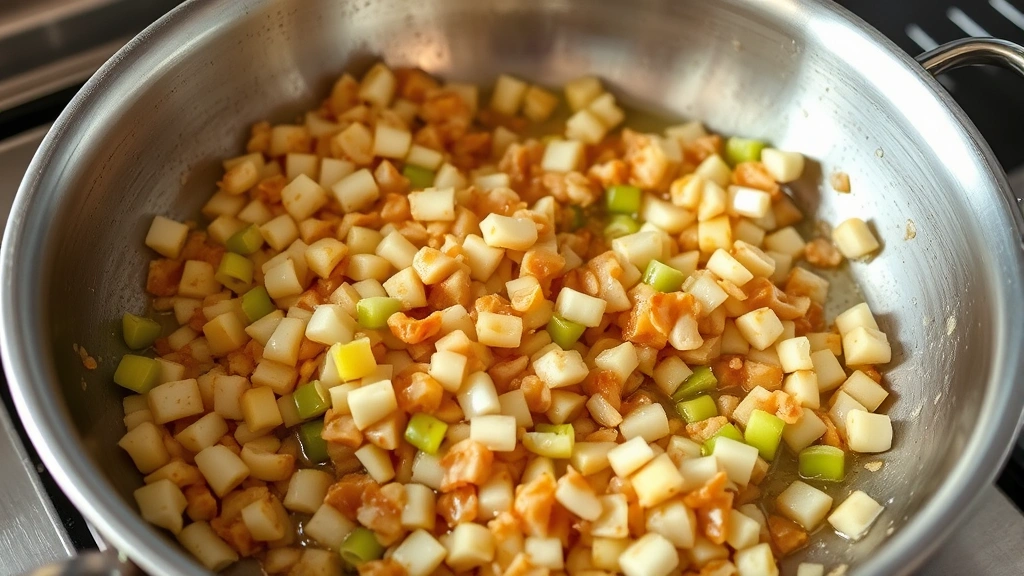
Melt butter in a large skillet over medium heat. Add diced onions and celery, cooking for 5 to 7 minutes until vegetables soften and become translucent. Stir occasionally to ensure even cooking and prevent browning. The kitchen will fill with an amazing aroma as these vegetables release their essential oils.
Step 3: Combine Bread and Seasonings
Transfer the dried bread cubes to a large mixing bowl. Sprinkle dried sage, thyme, marjoram, salt, and pepper over the bread. Toss well to distribute seasonings evenly. Add the sautéed vegetables and any optional ingredients like sausage or mushrooms at this point.
Step 4: Add Broth Gradually
Pour warm broth over the bread mixture slowly while stirring gently. Start with 3 cups and add more as needed. The goal is bread that’s moist and holds together when squeezed but doesn’t feel soggy or waterlogged. Different bread types absorb liquid at different rates, so adjust gradually.
Step 5: Cook on the Stovetop
Transfer the mixture to a large pot or Dutch oven. Cook over medium heat for 10 to 15 minutes, stirring frequently. The direct heat helps meld flavors while the constant stirring ensures even moisture distribution and prevents sticking. The mixture should steam gently—you’re looking for a gentle simmer, not a rolling boil.
Step 6: Optional Finishing Touch
For a crispy top, transfer your cooked stuffing to a buttered baking dish and bake at 375°F for 15 to 20 minutes until the top develops a golden-brown crust. This step is optional but creates a textural contrast many families love.

Tips for Achieving the Perfect Texture
The difference between mediocre and exceptional stove top stuffing often comes down to texture. Following these professional tips ensures consistent, delicious results every time.
Moisture Balance Is Key: The most common mistake is adding too much broth, resulting in mushy, soggy stuffing. Remember that bread continues absorbing liquid after you remove it from heat. It’s better to start conservatively and add more broth if needed than to create a wet paste. The finished dish should hold its shape when served but remain moist throughout.
Dry Your Bread Properly: Day-old bread from a bakery works beautifully, but if you only have fresh bread available, toast it in the oven. This removes surface moisture and prevents the bread from becoming waterlogged. The toasting process also deepens the bread’s flavor through the Maillard reaction, a chemical process that creates complex tastes.
Don’t Overmix: While you want ingredients distributed evenly, excessive stirring breaks down bread cubes into smaller pieces, creating a denser final product. Mix gently with a wooden spoon, using a folding motion rather than aggressive stirring.
Temperature Control: Maintain medium heat throughout stovetop cooking. High heat causes the bottom to scorch while the top remains undercooked. Medium heat allows gentle, even cooking that distributes heat throughout the mixture.
Taste and Adjust: Seasoning should be done gradually throughout cooking rather than all at once. This allows you to build flavor layers and adjust to your preference. Remember that salt in the broth contributes to overall seasoning.
Flavor Variations and Customizations
While traditional stove top stuffing is absolutely delicious, creative variations allow you to personalize this classic recipe for your family’s preferences.
Herb-Forward Version: Increase dried sage to 2 teaspoons and add fresh parsley, rosemary, and thyme. This variation appeals to herb lovers and pairs beautifully with poultry. Fresh herbs should be added near the end of cooking to preserve their bright flavor.
Sausage-Loaded Stuffing: Brown 1 pound of Italian sausage (removed from casings) in your skillet before adding vegetables. The sausage fat adds richness, and the meat provides protein and savory depth. This variation transforms stuffing into a more substantial side dish that can even serve as a light main course.
Vegetable-Rich Variation: Beyond celery and onion, add diced mushrooms, shredded carrots, diced bell peppers, or chopped spinach. Each vegetable contributes unique flavors and textures. Sauté harder vegetables like carrots with the onions and celery, but add delicate greens like spinach at the very end to prevent overcooking.
Dried Fruit Addition: Incorporate dried cranberries, apricots, or cherries for sweet and tart notes that contrast beautifully with savory herbs. Add about three-quarter cup of dried fruit, soaking it briefly in warm broth before adding to the mixture if it’s very dry.
Nut and Seed Blend: Toast chopped pecans, walnuts, or sunflower seeds and fold them in just before serving. Nuts add textural interest and nutritional value while complementing the bread and herbs.
Gluten-Free Option: Use gluten-free bread cubes in place of traditional bread. Gluten-free bread often requires slightly less broth since it absorbs liquid differently. Ensure all other ingredients, particularly broth and seasonings, are certified gluten-free if needed.
When preparing quick breakfast recipes featuring leftover stuffing, consider savory variations that work for morning meals.
Make-Ahead and Storage Guide
Planning ahead makes holiday cooking less stressful. Stove top stuffing can be prepared in advance, allowing you to focus on other dishes when entertaining.
Preparing One Day Ahead: Assemble all dry ingredients—bread cubes, herbs, and seasonings—in a large bowl the day before. Cover tightly with plastic wrap and store at room temperature. Prepare your vegetables, keeping them in separate containers in the refrigerator. On serving day, sauté vegetables, combine everything, and cook as directed. This approach saves significant preparation time when hosting.
Freezing Uncooked Stuffing: Assemble your complete mixture (excluding broth) in a freezer-safe container. Freeze for up to three months. When ready to cook, thaw overnight in the refrigerator, add broth, and proceed with stovetop cooking. This method is perfect for preparing multiple batches ahead of holiday season.
Storing Cooked Stuffing: Refrigerate leftovers in an airtight container for up to four days. Reheat gently on the stovetop over medium-low heat, adding a splash of broth to restore moisture. Alternatively, cover with foil and warm in a 350°F oven for 15 to 20 minutes.
Freezing Cooked Stuffing: Cool completely before transferring to freezer containers. Properly stored cooked stuffing keeps for up to three months. Thaw overnight in the refrigerator before reheating. The texture remains excellent, making this an ideal make-ahead strategy.
Reheating Tips: Whether reheating refrigerated or frozen stuffing, add moisture gradually. A splash of broth prevents drying while restoring the original texture. Avoid high heat, which can dry out the bread cubes and create hard, unpleasant textures.
For additional cooking tips and recipes, explore our comprehensive blog featuring seasonal dishes and entertaining guides.
FAQ
Can I make stove top stuffing without a stove?
Yes! You can prepare the vegetable mixture in a microwave, then combine with bread and broth, and bake covered at 375°F for 25 to 30 minutes. Alternatively, use a slow cooker on low for 2 to 3 hours. Both methods produce delicious results, though the stovetop method offers the best control over final texture.
What’s the difference between stuffing and dressing?
Technically, “stuffing” refers to the mixture cooked inside poultry, while “dressing” is the same mixture cooked separately in a baking dish. The recipes are identical; only the cooking location differs. Most home cooks use the terms interchangeably.
How do I prevent my stuffing from being dry?
Use day-old bread that absorbs liquid efficiently, add broth gradually while monitoring moisture, and avoid overcooking. Remember that carryover cooking continues after you remove the pan from heat. It’s better to undercook slightly than to add too much liquid initially.
Can I use fresh herbs instead of dried?
Absolutely! Use three times the amount of fresh herbs compared to dried. Add delicate fresh herbs like parsley and chives at the very end to preserve their bright flavor. Hardier fresh herbs like rosemary and thyme can be added earlier.
What type of bread works best?
Day-old white bread, whole wheat, or a combination works beautifully. Avoid soft sandwich bread, which becomes mushy. Artisan breads with more structure provide the best texture. Sourdough, focaccia, or French bread all create excellent stuffing.
How much stuffing does this recipe make?
This recipe using 8 cups of bread cubes serves 8 to 10 people as a side dish. Adjust quantities proportionally if feeding a different group size. As a general rule, plan about three-quarter cup per person.
Can I add meat to my stuffing?
Yes! Sausage, ground beef, or shredded chicken all work wonderfully. Brown ground meat before adding to vegetables, or crumble sausage and cook until rendered. This transforms stuffing into a more substantial dish.
Is stove top stuffing vegan-friendly?
Traditional recipes use butter and meat broth, but you can easily modify them. Use vegetable broth and olive oil instead of butter. Add extra vegetables, nuts, and seeds for depth and nutrition. The result is equally delicious and satisfying.
What pairs well with stove top stuffing?
Stove top stuffing complements virtually any protein—roasted chicken, turkey, pork, beef, or fish. It pairs beautifully with properly seasoned steak and works with gravy-based dishes. The neutral bread base allows it to enhance rather than compete with main dishes.
Mastering stove top stuffing gives you a reliable recipe that brings comfort and satisfaction to your family table. With these detailed instructions, helpful tips, and creative variations, you’ll create this beloved side dish with confidence every time. From holiday feasts to casual weeknight dinners, stove top stuffing deserves its place as a true family favorite.


