Stuffed French Toast Recipe: A Tried & True Breakfast Classic
Stuffed French toast elevates the humble breakfast staple into something truly special—a dish that feels indulgent enough for brunch entertaining yet simple enough for a weekday morning. This beloved recipe combines soft, custardy bread with sweet or savory fillings, creating layers of flavor and texture that transform ordinary sliced bread into an unforgettable meal. Whether you’re stuffing it with cream cheese and berries, Nutella and bananas, or even Greek yogurt with honey, stuffed French toast delivers restaurant-quality results in your own kitchen.
The beauty of this recipe lies in its versatility and forgiving nature. Unlike some breakfast dishes that require precise timing or finicky techniques, stuffed French toast welcomes experimentation. You can prepare it ahead of time, customize fillings to match your pantry, and cook it in various ways—from a traditional skillet to a griddle or even cast iron cookware. This guide walks you through everything you need to know to master this classic dish, from selecting the right bread to achieving that perfect golden-brown exterior with a creamy center.
What Makes the Best Stuffed French Toast
The foundation of exceptional stuffed French toast starts with understanding what separates mediocre from magnificent. The bread you choose determines everything—its ability to absorb the custard mixture while maintaining structural integrity. Thick-cut brioche or challah bread creates that luxurious, tender crumb that makes each bite melt in your mouth. These enriched breads contain more fat and eggs than standard sandwich bread, which means they soak up the custard without becoming soggy or falling apart during cooking.
The custard mixture itself requires balance. Too much milk and your French toast becomes heavy and watery; too little and it remains dry. The egg-to-dairy ratio should hover around two eggs per cup of milk, with additions of vanilla extract, cinnamon, and nutmeg creating warmth and depth. Some cooks add a splash of orange zest or almond extract for complexity, but the classic version never goes out of style.
Your filling choice impacts both flavor and texture. Creamy fillings like Greek yogurt mixed with maple syrup offer tanginess that balances sweetness. Cheese-based fillings provide richness, while fruit fillings add brightness and moisture. The key is not overstuffing—a generous but controlled amount ensures the filling stays contained during cooking rather than leaking out onto your griddle.
Essential Ingredients You’ll Need
For the French toast base, gather:
- Bread: 8-10 thick slices of brioche, challah, or Texas toast (½ to ¾ inch thick)
- Eggs: 4 large eggs
- Whole milk: 1 cup (or use half-and-half for richness)
- Vanilla extract: 2 teaspoons
- Ground cinnamon: 1 teaspoon
- Ground nutmeg: ¼ teaspoon
- Salt: Pinch
- Butter: 2-3 tablespoons for cooking
For a classic cream cheese and berry filling, you’ll need:
- Cream cheese: 4 ounces, softened
- Powdered sugar: 2 tablespoons
- Fresh berries: 1 cup (blueberries, strawberries, or raspberries)
- Vanilla extract: ½ teaspoon
Consider browsing Trader Joe’s recipes for pre-made filling options if you’re short on time—their mascarpone cheese, prepared fruit compotes, and nut butters work wonderfully.
Step-by-Step Instructions
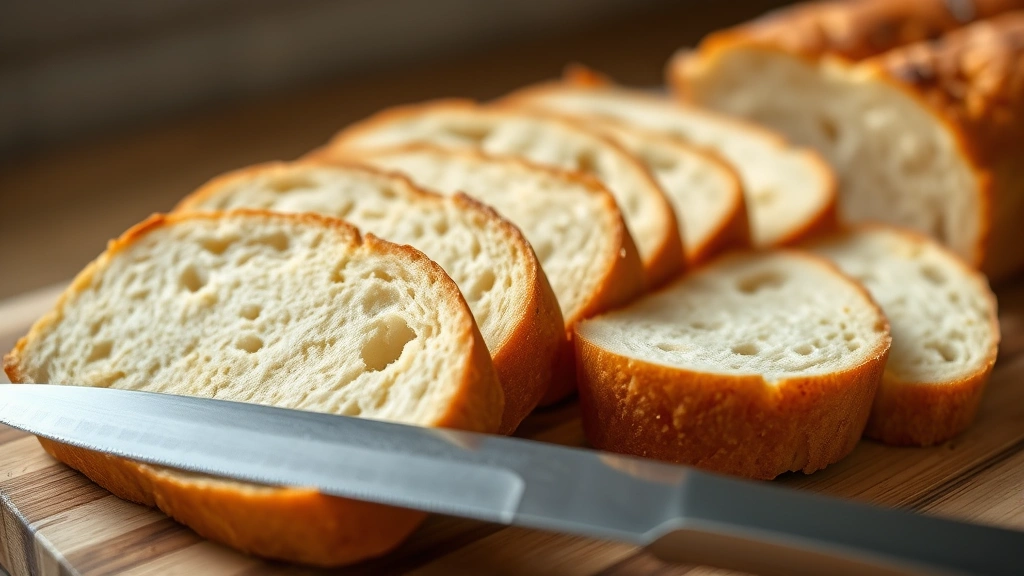
Preparing your bread: If using homemade bread, ensure it’s at least one day old. Fresh bread absorbs custard too quickly and becomes mushy. Making homemade bread gives you complete control over texture and flavor. Slice your bread into ½ to ¾-inch-thick pieces, laying them flat on a cutting board.
Creating the pocket: Using a sharp serrated knife, carefully cut a horizontal pocket into each bread slice, starting from the top and working toward the bottom, leaving about ½ inch of bread on three sides. Think of it like opening a pita pocket—you want an opening large enough to accommodate filling but small enough that the bread maintains its shape. Work gently to avoid tearing the bread.
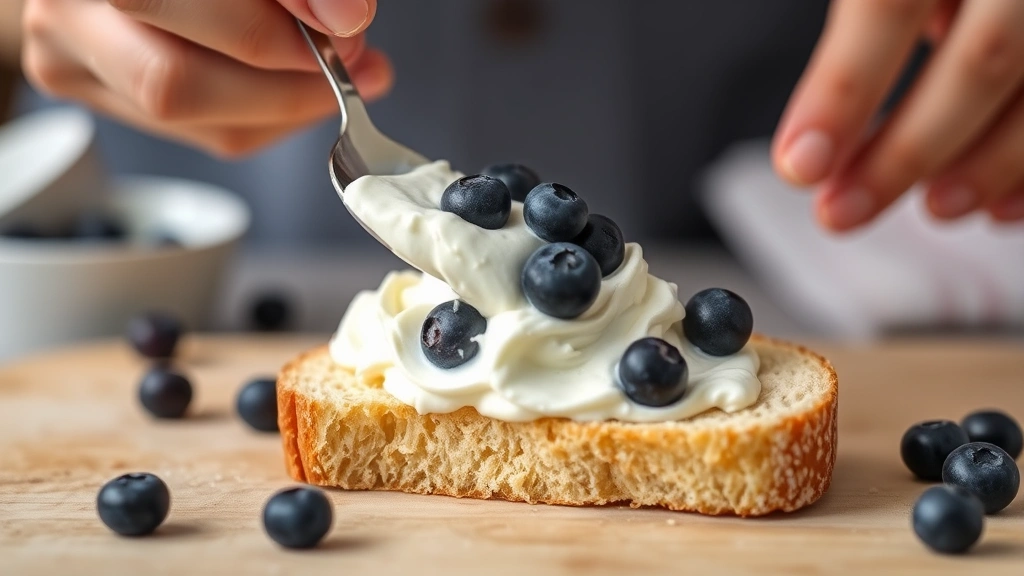
Preparing the filling: In a small bowl, combine softened cream cheese and powdered sugar, beating until smooth. Gently fold in your chosen berries, being careful not to crush them. If using apple crisp filling, let it cool completely before stuffing to prevent the bread from becoming too moist. Spoon approximately 2-3 tablespoons of filling into each bread pocket, distributing it evenly.
Making the custard: In a shallow bowl or dish wide enough to accommodate a bread slice, whisk together eggs, milk, vanilla extract, cinnamon, nutmeg, and salt until well combined. The mixture should be smooth and pale. If lumps form, strain through a fine-mesh sieve.
Soaking the bread: Working with one stuffed slice at a time, gently dip both sides into the custard mixture, allowing 2-3 seconds per side. The bread should be thoroughly coated but not oversaturated—it should feel wet but not dripping. This balance prevents the bread from becoming soggy while ensuring it absorbs enough custard to cook properly.
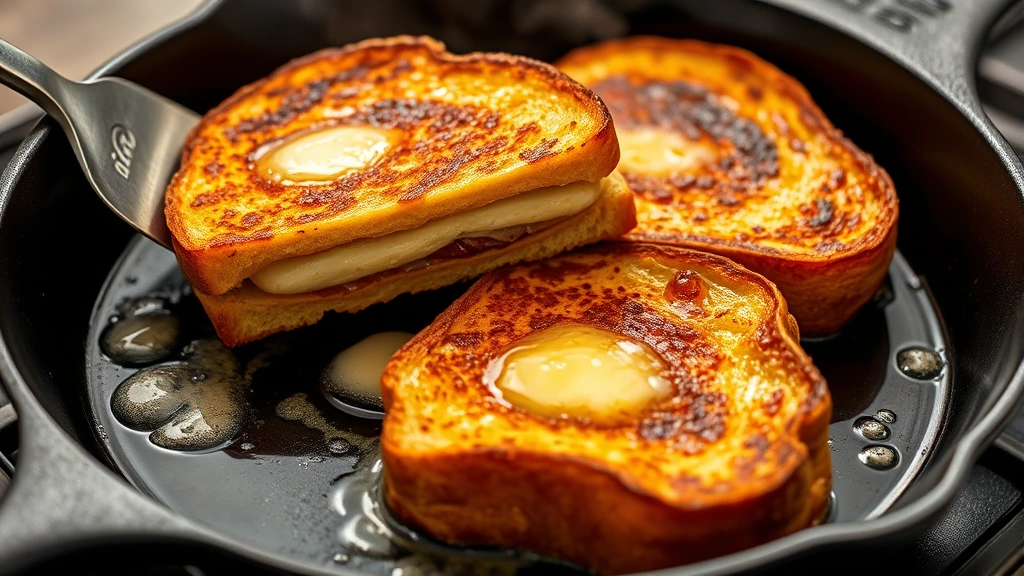
Cooking: Heat a large skillet or griddle over medium heat and add 1 tablespoon of butter. Once it foams and the foam subsides, place 2-3 coated bread slices on the hot surface. Cook for 3-4 minutes until the bottom achieves a deep golden-brown color. Flip carefully and cook the other side for another 3-4 minutes until golden and cooked through. Add additional butter as needed between batches. The interior should be set but still tender, not rubbery.
Filling Ideas and Combinations
The versatility of stuffed French toast means you can customize it endlessly. Classic cream cheese and berries remains the most popular choice, offering a perfect balance of sweetness and tang. Nutella and banana appeals to chocolate lovers—spread Nutella inside the bread pocket and layer thin banana slices for a decadent breakfast dessert. Mascarpone and honey provides sophistication with minimal effort, especially when finished with a drizzle of warm honey and crushed pistachios.
For healthy dessert recipes versions, mix Greek yogurt with honey and cinnamon, or combine ricotta cheese with maple syrup and chopped pecans. Pumpkin spice cream works beautifully in fall—blend pumpkin puree with cream cheese and warm spices. Lemon curd and whipped cream brings brightness and elegance, perfect for spring brunches.
Don’t overlook savory options. A filling of sautéed spinach, feta cheese, and sun-dried tomatoes transforms stuffed French toast into a savory brunch main course. Smoked salmon with dill cream cheese offers luxury. Caramelized onions and gruyere provide umami depth that pairs beautifully with a fried egg on top.
Pro Tips for Perfect Results
Bread selection matters: Brioche is the gold standard due to its tender crumb and buttery flavor. Challah offers similar qualities with a slightly different texture. Avoid thin sandwich bread, which disintegrates, and skip whole wheat unless you enjoy a denser result. Day-old bread absorbs custard more effectively than fresh bread.
Temperature control: Medium heat is your friend. Too high and the exterior burns before the interior cooks through; too low and you’ll end up with pale, soft French toast lacking that essential crispy exterior. Use medium heat consistently throughout cooking.
Don’t overcrowd the pan: Cook in batches with adequate space between slices. Overcrowding drops the pan temperature, resulting in steaming rather than searing. Each slice needs direct contact with the hot cooking surface to develop that gorgeous golden crust.
Filling distribution: Ensure filling is evenly distributed throughout each bread pocket. Pockets that are too full leak during cooking, while sparse fillings make the dish feel incomplete. Aim for generous but controlled amounts.
Make-ahead assembly: Prepare stuffed but uncooked French toast up to 4 hours ahead. Cover with plastic wrap and refrigerate. The bread absorbs some custard during storage, creating a more custardy texture. Dip again briefly before cooking if the exterior looks dry.
Cooking surface: Cast iron provides exceptional heat retention, resulting in more consistent browning. A well-seasoned cast iron skillet delivers superior results compared to non-stick surfaces, though non-stick works in a pinch.
Make-Ahead and Storage Guide
Stuffed French toast accommodates busy schedules beautifully. Prepare the filling up to two days in advance, storing it in an airtight container in the refrigerator. Fruit-based fillings may release liquid over time, so drain excess before using. Assemble stuffed bread slices up to 4 hours ahead, covering them with plastic wrap and refrigerating until cooking time.
You can even make the custard mixture the night before, storing it in a covered container in the refrigerator. Whisk briefly before using, as ingredients may separate slightly during storage.
Cooked leftovers keep well for 3-4 days when stored in an airtight container in the refrigerator. Reheat in a 350°F oven for 5-7 minutes until warmed through, or use a toaster oven to maintain crispness. Avoid microwaving, which creates a rubbery texture.
Freezing: Cooked French toast freezes beautifully for up to three months. Cool completely, arrange slices on a baking sheet, freeze until solid, then transfer to a freezer bag. Reheat from frozen in a 350°F oven for 10-12 minutes.
Frequently Asked Questions
Can I make stuffed French toast dairy-free?
Absolutely. Replace regular milk with unsweetened almond, oat, or coconut milk in the custard. For fillings, use dairy-free cream cheese or cashew cream (blend soaked cashews with water and vanilla). The cooking method remains identical, though you may need to add an extra egg to the custard for better binding.
What’s the best way to prevent the filling from leaking out?
The key is not overstuffing and creating a proper pocket with sealed edges. Avoid cutting all the way through the bread; leave a ½-inch border on at least three sides. Don’t overfill—2-3 tablespoons is usually sufficient. Cook over medium heat rather than high heat, which can cause filling to burst out.
Can I use frozen berries in the filling?
Yes, but thaw them first and drain excess liquid. Frozen berries release more moisture than fresh ones, which can make the filling watery and oversaturate the bread. Pat them dry with paper towels before folding into the cream cheese mixture.
How thick should I slice the bread?
Aim for ½ to ¾ inches thick. Thinner slices are too delicate to hold filling without falling apart; thicker slices don’t cook through properly in the time it takes to achieve a golden crust. If your bread is particularly soft, lean toward thicker slices.
What should I serve with stuffed French toast?
Classic accompaniments include pure maple syrup, whipped cream, fresh berries, and powdered sugar. Crispy bacon or sausage provides savory contrast. A dollop of Greek yogurt adds tanginess, while fresh fruit compote offers brightness. Don’t overlook simple options like butter and cinnamon sugar.
Can I prepare this recipe for a crowd?
Definitely. Assemble all stuffed bread slices ahead and keep them refrigerated until cooking time. Set up a griddle or use two skillets simultaneously to cook multiple slices at once. Keep finished French toast warm on a baking sheet in a 200°F oven while you cook remaining batches. This method allows you to serve everything simultaneously.
Why is my French toast soggy?
Sogginess typically results from oversaturating the bread in custard, using fresh bread instead of day-old, or cooking over low heat. Ensure bread is day-old, dip quickly (2-3 seconds per side), and cook over medium heat. Serve immediately rather than letting it sit, as residual heat continues cooking and softening the bread.


