Table of Contents
Introduction
Picture this: you walk into your kitchen after a long day, and instead of spending an hour prepping dinner, you’ve got a delicious, home-cooked meal ready in 20 minutes. That’s the magic of pressure cooking. It’s not just about speed (though cutting cooking time by 70% doesn’t hurt). Your pressure cooker actually locks in all those good flavors and nutrients that usually escape during regular cooking. Whether you’re juggling a busy schedule or you just love experimenting in the kitchen, this little powerhouse might just become your new best friend.
Here’s what’s really cool about pressure cookers—they’ve made a serious comeback lately, and for good reason. Think tender pulled pork that usually takes hours? Done in 90 minutes. Perfect rice every single time? No problem. The thing is, a lot of people still feel nervous about using them. Maybe you’ve heard horror stories from your grandmother’s generation, or you’re just not sure how all those valves and gadgets work. I get it. But once you understand the basics—like how those safety valves actually protect you and why that rubber sealing ring matters so much—you’ll wonder why you waited so long to try it. And if you’re already into making things from scratch, like making homemade pasta, you’ll love how a pressure cooker can expand your whole cooking game.
Let’s address the elephant in the room: safety concerns. Look, I understand why people worry. Pressure cookers work by building up steam under pressure, and that can sound intimidating if you don’t know what’s happening inside that pot. But modern pressure cookers are incredibly safe when you know what you’re doing. Those safety valves, the sealing ring, the way pressure releases—it’s all designed to keep you safe. Plus, learning proper pressure cooking techniques goes hand-in-hand with other smart kitchen habits. For instance, using fresher ingredients (which pressure cooking helps preserve) and reducing waste both make your cooking more efficient—something we cover in our guide to food waste reduction.
But here’s what really sold me on pressure cooking: it’s not just faster—it’s actually better for you. When you cook under pressure, you’re essentially steaming your food in its own juices. This means vitamins and minerals that would normally leach out during boiling stay right where they belong—in your food. The flavors get more intense too, since everything’s sealed up tight. Whether you’re whipping up a quick breakfast before work or slow-cooking a weekend stew (in half the time), your pressure cooker delivers consistent, delicious results every time.
What You’ll Learn in This Guide
We’re going to cover everything you need to feel confident using your pressure cooker, from the very basics to pro-level tips. By the time we’re done, you’ll know exactly how to get the best results safely and efficiently.
- Understanding the Basics: We’ll break down the different types of pressure cookers out there, walk through all the important parts, and explain how those safety features actually work to keep you protected.
- Step-by-Step Cooking Process: I’ll take you through the whole process—from prepping your ingredients and getting everything set up to managing the pressure and releasing it safely.
- Essential Safety Tips: You’ll learn the key precautions that prevent accidents, common mistakes to avoid, and how to keep your pressure cooker in great shape for years to come.
- Maintenance and Cleaning: We’ll cover the right way to clean each component and the simple maintenance tasks that keep everything running smoothly.
Throughout this guide, I’ll share practical tips that actually work in real kitchens, not just in theory. And if you’re looking to level up your overall cooking skills, you might enjoy our guide on how to preserve herbs—fresh herbs and pressure cooking are a match made in heaven. Once you get comfortable with pressure cooking, you’ll have a tool that makes nutritious, flavorful meals fit into even the busiest schedules.
We’ll also dive into some advanced techniques and troubleshooting tips that can save you time and frustration down the road. Whether this is your first pressure cooker or you’re looking to improve your technique, understanding these details will boost both your confidence and your results. Some readers find it helpful to learn about general kitchen safety and tool maintenance alongside pressure cooking—it all works together to make you a more skilled, safer cook.
Ready to discover what your pressure cooker can really do? We’re about to explore the techniques and insider knowledge that will transform the way you think about cooking. Your pressure cooker journey starts right here—let’s jump in!

Now that you’ve got the pressure cooker basics down, let’s dig into the real meat of the matter—understanding what makes your pressure cooker tick and how to use it like a pro. Trust me, once you know your way around the parts and nail the cooking process, you’ll wonder how you ever lived without this kitchen game-changer. We’re talking tender, flavorful meals in half the time, with all the nutrients locked in. Pretty sweet deal, right? This next part is all about getting you comfortable with the components and techniques that’ll keep your cooking both delicious and safe.
Getting to Know Your Pressure Cooker: Types and Essential Components
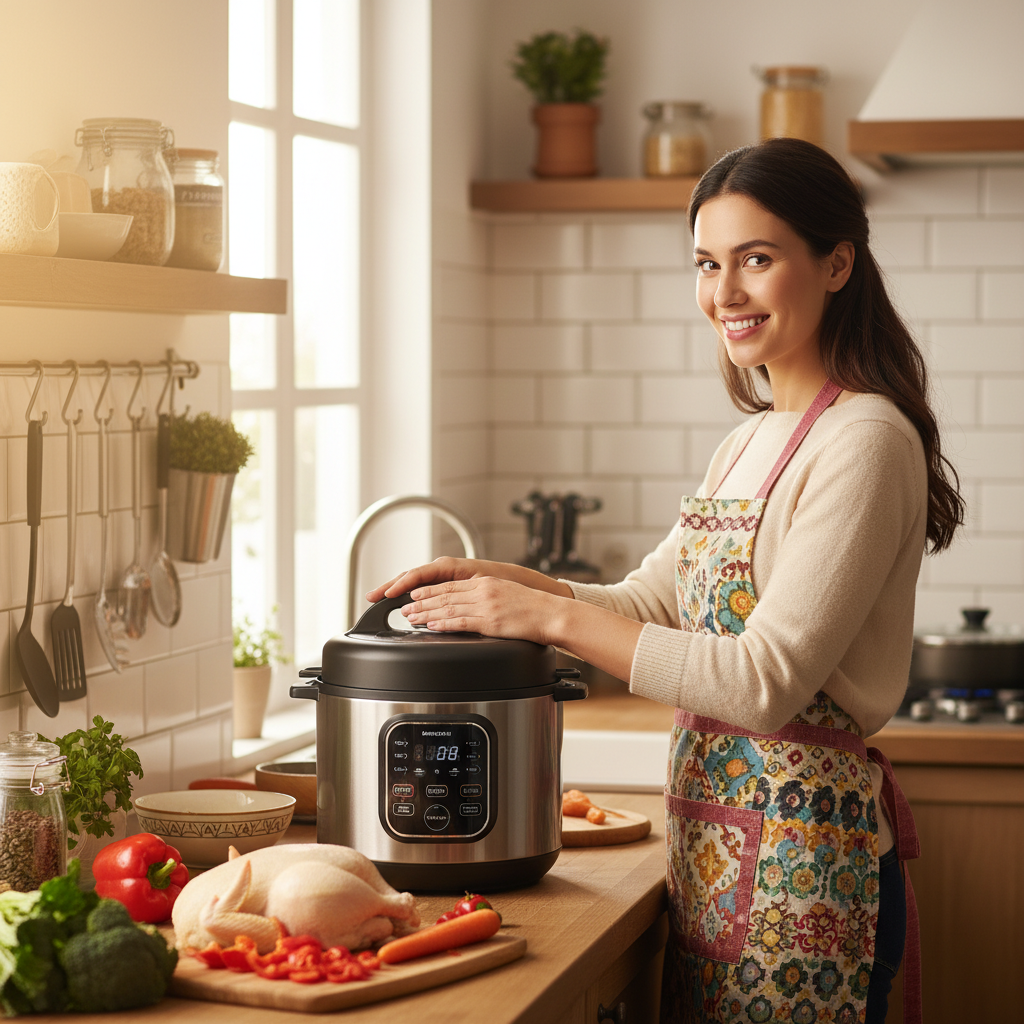
Here’s where things get interesting—not all pressure cookers are created equal. You’ve got your stovetop champions and your electric all-stars (hello, Instant Pot fans!), each with their own personality. Stovetop models? They’re the speed demons. You get faster heat control and can really crank up the pressure. Electric versions are more like your reliable friend—they’ve got preset programs and digital displays that basically hold your hand through the whole process. If you’re curious about which type works best for specific dishes, check out this guide on homemade pasta preparation. It’s got some great insights on pressure cooker compatibility that might surprise you.
But here’s what really matters: knowing your pressure cooker’s anatomy. Think of the lid as the star of the show—it’s got this rubber sealing ring that creates an airtight seal. No joke, if this little guy is damaged or not seated properly, your whole cooking session goes sideways. Then there’s the pressure release valve, which is basically your safety net. It controls steam release so things don’t get scary in there. Modern pressure cookers are pretty smart too—they’ve got backup safety features like emergency releases and locking mechanisms that won’t let you open the lid while it’s still under pressure. (Because nobody wants a kitchen disaster.) Want to keep everything running smoothly? The tips in this food waste reduction guide include some solid advice on maintaining your cooking equipment as part of smart kitchen management.
Key Aspects of Pressure Cooker Types and Components
Here’s what you really need to know about types and parts to get the most out of your pressure cooker:
- Stovetop vs Electric Models: It’s like choosing between a sports car and a luxury sedan. Stovetop gives you speed and power, while electric offers convenience and multiple functions. Know the difference so you can adapt your cooking style accordingly.
- Lid and Sealing Ring Functionality: This is your pressure cooker’s lifeline. A good seal means consistent results every time. Keep an eye on that sealing ring—when it starts looking worn, replace it. Your future meals will thank you.
- Pressure Release Valve Importance: Keep this baby clean and clear. It’s what stands between you and potential mishaps. A clogged valve is like driving with faulty brakes—not a risk worth taking.
- Safety Mechanisms: These aren’t just bells and whistles—they’re your insurance policy. Modern pressure cookers have multiple fail-safes built in, so even if something goes wrong, you’re protected.
Once you’ve got these basics locked down, you’re ready to tackle the actual cooking process. And that’s where the real magic happens.
Step-by-Step Guide to Using a Pressure Cooker Safely and Effectively
Ready for the fun part? Using your pressure cooker is actually pretty straightforward once you get the hang of it. The secret sauce is following the right sequence and paying attention to the details. Do it right, and you’ll get perfectly cooked meals faster than you ever thought possible—all while keeping those nutrients and flavors locked in tight. It’s like having a culinary superpower. For some killer recipe inspiration that pairs perfectly with pressure cooking techniques, definitely browse through this collection on how to make homemade sauces. Those flavor finishes can really take your pressure-cooked meals to the next level.
The cooking phase is where you need to stay alert (but not stressed). Whether you’re adjusting heat on a stovetop model or selecting the right program on an electric one, maintaining steady pressure is your goal. Too little pressure? Undercooked food. Too much? Well, let’s just say overcooking isn’t pretty either. After cooking comes the pressure release—and this is crucial. You’ve got two main options: natural release (let it cool down gradually) or quick release (immediate action). Each method works better for different foods and recipes, so knowing when to use which one is part of mastering your pressure cooker game.
Key Aspects of Pressure Cooker Operation
Master these operational essentials and you’ll be pressure cooking like a pro:
- Preparation Checks: Always start with the manual (yes, really read it). Check your sealing ring, make sure valves are clean, and add enough liquid for steam. Skip the liquid and you’ll end up with burnt food and a damaged cooker.
- Cooking Process Control: Lock that lid securely, build up pressure, then dial in your heat or program settings. Consistency is everything—steady pressure equals evenly cooked food every single time.
- Pressure Release Methods: Natural release for delicate foods that might break apart, quick release when you’re in a hurry or cooking heartier ingredients. Match the method to your meal for best results.
- Safety Tips During Use: Never, ever try to force open a pressurized cooker. Keep that steam valve spotless. Regular maintenance isn’t just recommended—it’s essential for safe operation and long-term performance.

Here’s the thing about pressure cookers—once you get the hang of them, they’ll completely change how you think about cooking. We’ve covered a lot of ground together: how these clever devices slash your cooking time by trapping heat and pressure, keeping all those nutrients and flavors locked in where they belong. Whether you went with a stovetop model (love that precise control!) or an electric one with all those handy preset buttons, knowing your way around the key parts—especially that lid, sealing ring, and pressure release valve—makes all the difference. And honestly? The safety features built into modern pressure cookers mean you can cook with confidence.
Remember when we walked through the actual cooking process? It’s really about getting the basics right. Read that manual (I know, I know—but seriously, do it), check your sealing ring, make sure you’ve got enough liquid in there. Then it’s just lock, pressure, and release. The trickiest part is usually knowing when to use natural release versus quick release, but you’ll get a feel for it. Those safety rules we covered—never forcing the lid open, keeping those valves clean, not stuffing the thing to the brim—they’re not just suggestions. They’re what keep your meals delicious and your kitchen safe. What I love most about pressure cooking is how it makes meal prep so much easier while actually making your food taste better and keeping more of the good stuff your body needs.
Now that you’ve got the fundamentals down, why not branch out a bit? If you’re feeling adventurous, check out our guide on how to make homemade pasta—it pairs beautifully with pressure cooking and will seriously level up your dinner game. Want to make your kitchen even more efficient? Our food waste reduction tips will help you save money and feel good about your environmental impact. And if you really want to get fancy, our comprehensive guide to homemade sauces will give you the perfect finishing touches for all those pressure-cooked meals.
Speaking of eating well, this healthy nutrition plan is worth a look if you want to make sure your efficient cooking habits support your overall health goals. That’s what’s so great about pressure cooking—it’s not just about saving time (though that’s pretty awesome). It’s about making it easier to eat the kind of nutrient-dense, flavorful food that actually makes you feel good. Perfect for busy people who refuse to compromise on good food.
You’ve got everything you need now to make your pressure cooker work for you. Don’t be afraid to experiment—that’s half the fun! Start with simple recipes and work your way up to more complex dishes. Before you know it, you’ll be that person everyone asks for cooking advice. (Trust me, it happens.) Keep pushing your boundaries, try new flavor combinations, and most importantly, enjoy the process. Your kitchen just became a much more powerful place.
Frequently Asked Questions
-
Is it safe to use a pressure cooker every day?
- Yes, with proper care and maintenance, daily use of a pressure cooker is safe and can help streamline your cooking routine.
-
What types of foods can I cook in a pressure cooker?
- You can cook a wide range of foods, including vegetables, meats, grains, and stews, all while preserving nutrients and enhancing flavors.
-
How do I know when the pressure is fully released?
- Indicators such as the pressure valve dropping or steam stopping completely signal that the pressure is fully released and it’s safe to open the cooker.
-
Can I open the lid before the pressure is released?
- No, opening the lid early can be dangerous and may cause injury. Always ensure pressure is fully released first.
-
How often should I replace the sealing ring?
- It is recommended to replace the sealing ring yearly or whenever you notice signs of wear and tear to maintain a proper seal and safe cooking.