
Juicy Venison Burger Recipe: Pro Chef Tips for Restaurant-Quality Results
Venison burgers represent one of the most underrated delicacies in modern cuisine, offering a lean, flavorful alternative to traditional beef patties. Wild game meat has been celebrated by professional chefs for centuries, and venison specifically provides a rich, complex flavor profile that elevates any burger to gourmet status. The key to creating a truly juicy venison burger lies in understanding the unique characteristics of this meat and applying proven techniques that compensate for its naturally low fat content.
Whether you’re a seasoned hunter looking to transform your harvest into culinary gold or a food enthusiast eager to experiment with premium ingredients, this comprehensive guide will walk you through every aspect of crafting the perfect venison burger. From meat selection and grinding techniques to cooking methods and flavor combinations, you’ll discover professional-level secrets that transform this lean protein into an unforgettable dining experience.
Understanding Venison Meat Quality and Selection
The foundation of an exceptional venison burger begins with sourcing quality meat. Unlike beef, which comes from domesticated cattle, venison comes from wild deer that have roamed freely, resulting in distinctly different nutritional profiles and flavor characteristics. Professional chefs emphasize that the cut you select dramatically impacts your final product’s texture and taste.
When selecting venison for burger preparation, focus on cuts from the shoulder, chuck, or hindquarters. These areas contain more connective tissue and marbling potential compared to premium steaks. The best venison for grinding typically comes from animals processed during early season when the meat remains tender and hasn’t developed the stronger gamey flavors associated with rutting season. Appearance matters significantly—look for deep red or burgundy coloring, which indicates proper aging and excellent quality.
Temperature control during selection and storage proves critical. Fresh venison should feel firm and smell clean, without any sour or off-putting odors. If purchasing from a butcher, ask about the animal’s age and processing date. The Institute of Food Technologists recommends keeping venison at 32-35°F until grinding, as this temperature range maintains muscle fiber integrity while preventing bacterial growth.
Many professional kitchens source their venison from certified game suppliers who follow strict quality protocols. This ensures consistency and food safety standards that home cooks can replicate by building relationships with local hunters or specialty butchers who understand game meat handling.
Essential Fat Ratios for Maximum Juiciness
Here lies the critical challenge: venison contains approximately 1-2% fat compared to beef’s 15-20%. This leanness makes moisture retention the primary concern when crafting juicy venison burgers. Professional chefs solve this problem through strategic fat addition during the grinding process.
The ideal fat ratio for venison burgers is 15-20% added fat, bringing your final mixture to approximately 17-22% total fat content. This percentage ensures adequate moisture while maintaining venison’s distinctive flavor without being overwhelmed by fat. Several fat sources work exceptionally well:
- Pork Belly—Adds moisture and subtle richness without overpowering venison’s flavor profile
- Beef Fat (Suet)—Provides familiar burger texture while allowing venison to shine
- Pancetta or Bacon—Introduces smoky complexity that complements wild game beautifully
- Duck Fat—Creates luxurious mouthfeel with sophisticated flavor integration
- Butter or Cream—Subtle additions that enhance juiciness without altering taste significantly
When working with your chosen fat, keep everything extremely cold. Warm fat distributes unevenly during grinding, creating hot spots that compromise texture. Place all components—venison, fat, grinding equipment, and mixing bowl—in the freezer for at least 30 minutes before beginning. This cold-chain approach is fundamental to professional burger production and directly impacts your final product’s moisture retention during cooking.
Consider making your own homemade bread to pair with your gourmet venison burgers for a complete culinary experience.
Grinding and Preparation Techniques
Professional butchers and chefs understand that grinding technique dramatically influences burger quality. The process requires precision, cleanliness, and proper equipment maintenance.
Equipment Selection matters significantly. A quality meat grinder with sharp blades produces uniform, consistent texture. Dull blades tear meat fibers rather than cutting them cleanly, resulting in mushy burgers with poor moisture retention. Before grinding, sharpen your grinder’s blade or consider having a professional butcher handle this step if your equipment seems compromised.
The grinding process itself demands attention to detail:
- Cube your venison and fat into 1-2 inch pieces
- Keep all components frozen until the moment of grinding
- Grind venison and fat separately, then combine gently to distribute evenly
- Avoid over-mixing, which develops gluten and creates dense, tough burgers
- Use the ground meat immediately or freeze in portions for later use
Some professional chefs employ a double-grinding technique for ultra-smooth texture: grind once, chill thoroughly, then grind again. This method creates exceptionally uniform patties with superior moisture distribution. However, standard single grinding produces excellent results when executed properly.
Storage requires careful attention. Freshly ground venison burger meat keeps safely for 1-2 days refrigerated, or up to 3 months frozen in airtight containers. Proper freezing prevents oxidation and color degradation that compromises quality.
Seasoning Strategies for Wild Game Flavor
Seasoning venison burgers requires a different approach than beef burgers. The goal is enhancing wild game’s natural complexity rather than masking it. Professional chefs develop layered flavor profiles through thoughtful spice selection and timing.
Base Seasoning should remain simple and elegant. Kosher salt and freshly ground black pepper form the foundation, applied just before cooking to prevent drawing out moisture. Add these in higher quantities than you might for beef—venison’s lean nature requires slightly more seasoning for adequate flavor perception.
Complementary flavor additions that work beautifully with venison include:
- Garlic and Shallots—Minced fine and folded in gently, adding aromatic depth
- Fresh Herbs—Thyme, rosemary, and sage echo venison’s forest origins
- Worcestershire Sauce—A small amount (½ teaspoon per pound) adds umami richness
- Smoked Paprika—Creates subtle smokiness that enhances grilled flavor
- Juniper Berries—Crushed and added sparingly, providing sophisticated game-meat complexity
- Mustard Powder—Enhances savory perception without adding moisture
When incorporating seasonings, mix gently and briefly. Overmixing develops gluten networks that create tough, dense burgers. The mixture should feel like damp sand, not a cohesive dough. If you’re exploring diverse flavor profiles, consider checking out our healthy food recipes for additional seasoning inspiration that translates well to game meats.
Shaping and Handling Your Patties
How you shape your burger patties directly influences cooking results and moisture retention. Professional technique emphasizes gentle handling and strategic dimpling.
Divide your ground venison mixture into portions, typically 5-6 ounces for substantial burgers. Work with cold meat—remove from refrigeration only when ready to shape. Handle gently, using a light touch rather than aggressive pressing. Overworking compacts the meat structure, creating dense burgers that become dry during cooking.
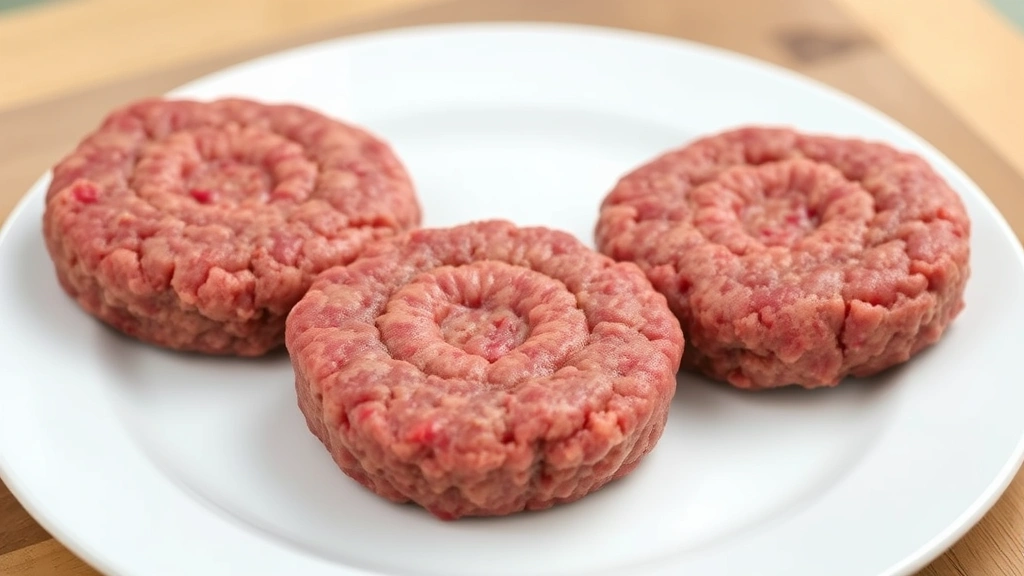
The Critical Dimple: Use your thumb to create a shallow indent in the center of each patty. This dimple prevents the burger from puffing up excessively during cooking, ensuring even thickness and uniform cooking. The indent should be about ½ inch deep and roughly ¾ inch in diameter—substantial enough to prevent puffing without compromising structural integrity.
Shape patties to roughly ¾ inch thickness for optimal results. Thinner patties dry out quickly, while thicker ones struggle to cook through without burning exterior surfaces. The ¾-inch thickness allows adequate browning while maintaining a pink, juicy interior when cooked to medium-rare (130-135°F internal temperature).
Professional chefs often chill shaped patties for 30 minutes before cooking, which helps maintain shape during cooking and prevents fat from separating prematurely. This extra step dramatically improves your final burger’s appearance and texture.
Cooking Methods and Temperature Control
Cooking venison burgers requires precision and attention to temperature. Unlike beef, which forgives slight overcooking, venison becomes dry and tough when pushed beyond medium-rare.
Optimal Internal Temperature: Target 130-135°F for medium-rare, which provides a warm pink center while maintaining maximum juiciness. Use an instant-read thermometer inserted horizontally into the burger’s center, avoiding the dimple. This ensures accurate readings without puncturing the patty excessively.
Cooking Methods:
Grilling produces exceptional results when executed properly. Preheat your grill to medium-high heat (375-400°F). Place patties on the grill and resist the urge to flip repeatedly—flip only once, approximately 3-4 minutes per side for ¾-inch burgers. Grill marks develop during the first side and deepen on the second, creating visual appeal and caramelized flavor.
Pan-Searing offers excellent control and consistent results. Use a heavy-bottomed skillet (cast iron works beautifully) preheated over medium-high heat. Add a small amount of oil with high smoke point (avocado or refined coconut oil). Sear patties 3-4 minutes per side, resisting the impulse to press down—this forces out precious juices.
Sous Vide Cooking provides precise temperature control that guarantees perfect doneness. Cook venison burgers at 129°F for 45 minutes, then sear briefly in a hot pan for crust development. This method, detailed further in our sous vide recipes collection, delivers restaurant-quality results with minimal guesswork.
Allow cooked burgers to rest for 3-5 minutes before serving. This resting period allows juices to redistribute throughout the patty, ensuring maximum moisture in every bite. Skipping this step causes juices to run out when you bite into the burger.
Bun Selection and Assembly
Your burger’s foundation deserves equal attention to the patty itself. Premium buns elevate the entire experience and provide structural support for juicy venison patties.
Professional chefs recommend brioche or potato buns, which offer richness and structural integrity. Brioche’s buttery flavor complements venison beautifully, while potato buns provide moisture absorption that prevents soggy burgers. Consider preparing easy homemade bread recipes for truly customized buns that showcase your culinary dedication.
Toasting your buns creates multiple benefits: it adds texture contrast, prevents sogginess, and develops subtle flavor through gentle caramelization. Brush buns lightly with butter or oil, then toast cut-side down in a skillet or on your grill for 1-2 minutes until golden brown.
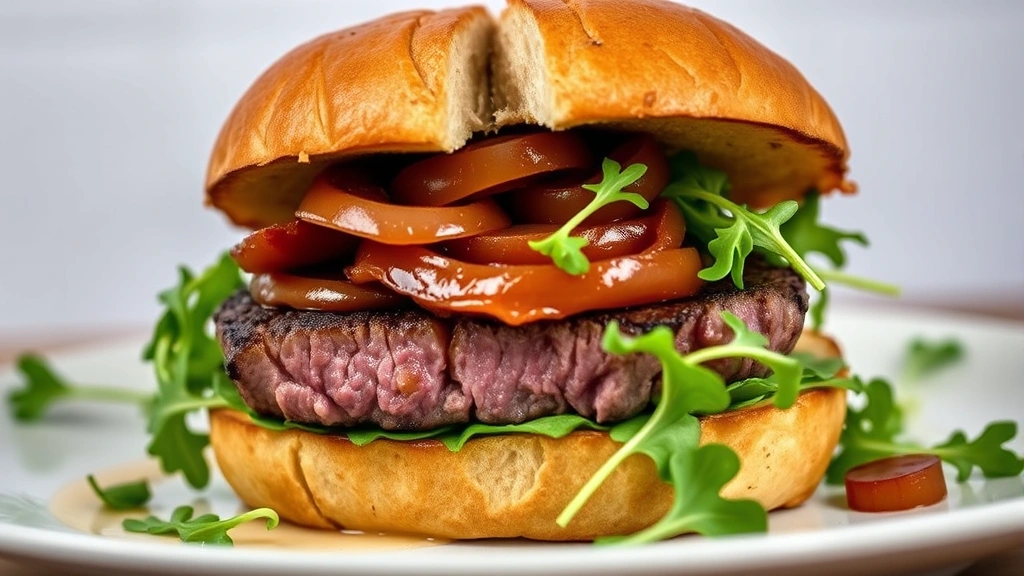
Assembly technique matters significantly. Apply condiments and toppings strategically to create balanced flavor and prevent moisture from compromising structural integrity:
- Bottom Bun—Lightly toasted, optionally spread with aioli or mustard
- First Layer—Venison patty, still warm from cooking
- Flavor Additions—Caramelized onions, sautéed mushrooms, crispy bacon, or sharp cheese
- Fresh Elements—Lettuce or arugula for textural contrast
- Top Bun—Toasted, creating a secure seal
Avoid overloading your burger with excessive toppings, which creates structural instability and makes eating difficult. The patty should remain the star, with supporting ingredients providing complementary flavors and textures.
FAQ
Can I use store-bought ground venison for burgers?
Yes, store-bought ground venison works well if you ensure it contains adequate fat content. Check packaging labels for fat percentage—aim for 15-20%. If the ground venison appears too lean, add your own fat (pork belly or beef suet) to achieve proper ratios. Always verify freshness dates and storage conditions before purchasing.
How do I reduce the gamey flavor in venison burgers?
Gamey flavors develop primarily from improper processing or storage. Purchase venison from reputable sources with proper handling protocols. Soaking meat in milk for 2-4 hours before grinding can reduce strong flavors. Additionally, incorporating pork fat instead of beef fat provides milder fat flavor that complements venison without intensifying gamey notes. Proper seasoning with fresh herbs and aromatics also masks excessive gaminess effectively.
What’s the best way to freeze venison burger meat?
Freeze ground venison in airtight containers or vacuum-sealed bags, removing as much air as possible to prevent freezer burn. Portion into burger-sized amounts for convenient thawing. Properly frozen venison burger meat maintains quality for up to 3 months. Thaw in the refrigerator overnight before cooking—never thaw at room temperature, which promotes bacterial growth.
Can I make venison burgers ahead of time?
Shaped patties can be refrigerated for up to 24 hours or frozen for several months. Refrigerated patties should be cooked within one day of shaping. Frozen patties can go directly from freezer to grill or pan—add approximately 1-2 minutes per side to cooking time. This make-ahead approach offers convenience without compromising quality.
What wine pairs well with venison burgers?
Medium-bodied red wines like Pinot Noir or Côtes du Rhône complement venison’s rich flavor beautifully. For lighter preferences, try Beaujolais or even a full-bodied rosé. Beer enthusiasts should explore amber ales or porters, which provide earthy, robust flavors that echo venison’s wild character. Consider pairing suggestions when planning your meal to elevate the entire dining experience.
How do I know when my venison burger is done cooking?
Use an instant-read meat thermometer for accuracy. Insert it horizontally into the burger’s center, avoiding the dimple. Target 130-135°F for medium-rare—the ideal doneness for venison. Remove from heat immediately upon reaching this temperature, as carryover cooking continues raising temperature slightly. Never rely on color alone, as venison remains pink even at safe temperatures.
Are venison burgers safe to eat?
Yes, when sourced and handled properly. Purchase venison from certified suppliers or trusted hunters who follow food safety protocols. Maintain proper cold-chain temperatures throughout handling and storage. Cook to recommended temperatures using a meat thermometer. Following these guidelines ensures venison burgers are as safe as any ground meat product.
Can I combine venison with other game meats?
Absolutely. Professional chefs often blend venison with elk, duck, or wild boar for complex flavor profiles. Maintain proper fat ratios when combining meats—lean game meats require 15-20% added fat regardless of source. Experiment with different combinations to discover your preferred flavor balance. Our top food documentaries to watch in 2025 feature several segments exploring game meat cuisine that may inspire your culinary experimentation.


