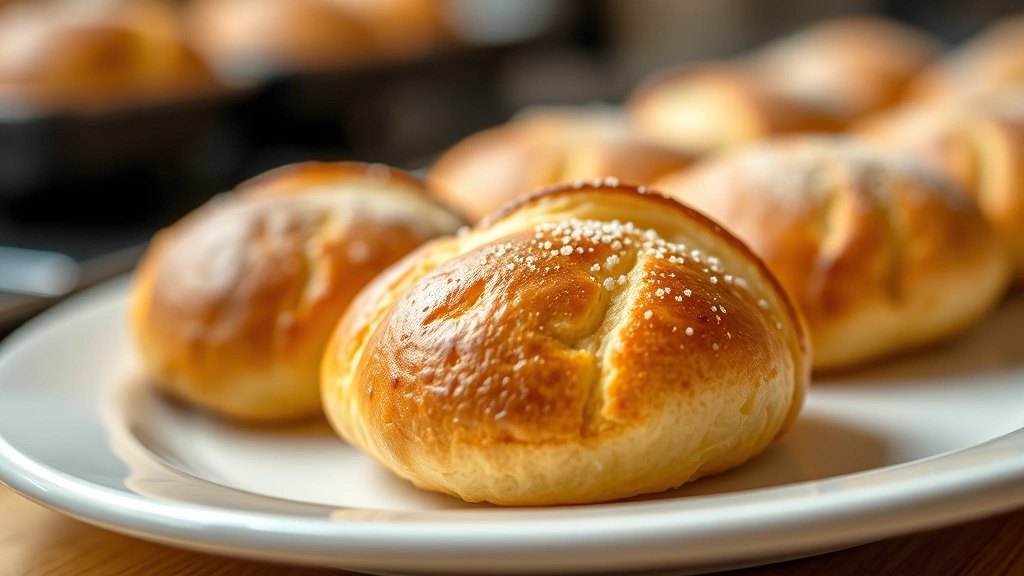
Bierocks Recipe Guide: Family Favorite Edition
Bierocks are delightful hand-held pastries filled with seasoned ground beef, cabbage, and onions—a beloved comfort food with deep roots in Central European and Great Plains cuisine. These savory pockets have been passed down through generations of families, particularly in communities with German and Russian heritage. Whether you’re preparing them for a summer potluck or a weeknight dinner, this comprehensive guide will walk you through every step of creating authentic, restaurant-quality bierocks at home.
The beauty of a bierocks recipe lies in its simplicity and versatility. With just a few basic ingredients and straightforward techniques, you can create golden, flaky pastries that rival those from traditional bakeries. This family favorite edition focuses on time-tested methods that ensure tender dough, perfectly seasoned filling, and that signature golden-brown exterior that makes bierocks irresistible.
From preparing your dough to mastering the filling technique, you’ll discover why bierocks have remained a staple at family gatherings and community dinners for over a century. Let’s explore everything you need to know about making these iconic pastries from scratch.
What Are Bierocks and Their History
Bierocks, pronounced “BEER-ocks,” are savory pastries that represent the culinary intersection of Central European and American frontier cooking. These hand-sized pockets of deliciousness feature a soft, pillowy exterior made from yeast dough that encases a hearty filling of ground beef, cabbage, and caramelized onions. The name itself has uncertain origins, with some scholars suggesting it derives from the Russian word “pirog” (a type of filled pastry), while others point to German influences.
The history of bierocks is particularly strong in the Great Plains states, especially Kansas and Nebraska, where German and Russian immigrant communities settled in the late 1800s and early 1900s. These communities brought their traditional recipes and baking techniques, adapting them to local ingredients and American tastes. What emerged was a uniquely American interpretation of European filled breads—hearty, portable, and perfect for workers in the fields or mines.
Today, bierocks remain a cherished part of regional cuisine, particularly in the Midwest. They’re served at church dinners, school fundraisers, family reunions, and local restaurants. Some towns even host bierock festivals celebrating this beloved food. The recipe has remained largely unchanged over the decades, a testament to its perfect balance of flavors and textures.
Essential Ingredients for Your Bierocks Recipe
Understanding your ingredients is crucial for bierock success. Each component plays a vital role in creating the final product’s texture, flavor, and appearance. Here’s what you’ll need:
For the Dough:
- All-purpose flour (approximately 5-6 cups)
- Whole milk (1 cup, warmed)
- Active dry yeast (2¼ teaspoons or one packet)
- Sugar (¼ cup)
- Salt (1½ teaspoons)
- Butter (4 tablespoons, melted)
- Eggs (2 large)
For the Filling:
- Ground beef (2 pounds)
- Cabbage (1 small head, finely chopped)
- Onions (2 large yellow onions, diced)
- Salt (1 teaspoon)
- Black pepper (½ teaspoon)
- Garlic powder (½ teaspoon)
- Butter (2 tablespoons for sautéing)
For Assembly and Finishing:
- Egg wash (1 egg beaten with 1 tablespoon water)
- Coarse salt (optional, for topping)
Quality ingredients make a noticeable difference in your final bierocks. Use fresh, good-quality ground beef with a reasonable fat content (80/20 blend works well), and select firm, fresh cabbage for the best texture and flavor.
Making the Perfect Dough
The dough is the foundation of exceptional bierocks. A proper yeast dough should be soft, slightly sticky, and elastic—characteristics that develop through proper mixing and kneading techniques.
Step 1: Activate Your Yeast
Begin by warming your milk to approximately 110°F (43°C)—warm enough to activate yeast but not so hot that it kills the living organisms. Pour the warm milk into a large mixing bowl. Add your packet of active dry yeast and the sugar. Stir gently to combine and let this mixture sit for about 5-10 minutes until it becomes foamy on top. This foaming action confirms that your yeast is alive and active, ready to leaven your dough.
Step 2: Combine Wet Ingredients
Once your yeast mixture is foamy, add the melted butter and beaten eggs. Whisk these ingredients together until well combined. The butter should be slightly cooled so it doesn’t scramble the eggs. This mixture creates the rich, tender crumb that characterizes excellent bierocks.
Step 3: Develop the Dough
In a separate bowl, whisk together 5 cups of flour with salt. Gradually add the dry ingredients to your wet mixture, stirring with a wooden spoon or the dough hook of an electric mixer. Mix until a shaggy dough forms, then turn it out onto a lightly floured work surface. Knead the dough for 8-10 minutes, adding additional flour as needed (up to 1 cup total) to achieve a soft, slightly sticky texture that springs back when poked.
The dough should be smooth and elastic after kneading but still slightly tacky to the touch. This texture ensures tender, pillowy bierocks rather than dense, heavy ones. If using a stand mixer, use the dough hook attachment and mix for 6-8 minutes on medium speed.
Step 4: First Rise
Place your kneaded dough in a lightly oiled bowl, turning it to coat all sides. Cover the bowl with a damp kitchen towel or plastic wrap. Allow the dough to rise in a warm, draft-free location for 1-1½ hours, or until it has doubled in size. A warm kitchen, slightly warmed oven (turned off), or proofing box all work well for this stage.
Preparing the Savory Filling
While your dough rises, prepare the flavorful filling that makes bierocks so satisfying. The filling should be well-seasoned, moist, and have a pleasant texture when bitten into.
Sautéing the Aromatics
Heat 2 tablespoons of butter in a large skillet over medium heat. Add your diced onions and cook for 8-10 minutes, stirring occasionally, until they become golden and caramelized. This slow cooking process develops the onions’ natural sweetness and creates deep, complex flavors that anchor the entire filling. Be patient during this step—rushing it results in sharp, raw onion flavors rather than the mellow sweetness you’re aiming for.
Browning the Ground Beef
Increase the heat to medium-high and add your ground beef to the pan with the caramelized onions. Break the meat into small pieces with a spoon or spatula as it cooks. Continue cooking for 5-7 minutes, stirring frequently, until the beef is completely browned and no pink remains. Drain excess fat if necessary, leaving just enough to keep the mixture moist and flavorful.
Adding the Cabbage
Add your finely chopped cabbage to the beef and onion mixture. Stir well to combine. The cabbage will initially seem like a lot, but it will reduce significantly as it cooks. Continue cooking for 10-15 minutes, stirring occasionally, until the cabbage becomes tender and any excess moisture has evaporated. This step is crucial—excess moisture in the filling can make your bierocks soggy.
Seasoning Perfectly
Once the cabbage is tender, add salt, black pepper, and garlic powder. Taste the filling and adjust seasonings as needed. The filling should be well-seasoned but not overly salty. Some cooks add a pinch of caraway seeds for authentic flavor, though this is optional. Let the filling cool completely before assembling your bierocks—warm filling can make the dough difficult to work with.
Assembling and Shaping Bierocks
Once your dough has doubled and your filling has cooled, it’s time to shape your bierocks. This step requires patience and a light touch to ensure beautiful, evenly-sized pastries.
Dividing the Dough
Turn your risen dough out onto a lightly floured work surface and divide it into 12-16 equal pieces (12 pieces for larger bierocks, 16 for smaller ones). Roll each piece into a smooth ball by pulling the dough toward you while rotating it slightly—this creates surface tension that helps the dough rise evenly during baking.
Flattening and Filling
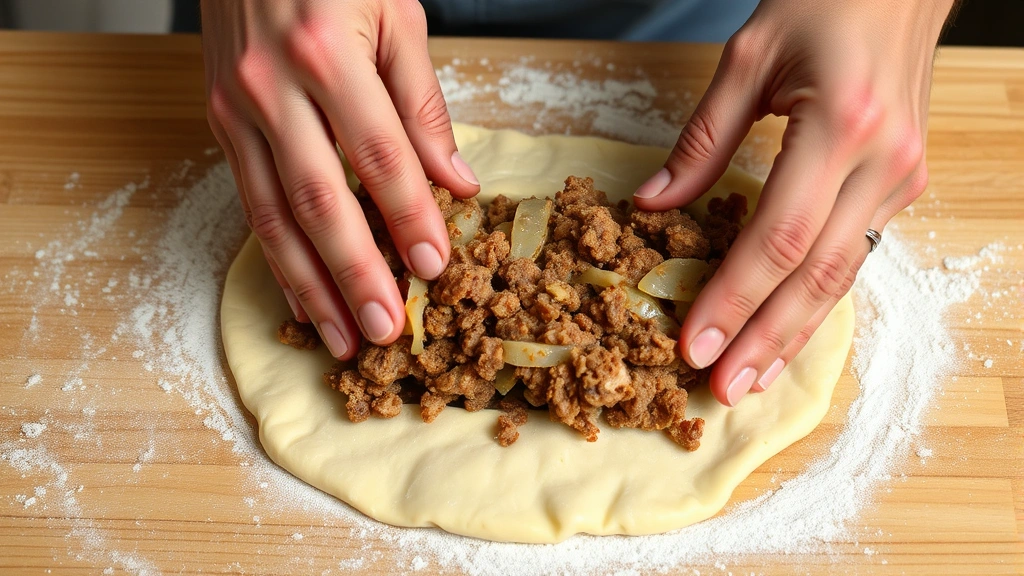
Using your hands or a rolling pin, gently flatten each dough ball into a circle about 4-5 inches in diameter. The dough should be thin enough to enclose the filling but thick enough to hold it without tearing. Place 2-3 tablespoons of cooled filling in the center of each circle, leaving about ½ inch of dough around the edges.
Sealing Technique
Fold the dough edges up and over the filling, pinching them together firmly at the top to create a sealed seam. Work carefully to ensure the seam is well-sealed—any gaps can allow filling to escape during baking. Some cooks prefer to fold the dough into a triangle, while others create a round pocket. Both methods work equally well; choose whichever feels most comfortable to you.
Final Shaping
Once sealed, gently shape each bierock into a smooth, even package. You can place it seam-side down on your baking sheet, or gently flip it seam-side up—both presentations are traditional. Arrange your shaped bierocks on greased baking sheets with about 2 inches of space between them to allow for rising.
Baking Your Bierocks to Perfection
The baking stage transforms your shaped dough into golden, fragrant bierocks that are ready to serve. Proper timing and temperature are essential for success.
Second Rise
Cover your shaped bierocks with a damp towel and allow them to rise for 30-45 minutes at room temperature. They should increase noticeably in size but not completely double—you want them puffy but still manageable. While they’re rising, preheat your oven to 375°F (190°C).
Applying the Egg Wash
Just before baking, brush each bierock generously with egg wash (1 beaten egg mixed with 1 tablespoon water). This creates the signature golden-brown, slightly glossy exterior that makes bierocks so appealing. If desired, sprinkle coarse salt on top for added flavor and texture.
Baking Process
Bake your bierocks for 20-25 minutes, until they’re golden brown and sound hollow when tapped on the bottom. The exact time depends on your oven and the size of your bierocks. If the tops are browning too quickly, tent them loosely with foil for the final few minutes of baking.
Cooling and Serving
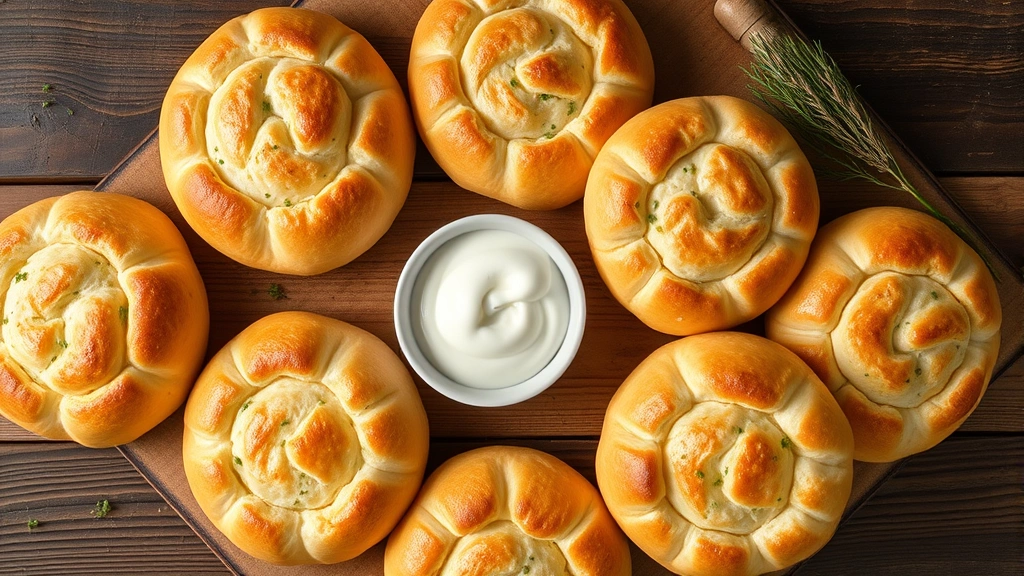
Remove your bierocks from the oven and allow them to cool on the baking sheet for 5 minutes before transferring to a wire rack. They’re delicious served warm or at room temperature. Many families serve them with a simple sour cream dipping sauce or alongside soup, much like the beef stew recipe tradition.
Storage and Make-Ahead Tips
One of the greatest advantages of bierocks is their make-ahead versatility. These pastries can be prepared in advance and reheated, making them perfect for busy families.
Refrigerator Storage
Cooled bierocks keep well in the refrigerator for up to 4 days when stored in an airtight container. To reheat, wrap them loosely in foil and warm in a 350°F (175°C) oven for 10-15 minutes until heated through. This method restores the texture better than microwave reheating.
Freezer Storage
Bierocks freeze exceptionally well for up to 3 months. You have two options: freeze them before or after baking. For pre-baked freezing, arrange cooled bierocks on a baking sheet, freeze until solid, then transfer to freezer bags. To reheat, bake from frozen at 350°F (175°C) for 20-25 minutes. For pre-baked freezing, cool completely, wrap individually in foil, and store in freezer bags. Reheat wrapped bierocks at 350°F (175°C) for 10-15 minutes.
Make-Ahead Dough
You can prepare the dough up to 24 hours in advance. After the first rise, divide and shape your bierocks, then refrigerate them overnight on baking sheets covered with plastic wrap. The next day, remove them from the refrigerator 30 minutes before baking, then proceed with the second rise and baking as normal. This extended cold rise actually develops more complex flavors in the dough.
Filling Preparation
The filling can be prepared 2-3 days in advance and stored in an airtight container in the refrigerator. This makes assembling your bierocks much quicker on the day you plan to bake them. Simply allow the filling to come to room temperature before assembling.
For those seeking complementary dishes, consider pairing bierocks with quick breakfast recipes for brunch gatherings, or explore best mac and cheese recipe options for complete meal planning. These pastries also work wonderfully at gatherings where you serve pizza dip recipe appetizers.
For dessert following your bierock meal, consider chocolate crinkle cookies recipe for a satisfying finish.
FAQ
Can I make bierocks without yeast?
While traditional bierocks require yeast for their characteristic light, fluffy texture, you could substitute a biscuit dough or even puff pastry in a pinch. However, the result will be noticeably different from authentic bierocks. Yeast creates the tender crumb and slight chewiness that makes bierocks special.
What’s the best way to reheat frozen bierocks?
The best method is to reheat frozen bierocks in a 350°F (175°C) oven, wrapped loosely in foil, for 20-25 minutes if pre-baked or 25-30 minutes if unbaked. This restores the texture far better than microwave reheating, which can make the dough tough and rubbery.
Can I use ground turkey or another meat?
Absolutely! Ground turkey, ground pork, or even ground chicken work well as substitutes for beef. Ground turkey creates a lighter version, while ground pork adds richness. Adjust seasonings slightly based on your meat choice, as different proteins have different flavor profiles.
Why is my bierock dough too sticky?
Sticky dough usually results from either too much liquid or not enough flour. If your dough is excessively sticky during kneading, gradually add small amounts of flour (1 tablespoon at a time) until you achieve a soft, slightly tacky texture. Keep in mind that humidity affects dough consistency, so you may need more flour on humid days.
What if my bierocks are leaking filling during baking?
Leaking typically indicates that the seams weren’t sealed properly or there’s too much filling. When shaping, ensure you’re pinching the seams very firmly together. Also, use the recommended amount of filling (2-3 tablespoons per bierock) rather than overstuffing.
How do I know when bierocks are done baking?
Bierocks are done when they’re golden brown on top and sound hollow when you tap the bottom. The internal temperature should reach 165°F (74°C) when measured with a food thermometer inserted into the center of a bierock (avoiding the filling).
Can I double this bierocks recipe?
Yes, doubling works perfectly! Simply multiply all ingredients by two. You’ll need more baking sheets and may need to bake in batches, but the technique remains the same. The dough and filling both scale well.
What are some serving suggestions for bierocks?
Bierocks are delicious served warm with sour cream for dipping, alongside a simple green salad, or with a hearty soup. Some families enjoy them with mustard or gravy. They’re equally satisfying as a light lunch, dinner, or even portable lunch option for work or school.


