
Table of Contents
Introduction
We’ve all been there—excited about grilling the perfect steak, only to watch it turn into something that could double as a hockey puck. Or maybe it’s so rare it’s practically mooing. Here’s the thing: grilling a killer steak isn’t rocket science, but it does take some know-how. When you nail it though? That first bite of perfectly grilled steak is pure magic.
Why does getting it right matter so much? Well, beyond the obvious (nobody wants to waste good money on tough, flavorless meat), there’s something special about mastering the grill. It’s about those summer evenings with friends, the satisfaction of creating something incredible with your own hands, and honestly—the serious bragging rights that come with being known as the person who can grill an amazing steak. Different cuts like ribeye, sirloin, and filet mignon each have their own personality. Some are forgiving, others demand respect. Understanding what makes each one tick will transform your grilling game completely.
Let’s talk prep work—because this is where most people either set themselves up for success or disaster. Your grill needs to be clean (those old bits of charred whatever aren’t adding flavor, trust me) and properly preheated. Think of it like a cast iron pan—you want it screaming hot before that steak hits the grates. A light coating of oil and some good old salt and pepper? That’s all you need to let the beef shine. Keep it simple, but do it right.
Now for the main event. Timing isn’t just important—it’s everything. You’ve got to know your temperatures for rare, medium-rare, medium, and beyond (though we won’t judge if you prefer well-done). A meat thermometer takes the guesswork out, but learning to judge by feel is a skill worth developing. Here’s a pro tip: flip once, and only once. Then comes the hardest part—walking away. Let that steak rest for a few minutes after it comes off the grill. I know it’s tempting to dive right in, but those juices need time to settle back into the meat. Want to get fancy? Try some marinades or compound butter. Wood chips can add a smoky depth that’ll have your neighbors wondering what smells so incredible.
Even the best of us run into problems sometimes. Flare-ups happen. Steaks get overcooked. The key is knowing how to troubleshoot when things go sideways. And hey, if you’re dealing with a special occasion or just want to focus on other parts of the meal, there’s no shame in getting help from a good butcher. They know their stuff and can point you toward cuts that’ll make your job easier.
What You’ll Learn in This Guide
Ready to become the steak grilling hero of your neighborhood? We’re going to walk through everything you need to know, from picking the right cut to avoiding those rookie mistakes that can turn dinner into disappointment. Here’s what we’ll cover:
- Choosing the Right Steak: Understand the differences among popular steak cuts such as ribeye, sirloin, and filet mignon. Learn how steak thickness and quality impact grilling results.
- Preparing Your Grill: Get expert tips on cleaning, preheating, and seasoning techniques that set the foundation for perfectly grilled steak.
- Step-by-Step Grilling Process: Follow detailed instructions on grilling times, temperatures, flipping, and resting to achieve your preferred level of doneness every time.
- Tips for Perfect Results: Discover how to enhance flavor with marinades and sauces, use a meat thermometer accurately, and avoid common pitfalls for consistently delicious steak.
While we’re talking about creating amazing meals, it’s worth noting how different cooking skills complement each other. Mastering how to make homemade pasta pairs beautifully with a perfectly grilled steak for those times when you want to pull out all the stops. And since good steaks aren’t cheap, learning some solid food waste reduction tips can help you make the most of your investment while being kinder to your wallet and the planet.
Plus, if you’re thinking about the bigger picture of healthy eating, exploring foods rich in antioxidants can help you round out your steak dinners with sides that bring both flavor and nutritional balance to the table.
By the time we’re done here, you’ll have the confidence to fire up that grill and create steaks that’ll have people asking for your secrets. Sound good? Let’s get started!
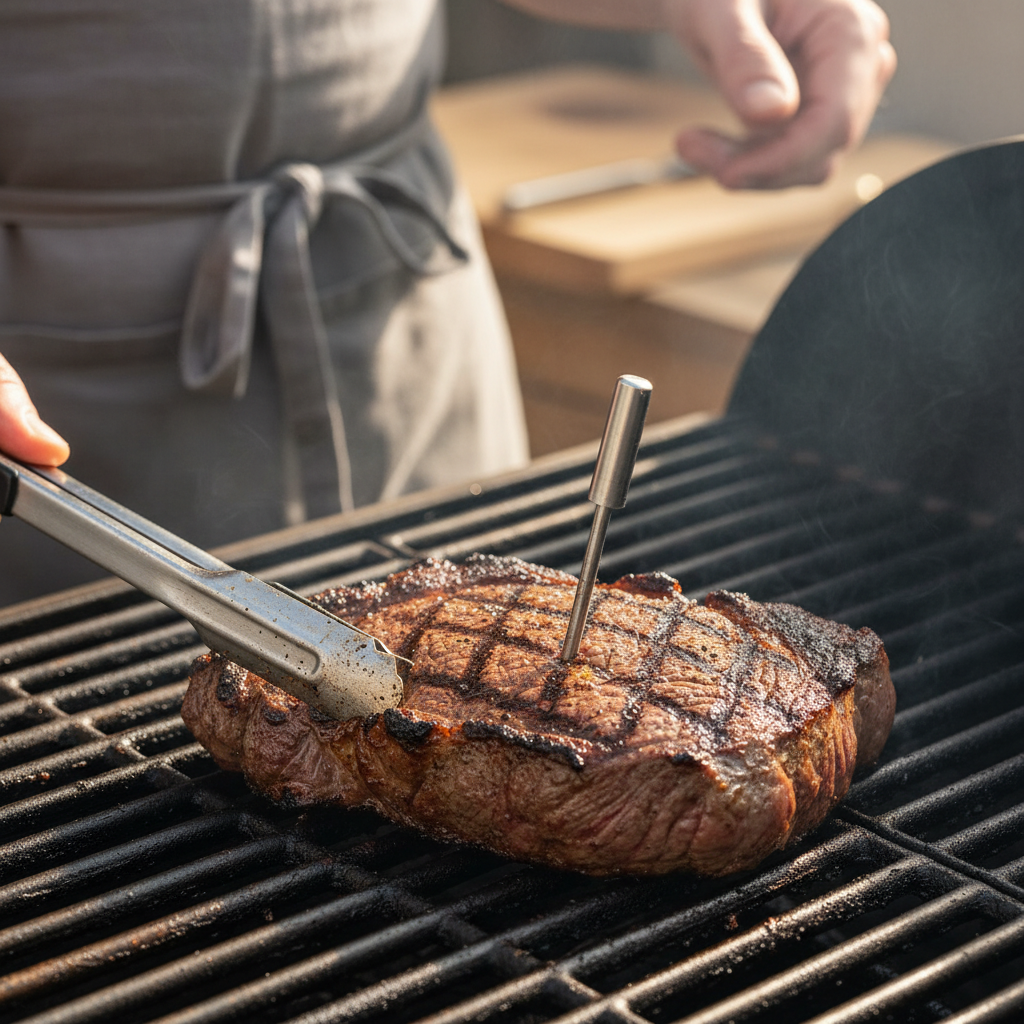
Here’s the thing about grilling steak—it’s equal parts science and art. You’ve got your basics down, but now we’re diving into what really makes the difference between “pretty good” and “absolutely incredible.” We’re talking about choosing the right cut (because not all steaks are created equal), getting your grill ready for action, and nailing the cooking process every single time. Master these elements? You’ll be the person everyone calls when they want to know how to grill the perfect steak.
Choosing the Right Steak for Optimal Grilling
Your steak choice can make or break your entire grilling game. Think of it like this—you wouldn’t use a butter knife to cut down a tree, right? Same logic applies here. Ribeye brings those beautiful fat streaks (we call it marbling) that basically baste your steak from the inside out. Pure magic. Sirloin? That’s your reliable middle ground—leaner but still packed with flavor. And filet mignon is like the luxury sedan of steaks: incredibly tender, though it won’t knock your socks off flavor-wise.
Now here’s something most people mess up: thickness matters. A lot. You want at least an inch of thickness, maybe more. Why? Because thin steaks are like trying to toast bread on high heat—by the time you get a decent sear, the inside is already overcooked. Thick steaks give you that gorgeous crust while keeping the center exactly how you want it. When you’re at the butcher or grocery store, look for steaks that have good marbling, feel firm to the touch, and pass the freshness test. Understanding the differences between organic and non-organic options can actually help you make smarter choices about quality and flavor—it’s worth knowing what you’re paying for.
Key Aspects of Selecting Steak Cuts
Let’s break down what to look for when you’re steak shopping:
- Marbling and Fat Content: Those white streaks running through your steak? That’s liquid gold. Ribeye is the champion here—all that marbling melts as it cooks, keeping everything juicy and adding incredible flavor. More marbling generally means more flavor, so don’t shy away from it.
- Cut Characteristics: Each cut has its own personality. Sirloin gives you that perfect balance of lean and tasty. Filet mignon is butter-soft but needs a little help in the flavor department (hello, seasoning!). Know what you’re getting into before you fire up the grill.
- Steak Thickness: One inch minimum, people. This isn’t negotiable if you want restaurant-quality results. Thick steaks let you control the cooking process instead of racing against the clock. Trust me on this one.
- Freshness and Source: Fresh beats frozen every time, and quality matters more than you think. Do a little homework on where your steak comes from—it’ll show up on your plate. Sometimes paying a bit more upfront saves you from disappointment later.
Once you’ve got your perfect cut picked out, it’s time to get that grill ready. Because even the best steak in the world can’t save you from a poorly prepared grill.
Grill Preparation and Mastering the Cooking Process
A clean grill is a happy grill. Seriously—those crusty bits from last week’s burgers aren’t adding flavor, they’re just making your steak stick and taste weird. Give those grates a good scrub, then crank up the heat. We’re talking hot—like 450-500°F hot. That initial sear is what locks in all those juices and creates that beautiful crust everyone raves about. A little oil on the grates (or on your steak) works like a charm to prevent sticking, and keep your seasoning simple. Salt and pepper are usually all you need to let that beef flavor shine.
Want to take your overall cooking game up a notch? Learning about maintaining a balanced diet can help you plan complete meals around your perfectly grilled steaks. Because let’s face it—a great steak deserves equally great sides.
Critical Steps for Grill and Steak Preparation
Here’s your game plan for grilling success:
- Cleaning and Preheating: Start with a wire brush and scrape off anything left from your last grilling session. Then get that grill screaming hot—around 450-500°F. This is where the magic happens, so don’t rush this step.
- Oiling the Grill or Steak: A light coating of oil prevents the dreaded stick-and-tear situation. You can oil the grates or brush a little on your steak—either way works. Just don’t go overboard.
- Simple Seasoning: Kosher salt and fresh black pepper, applied generously right before grilling. That’s it. Don’t overthink this part—let the steak be the star of the show.
- Heat Management: Set up heat zones on your grill. You want scorching hot for the initial sear, then a cooler area to finish thicker cuts without burning the outside. It’s like having a fast lane and a cruise lane on your grill.
With your grill prepped and steak seasoned, you’re ready for the main event. The actual grilling is where timing, temperature control, and a little bit of intuition come together to create something absolutely delicious.

Here’s the thing about grilling the perfect steak—it’s not rocket science, but it does require knowing a few key secrets. Your success starts right at the butcher counter. Whether you go for a richly marbled ribeye, a well-balanced sirloin, or that melt-in-your-mouth filet mignon, you’re setting yourself up for greatness. Just remember this: go thick or go home. Anything less than an inch thick? You’re asking for trouble. You want that gorgeous sear on the outside while keeping everything juicy inside.
And let’s talk about your grill for a second. Clean it. Oil it. Get it blazing hot. I can’t stress this enough—a properly prepped grill is your best friend. No sticking, no flare-ups, just pure grilling magic. Keep the seasoning simple too. Salt and pepper? That’s all you need. Let the steak be the star of the show.
Now here’s where things get interesting. Grilling is part science, part gut feeling. Sure, you need to know your temperatures (rare to well-done), but you also need to trust your instincts. Flip once—and only once. I know it’s tempting to mess with it, but resist the urge. Your steak will thank you for it.
The secret that separates good from amazing? Resting. Give that beautiful piece of meat 5-10 minutes to chill out after it comes off the grill. Those juices need time to work their magic and redistribute throughout the steak. Trust me on this one—it makes all the difference.
Want to take things up a notch? Grab a meat thermometer for foolproof results. Try marinating leaner cuts for extra flavor and tenderness. Slap some compound butter on top after grilling. These little touches turn a good steak into something special. And hey, if you’re ever unsure about anything, don’t be shy about asking your butcher for advice. They’ve seen it all and can point you in the right direction.
Ready to expand your kitchen game beyond the grill? Perfect timing. Learning how to make homemade pasta pairs beautifully with your newfound steak skills—imagine serving that perfect ribeye alongside fresh fettuccine. While you’re at it, check out some practical food waste reduction tips to make every ingredient count (because quality ingredients deserve respect). Looking for the perfect sides? Explore foods rich in antioxidants for colorful, nutritious accompaniments that’ll make your plate as beautiful as it is delicious. And if you’re thinking bigger picture about your health journey, this guide on balanced diet benefits shows how great grilling fits into an overall healthy lifestyle.
Look, grilling the perfect steak isn’t just about technique—it’s about passion. It’s about those moments when you nail that perfect medium-rare and everyone at the table goes quiet for the first bite. Keep experimenting. Try new flavors. Pair your steaks with sides that make sense. Your grill isn’t just a cooking tool; it’s your ticket to creating memories, impressing friends, and maybe even surprising yourself with what you can accomplish. So fire it up, embrace the process, and get ready to enjoy some seriously good eating.
Frequently Asked Questions
-
What is the best cut of steak for grilling?
- Ribeye is popular for its rich marbling and flavor, but sirloin and filet mignon are also excellent choices depending on your taste and texture preference.
-
How do I know when my steak is done?
- Using a meat thermometer is the most accurate method; alternatively, learning touch and visual cues can help you gauge doneness reliably.
-
Should I marinate my steak before grilling?
- Marinating can enhance flavor and tenderness, especially for leaner cuts, but it is optional depending on the steak type and desired taste.
-
How long should I let my steak rest?
- Let your steak rest for 5-10 minutes after grilling to allow juices to redistribute for optimal juiciness and tenderness.
-
Can I grill steak on a gas grill?
- Yes, gas grills can produce excellent steaks when properly preheated and managed for consistent high heat and even cooking.