Cajun Seafood Boil Perfection: Expert Tips for Restaurant-Quality Results
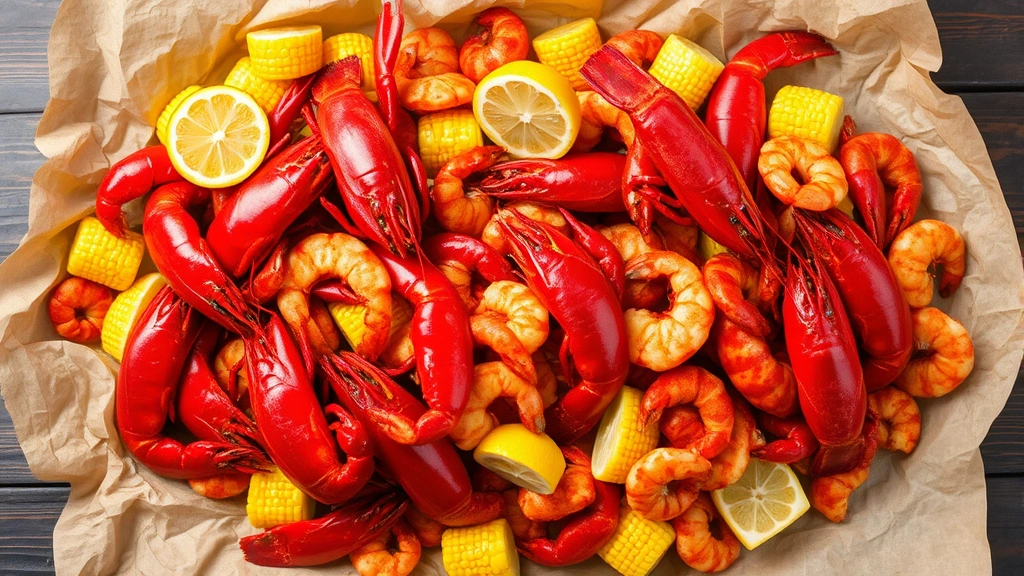
A cajun seafood boil is more than just a meal—it’s a celebration of bold flavors, vibrant spices, and the coastal traditions of Louisiana. Whether you’re hosting a backyard gathering or craving an authentic taste of the bayou, mastering this classic dish requires understanding the balance of heat, seasoning, and timing. This comprehensive guide will walk you through everything you need to know to create a cajun seafood boil that rivals your favorite restaurant.
The beauty of a cajun seafood boil lies in its versatility and accessibility. You don’t need fancy techniques or hard-to-find ingredients—just quality seafood, the right spice blend, and confidence in your approach. From selecting the freshest ingredients to nailing the perfect boil temperature, we’ll cover all the insider secrets that separate a good boil from an exceptional one.
Understanding Cajun Flavors and Spice Profiles
Cajun cuisine draws inspiration from French, African, and Spanish culinary traditions, creating a distinctive flavor profile characterized by bold spices, heat, and depth. The foundation of cajun seasoning typically includes cayenne pepper, paprika, garlic, onion, thyme, and bay leaves. Unlike creole cuisine, which emphasizes tomato-based sauces, cajun cooking relies on direct seasoning and cooking methods that build complex flavors through layering.
The key to authentic cajun seafood boil is understanding the difference between heat and flavor. Many home cooks make the mistake of adding excessive cayenne pepper, thinking spiciness equals authenticity. In reality, traditional cajun boils balance heat with aromatic spices that create a multi-dimensional taste experience. The paprika provides smokiness, the garlic and onion add sweetness and depth, and the cayenne delivers the signature kick.
When building your spice blend, consider the ratio: for every tablespoon of cayenne pepper, use two tablespoons of paprika, one tablespoon of garlic powder, one tablespoon of onion powder, and one teaspoon each of dried thyme, oregano, and black pepper. This creates a well-rounded seasoning that enhances rather than overwhelms the natural sweetness of the seafood.
Selecting Premium Seafood for Your Boil
The quality of your seafood directly impacts the final dish. Fresh, properly sourced ingredients make all the difference between an ordinary boil and an extraordinary one. When shopping for your cajun seafood boil, prioritize freshness and sustainability.
Shrimp: Choose large shrimp (16/20 or 20/25 count per pound) with firm flesh and a fresh ocean smell. Avoid shrimp that smell ammonia-like, as this indicates age. Wild-caught Gulf shrimp offers superior flavor compared to farm-raised varieties, though both work well if fresh.
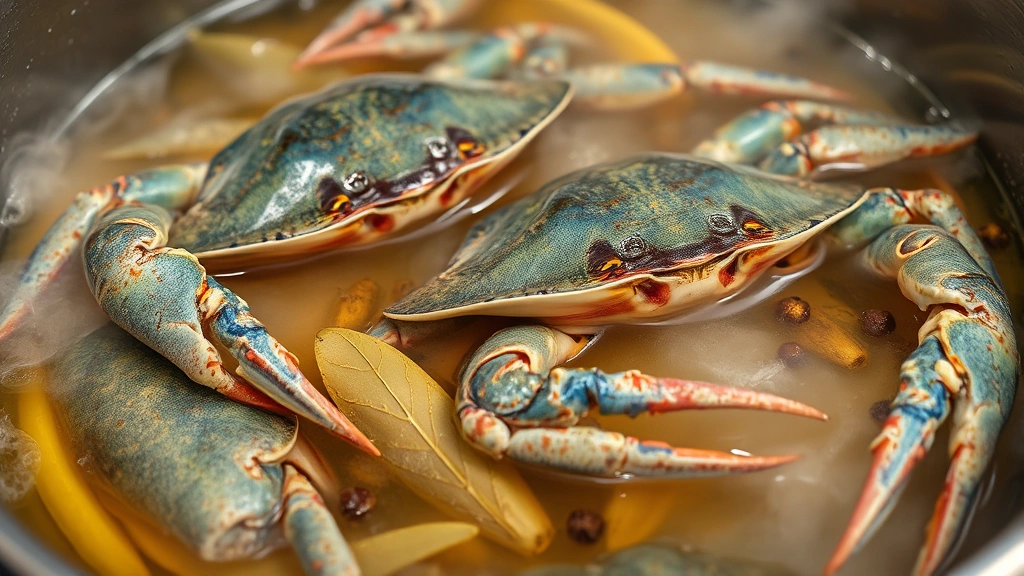
Crab: Blue crabs are traditional for Louisiana boils. Live crabs are ideal, but if unavailable, choose those with active movement and minimal shell damage. Live crabs should be used within 24 hours of purchase for best results.
Crawfish: If available in your region, live crawfish are essential for authentic flavor. They should be active and responsive. Store them in a cool, damp environment and cook within 24 hours.
Mussels and Clams: Select specimens with tightly closed shells. Discard any that remain open after cooking or have cracked shells before cooking. These add briny sweetness to your boil.
Pro tip: Visit your local fish market rather than supermarket seafood counters. Fish market vendors typically have fresher inventory and can advise on the best daily selections. Building a relationship with your fishmonger ensures access to premium quality and insider knowledge about sourcing.
Essential Equipment and Setup
Successful cajun seafood boil preparation requires proper equipment. While the process seems simple, having the right tools ensures even cooking and safety.
Boiling Pot: Use a large stainless steel pot with a minimum capacity of 20 quarts. The pot should be deep enough to accommodate seafood with adequate liquid coverage. Avoid aluminum pots, which can react with acidic ingredients and affect flavor.
Strainer Basket: A large mesh strainer or crab basket allows you to remove cooked seafood efficiently without burning yourself. This is crucial for managing the multiple cooking stages.
Thermometer: An instant-read thermometer helps monitor water temperature precisely. Cajun boils require specific temperature maintenance for optimal results.
Cutting Board and Knife: You’ll need a dedicated seafood cutting board and sharp knife for preparing vegetables and aromatics.
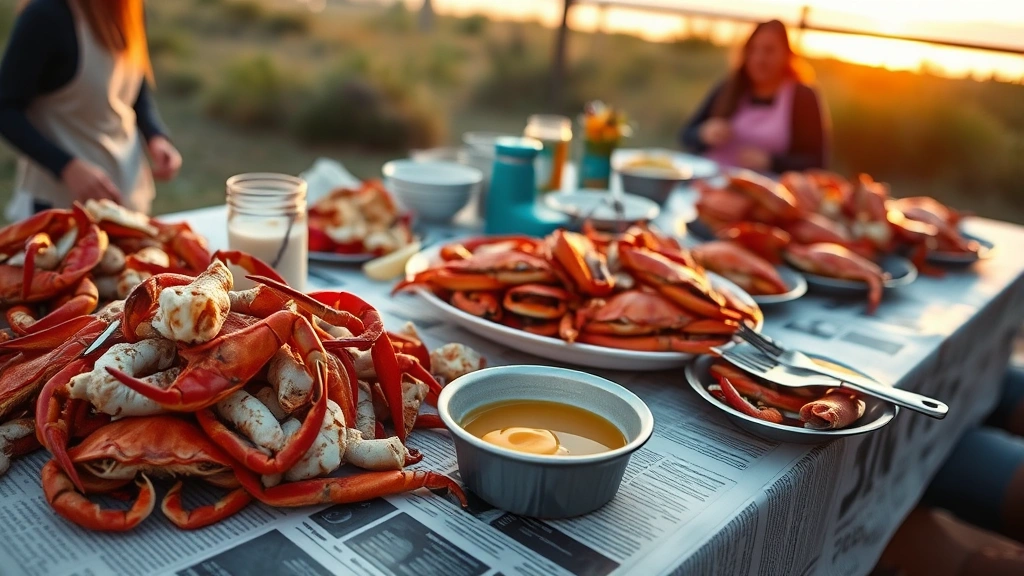
Serving Setup: Consider a large table lined with butcher paper or newspaper for authentic presentation. Provide nutcrackers, small forks, bibs, and wet napkins for guests.
For those interested in alternative cooking methods, explore Easy Instant Pot Recipes to discover how pressure cooking adapts this traditional dish. Similarly, you might investigate Ninja Air Fryer Recipes for modern cooking approaches, though traditional boiling remains the gold standard for authentic cajun preparation.
Building Your Boil Liquid Base
The boil liquid is the foundation of your cajun seafood boil. This aromatic broth infuses every ingredient with flavor and should be prepared with care and attention to detail.
Core Ingredients: Begin with 6-8 gallons of water as your base. Add 2 cups of salt (use kosher salt for better control), creating a brine that mimics ocean water. This prevents osmotic fluid loss from the seafood, keeping it tender and flavorful.
Aromatics: Include 6-8 quartered onions, 8-10 crushed garlic cloves, 2-3 tablespoons of whole black peppercorns, 6-8 bay leaves, and 3-4 tablespoons of dried thyme. These aromatics should be added at the beginning of the boil to develop a deep, complex flavor base.
Spices and Seasonings: Add 3-4 tablespoons of cayenne pepper, 5-6 tablespoons of paprika, 2-3 tablespoons of garlic powder, 2-3 tablespoons of onion powder, 2 tablespoons of dried oregano, and 1-2 tablespoons of red pepper flakes. Some cooks include whole dried chiles for additional depth.
Optional Flavor Boosters: Consider adding 2-3 tablespoons of liquid crab boil seasoning (like Zatarains or Zatarain’s brand), 4-6 quartered lemons or limes, and 2-3 tablespoons of hot sauce for additional complexity. Fresh dill or fennel can add unexpected aromatic notes.
The liquid should smell intensely aromatic and taste bold before any seafood enters the pot. Taste a spoonful and adjust seasonings as needed. Remember, the seafood will dilute flavors slightly, so the broth should be slightly more seasoned than your final preference.
Step-by-Step Cooking Instructions
Proper execution of cooking steps ensures each ingredient reaches perfect doneness simultaneously.
Step 1: Prepare and Heat the Broth Combine all liquid base ingredients in your large pot. Bring to a rolling boil over high heat, then reduce to a medium-high boil that maintains consistent temperature without boiling over. This preparation stage takes 20-30 minutes and allows flavors to meld.
Step 2: Add Vegetables and Potatoes Once the broth reaches proper temperature, add 4-6 pounds of small red potatoes (halved if large), 4-6 ears of corn cut into thirds, and 1-2 pounds of smoked sausage cut into 2-inch pieces. These hearty ingredients need 15-20 minutes to cook through before seafood is added.
Step 3: Monitor Temperature and Flavor Maintain a consistent boil throughout cooking. The liquid should actively bubble but not boil over. Taste the broth at this stage and adjust seasonings if needed—this is your last opportunity before seafood enters.
Step 4: Add Crab and Crawfish Once potatoes are nearly tender, add live crabs and crawfish. These require 8-12 minutes of cooking time and should be added before more delicate shrimp. Maintain the boil temperature consistently.
Step 5: Introduce Shrimp and Shellfish After crabs and crawfish have cooked for 5-7 minutes, add large shrimp, mussels, and clams. These delicate proteins cook quickly—shrimp in 3-4 minutes, mussels and clams in 4-6 minutes. Shrimp are done when they turn pink and firm; mussels and clams open when cooked.
Step 6: Final Seasoning Adjustment As seafood finishes cooking, taste the broth one final time. Add more cayenne for heat, paprika for depth, or salt for overall seasoning. Many cooks finish with a squeeze of fresh lemon juice for brightness.
Step 7: Careful Removal and Draining Using your strainer basket, carefully remove all cooked seafood and vegetables, allowing excess broth to drain back into the pot. Avoid overcrowding the basket, which can cause uneven draining and temperature drops.
Timing Each Ingredient Perfectly
Timing is perhaps the most critical factor in cajun seafood boil success. Each ingredient has a specific cooking window, and understanding these windows prevents overcooked rubber shrimp or undercooked crab.
Potatoes: 15-20 minutes Small red potatoes should be fork-tender but still hold their shape. Larger potatoes may require 20-25 minutes. Test with a fork—they should yield easily but not fall apart.
Corn: 8-12 minutes Fresh corn kernels should be tender and sweet. Overcooked corn becomes mushy; undercooked corn lacks sweetness. Check doneness by piercing a kernel with your fingernail—it should release milky juice.
Sausage: 5-7 minutes Smoked sausage is already cooked; you’re simply heating it through and infusing it with cajun flavors. Too long in the boil causes the casing to split.
Crab: 12-15 minutes Live crabs require longer cooking to ensure the meat is fully cooked and safe. The shell should turn bright red or orange, and legs should be easy to pull from the body.
Crawfish: 8-10 minutes These smaller crustaceans cook faster than crabs. The shell should turn bright red, and the tail meat should be opaque and firm. Overcooked crawfish becomes tough.
Shrimp: 3-4 minutes This is where timing becomes critical. Large shrimp turn pink and firm in just 3-4 minutes. A single minute of overcooking produces rubbery texture. Add shrimp only after crabs and crawfish have cooked for 5-7 minutes.
Mussels and Clams: 4-6 minutes These open when cooked. Discard any that don’t open after 6 minutes of cooking. Overcooking toughens the meat.
Pro technique: Use a timer for each ingredient addition. Write down your start time and calculate finish times based on ingredient cooking duration. This removes guesswork and prevents the common mistake of overcooking delicate proteins.
Flavor Enhancement Techniques
Moving beyond basic preparation, several techniques elevate your cajun seafood boil from good to exceptional.
Develop Deeper Spice Complexity: Toast your dried spices in a dry skillet for 1-2 minutes before adding to the broth. This blooming technique intensifies flavors and creates a more complex taste profile. Be careful not to burn them—you want fragrance, not char.
Create an Infused Oil: Combine 1 cup of neutral oil with 4-5 tablespoons of your cajun spice blend, then drizzle this spiced oil over cooked seafood before serving. This adds richness and concentrated flavor without overwhelming the broth.
Use Smoked Ingredients: Substitute regular sausage with andouille sausage, a traditional Louisiana smoked sausage that adds authentic depth. Smoked paprika can replace regular paprika for additional complexity.
Incorporate Fresh Herbs: Reserve fresh parsley, green onions, and cilantro to sprinkle over the finished boil. These bright, fresh elements balance the heavy spices and add visual appeal.
Master the Broth Reduction: After removing seafood, continue simmering the broth for 10-15 minutes to concentrate flavors. This intensified liquid can be served in small cups as a complementary drink alongside the meal.
Add Umami Depth: A tablespoon or two of soy sauce or fish sauce adds savory depth that rounds out the flavor profile. Add these carefully—start with small amounts and adjust to taste.
Consider maintaining a Recipe Binder where you document your spice ratios and techniques. This allows you to refine your approach over multiple boils and create a personalized version that reflects your preferences.
Serving and Presentation Tips
The presentation and service method significantly impact the dining experience. Cajun seafood boils are meant to be social, interactive, and visually impressive.
Table Setup: Line your serving table with several layers of butcher paper or newspaper. This traditional approach protects the table and makes cleanup simple. Anchor the paper with tape so it doesn’t shift as guests work.
Strategic Placement: Arrange cooked seafood and vegetables in the center of the table. Create piles of shrimp, crabs, corn, potatoes, and sausage rather than mixing them together. This allows guests to choose their preferred ratios.
Essential Accompaniments: Provide small bowls of melted butter infused with garlic and lemon, cocktail sauce, and hot sauce. These condiments allow guests to customize their experience. Include crusty bread for soaking up the flavorful broth.
Guest Preparation: Provide bibs, wet napkins, small crab forks, and nutcrackers. Many guests are unfamiliar with eating whole crabs and crawfish, so clearly demonstrating the eating technique helps them enjoy the meal fully.
Beverage Pairings: Crisp white wines like Sauvignon Blanc or Pinot Grigio complement the spicy, briny flavors. Cold beer—particularly pilsners or wheat beers—provides excellent contrast to the heat. Sweet tea or lemonade offer non-alcoholic options.
Timing Considerations: Serve the boil immediately after cooking when seafood is still warm and flavors are at their peak. Have everything else on the table ready before you begin draining the pot, so guests can start eating immediately.
Leftover Management: Store leftover cooked seafood in airtight containers in the refrigerator for up to two days. The broth can be frozen for future use as a base for seafood soups or rice dishes. However, fresh boils are significantly superior to reheated versions.
For those seeking complementary dishes, explore options like Ground Beef and Rice Recipes or Taco Pasta Recipe for sides that pair well with your boil menu.
FAQ
What’s the difference between cajun and creole seafood boils?
Cajun boils emphasize direct seasoning and bold spices without tomato-based sauces, while creole boils often incorporate tomatoes, okra, and a roux base. Cajun cuisine developed in rural Louisiana, reflecting available ingredients and straightforward cooking methods. Creole cuisine emerged in New Orleans with more refined French influences. For seafood boils specifically, cajun preparations focus on the broth’s spice profile, while creole versions might include tomato-based elements.
Can I use frozen seafood for my boil?
While fresh seafood is significantly superior, properly thawed frozen seafood works acceptably. Thaw frozen seafood in the refrigerator overnight before cooking. Avoid thawing at room temperature, which promotes bacterial growth. Frozen seafood often contains less flavor and has a slightly different texture due to ice crystal formation during freezing. If using frozen, reduce cooking times slightly as the freezing process partially cooks the proteins.
How do I know when crabs and crawfish are fully cooked?
Live crabs and crawfish turn bright red or orange when fully cooked. The shell color changes from blue or brown to vibrant red. Additionally, properly cooked crabs should have legs that pull away from the body easily, and the meat should be opaque white rather than translucent. Crawfish tails should be firm and opaque throughout. When in doubt, cook slightly longer rather than undercooking, as undercooked shellfish poses health risks.
What size pot do I need for a seafood boil?
A minimum 20-quart pot accommodates a boil for 8-10 people. For larger gatherings, consider a 30-40 quart pot or multiple smaller pots. The pot should be deep enough that seafood is covered by at least 2-3 inches of liquid. Insufficient liquid results in uneven cooking and potential sticking. Many people rent commercial-sized pots from restaurant supply stores for large gatherings.
Can I prepare the broth ahead of time?
Yes, preparing the broth 4-6 hours in advance is an excellent time-saving strategy. Prepare all liquid base ingredients and bring to a boil, then reduce heat and keep warm until you’re ready to add seafood. This allows flavors to deepen and gives you more flexibility on serving time. Store the broth in the pot, covered, to prevent flavor loss. Bring back to a rolling boil before adding seafood.
What’s the best way to store leftover seafood?
Remove cooked seafood from the shell if desired and store in airtight containers in the refrigerator for up to two days. Properly stored seafood can be reheated gently in the oven at 325°F for 10-15 minutes, though texture will be slightly compromised. The broth can be frozen in ice cube trays for future use in seafood soups, risottos, or as a cooking base for rice dishes. Frozen broth maintains quality for up to three months.
How do I adjust heat level in my cajun seafood boil?
Control heat by adjusting cayenne pepper and red pepper flakes. Start with the lower end of recommended amounts—you can always add more heat, but you cannot remove it. For milder versions, reduce cayenne to 1-2 tablespoons and eliminate red pepper flakes entirely. Serve hot sauce and additional cayenne on the side so guests can customize their heat level. Remember that seafood naturally tastes spicier when hot, so allow for cooling before making final adjustments.
What vegetables work best in a cajun seafood boil?
Traditional vegetables include red potatoes, corn, onions (in the broth), and garlic (in the broth). Some regional variations include artichoke hearts, okra, or bell peppers. Green beans and asparagus work but cook very quickly—add them in the final 2-3 minutes. Avoid vegetables that become mushy quickly, like zucchini or summer squash. Root vegetables like carrots take longer and should be added with potatoes.
Can I make cajun seafood boil indoors?
Yes, though outdoor cooking is traditional due to the large pot size and steam production. Indoor boiling works fine with proper ventilation—ensure your range hood is running at maximum capacity. The steam and strong spice aromas will permeate your kitchen and linger for several hours. If cooking indoors, open windows for additional ventilation. Many cooks prefer outdoor boiling specifically to avoid this issue and to create a festive atmosphere.
What external resources help master seafood cooking?
The Culinary Institute of America offers comprehensive resources on seafood preparation and cooking techniques. For ingredient knowledge, consult Food Pairing to understand flavor combinations in cajun cuisine. The Serious Eats website provides detailed scientific explanations of cooking processes and seafood behavior at various temperatures. Additionally, Louisiana Kitchen specializes in authentic regional recipes and techniques, while Seafood Watch provides sustainable sourcing guidance.


