Sweet & Spicy Candied Jalapenos: Pro Chef Recipe
Candied jalapenos are a game-changing condiment that professional chefs have been perfecting for years. This sweet and spicy recipe transforms simple peppers into a versatile garnish and flavor component that elevates everything from burgers to cheese boards. The beauty of this technique lies in its balance—the heat of fresh jalapenos meets the sweetness of brown sugar and the tanginess of vinegar, creating a complex flavor profile that keeps people coming back for more.
Whether you’re looking to impress guests at your next dinner party or simply want to stock your pantry with gourmet condiments, mastering candied jalapenos is easier than you think. This pro chef recipe breaks down the process into manageable steps, ensuring consistent results every time. The peppers maintain their signature crunch while developing a glossy, caramelized exterior that makes them irresistible.
What Are Candied Jalapenos?
Candied jalapenos represent a culinary technique that marries preservation with flavor enhancement. Unlike simple pickled peppers, candied jalapenos undergo a specific cooking process where they’re simmered in a syrup made from sugar, vinegar, and spices. This method creates a unique texture and taste profile that’s become a staple in modern cuisine.
The appeal of candied jalapenos extends beyond their taste. They serve multiple purposes in the kitchen: as a topping for nachos and tacos, a garnish for cocktails, a component in homemade sauces, and even as a standalone appetizer. Professional chefs appreciate them because they add depth and complexity to dishes while requiring minimal preparation at service time.
The sweet-spicy combination works on a neurological level—the capsaicin from jalapenos triggers heat receptors, while sugar activates sweetness receptors, creating a dynamic eating experience. This balance is what separates amateur versions from pro-level candied jalapenos.
Essential Ingredients & Substitutions
Creating authentic candied jalapenos requires quality ingredients. Here’s what you’ll need:
- Fresh jalapenos: 2 pounds, sliced into rings or halved lengthwise
- Brown sugar: 1.5 cups, packed
- Apple cider vinegar: 1 cup
- Water: 0.5 cup
- Mustard seeds: 1 tablespoon, for complexity
- Garlic cloves: 4-5, sliced thin
- Turmeric: 0.5 teaspoon, for color and earthiness
- Black peppercorns: 0.5 teaspoon
- Red pepper flakes: 0.25 teaspoon, optional for extra heat
- Salt: 1 teaspoon
Ingredient substitutions: If you can’t find brown sugar, white sugar works but produces a less complex flavor. Rice vinegar can replace apple cider vinegar for a milder taste. For a more sustainable approach to ingredient sourcing, consider using locally-grown jalapenos from farmers markets.
The quality of your vinegar matters significantly. Professional chefs recommend avoiding distilled vinegar, which tastes harsh. Apple cider vinegar provides a rounded, fruity note that complements the peppers beautifully. For advanced flavor development, some chefs add a tablespoon of honey or a splash of white wine to the syrup.
Step-by-Step Preparation Guide
Preparing Your Jalapenos
Start with fresh, firm jalapenos—avoid any with soft spots or blemishes. Wash them thoroughly under cool running water and pat dry with paper towels. Moisture on the peppers can dilute your syrup, so this step is crucial.
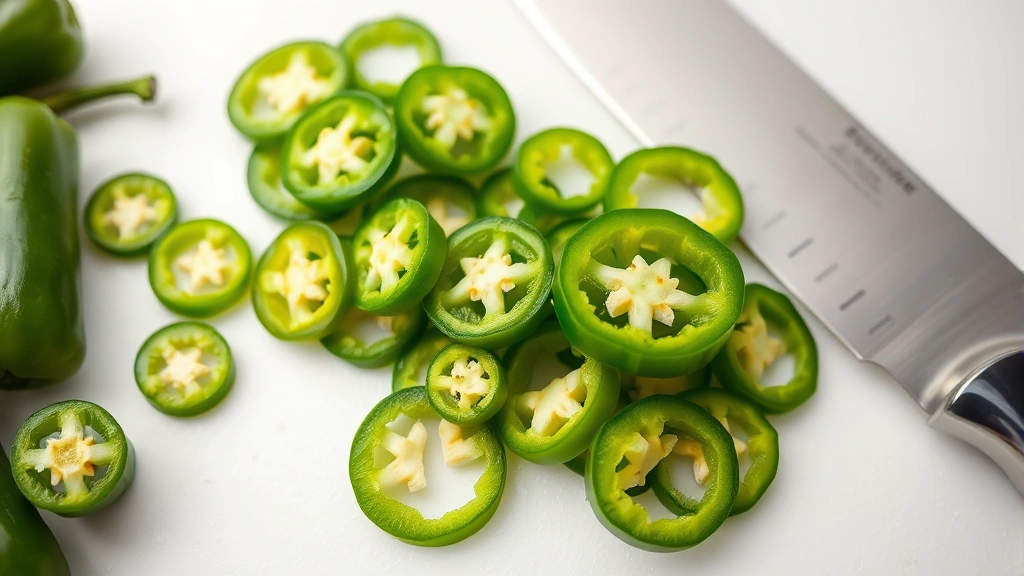
Wearing gloves is essential when working with jalapenos; the capsaicin oil can irritate your skin and eyes. Using a sharp knife, slice the peppers into rings approximately 0.25 inches thick. Some chefs prefer halving them lengthwise for a more elegant presentation. Remove the seeds if you prefer a milder final product—the seeds contain concentrated capsaicin.
A pro tip: chill your jalapenos in the refrigerator for 30 minutes before slicing. Cold peppers are firmer and slice more cleanly, resulting in uniform pieces that cook evenly.
Creating the Syrup Base
In a large, heavy-bottomed saucepan, combine the brown sugar, apple cider vinegar, and water. Place the pan over medium heat and stir occasionally until the sugar completely dissolves. This should take about 3-4 minutes. Don’t rush this step—undissolved sugar crystals can cause crystallization in your finished product.
Once the sugar is dissolved, add the mustard seeds, sliced garlic, turmeric, black peppercorns, and salt. Stir well to distribute the spices evenly throughout the liquid. The mixture should smell aromatic and slightly sharp from the vinegar.
Cooking the Jalapenos
Carefully add your prepared jalapeno slices to the simmering syrup. Stir gently to ensure all pieces are submerged in the liquid. Increase the heat to medium-high and bring the mixture to a gentle boil. Once boiling, reduce the heat to medium and maintain a steady simmer.
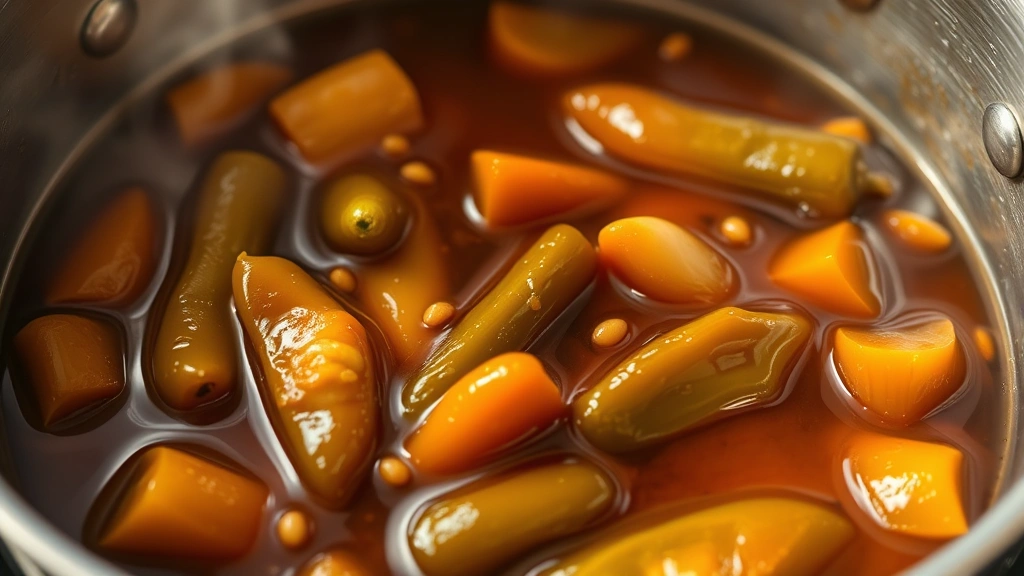
The cooking time is critical—simmer for 8-12 minutes, depending on the thickness of your jalapeno slices. You’re looking for the peppers to remain slightly firm with a slight translucency but not become mushy. Thinner slices require less time; thicker pieces need more. Stir occasionally to promote even cooking.
The syrup should reduce slightly during cooking, creating a more concentrated flavor and a glossy coating for the peppers. Professional chefs watch for the syrup to coat the back of a spoon—this indicates proper consistency.
Professional Cooking Techniques
Achieving restaurant-quality candied jalapenos involves understanding several professional cooking principles:
Temperature Control
Maintaining consistent heat is paramount. Too high a temperature will cause the peppers to soften excessively and the syrup to reduce too quickly, potentially burning the sugar. Too low a temperature extends cooking time and can result in mushy peppers. Invest in a reliable thermometer—your syrup should hover around 210-215°F (99-102°C) during the simmer.
Emulsification Techniques
Some advanced chefs add a tablespoon of butter during the final minute of cooking. The fat helps create a silkier mouthfeel and adds richness. This technique, borrowed from sauce-making methods detailed in our katsu sauce recipe, elevates candied jalapenos to gourmet status.
Flavor Layering
Professional kitchens often employ a technique called “building flavor in stages.” After the initial cooking, some chefs strain the peppers from the syrup, then reduce the syrup further on high heat for 2-3 minutes to concentrate the flavors before recombining. This creates a more intense, complex taste profile.
Cooling Process
Allow the candied jalapenos to cool in the pan for 10 minutes before transferring to storage containers. This gradual cooling helps the peppers absorb more syrup and develop better flavor. Never immediately refrigerate hot peppers—the temperature shock can affect texture.
For an additional professional touch, consider the techniques used in preparing classic remoulade, which share similar flavor-building principles with condiment preparation.
Storage & Shelf Life
Proper storage ensures your candied jalapenos maintain peak quality for months. Transfer the cooled peppers and syrup to sterilized glass jars. Mason jars work excellently and provide a professional appearance if you’re gifting them.
Before filling jars, sterilize them by running through a hot dishwasher cycle or boiling them for 10 minutes. This eliminates bacteria and extends shelf life significantly. Professional kitchens follow strict food safety protocols, and home cooks should too.
Refrigerated candied jalapenos will maintain quality for up to 3 months. The cool temperature slows bacterial growth while the acidity of the vinegar provides additional preservation. Make sure the peppers remain fully submerged in syrup—exposure to air can promote mold growth.
For longer storage, you can process the jars using a water bath canning method. Fill hot sterilized jars leaving 0.5 inch headspace, wipe rims, place lids, and process in boiling water for 10 minutes. This creates shelf-stable candied jalapenos lasting up to one year. Always follow USDA canning guidelines for safety.
Keep unopened jars in a cool, dark pantry. Once opened, store in the refrigerator and consume within 2-3 weeks for best quality. Food waste reduction tips suggest using candied jalapenos in creative ways to ensure nothing goes to waste.
Serving Ideas & Pairings
Professional chefs utilize candied jalapenos across multiple courses and applications:
Appetizers & Small Plates
Serve candied jalapenos alongside aged cheddar or smoked gouda on a charcuterie board. The sweet-spicy flavor complements rich cheeses beautifully. Top crostini with whipped cream cheese and a single jalapeno ring for an elegant bite-sized appetizer.
Main Course Applications
Crown your easy sloppy joe recipe with a generous spoonful of candied jalapenos for elevated flavor. Use them as a burger topping instead of basic pickles—the sweetness adds sophistication. Chefs also incorporate them into pulled pork sandwiches, tacos, and grain bowls.
Sauce & Condiment Integration
Blend candied jalapenos into horseradish sauce recipe bases for a unique twist. The peppers add body, color, and flavor complexity to mayo-based sauces. Some chefs puree them into BBQ sauce for a sophisticated sweet-heat balance.
Cocktail Garnishes
Modern mixology frequently features candied jalapenos as garnishes for spicy margaritas and jalapeño-forward cocktails. The visual appeal of the glossy peppers adds elegance to the glass, while the syrup can be incorporated into the drink itself.
Breakfast Applications
Top breakfast tacos, avocado toast, or breakfast burritos with candied jalapenos. The sweet-spicy profile works surprisingly well with eggs and breakfast proteins. Some chefs even add them to breakfast sausage patties for enhanced flavor.
FAQ
Can I use fresh or frozen jalapenos?
Fresh jalapenos are strongly preferred for candied jalapeno recipes. They maintain better texture and develop superior flavor. Frozen jalapenos become mushy during cooking and won’t achieve the desired crunch. Always select firm, fresh peppers from your grocery store or farmers market.
How spicy will candied jalapenos be?
The heat level depends on the jalapeno variety and whether you remove the seeds. Generally, candied jalapenos are milder than fresh jalapenos because the sugar and vinegar mellow the capsaicin. If you want more heat, leave the seeds in and add extra red pepper flakes to the syrup.
Can I make this recipe without vinegar?
Vinegar is essential for both preservation and flavor balance. Without it, the recipe won’t preserve properly, and the sweet-spicy balance will be lost. Apple cider vinegar is ideal, but white wine vinegar or rice vinegar work as substitutes.
What’s the best way to serve candied jalapenos at a dinner party?
Transfer them to an attractive serving bowl or small jar, keeping some syrup with them. Provide small spoons for guests to serve themselves. Place them on a charcuterie board with cheeses and cured meats, or offer them as a condiment station alongside main courses.
Can I adjust the sweetness level?
Yes. For less sweetness, reduce brown sugar to 1 cup and increase vinegar to 1.25 cups. For more sweetness, add an extra 0.25 cup brown sugar. Remember that reducing sugar affects preservation, so use within 4-6 weeks if you modify the recipe significantly.
Are candied jalapenos gluten-free?
Yes, this recipe is naturally gluten-free. All ingredients—jalapenos, sugar, vinegar, and spices—contain no gluten. This makes them suitable for guests with celiac disease or gluten sensitivity.
How do I know when candied jalapenos are done cooking?
The peppers should be slightly translucent and tender but still maintain some firmness. The syrup should coat the peppers with a glossy finish. If you insert a knife through a pepper ring, it should slide through with minimal resistance but not fall apart.


