Ultimate Chicken Afritada Recipe: A Beloved Filipino Family Favorite
Chicken afritada is one of the most cherished comfort foods in Filipino cuisine, bringing families together around the dinner table with its rich, savory sauce and tender chicken pieces. This classic dish represents generations of culinary tradition, combining Spanish colonial influences with Filipino home-cooking expertise to create something truly special. Whether you’re cooking for a weeknight family dinner or preparing a meal that honors your heritage, this ultimate chicken afritada recipe delivers authentic flavor with straightforward, achievable steps.
The beauty of chicken afritada lies in its simplicity and versatility. The dish features chicken braised in a tomato-based sauce enriched with potatoes, carrots, and bell peppers, creating a one-pot meal that’s both economical and deeply satisfying. The sauce develops complexity through careful layering of flavors—from the initial sautéing of aromatics to the slow simmering that allows all ingredients to meld into harmony. Once you master this foundational recipe, you’ll find yourself making it regularly, adapting it to seasonal vegetables and personal preferences while maintaining its essential character.
What Is Chicken Afritada?
Chicken afritada is a Filipino braised chicken dish that showcases the country’s unique blend of Asian and Spanish culinary traditions. The name derives from the Spanish word “afritada,” referring to a stewed or braised preparation method. This dish became a staple in Filipino households during the Spanish colonial period and has evolved into one of the nation’s most iconic comfort foods.
The dish distinguishes itself through its characteristic tomato-based sauce, which is simultaneously savory, slightly sweet, and deeply flavorful. Unlike simple chicken stews, afritada involves building layers of flavor through careful ingredient selection and cooking technique. The sauce traditionally includes tomato sauce or fresh tomatoes, soy sauce for umami depth, and sometimes a touch of liver paste for richness. Potatoes, carrots, and bell peppers provide textural contrast and nutritional balance, while onions and garlic form the aromatic foundation.
What makes chicken afritada particularly special is how it bridges different cooking styles. It shares similarities with Filipino braised seafood preparations, though chicken afritada focuses on poultry. The cooking method—low and slow braising—allows the chicken to become incredibly tender while absorbing all the sauce’s complex flavors. This is genuinely comfort food that tastes even better the next day as flavors continue developing.
Ingredients You’ll Need
For the Chicken and Base:
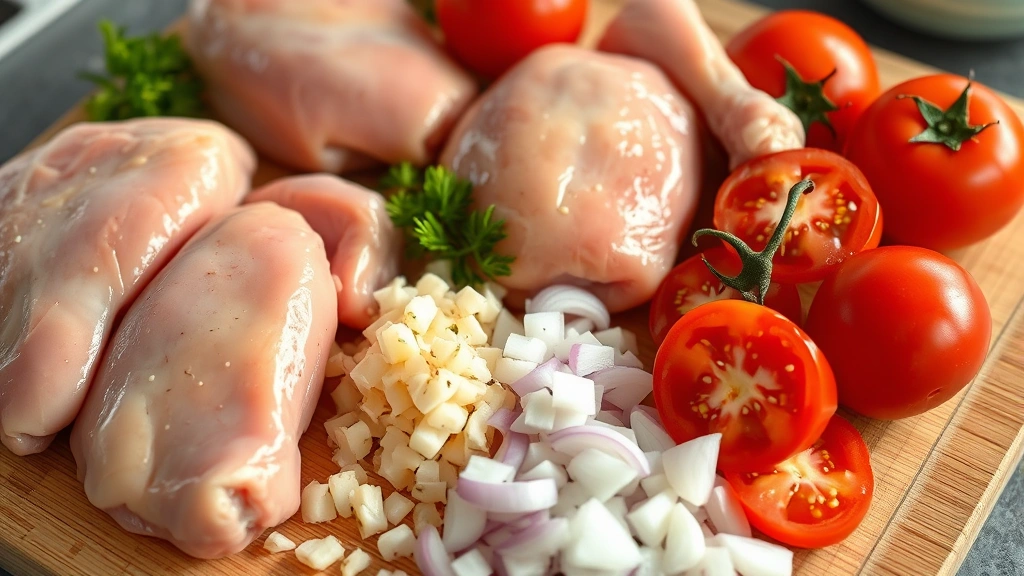
- 2.5 to 3 pounds chicken pieces (thighs and drumsticks work best)
- 3 tablespoons cooking oil or vegetable oil
- 6 cloves garlic, minced finely
- 1 large onion, diced into medium pieces
- 3 tablespoons soy sauce
- 1 tablespoon fish sauce (patis) for authentic flavor
- 1 tablespoon liver spread or pâté (optional but recommended)
For the Sauce and Vegetables:
- 1 can (8 ounces) tomato sauce
- 1 cup chicken broth or water
- 3 medium potatoes, cut into 1.5-inch cubes
- 2 medium carrots, cut into 1-inch pieces
- 1 red bell pepper, cut into 1-inch squares
- 1 green bell pepper, cut into 1-inch squares
- 2 tablespoons tomato paste for deeper flavor
- 1 teaspoon sugar to balance acidity
- Salt and black pepper to taste
- 1 bay leaf
Quality ingredients matter significantly in this recipe. Use fresh garlic and onions rather than pre-minced versions, as they provide superior flavor and texture. Chicken thighs and drumsticks contain more fat and connective tissue than breast meat, making them ideal for braising—they stay moist and develop rich flavor through the long cooking process. If you only have chicken breasts available, reduce the cooking time by 10-15 minutes to prevent drying them out.
Step-by-Step Cooking Instructions
Preparation Phase:
Begin by patting your chicken pieces dry with paper towels. Moisture on the surface prevents proper browning, so this step significantly impacts your final dish’s depth of flavor. Season the chicken generously with salt and black pepper on all sides. Prepare all your vegetables before you start cooking—mince the garlic, dice the onion, and cut potatoes, carrots, and bell peppers into uniform sizes. This preparation, known as mise en place, ensures smooth cooking without scrambling to find ingredients mid-process.
Searing the Chicken:
Heat 3 tablespoons of oil in a large, heavy-bottomed pot or Dutch oven over medium-high heat. Once the oil shimmers, carefully add the chicken pieces in a single layer. Don’t overcrowd the pot—work in batches if necessary. Allow each piece to sear undisturbed for 3-4 minutes until golden brown, then flip and sear the other side for another 3-4 minutes. This browning develops complex flavors through the Maillard reaction, a chemical process that creates depth impossible to achieve without proper searing. Transfer the browned chicken to a clean plate.
Building the Flavor Base:
In the same pot with the remaining oil and chicken drippings, add your minced garlic and diced onion. Sauté over medium heat for 2-3 minutes, stirring frequently, until the onion becomes translucent and the garlic becomes fragrant. This step releases aromatic compounds that form your dish’s foundation. Add the tomato paste and stir constantly for 1-2 minutes, allowing it to caramelize slightly and intensify in flavor.
Creating the Sauce:
Pour in the tomato sauce and chicken broth, stirring well to combine and incorporate any browned bits stuck to the pot’s bottom—these bits contain tremendous flavor. Add the soy sauce, fish sauce, liver spread (if using), bay leaf, and sugar. Stir thoroughly until everything is well combined. The liver spread might seem unusual, but it contributes umami richness and subtle complexity that elevates the entire dish. If you cannot find liver spread, simply omit it; your afritada will still be delicious.
Braising the Chicken:
Return the seared chicken pieces to the pot, nestling them into the sauce. The sauce should partially cover the chicken; add more broth if necessary. Bring the mixture to a gentle simmer over medium heat. Once simmering, reduce heat to medium-low and cover the pot with a lid. Allow the chicken to braise for 20-25 minutes until it’s almost tender. This gentle, moist-heat cooking method breaks down connective tissue and allows flavors to develop without drying out the meat.
Adding Vegetables:
After the initial braising period, add your potato cubes and carrot pieces to the pot. These denser vegetables require longer cooking than bell peppers. Stir gently to distribute vegetables evenly, then continue braising covered for another 15-20 minutes until potatoes are nearly tender when pierced with a fork. The potatoes will absorb sauce and develop wonderful flavor while providing substance to the dish.
Final Cooking Phase:
Add the red and green bell pepper pieces and stir to combine. These peppers cook quickly and should remain slightly firm to provide textural contrast. Continue braising uncovered for 5-8 minutes until bell peppers are tender-crisp and the sauce has reduced slightly, becoming more concentrated. Taste the sauce and adjust seasonings as needed—you might want additional salt, soy sauce for saltiness, or a pinch of sugar if acidity seems pronounced.
Finishing Touches:
The finished chicken afritada should have tender chicken pieces surrounded by rich, glossy sauce coating vegetables. The sauce should coat the back of a spoon without being overly thick. If your sauce seems too thin, increase heat to medium and simmer uncovered for 5-10 minutes, stirring occasionally. If too thick, add small amounts of broth or water until you reach desired consistency. Remove the bay leaf before serving.

” alt=”Finished chicken afritada in a pot with golden brown chicken pieces, red and green peppers, carrots, potatoes, and rich tomato sauce” />
Expert Tips and Techniques
Choosing the Right Chicken:
Chicken thighs and drumsticks are superior choices for afritada because they contain more fat and collagen than white meat. This fat renders during cooking, keeping the meat moist while contributing to sauce richness. The collagen converts to gelatin, naturally thickening and enriching the sauce. If using chicken breasts, cut them into larger pieces and reduce total braising time to prevent dryness.
The Importance of Proper Searing:
Many home cooks skip or rush the searing step, but this is where exceptional flavor develops. Proper browning requires dry chicken, adequate oil temperature, and patience—resist the urge to move pieces around. The golden-brown crust that forms is flavorful and creates a sealed surface that keeps meat moist during braising. This foundational technique applies to countless braised dishes, from simple stews to more elaborate preparations.
Managing Sauce Consistency:
The ideal afritada sauce should coat vegetables and chicken without being soupy or gravy-thick. If your sauce is too thin after cooking, you have options: increase heat to reduce it further, or create a slurry by mixing 1 tablespoon cornstarch with 2 tablespoons water, then stirring it into the simmering sauce. If too thick, simply add broth or water gradually. Remember that sauce will thicken further as the dish cools, so aim for slightly looser consistency during cooking.
Vegetable Timing:
Adding vegetables at different times ensures each reaches perfect tenderness simultaneously. Dense vegetables like potatoes need the longest cooking, medium vegetables like carrots come next, and quick-cooking vegetables like bell peppers go in last. This staggered approach prevents mushiness while ensuring nothing remains crunchy. Understanding vegetable cooking times transforms your overall cooking technique across numerous dishes.
Flavor Layering:
Exceptional afritada results from building flavors in stages rather than dumping all ingredients together. The initial searing develops complexity, sautéing aromatics releases their essential oils, caramelizing tomato paste concentrates its flavor, and slow braising allows all components to meld. This systematic approach to flavor development can be applied to many other cooking projects, from soups to braises to sauces.
Fish Sauce Considerations:
Fish sauce (patis) might seem intimidating if you’ve never used it, but it’s essential to authentic Filipino flavor. The strong smell dissipates during cooking, leaving only umami depth. Start with the recommended amount and adjust to taste—you want it as a background note, not a pronounced flavor. This ingredient appears in many Southeast Asian cuisines and is worth exploring for the depth it brings to various dishes.
Popular Variations
Pork Afritada:
Substitute pork shoulder or pork belly for chicken, increasing braising time to 45-50 minutes until the pork becomes fork-tender. Pork’s richer flavor pairs beautifully with the tomato sauce and creates a more substantial dish. Many Filipino families prepare both chicken and pork versions, with pork afritada reserved for special occasions.
Vegetable-Forward Version:
Increase vegetable quantities and add additional options like green peas, cabbage, or string beans. This variation works well for those seeking additional nutrition or vegetable intake. Add delicate vegetables like peas and leafy greens only in the final 2-3 minutes of cooking to preserve their texture and color.
Creamier Afritada:
Stir in 1/2 cup of heavy cream or evaporated milk during the final 5 minutes of cooking for a richer, creamier sauce. This variation appeals to those preferring milder flavors and provides a luxurious texture. Some families add potato starch slurry along with cream to create a sauce with velvety consistency.
Spicy Heat Version:
Add 1-2 diced Thai chilies or 1/2 teaspoon cayenne pepper when sautéing aromatics for a version with pleasant heat. This appeals to those enjoying spicier foods and adds complexity beyond simple heat. You can control spice level by adjusting pepper quantity.
Fusion with Seafood:
If you’re familiar with our imitation crab recipes, you might explore combining chicken afritada’s sauce with shrimp or other seafood for interesting fusion preparations. The braising technique and sauce components adapt well to various proteins, creating new family favorites.
Serving Suggestions
Rice Pairings:
Chicken afritada is traditionally served over steaming white jasmine rice or garlic fried rice. The rice absorbs the flavorful sauce, creating a cohesive meal where each spoonful combines tender chicken, vegetables, and sauce-soaked rice. For special occasions, prepare fragrant jasmine rice to complement the dish’s complexity.
Bread Accompaniments:
Crusty bread or dinner rolls are excellent for soaking up the delicious sauce. Filipino-style pandesal (soft bread rolls) pair traditionally with afritada, though any quality bread works. The sauce is too good to leave on the plate, and bread provides the perfect vehicle for enjoying every drop.
Vegetable Side Dishes:
Since afritada already contains vegetables, simple accompaniments work best. A crisp green salad with vinaigrette provides textural and flavor contrast. Steamed or stir-fried leafy greens like bok choy or spinach add nutrition without overwhelming the main dish.
Beverage Pairings:
Light, crisp white wines complement afritada’s tomato-based sauce beautifully. Alternatively, serve with iced tea, fresh lemonade, or simple water. In Filipino tradition, families often enjoy afritada with fresh mango juice or other tropical fruit beverages.
Occasion Appropriateness:
Chicken afritada suits casual weeknight dinners, family gatherings, and special celebrations equally well. Its comforting nature and moderate complexity make it appropriate for feeding large groups without requiring excessive preparation time. Many Filipino families serve afritada at birthday celebrations, holidays, and family reunions.

” alt=”Overhead view of plated chicken afritada with fluffy white rice, showing glistening sauce coating tender chicken and colorful vegetables” />
Storage and Reheating
Refrigerator Storage:
Chicken afritada stores beautifully in the refrigerator for 3-4 days in an airtight container. The flavors actually improve during storage as ingredients continue melding. Allow the dish to cool to room temperature before refrigerating to prevent condensation and temperature fluctuations. Transfer to a shallow container for faster cooling and more efficient storage.
Freezer Storage:
This dish freezes exceptionally well for up to 3 months. Freeze in portion-sized containers or freezer bags, leaving slight headspace for expansion. When freezing in bags, flatten them for space-efficient storage. Thaw overnight in the refrigerator before reheating. Properly frozen afritada maintains excellent quality and flavor through the freezing period.
Reheating Methods:
Reheat refrigerated afritada gently on the stovetop over medium-low heat, stirring occasionally, until warmed through (about 10-15 minutes). Add a splash of broth or water if the sauce has thickened excessively during storage. For frozen afritada, thaw completely before reheating using the same stovetop method. Microwave reheating works but may result in uneven warming—if using a microwave, reheat at 50% power in 2-minute intervals, stirring between intervals. Never allow afritada to boil vigorously during reheating, as this can toughen the chicken.
Quality Maintenance:
Properly stored and reheated afritada maintains exceptional quality. The chicken remains tender, vegetables retain their texture, and sauce consistency stays consistent. Many people prefer day-old afritada to freshly made versions, as additional resting time allows flavors to fully develop and integrate. This makes afritada an excellent choice for meal preparation and advance cooking.
FAQ
Can I use chicken breast instead of thighs and drumsticks?
Yes, though results differ slightly. Chicken breast is leaner and cooks faster, so reduce braising time by 10-15 minutes and check for doneness frequently to prevent dryness. Thighs and drumsticks provide superior moisture and flavor due to higher fat content, but breast meat works if that’s what you have available. Cut breasts into larger pieces and monitor cooking closely.
What if I don’t have fish sauce?
While fish sauce contributes authentic depth, you can omit it entirely or substitute with an additional tablespoon of soy sauce. The dish will still be delicious, though slightly less complex. Fish sauce is worth seeking out in Asian markets or online retailers, as it’s invaluable for numerous cuisines and stores indefinitely.
How do I know when the chicken is done?
Properly braised chicken should be fork-tender and easily pull from the bone when ready. The internal temperature should reach 165°F (74°C) when measured with a meat thermometer in the thickest part without touching bone. Thighs and drumsticks can handle slightly higher temperatures without drying out due to their fat content.
Can I make this dish in a slow cooker?
Absolutely. Sear the chicken and sauté aromatics following the initial steps, then transfer everything to a slow cooker with remaining ingredients. Cook on LOW for 6-8 hours or HIGH for 3-4 hours. Add bell peppers during the final 30 minutes. The slow cooker method is excellent for busy days and produces incredibly tender results.
Why is my sauce too thin?
Thin sauce results from insufficient reduction or too much liquid added initially. Increase heat to medium and simmer uncovered for 10-15 minutes, allowing excess moisture to evaporate and sauce to concentrate. Alternatively, create a cornstarch slurry (1 tablespoon cornstarch mixed with 2 tablespoons water) and stir it into the simmering sauce. The sauce will thicken as it cools, so remember to slightly under-thicken during cooking.
What vegetables can I add or substitute?
Afritada accommodates numerous vegetable additions. Green peas, string beans, cabbage, and zucchini work beautifully. Add harder vegetables early in cooking and tender vegetables toward the end. Avoid vegetables that become mushy easily, like tomatoes or eggplant, unless you enjoy that texture. Experiment with seasonal vegetables available in your area.
Is chicken afritada spicy?
Traditional chicken afritada is not spicy—it’s savory and slightly sweet with rich tomato flavor. If you prefer heat, add Thai chilies, cayenne pepper, or hot sauce to your personal serving. Starting with the base recipe and adding heat individually allows each family member to enjoy their preferred spice level.
How does this compare to other Filipino chicken dishes?
Chicken afritada differs from chicken adobo (which uses vinegar as the primary acid and has a darker color) and chicken tinola (a lighter broth-based dish with ginger and leafy greens). Afritada is tomato-based and has a thicker sauce. Each dish holds special meaning in Filipino cuisine and appears regularly at family tables.
Can I prepare this ahead for dinner parties?
Chicken afritada is perfect for advance preparation. Make it 1-2 days ahead and refrigerate, then gently reheat on the stovetop shortly before serving. The advance preparation actually improves flavor as ingredients meld further. This makes it an excellent choice for entertaining, as you can focus on guests rather than last-minute cooking.
What external resources help understand Filipino cooking techniques?
For deeper understanding of Filipino culinary traditions, explore culinary journalism resources covering Asian cuisines. Food science cooking websites explain the chemistry behind braising techniques. Chef-authored food publications often feature Filipino recipes with cultural context. Additionally, exploring culinary institute resources provides professional cooking technique foundations applicable to dishes like afritada.


