Ultimate Chocolate Chess Pie: Southern Favorite Recipe
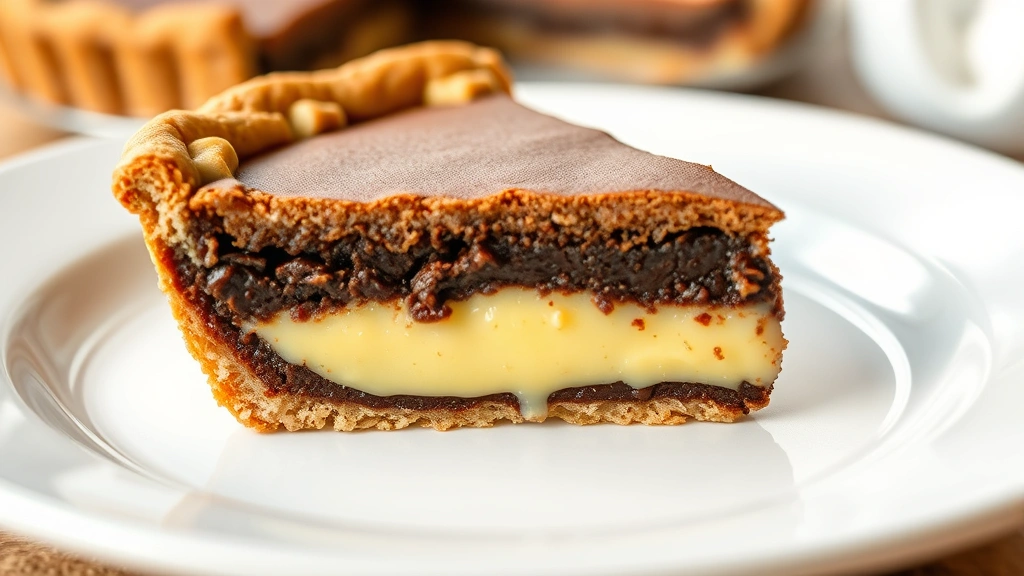
Chocolate chess pie represents one of the South’s most cherished dessert traditions, combining the simplicity of chess pie with rich cocoa decadence. This beloved treat features a buttery pie crust filled with a custardy, fudgy center that creates an irresistible texture contrast. Unlike heavy chocolate cream pies, chess pie maintains a lighter, more elegant approach while delivering intense chocolate flavor that satisfies any sweet craving.
The beauty of chocolate chess pie lies in its humble ingredient list and straightforward preparation. You don’t need fancy equipment or advanced pastry skills to create a showstopping dessert that impresses family and friends. This recipe has graced Southern tables for generations, passed down through families and refined in home kitchens across the region. Whether you’re preparing dessert for a holiday gathering or a casual weeknight treat, this chocolate chess pie delivers authentic Southern comfort in every slice.
What Is Chocolate Chess Pie?
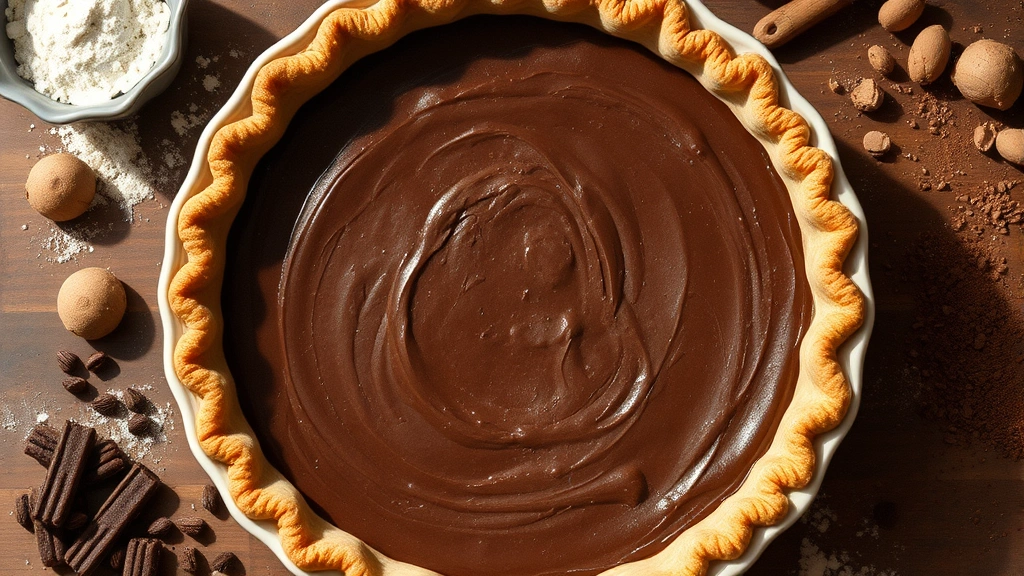
Chess pie belongs to a family of custard-based pies that have been baked in America since colonial times. The name’s origin remains debated among food historians, with theories ranging from a corruption of “chest” pie to “cheese” pie, though no cheese appears in traditional recipes. Chocolate chess pie takes this classic formula and infuses it with cocoa, creating a dessert that sits somewhere between a chess pie and a brownie in texture and flavor profile.
The filling sets to a unique consistency that’s neither fully solid nor custardy. The top develops a slight crust while the interior remains fudgy and moist, creating layers of texture in every bite. This distinctive quality sets chess pie apart from other chocolate desserts and explains its enduring popularity throughout the American South. The pie requires minimal mixing and baking, making it accessible to bakers of all skill levels.
Understanding the chemistry behind chocolate chess pie helps you achieve perfect results. The filling relies on eggs to create structure, butter for richness, and cornmeal or flour to provide thickening. When baked, these simple ingredients transform into something far greater than their individual components suggest. The chocolate adds depth and sophistication while maintaining the pie’s characteristic tender crumb.
Essential Ingredients Explained
Pie Crust: A quality pie crust provides the foundation for your chocolate chess pie. You can use a homemade crust made from flour, butter, salt, and ice water, or a quality store-bought option if time is limited. The crust should be blind-baked for 10-12 minutes at 375°F to prevent sogginess and ensure a crispy base that contrasts beautifully with the creamy filling.
Unsweetened Cocoa Powder: Use premium unsweetened cocoa powder for the most authentic chocolate flavor. Dutch-processed cocoa offers a smoother, more sophisticated taste, while natural cocoa powder provides earthier notes. Avoid instant hot chocolate mix or sweetened cocoa products, as these will throw off your sugar ratios and muddy the chocolate flavor.
Butter: Unsalted butter allows you to control the salt content precisely. Melt it completely before adding to the filling to ensure even distribution and smooth texture. Room-temperature butter incorporates more easily into the egg mixture, creating a more homogeneous filling.
Eggs: Large eggs work best for this recipe. They provide structure and richness while contributing to that signature custard-like texture. Room-temperature eggs blend more smoothly with other ingredients, reducing lumps and ensuring even cooking.
Sugar: Granulated white sugar creates the proper sweetness level and texture. Some recipes incorporate brown sugar for deeper molasses notes, which complements chocolate beautifully. Start with the specified amount and adjust to your preference, keeping in mind that chess pie should balance sweetness with chocolate intensity.
Cornmeal or Flour: A tablespoon or two of cornmeal or all-purpose flour thickens the filling without making it dense. Cornmeal adds subtle texture, while flour creates a smoother result. Either works well; choose based on personal preference.
Vanilla Extract: Pure vanilla extract enhances chocolate flavor through complementary aromatic compounds. It rounds out the chocolate notes and adds complexity to the filling.
Salt: A small pinch of salt amplifies chocolate flavor and balances sweetness. Don’t skip this ingredient, as it makes a noticeable difference in the final result.
Step-by-Step Instructions
Prepare Your Crust: If using a homemade pie crust, prepare it at least 30 minutes ahead. Roll out to fit a 9-inch pie pan, creating an even thickness throughout. Crimp edges decoratively if desired. Place in the freezer for 15 minutes before blind-baking. Line with parchment paper or aluminum foil and fill with pie weights, dried beans, or uncooked rice. Bake at 375°F for 10-12 minutes until the edges turn light golden. Remove weights and parchment, then return to the oven for another 2-3 minutes. This pre-baking step prevents a soggy crust and ensures proper texture.
Mix Your Filling: In a large mixing bowl, whisk together 3 large eggs, 1 cup granulated sugar, and a pinch of salt. Whisk vigorously for 2-3 minutes until the mixture becomes pale and slightly thickened. This whisking incorporates air, creating a lighter texture. In a separate bowl, sift together ¼ cup unsweetened cocoa powder and 1 tablespoon cornmeal to remove any lumps. Sifting prevents chocolate specks and ensures smooth texture throughout the filling.
Combine Ingredients: Pour the melted butter into the egg mixture while whisking constantly. The warm butter will cook the eggs slightly, creating a silky texture. Add 1 teaspoon vanilla extract and whisk until fully incorporated. Gently fold in the cocoa powder mixture using a rubber spatula, stirring until no cocoa streaks remain. Avoid over-mixing, which can incorporate excess air and create an overly fluffy filling that won’t set properly.
Pour and Bake: Pour the filling into your prepared pie crust, which should still be warm from blind-baking. The warm crust helps the filling set evenly. Place the pie on a baking sheet to catch any drips. Bake at 350°F for 25-35 minutes, depending on your oven. The pie is done when the edges are set but the center still jiggles slightly when you gently shake the pan. The internal temperature should register 170°F on an instant-read thermometer inserted 1 inch from the edge.
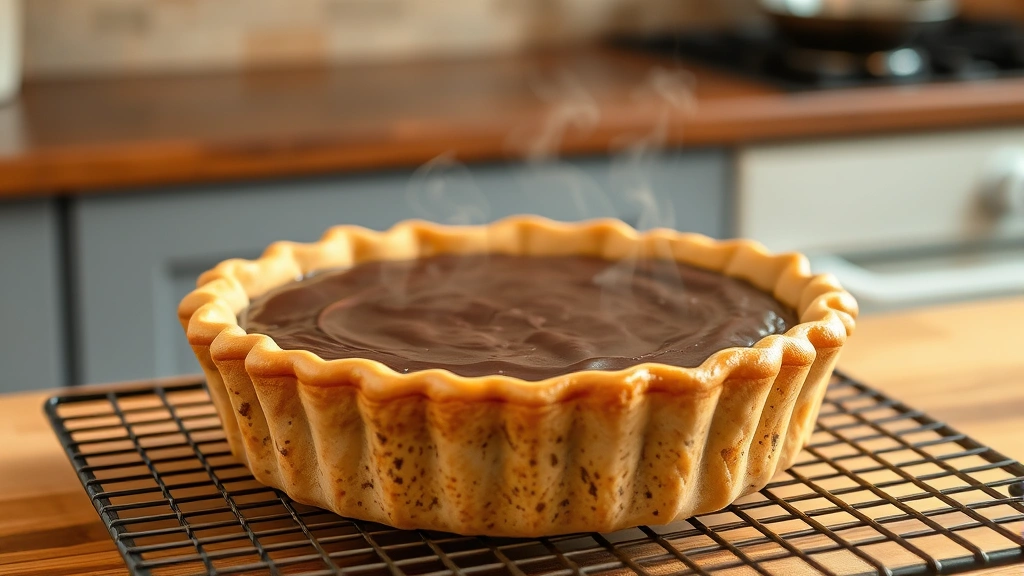
Cool Completely: Remove the pie from the oven and place it on a wire cooling rack. Allow it to cool to room temperature, about 2 hours. This cooling period is crucial for proper texture development. The pie will continue to set as it cools, so resist the urge to refrigerate it immediately. Once cooled to room temperature, you can refrigerate if desired, though the pie tastes best served at room temperature or slightly warm.
Pro Tips for Perfect Results
Prevent Cracks: Cracks in the top indicate over-baking. Remove the pie when the center still wiggles slightly; it continues cooking as it cools. A water bath isn’t necessary for chess pie, unlike some custard-based desserts, but ensure your oven temperature is accurate by using an oven thermometer.
Achieve Even Browning: If the crust edges brown too quickly, cover them with aluminum foil or a pie shield during the final 10-15 minutes of baking. This prevents burnt edges while the center finishes cooking properly.
Test for Doneness: The jiggle test provides the most reliable indication of doneness. The pie should wobble in the center when gently shaken but hold its shape at the edges. A toothpick inserted in the center should come out with a few moist crumbs, similar to a brownie.
Use Quality Chocolate: While this recipe uses cocoa powder rather than melted chocolate, the quality of your cocoa powder matters significantly. Invest in premium brands from specialty cooking stores or online retailers specializing in baking ingredients.
Room Temperature Ingredients: Allow eggs and butter to reach room temperature before mixing. This ensures proper emulsification and creates a smoother, more luxurious filling texture.
Measure Accurately: Use a kitchen scale for precise measurements, especially for flour and cocoa powder. Volume measurements can vary based on how tightly you pack ingredients, affecting the final texture.
Don’t Skip Blind-Baking: This step prevents soggy crusts and ensures structural integrity. Even though chess pie has a custard-like filling, the pre-baked crust provides necessary support.
Storage and Make-Ahead Guide
Room Temperature Storage: Cover your cooled chocolate chess pie loosely with plastic wrap or place it in a pie box. It keeps at room temperature for up to 2 days, though the texture remains optimal for the first 24 hours. Avoid refrigerating immediately after cooling, as cold temperatures can harden the filling and make it less creamy.
Refrigerator Storage: For longer storage, cover the pie tightly with plastic wrap and refrigerate for up to 4 days. The filling will firm up considerably when cold. Remove from the refrigerator 30 minutes before serving to allow it to return to a more custardy consistency.
Freezer Storage: Wrap the cooled pie tightly in plastic wrap, then aluminum foil, and freeze for up to 2 months. Thaw overnight in the refrigerator before serving. The texture remains excellent after freezing, making this an ideal make-ahead option for holiday entertaining.
Make-Ahead Preparation: You can prepare the pie crust up to 2 days ahead, storing it tightly wrapped in the refrigerator. Blind-bake it the morning of serving. The filling can be mixed up to 4 hours before baking; cover and refrigerate until ready to pour and bake.
Variations and Flavor Combinations
Espresso Chocolate Chess Pie: Add 1 tablespoon of instant espresso powder dissolved in 1 tablespoon of hot water to the filling. This intensifies chocolate flavor and adds sophisticated complexity. It pairs beautifully with coffee after dinner.
Mint Chocolate Variation: Replace vanilla extract with ½ teaspoon peppermint extract and add ¼ teaspoon of mint flavoring if desired. This creates a refreshing twist on the classic that appeals to mint chocolate lovers.
Bourbon or Whiskey Version: Add 1-2 tablespoons of bourbon or whiskey to the filling, reducing the vanilla slightly. This Southern-inspired variation adds warmth and sophistication, perfect for adult gatherings.
Spiced Chocolate Chess Pie: Include ¼ teaspoon cayenne pepper, ¼ teaspoon cinnamon, and a pinch of nutmeg. These spices enhance chocolate depth without making the pie taste overtly spiced. This variation echoes traditional Mexican chocolate preparations.
Salted Caramel Drizzle: Prepare a simple salted caramel sauce and drizzle it over the baked pie before serving. The sweet-salty combination complements chocolate beautifully and adds visual appeal.
Nut Crust Option: Make your pie crust with ground pecans or walnuts mixed into the flour. This adds texture and nutty flavor that complements the chocolate filling perfectly.
For complementary desserts and side dishes, explore recipes like Pork Stir Fry Recipe for non-dessert entertaining options, or check out Au Jus Recipe for savory meal planning. If you’re preparing a complete Southern menu, Oven Brisket Recipe provides an excellent main course option, while Street Tacos Recipe offers casual entertaining inspiration.
For serving suggestions and sauce pairings, consider preparing Remoulade Sauce Recipe for seafood dishes that might precede your dessert course, or explore Taco Sauce Recipe for festive meal planning.
Whipped Cream Topping: Serve slices with freshly whipped cream sweetened with a touch of powdered sugar and vanilla. The cool, airy texture contrasts beautifully with the rich filling. For elegant presentation, top with chocolate shavings or cocoa powder.
Serving Temperature: While room temperature offers the best texture, some prefer this pie slightly warm, served within an hour of baking. Warm pie has a more fudgy consistency that some find more indulgent. Experiment to discover your preference.
FAQ
Can I make chocolate chess pie without a pie crust?
While traditional recipes require a crust, you could bake the filling in a buttered and cocoa-dusted ramekin or small baking dish for a crustless version. Reduce baking time to 15-20 minutes. However, the crust provides essential structure and textural contrast that defines the classic dessert.
Why is my chess pie filling too runny?
Under-baking is the most common cause. The pie continues setting as it cools, so remove it when the center still jiggles slightly. If you’ve followed the recipe exactly and it’s still too soft after cooling completely, your oven may run cool. Use an oven thermometer to verify accurate temperature.
Can I use Dutch-processed cocoa powder instead of natural?
Yes, absolutely. Dutch-processed cocoa creates a smoother, more sophisticated chocolate flavor with slightly less intensity. The texture remains identical. You may prefer Dutch-processed for a more refined chocolate taste.
Is it necessary to blind-bake the crust?
Yes, this step prevents a soggy crust, which is essential for proper texture. The brief blind-baking sets the crust structure so it remains crispy rather than absorbing moisture from the filling.
How can I tell if the pie is fully cooked?
The edges should be set and firm while the center jiggles slightly when gently shaken. An instant-read thermometer inserted 1 inch from the edge should read 170°F. These two methods ensure proper doneness without over-baking.
Can chocolate chess pie be made in advance?
Absolutely. The pie keeps well in the refrigerator for up to 4 days and freezes beautifully for up to 2 months. This makes it ideal for holiday entertaining and dinner parties where advance preparation reduces day-of stress.
What’s the difference between chess pie and custard pie?
Chess pie has a denser, more cake-like texture with a slight crust on top, while custard pie remains creamy throughout. Chess pie also typically includes cornmeal or flour for thickening, whereas custard relies solely on eggs for structure.
Can I use a store-bought crust?
Yes, store-bought pie crusts work well and save considerable time. Choose quality brands with minimal additives. Blind-bake according to package directions before adding the chocolate filling.


