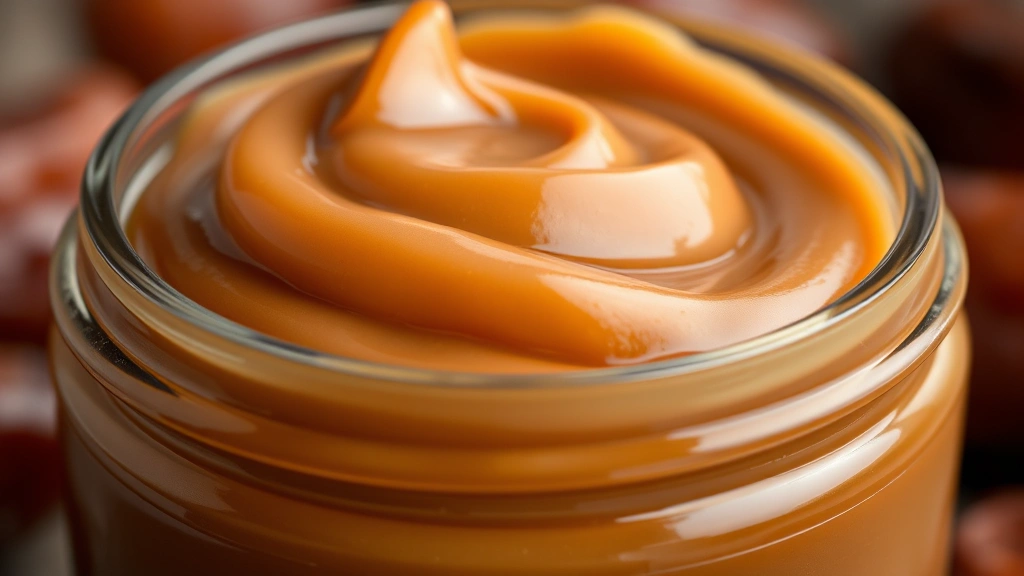
Date caramel is one of those magical kitchen discoveries that transforms simple, wholesome ingredients into pure indulgence. Unlike traditional caramel made from refined sugar and butter, this chef’s secret uses the natural sweetness and creaminess of dates to create a luxurious sauce that works beautifully in both sweet and savory applications. Whether you’re drizzling it over ice cream, swirling it into yogurt, or using it as a sophisticated finishing touch for your favorite desserts, homemade date caramel delivers complex flavor with genuine nutritional benefits.
The beauty of this date caramel recipe lies in its simplicity and versatility. Professional pastry chefs and health-conscious home cooks alike have embraced this technique because it requires just a handful of ingredients and minimal equipment. Once you master this fundamental method, you’ll discover countless ways to incorporate date caramel into your cooking repertoire, from elegant plated desserts to casual weeknight treats that feel restaurant-quality.
In this comprehensive guide, we’ll reveal the exact techniques that professional chefs use to create perfectly smooth, deeply flavored date caramel every single time. You’ll learn the critical temperature points, the best types of dates to use, and creative variations that elevate this recipe beyond the basics.
Why Dates Make Superior Caramel
Dates contain natural sugars—primarily glucose, fructose, and sucrose—that caramelize beautifully when heated, creating a rich, complex flavor profile that refined sugar simply cannot match. The key difference is that dates bring their own subtle notes of toffee, molasses, and subtle spice that develop during the cooking process. Professional chefs recognize that this depth of flavor means you need less additional sweetener overall, resulting in a more balanced, sophisticated final product.
The fiber and minerals present in dates also contribute to the final texture. When dates are blended or cooked down, they create a naturally thick, creamy consistency without requiring heavy cream or butter. This makes date caramel an excellent option for those seeking food waste reduction strategies—you’re using whole fruits with all their nutritional value intact, not refined ingredients stripped of their benefits.
Different date varieties offer distinct flavor characteristics. Medjool dates provide a buttery, almost caramel-like sweetness naturally. Deglet Noor dates offer a more subtle, honey-forward flavor. Experimenting with different varieties is part of the joy of making homemade date caramel, as each type creates slightly different results. This variability is actually a strength, allowing you to customize your caramel to match specific desserts or dishes.
Essential Ingredients & Selection
The foundation of an exceptional date caramel recipe starts with ingredient quality. Here’s what you’ll need:
- Dates (1 cup pitted, about 10-12 whole dates): Choose soft, fresh dates for best results. Medjool dates are ideal for their natural sweetness and soft texture, but Deglet Noor or other varieties work well too. Avoid dates that are rock-hard or crystallized on the surface, as these indicate age and reduced moisture content.
- Water (½ to ¾ cup): Filtered water works best as it won’t introduce any mineral flavors. Start with ½ cup and add more as needed to reach desired consistency.
- Sea salt (¼ to ½ teaspoon): This is non-negotiable for professional-quality caramel. Salt amplifies the sweet notes and balances the richness. Don’t skip this ingredient.
- Vanilla extract (½ teaspoon, optional): Pure vanilla extract adds depth. Avoid imitation versions, which can introduce off-flavors.
- Butter (2 tablespoons, optional): For an extra-luxurious version, adding butter creates a silkier mouthfeel. Use high-quality unsalted butter at room temperature.
- Cinnamon or other spices (pinch, optional): A tiny amount of cinnamon, cardamom, or nutmeg can create sophisticated flavor variations.
When selecting dates, check that the package date is recent and the fruits feel slightly pliable when squeezed gently. Avoid any with visible mold or an off odor. Store unused dates in an airtight container in the refrigerator to maintain freshness and prevent them from drying out further.
Equipment You’ll Need
One of the wonderful aspects of making date caramel is that it requires minimal equipment:
- High-powered blender: A Vitamix, Ninja, or similar high-powered blender creates the silkiest texture. If you only have a standard blender, the recipe still works—you may just need to blend longer and potentially strain through a fine-mesh sieve for ultimate smoothness.
- Saucepan: A medium stainless steel or non-stick saucepan works perfectly. Avoid aluminum, which can react with acidic ingredients if you add lemon juice or vinegar variations.
- Measuring cups and spoons: Precision matters in this recipe, so use proper measuring tools rather than eyeballing.
- Wooden spoon or silicone spatula: For stirring and scraping down blender sides.
- Fine-mesh strainer (optional): Useful if you want an ultra-smooth final product or if your blender isn’t high-powered.
- Glass jars: For storage, use glass containers with tight-fitting lids. Avoid plastic, which can absorb caramel odors and stains.
Step-by-Step Instructions
Preparation (5 minutes): Start by pitting your dates if they’re not already pitted. The easiest method is to make a small slit along one side with a sharp knife and pop out the pit with your finger. Rinse the dates under cool water to remove any dust or debris, then pat dry with a clean kitchen towel.
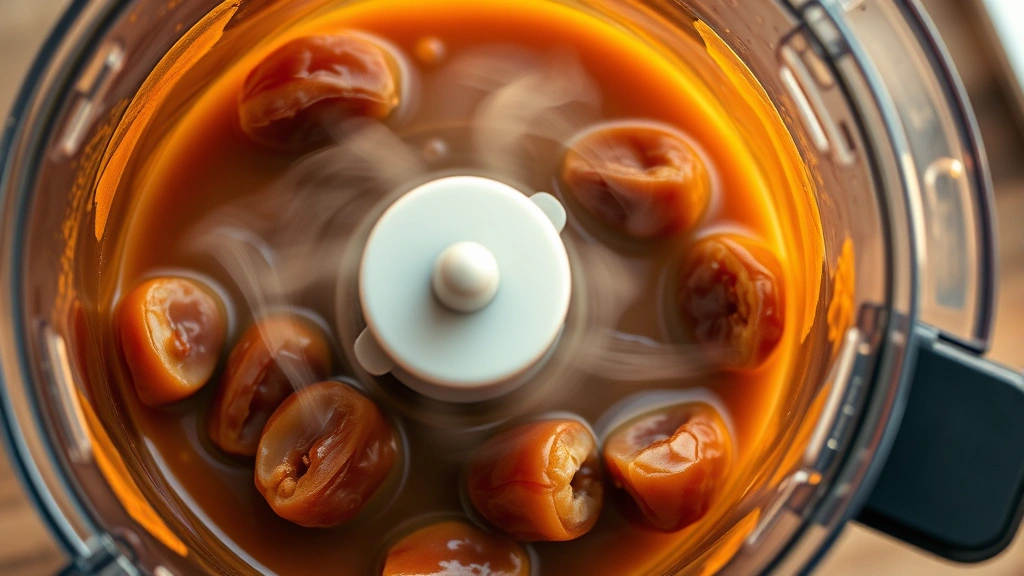
Cooking the Dates (8-10 minutes): Place your pitted dates in a saucepan with ½ cup of water. Bring to a gentle simmer over medium heat. You’re not looking for a rolling boil—maintain a gentle, steady simmer. The dates will begin to soften and absorb water. Simmer for 8-10 minutes until the dates are completely soft and the water has reduced slightly. The mixture should look like a thick, chunky paste at this point. This cooking step is crucial because it allows the dates to fully hydrate and their natural sugars to concentrate slightly through gentle evaporation.
Blending (3-5 minutes): Carefully transfer the hot date mixture to your blender. Add the sea salt and vanilla extract if using. Blend on high speed for 2-3 minutes, stopping to scrape down the sides halfway through. The mixture will transform from chunky to completely smooth and creamy. If it’s too thick, add water one tablespoon at a time until you reach your desired consistency. This is where the magic happens—the natural pectins and fibers in the dates create that luxurious, caramel-like texture.
Finishing Touches (2 minutes): If you’re adding butter for extra richness, blend it in at this stage when the mixture is still warm—the heat will help it incorporate smoothly. For spiced variations, add your chosen spices now and blend briefly to distribute evenly. Taste your caramel and adjust salt if needed. Remember that flavors become more muted as the caramel cools, so don’t be shy with seasoning at this stage.
Cooling and Storage (varies): Allow your date caramel to cool to room temperature, about 30 minutes. It will thicken slightly as it cools due to the natural pectin content. If you prefer a thinner consistency, you can thin it with water after cooling. Transfer to clean glass jars and refrigerate.
Creative Variations & Flavor Profiles
Espresso Date Caramel: Add 1-2 teaspoons of instant espresso powder during blending for a sophisticated coffee-caramel that pairs beautifully with chocolate desserts. The coffee amplifies the caramel notes and adds subtle bitterness that balances the sweetness perfectly.
Salted Tahini Date Caramel: Blend in 2 tablespoons of tahini for a nutty, Middle Eastern-inspired version. The sesame flavor creates an unexpected depth that elevates simple desserts into something memorable. This variation pairs exceptionally well with fresh fruit.
Spiced Chai Date Caramel: Add ¼ teaspoon each of ground ginger, cardamom, and cinnamon, plus a pinch of black pepper. This warming variation is perfect for fall and winter desserts, or swirled into yogurt for breakfast.
Bourbon or Rum Date Caramel: Stir in 1-2 tablespoons of quality bourbon or dark rum after the caramel has cooled slightly. This adult version is stunning on vanilla ice cream or used as a sauce for bread pudding.
Coconut Date Caramel: Replace ¼ cup of water with full-fat coconut milk for a tropical variation. The coconut cream adds richness and a subtle floral note that complements the dates beautifully.
Orange-Scented Date Caramel: Add ½ teaspoon of orange zest and ¼ teaspoon of orange extract. This bright variation works wonderfully with chocolate or almond-based desserts.
Storage & Shelf Life
Proper storage ensures your date caramel remains fresh and delicious. Keep your date caramel in airtight glass jars in the refrigerator for up to 3 weeks. The caramel will thicken as it cools, which is normal and desirable. Before each use, you can warm it gently by placing the jar in hot water for a few minutes if you prefer a pourable consistency.
For longer storage, date caramel freezes beautifully for up to 3 months. Freeze in ice cube trays for convenient portion-sized servings, then transfer the frozen cubes to freezer bags. This method makes it easy to thaw exactly what you need without waste. When thawing, transfer to the refrigerator overnight or warm gently over low heat in a saucepan.
You can also incorporate your date caramel into other preservation techniques for extended shelf life. Canning date caramel requires proper pH management and sterilization procedures—consult approved canning resources before attempting this method to ensure food safety.
Common Mistakes & Solutions
Problem: Grainy or separated texture
Solution: This typically indicates over-blending or blending at too low a speed with inadequate dates. Use a high-powered blender and blend for the full duration. If separation occurs, add a tablespoon of water and blend again briefly.
Problem: Too thick or paste-like
Solution: Simply add water one tablespoon at a time and stir or blend until you reach desired consistency. Remember that caramel thickens as it cools, so it should be slightly thinner than your target consistency when warm.
Problem: Not sweet enough
Solution: Surprisingly, this usually means you need more salt, not more sweetness. Salt amplifies perceived sweetness. Add ⅛ teaspoon more sea salt and taste. If additional sweetness is genuinely needed, add a tablespoon of maple syrup or honey rather than refined sugar, which would compromise the date caramel’s character.
Problem: Bitter or off-flavor
Solution: This may result from using old dates or dates stored in poor conditions. Always purchase fresh dates and store them properly. Alternatively, the water quality may be affecting flavor—try filtered water if using tap water previously.
Problem: Caramel won’t blend smoothly
Solution: Ensure your dates were adequately cooked and softened. If your blender struggles, add a few more tablespoons of water and blend longer. Some blenders require more time than others to achieve perfect smoothness.
Creative Uses for Date Caramel
Beyond the obvious dessert applications, this date caramel recipe opens countless culinary possibilities:
Breakfast Applications: Swirl date caramel into oatmeal, yogurt, or smoothie bowls. Layer it with granola and Greek yogurt for a sophisticated parfait. Drizzle over whole grain toast with almond butter for a breakfast that feels indulgent yet nutritious.
Baking Integration: Use date caramel as a filling for layer cakes, brownies, or sandwich cookies. Swirl it into brownie or cheesecake batter before baking for marbled effects. Spread it between cake layers instead of traditional frosting for a lighter approach to cake assembly.
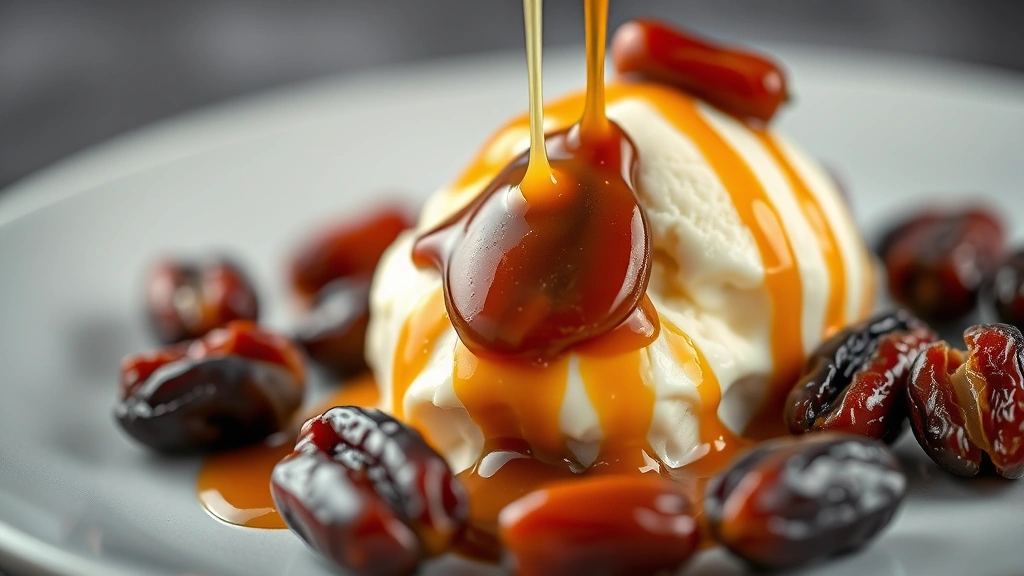
Ice Cream and Frozen Desserts: Drizzle over vanilla, chocolate, or brown butter ice cream. Swirl into homemade ice cream base before churning for evenly distributed flavor. Create affogato variations by pouring hot espresso over vanilla ice cream and finishing with warm date caramel.
Savory Applications: Date caramel works beautifully in savory contexts too. Brush over roasted root vegetables, particularly carrots and parsnips. Use as a glaze for roasted duck or pork. Spoon over soft cheeses like burrata or whipped goat cheese for an elegant appetizer.
Sauce and Condiment Uses: Thin date caramel with a bit of water and use as a sauce for bread pudding or steamed puddings. Serve alongside slow-cooked meat dishes for depth of flavor. Mix with mustard or hot sauce for unique condiments.
Beverage Enhancement: Stir into coffee, hot chocolate, or tea for instant dessert-flavored beverages. Add to cocktails or mocktails for sophisticated sweetness. Combine with sparkling water for a homemade caramel syrup drink similar to commercial versions but infinitely superior in quality.
Pairing with Other Recipes: Serve alongside pickled radish for contrast in a composed plate. Use as a finishing touch for apple cider vinegar-based desserts. Incorporate into elderberry syrup variations for berry-caramel combinations.
FAQ
Can I make date caramel without a blender?
Yes, though the texture won’t be quite as smooth. After cooking the dates in water until very soft, mash them thoroughly with a fork or potato masher until as smooth as possible. You can also press the cooked dates through a fine-mesh strainer with the back of a spoon, though this requires patience. A food processor works better than a standard blender if you don’t have a high-powered version.
What’s the difference between date caramel and date paste?
Date paste typically uses dates and water only, with no added salt, vanilla, or other flavorings. Date caramel includes these additions specifically to create caramel-like flavor complexity. Date paste is more neutral and works well in baking, while date caramel is more finished and ready to eat as-is.
Can I use medjool dates and deglet noor dates together?
Absolutely! Mixing varieties actually creates more complex flavor. Combine them in any ratio you prefer—perhaps 6 Medjool and 6 Deglet Noor for a balanced blend that offers both the buttery richness of Medjool and the subtle honey notes of Deglet Noor.
Is date caramel actually lower in sugar than traditional caramel?
Date caramel and traditional caramel contain similar amounts of natural sugars, as dates are primarily composed of sugar. However, date caramel provides fiber, minerals, and phytonutrients that refined sugar lacks. The satisfaction factor is also higher due to the complex flavor profile, meaning you typically use less and feel more satisfied.
Can I add cocoa powder to make date chocolate caramel?
Yes! Add 2-3 tablespoons of unsweetened cocoa powder during blending. The cocoa adds richness and slight bitterness that balances the dates’ sweetness beautifully. This variation is particularly stunning on vanilla ice cream or used as a sauce for chocolate cake.
How do I thin date caramel if it becomes too thick?
Simply add water a tablespoon at a time and stir or blend until you reach desired consistency. Warm caramel thins more easily than cold. If your caramel has been refrigerated and is quite thick, you can warm it gently in a saucepan over low heat while stirring in water gradually.
Can I use dried dates instead of fresh dates?
Dried dates work but require more water for cooking—start with ¾ to 1 cup of water instead of ½ cup. Cook them longer, about 15 minutes, until they’re completely softened. The final texture may be slightly less creamy than with fresh dates, but the flavor will be concentrated and intense.
Is date caramel suitable for vegan diets?
The basic date caramel recipe (dates, water, salt, vanilla) is completely vegan. If you add butter, simply use vegan butter or coconut oil for a plant-based version that maintains the creamy texture.


