Discard Sourdough Recipes: Expert Tips to Transform Your Starter Waste
Maintaining a sourdough starter requires regular feeding, which inevitably produces discarded starter that many bakers simply toss away. However, this seemingly wasted mixture is actually a goldmine of flavor and fermentation potential. Instead of discarding your sourdough starter, you can transform it into delicious recipes that showcase the complex, tangy characteristics developed during fermentation. Whether you’re looking to reduce waste or explore new culinary possibilities, discard sourdough recipes offer practical solutions for every baker.
The key to successful discard sourdough recipes lies in understanding how active and inactive starter behaves in different applications. Unlike recipes requiring a vigorous, peaked starter, discard recipes work beautifully with starter at any stage of its feeding cycle. This flexibility makes them perfect for busy bakers who want to maintain their starter without guilt or waste. From breakfast treats to savory snacks, the versatility of sourdough discard opens countless creative opportunities in your kitchen.
Understanding Sourdough Discard
Sourdough discard refers to the portion of your starter removed during regular feeding. When you maintain a sourdough culture, you typically feed it with flour and water to keep the wild yeast and bacteria populations healthy. Before adding fresh flour and water, you remove a portion—usually around 50% of the mixture—to prevent your starter from becoming unmanageable in volume. This discarded portion, often called “unfed starter” or “inactive starter,” contains billions of yeast cells and lactic acid bacteria that have been developing flavor compounds through fermentation.
The beauty of discard lies in its versatility. Unlike levain used for bread baking, which requires precise timing and peak activity, discard works at any point in the feeding cycle. You can use starter immediately after removal, or save it in your refrigerator for several days or weeks. The fermentation continues slowly in cold storage, developing increasingly complex flavors that enhance your recipes. This means you can batch your discard recipes and bake whenever convenient, rather than feeling pressured to use starter immediately after feeding.
Understanding the microbiology behind your starter helps you make better decisions about which recipes suit your current batch. Active starter, freshly fed and bubbly, works wonderfully in quick breads and pancakes where you want maximum rise. Older discard, refrigerated for weeks, develops stronger sour notes perfect for savory applications. Even starter that appears sluggish or separated contains living cultures capable of producing delicious results in the right recipe.
Breakfast Recipes Using Starter
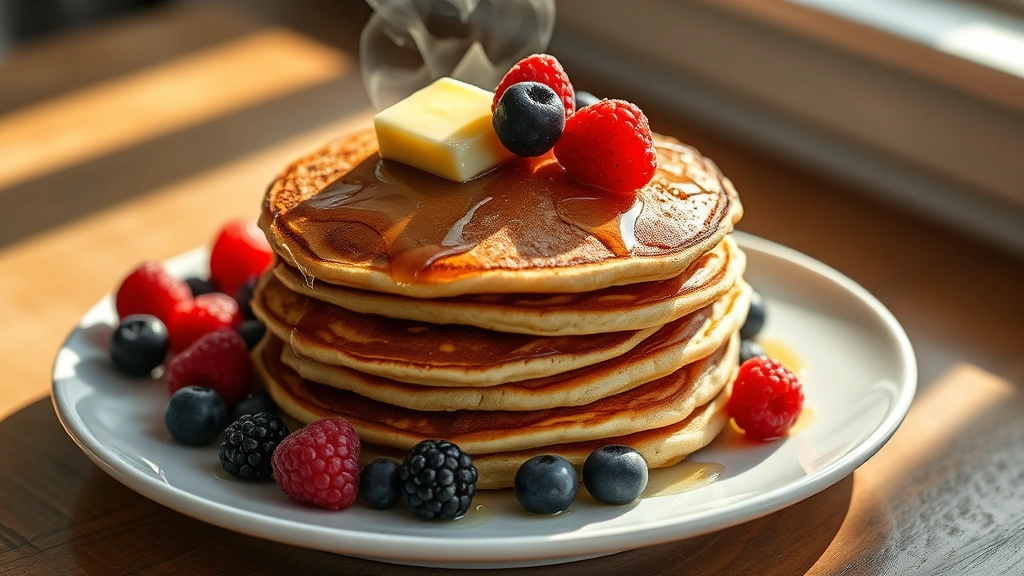
Breakfast represents one of the most rewarding applications for sourdough discard. The tangy flavor profile complements morning foods beautifully, while the fermented starter provides nutritional benefits including improved digestibility and enhanced nutrient bioavailability. Start your day with IHOP-style pancakes infused with sourdough character, creating fluffy, flavorful stacks that taste remarkably similar to restaurant versions but with superior depth.
Sourdough Discard Pancakes represent the easiest entry point for starter utilization. Mix one cup of discard with one cup of milk, two eggs, two tablespoons of sugar, two tablespoons of melted butter, one and one-half teaspoons of baking powder, one-half teaspoon of baking soda, and one-half teaspoon of salt. Let the batter rest for fifteen minutes before cooking on a griddle. The fermented starter adds complexity while the baking soda neutralizes acidity, creating tender, fluffy pancakes with subtle sourness.
For a protein-packed morning option, try Sourdough Discard Waffles using similar ingredients adjusted for waffle consistency. The crispy exterior and tender interior showcase how starter enhances texture while adding nutritional value. Serve with homemade blueberry syrup for a complete breakfast experience that transforms humble discard into something special.
Sourdough Discard Muffins offer make-ahead convenience for busy mornings. Combine one cup of discard with three-quarters cup of milk, one-third cup of oil, one egg, one-half cup of sugar, one and three-quarter cups of flour, one and one-half teaspoons of baking powder, one-half teaspoon of baking soda, and one-half teaspoon of salt. Fold in chocolate chips, berries, or nuts before dividing into muffin cups. The tangy starter creates moist crumbs and complex flavor that elevates these from ordinary to exceptional.
For those seeking savory breakfast applications, explore Sourdough Discard Scones that pair beautifully with cheese and herbs. These tender pastries showcase how starter works in enriched doughs, creating subtle flavor and improved keeping qualities. Serve alongside hash brown casserole for a complete breakfast spread that impresses family and guests alike.
Check out the best breakfast food recipes for more morning inspiration that complements your sourdough creations.
Quick Breads and Baked Goods
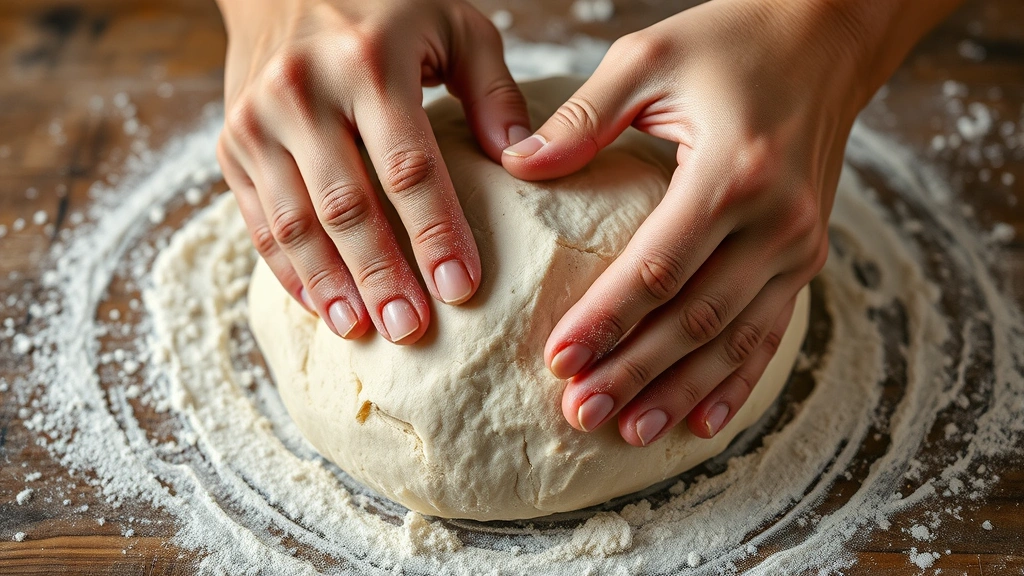
Quick breads represent the most intuitive application for sourdough discard, as the fermented starter replaces some liquid while adding flavor and improving crumb structure. These recipes require no special timing or elaborate techniques—simply mix, bake, and enjoy. The acid from your starter reacts with baking soda to create lift, while also tenderizing gluten strands for a more delicate crumb.
Sourdough Discard Banana Bread transforms the classic quick bread into something extraordinary. Replace half the liquid in your favorite recipe with discard, then reduce baking soda slightly to compensate for the acid. The sourness complements banana’s sweetness while the fermentation improves digestibility and shelf life. This approach works beautifully with banana bread chocolate chip recipes, where the tangy notes enhance both fruit and chocolate flavors.
Sourdough Discard Zucchini Bread benefits tremendously from starter’s moisture-retaining properties. The fermented culture extends freshness while adding complexity that masks vegetable flavors for those who prefer subtler produce presence. Try adding lemon zest to highlight the sourdough’s brightness.
Sourdough Discard Biscuits demonstrate how starter works in laminated doughs. Cut cold butter into your dry ingredients, then add discard as the liquid. The acid tenderizes the dough while fermentation develops flavor. These biscuits offer superior keeping qualities and taste even better the next day as flavors continue developing.
Sourdough Discard Brownies might surprise you with their success. Replace some liquid with discard and reduce baking soda accordingly. The fermented starter adds subtle complexity and improves texture, creating brownies that taste richer and more sophisticated than standard recipes.
For Sourdough Discard Cookies, use discard as part of your wet ingredients. Sugar cookies, snickerdoodles, and shortbread all benefit from the tangy notes and improved browning that starter provides. The fermentation also helps cookies stay fresher longer when stored properly.
Savory Applications
Beyond sweet applications, sourdough discard shines in savory recipes where its tanginess enhances umami and adds depth. These applications often showcase the most interesting flavor development, particularly when using older discard that has developed stronger sour characteristics.
Sourdough Discard Crackers transform simple dough into addictive snacks. Mix discard with flour, salt, olive oil, and herbs, then roll thin and bake until crispy. Season with everything bagel seasoning, rosemary, or parmesan for customized varieties. These crackers pair beautifully with cheese and charcuterie.
Sourdough Discard Pizza Dough develops incredible flavor when prepared the day before. Combine discard with flour, salt, water, and minimal yeast. Cold ferment overnight, then shape and top as desired. The extended fermentation creates better digestibility and more complex flavor than quick pizza doughs.
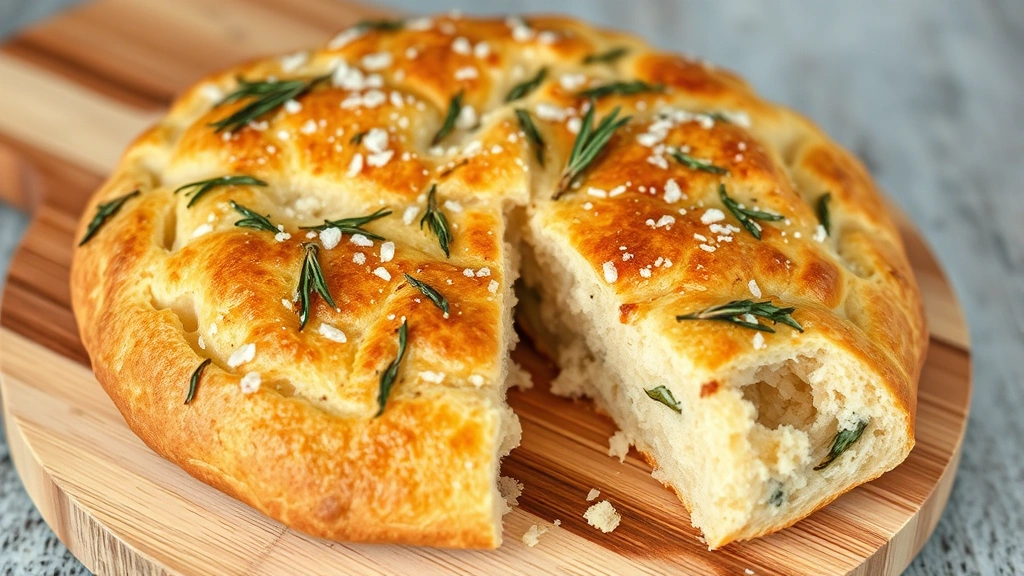
Sourdough Discard Focaccia showcases how starter works in oil-enriched doughs. The fermentation contributes to tender crumb and superior keeping qualities. Top with rosemary, sea salt, and olive oil for a bakery-quality result.
Sourdough Discard Cheddar Herb Bread makes excellent sandwich bread or accompaniment to soup. The sharp cheese and herbs complement the starter’s tanginess while creating a bread that toasts beautifully and maintains moisture throughout the week.
Try Sourdough Discard Pancakes for Dinner by omitting sugar and adding cheese and herbs. These savory pancakes serve as vehicles for toppings like sautéed mushrooms, caramelized onions, or smoked salmon. They offer unique alternatives to bread-based appetizers.
Sourdough Discard Crepes provide elegant options for both sweet and savory fillings. The fermented batter creates delicate texture while adding subtle complexity. Fill with vegetables and cheese for dinner, or chocolate and berries for dessert.
For parties and gatherings, try Sourdough Discard Cheese Straws. Mix discard with flour, butter, sharp cheddar, and cayenne pepper. Roll, cut into straws, and bake until golden. These addictive snacks disappear quickly, and you can make them hours ahead.
Create Sourdough Discard Soup Bread by incorporating discard into your favorite bread recipe intended specifically for dunking. The fermented starter adds flavor that stands up to rich soups and stews while improving crumb structure for perfect absorption without falling apart.
Storage and Preparation Tips
Maximizing your discard requires understanding proper storage and preparation techniques. Most bakers maintain their starter at room temperature during active baking periods, then refrigerate between uses. When you feed your starter, remove the prescribed amount before adding fresh flour and water. This discard can be used immediately, or stored in an airtight container in the refrigerator for up to two weeks, developing increasingly complex flavors over time.
Batch Preparation Strategies save time and ensure you always have discard available. Many bakers maintain a dedicated container in their refrigerator specifically for accumulated discard. Each time you feed your starter, add the removed portion to this container. Once you’ve accumulated enough—typically one to two cups—use it for a recipe. This approach prevents the pressure of using discard immediately while maximizing utilization.
Freezing Discard extends storage indefinitely. Portion discard into ice cube trays, freeze solid, then transfer to freezer bags. Each cube contains approximately two tablespoons, allowing precise measurements for recipes. Frozen discard thaws quickly at room temperature and performs identically to fresh discard in most applications. This technique proves invaluable when you’re between baking projects but want to maintain your starter.
Measuring Consistency ensures reliable results across recipes. Discard naturally separates in storage, with liquid rising above thicker starter. Before measuring, stir well to reincorporate liquid. Some recipes call for specific discard weights, while others use volume. Investing in a kitchen scale provides accuracy that volume measurements cannot match, particularly important when scaling recipes up or down.
Temperature Considerations affect discard’s behavior in recipes. Room temperature discard ferments faster and produces more rise than cold discard. Cold discard from refrigerator storage works beautifully in quick breads where fermentation time matters less. For recipes requiring leavening, allow refrigerated discard to warm to room temperature before mixing.
Feeding Schedules determine discard characteristics. If you feed your starter once daily, your discard will be relatively fresh with moderate sourness. If you feed less frequently or maintain your starter in cold storage, discard develops stronger sour notes. Adjust your recipe choices based on your maintenance schedule—fresh discard suits breakfast items, while aged discard excels in savory applications.
Ingredient Substitutions
Sourdough discard recipes offer flexibility for ingredient substitutions based on dietary preferences and pantry availability. Understanding how discard functions chemically helps you make substitutions confidently.
Liquid Substitutions work because discard itself is primarily liquid. In quick bread recipes, you can replace some milk or water with discard without significantly altering ratios. However, remember that discard contains flour, which affects overall hydration. If substituting more than half the liquid with discard, reduce additional flour slightly to maintain proper consistency.
Fat Substitutions adapt recipes for dietary preferences. Replace butter with coconut oil, olive oil, or applesauce depending on desired results. Oil-based substitutions create moister crumbs, while applesauce reduces overall fat content. Egg substitutions like flax or chia eggs work in muffins and quick breads, though results may be slightly less tender.
Flour Variations customize recipes for dietary needs. Whole wheat flour, spelt, einkorn, or gluten-free blends can replace all-purpose flour, though this requires adjusting hydration. Sourdough discard’s fermentation makes it particularly suitable for whole grain flour substitutions, as the acid helps soften bran and improve digestibility. Start by replacing 25% of flour with alternative grains, then increase as you determine your preferences.
Sugar Adjustments suit different sweetness preferences. Brown sugar, honey, maple syrup, or coconut sugar replace granulated sugar in most recipes. Remember that liquid sweeteners require reducing other liquids slightly. Discard’s inherent tanginess means you can reduce added sugar more than you might in conventional recipes without sacrificing satisfaction.
Spice and Flavor Additions build on sourdough’s complexity. Cinnamon, cardamom, ginger, and nutmeg complement the tangy notes beautifully. Citrus zest brightens recipes, while vanilla extract deepens flavor. Experiment with small additions—the fermented starter’s bold character can support interesting flavor combinations that might overwhelm more delicate baked goods.
Explore original Chex mix recipe variations by incorporating sourdough discard into savory snack mixes for unique flavors.
FAQ
Can I use inactive sourdough starter in recipes requiring active starter?
Inactive discard works differently than active starter. For recipes like sandwich bread that depend on fermentation for rise, use active starter at peak activity. However, discard works beautifully in quick breads, pancakes, and muffins where baking soda and baking powder provide leavening. If you want to use discard in bread recipes, allow it to ferment at room temperature for several hours until bubbly before mixing dough.
How long can I store sourdough discard in the refrigerator?
Properly stored discard keeps in the refrigerator for two to three weeks, though it develops stronger sour notes over time. After two weeks, check for mold or off-odors before using. If your discard separates with liquid rising to the top, this is normal and indicates continued fermentation. Stir well before measuring. For longer storage, freeze discard in portions.
Does sourdough discard need to be fed before using in recipes?
No, discard does not require feeding. The portion you remove during your regular feeding already contains active yeast and bacteria. You can use it immediately or store it as-is. Some bakers prefer using freshly removed discard for maximum rise in quick breads, while others save older discard for stronger sour flavor in savory applications.
Can I substitute sourdough discard for regular starter in bread recipes?
Discard differs from active starter in yeast activity levels. For sandwich breads relying on starter fermentation, use active starter at peak rise. However, you can use discard as part of your bread’s ingredients by allowing it to ferment with the dough. Reduce other liquids accordingly since discard contains flour and water. This approach works particularly well for enriched breads and overnight fermentation recipes.
What’s the difference between discard and unfed starter?
These terms refer to the same thing—starter that hasn’t been fed yet. Discard is the portion removed before feeding. Unfed starter describes starter that has gone several hours or days without feeding. Both contain living cultures capable of producing delicious results in recipes designed for their characteristics.
Can I use sourdough discard in recipes requiring exact measurements?
Yes, though consistency matters. Discard naturally varies in thickness depending on how long it’s been since feeding and storage conditions. Weigh discard for precision in recipes requiring exact measurements. A kitchen scale ensures you’re using the correct amount regardless of whether your discard is thick or thin.
Does sourdough discard work in gluten-free recipes?
Absolutely. Discard functions identically in gluten-free baking, adding moisture, fermented flavor, and improved browning. Use gluten-free flour blends in any discard recipe, adjusting hydration as needed based on your specific flour blend’s absorption characteristics. The fermentation from discard particularly benefits gluten-free baking by improving texture and digestibility.


