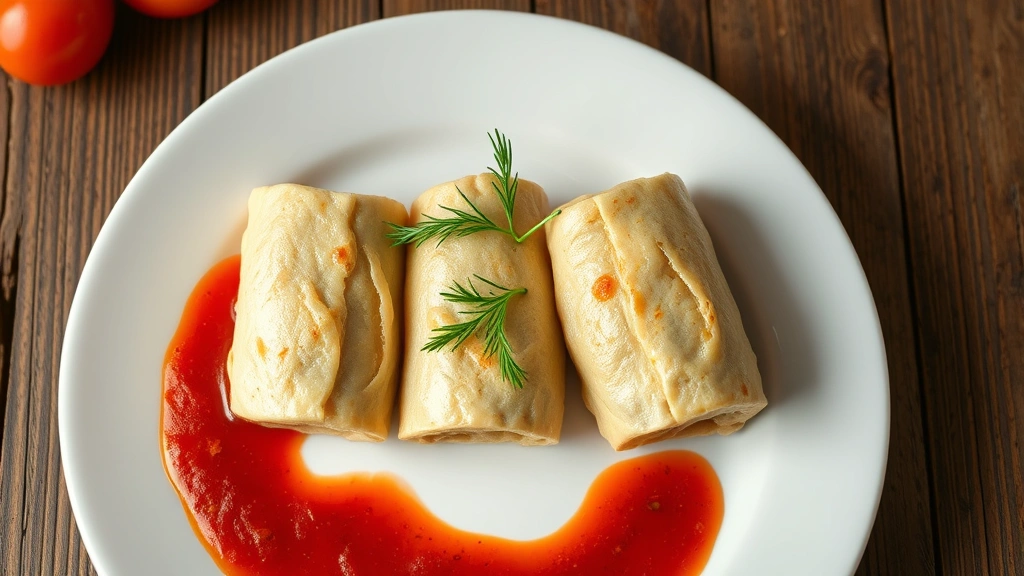
Authentic Golumpki Recipe: Polish Family Tradition
Golumpki, pronounced “guh-LOOM-kee,” represents one of Poland’s most cherished culinary traditions. These tender cabbage rolls filled with seasoned meat and rice have graced family dinner tables for generations, passed down through mothers and grandmothers who perfected the technique over decades. The name itself comes from the Polish word “goląb,” meaning pigeon, a poetic reference to how the rolled cabbage resembles a small bird resting on the plate.
This authentic golumpki recipe captures the essence of traditional Polish home cooking—humble ingredients transformed through patience and care into something truly special. Whether you’re reconnecting with your heritage or discovering this comfort food for the first time, understanding the proper techniques will ensure your golumpki rivals those made in Polish kitchens for centuries. The beauty of this dish lies not just in its flavor, but in the meditative process of preparing each roll by hand, a ritual that has connected families across generations and continents.
Understanding Authentic Golumpki
Authentic golumpki differs from its American-Polish adaptations in several fundamental ways. Traditional Polish preparation emphasizes quality over complexity, allowing each ingredient to shine rather than masking flavors under heavy sauces. The filling typically contains ground pork or beef mixed with rice, onions, and minimal seasoning—often just salt and pepper—allowing the natural flavors to develop during the long, slow cooking process.
The cooking method is crucial to authentic golumpki. Rather than baking in the oven as some recipes suggest, traditional preparation involves simmering the rolls in a tomato-based sauce on the stovetop or in a covered pot. This slow-cooking technique allows the cabbage to become tender while the flavors meld together beautifully. The sauce, typically made from tomato paste, broth, and sometimes sauerkraut, becomes rich and deeply flavored as it simmers with the rolls for at least an hour.
Understanding the cultural significance of golumpki helps explain why certain techniques matter more than others. This dish appears at Polish family gatherings, holidays, and everyday dinners because it represents nourishment, tradition, and love. When you prepare golumpki authentically, you’re honoring generations of Polish cooks who developed these methods through experience and necessity.
Essential Ingredients & Substitutions
For the filling:
- 1 pound ground pork or beef (or a combination)
- 1 cup uncooked white rice
- 1 medium onion, finely minced
- 2 cloves garlic, minced
- 1 egg
- Salt and pepper to taste
- ½ teaspoon paprika (optional but traditional)
For the sauce:
- 1 large head green cabbage
- 2 tablespoons tomato paste
- 1 can (14.5 oz) diced tomatoes or 2 cups fresh tomato sauce
- 2 cups beef or chicken broth
- 1 cup sauerkraut (optional but authentic)
- 2 tablespoons butter or oil
- 1 onion, sliced
- Salt and pepper to taste
Ingredient Substitution Guide: If ground pork isn’t available, ground beef works equally well, though pork provides a slightly richer flavor. For a lighter version, ground turkey or chicken can substitute, though they may require additional moisture in the sauce. Traditional cooks often use a mixture of both pork and beef for optimal flavor complexity. Rice should be uncooked white rice—this is important because the rice cooks as the golumpki simmer, absorbing both the filling’s natural juices and the sauce flavors.
The sauerkraut addition deserves special mention. While not always included, sauerkraut adds an authentic tangy flavor and contributes beneficial probiotics. If you’re unfamiliar with sauerkraut, start with just ½ cup mixed into the sauce, increasing the amount as your palate adjusts. Many Polish families use sauerkraut exclusively in their sauce, creating a distinctly different but equally authentic version.
Step-by-Step Preparation Guide
Preparing the Cabbage: Begin by removing the core from your cabbage using a sharp knife. Place the whole head in a large pot of boiling salted water. Allow it to cook for 8-10 minutes until the outer leaves become pliable and begin to separate naturally. Using tongs, carefully remove the softened leaves and place them on a clean kitchen towel to cool and drain. Continue this process until you have enough leaves for your rolls—typically 12-16 leaves depending on size. Reserve any torn or small leaves for layering in your cooking pot.
Making the Filling: In a large mixing bowl, combine your ground meat with the uncooked rice, minced onion, garlic, egg, and seasonings. Mix gently but thoroughly—your hands work best for this task. The mixture should hold together when squeezed but remain loose enough to roll easily. Avoid overmixing, which can make the filling dense. Some cooks add ¼ cup of water or broth to the mixture, which helps keep the filling moist during cooking.
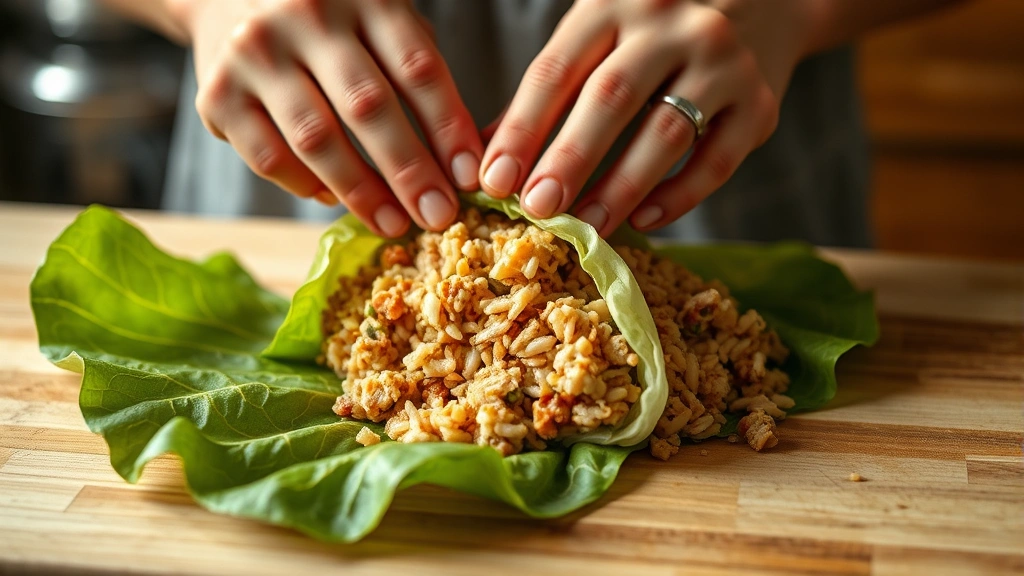
Rolling Technique: This step requires patience and practice. Lay a cooled cabbage leaf on your work surface with the thicker center vein facing you. Place approximately 2-3 tablespoons of filling near the base of the leaf, shaping it into a rough log about 3 inches long. Fold the sides of the leaf inward, then roll tightly away from you, keeping the sides tucked in as you roll. The final roll should be compact but not squeezed too tightly. Place each roll seam-side down on a clean surface. Don’t worry if the leaves crack slightly—they’ll hold together during cooking.
The Cooking Process
Building the Sauce Base: Heat butter or oil in a large, heavy-bottomed pot or Dutch oven. Sauté the sliced onion until softened and lightly golden, about 5 minutes. This step develops flavor that will permeate the entire dish. Add tomato paste and cook for 2-3 minutes, stirring constantly, allowing the tomato paste to caramelize slightly. This technique, called “blooming” the tomato paste, concentrates its flavor significantly.
Creating the Cooking Sauce: Pour in your broth and diced tomatoes, stirring well to combine with the tomato paste. Add sauerkraut if using. Taste and adjust seasonings—the sauce should be well-seasoned as it will flavor the golumpki. Bring the mixture to a simmer. Some cooks prefer a thicker sauce, while others like it more broth-like. Remember that as the golumpki cook, they’ll release moisture into the sauce, so starting with a slightly thicker consistency works well.
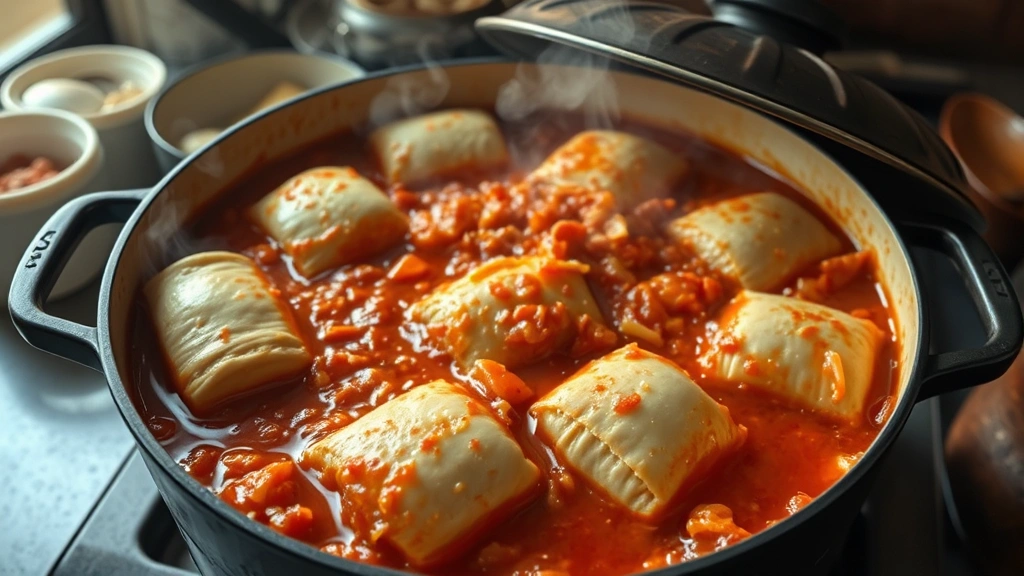
Layering and Cooking: Layer the reserved cabbage pieces on the bottom of your pot—this prevents the rolls from sticking and adds subtle cabbage flavor to the sauce. Carefully arrange your golumpki rolls seam-side down in the pot, fitting them snugly in a single layer or stacking them if necessary. Pour the remaining sauce over the rolls until they’re mostly covered. Bring to a simmer, then reduce heat to low. Cover the pot and let it cook gently for 1.5 to 2 hours. The long, slow cooking is essential—it allows the rice to fully cook, the cabbage to become tender, and all the flavors to meld beautifully.
Checking for Doneness: After 1.5 hours, carefully remove one golumpki and cut it in half. The rice should be completely tender and the meat cooked through. If the rice still has a slight firmness to the center, continue cooking for another 15-30 minutes. The sauce should be rich and flavorful, coating the rolls generously.
If you’re preparing a comforting meal similar to crockpot beef stew recipes, golumpki can be made with similar low-and-slow techniques. The extended cooking time, much like traditional stew preparation, develops incredible depth of flavor. Alternatively, if you enjoy hearty, filling dishes like easy chicken casserole recipe with Ritz, you’ll appreciate how golumpki combines meat, vegetables, and starch in one satisfying package.
Serving & Storage Tips
Serving Suggestions: Authentic golumpki are typically served directly from the cooking pot, with each person receiving 2-3 rolls and a generous ladle of sauce. They pair beautifully with simple accompaniments—crusty rye bread for soaking up the sauce, a dollop of sour cream on top, and perhaps a simple green salad for freshness. Some Polish families serve golumpki with fresh tomato soup recipe on the side, creating a complete, warming meal.
Storage and Make-Ahead Tips: Golumpki actually improve with time as the flavors continue to develop. Store leftovers in an airtight container in the refrigerator for up to 5 days. Reheat gently on the stovetop over low heat, adding a splash of broth if the sauce has thickened too much. Golumpki also freeze exceptionally well—freeze them in their sauce in a freezer-safe container for up to 3 months. Thaw overnight in the refrigerator before reheating.
Make-Ahead Strategy: You can prepare the rolls up to one day in advance, storing them covered in the refrigerator before cooking. This allows you to make the sauce and cook everything the next day. Many experienced cooks prepare golumpki on one day and serve them the following day, claiming the flavors taste even better after an overnight rest.
Regional Variations
The Sauerkraut Version: Eastern Polish families often prepare golumpki with sauerkraut, sometimes using only sauerkraut juice and broth as the cooking liquid, creating a distinctly tangy profile. This version is particularly popular in regions near Ukraine and Belarus. The fermented flavor pairs beautifully with pork and adds complexity that fresh tomato cannot provide.
The Tomato-Based Version: Central and Western Polish traditions favor the tomato-based sauce presented in our main recipe. This version became particularly popular as tomatoes became more available and affordable. The bright acidity of tomatoes balances the richness of the meat and creates a more universally appealing sauce.
The Hybrid Approach: Many modern Polish families combine both methods, using tomato sauce with sauerkraut added for complexity. This balanced approach offers the best of both traditions and is increasingly common in contemporary Polish kitchens.
Meat Variations: While pork and beef dominate traditional recipes, some regions use ground lamb or even game meats. Vegetarian versions exist as well, substituting the meat with mushrooms, lentils, or additional vegetables, though these depart from the most authentic preparations.
For those interested in exploring other traditional comfort foods, our collection of recipes like McCormick chili recipe, white chicken chili recipe with corn, and chili Colorado recipe offers similar one-pot cooking satisfaction and family-friendly appeal.
FAQ
Can I use napa cabbage instead of green cabbage?
Napa cabbage leaves are more delicate and won’t hold up as well to the extended cooking time. Green cabbage is traditional and provides the proper structure and flavor. However, savoy cabbage, with its tender leaves and subtle flavor, can work as a substitute in a pinch.
What if my cabbage leaves tear while I’m preparing them?
Torn leaves are normal and nothing to worry about. Use the smaller pieces to line the bottom of your pot or layer between rolls. You can also patch torn areas by overlapping another piece of leaf before rolling. The rolls will hold together perfectly fine during cooking.
Can I make golumpki in a slow cooker or Instant Pot?
Yes, both appliances work well. In a slow cooker, cook on low for 4-6 hours. In an Instant Pot, use high pressure for 20 minutes, then natural release for 10 minutes. However, the stovetop method provides better control over the sauce consistency and is considered most traditional.
Should I cook the rice before adding it to the filling?
No, always use uncooked rice. The rice cooks perfectly as the golumpki simmer, absorbing flavors from the filling and sauce. Pre-cooked rice would become mushy and overcooked.
How many golumpki does this recipe make?
This recipe typically yields 12-16 golumpki, depending on the size of your cabbage leaves and how much filling you use per roll. This serves 4-6 people as a main course with leftovers.
What’s the best way to reheat frozen golumpki?
Thaw overnight in the refrigerator, then reheat gently on the stovetop over low heat for 15-20 minutes, stirring occasionally. Alternatively, reheat from frozen in a 350°F oven, covered, for 45-60 minutes. Avoid high heat, which can toughen the cabbage.
Can I adjust the sauce to be less acidic?
Yes, if you find the tomato sauce too acidic, add a pinch of baking soda (which will fizz slightly), a teaspoon of sugar, or increase the amount of broth. Some cooks add a splash of sour cream to the finished sauce, which mellows the acidity beautifully.
Is sour cream traditionally served with golumpki?
Yes, many Polish families serve a dollop of sour cream on top of each golumpki roll. The cool, tangy cream contrasts beautifully with the warm, savory roll. This is absolutely traditional and highly recommended.


