
10 Best Hearts of Palm Recipes: Tried & True Favorites
Hearts of palm have quietly become one of the most versatile ingredients in modern cooking, offering a delicate, tender texture that works beautifully across countless cuisines. Whether you’re exploring Asian recipes or crafting elegant appetizers, these cylindrical vegetables—harvested from the inner core of certain palm trees—deliver consistent, satisfying results. Their mild flavor profile makes them ideal for absorbing vibrant seasonings while maintaining their signature crispness.
I’ve tested and refined these ten recipes through countless kitchen experiments, selecting only those that deliver restaurant-quality results at home. From light salads that celebrate their natural sweetness to hearty mains that showcase their remarkable versatility, this collection represents the most reliable, crowd-pleasing applications of this underrated ingredient. Each recipe has been kitchen-tested multiple times to ensure success.
1. Creamy Hearts of Palm Ceviche
This innovative take on traditional ceviche transforms hearts of palm into an elegant appetizer that feels both light and satisfying. The tender vegetable absorbs citrus flavors beautifully while maintaining its distinctive crisp texture, creating a dish that rivals seafood-based versions. The acidity from lime and lemon juice gently softens the hearts of palm without compromising their structural integrity.
Key steps: Drain and rinse canned hearts of palm thoroughly, then slice them into bite-sized pieces. Combine fresh lime juice, lemon juice, and a splash of quality white wine vinegar in a glass bowl. Add diced red onion, fresh cilantro, diced jalapeño, and a pinch of sea salt. Gently fold in the hearts of palm and refrigerate for 30-45 minutes. The citrus will pickle the vegetables while developing complex flavors. Finish with avocado slices, a drizzle of excellent olive oil, and crispy tortilla chips for serving.
This recipe works exceptionally well for dinner parties because you can prepare it hours ahead. The longer it sits, the more the flavors meld together. Serve in chilled martini glasses for an impressive presentation, or pair with fresh corn tortillas for a casual gathering.
2. Pan-Seared Hearts of Palm with Garlic Butter
Sometimes simplicity creates the most memorable dishes. This straightforward preparation allows the hearts of palm’s natural sweetness to shine while building deep, nutty flavors through proper searing technique. The garlic-infused butter creates a luxurious sauce that clings to each piece, making this an ideal side dish or light main course.
Technique matters here: Pat your drained hearts of palm completely dry with paper towels—moisture is the enemy of proper browning. Heat a cast-iron skillet over medium-high heat until a drop of water sizzles immediately upon contact. Add a combination of butter and olive oil to prevent burning. Once the fat is shimmering, carefully arrange the hearts of palm in a single layer. Resist the urge to move them; let them develop a golden crust for 2-3 minutes per side. Add minced garlic, fresh thyme, and lemon zest in the final minute, allowing the garlic to become fragrant without browning.
The result should be hearts of palm with caramelized exteriors and tender interiors, finished with fleur de sel and cracked black pepper. This pairs beautifully with roasted potatoes or as a sophisticated side to grilled fish.
3. Hearts of Palm Caesar Salad
A modern twist on the classic Caesar, this version substitutes traditional croutons and anchovies with hearts of palm, creating a lighter yet equally satisfying salad. The tender vegetable provides substantial texture without heaviness, making this appropriate for lunch or as a starter before heavier mains.
Building the salad: Prepare a traditional Caesar dressing using pasteurized egg yolks, minced garlic, Dijon mustard, fresh lemon juice, and quality Parmigiano-Reggiano. Whisk in anchovy paste for umami depth, then slowly emulsify with excellent olive oil. Season with sea salt and cracked pepper to taste. Toss crisp romaine lettuce with the dressing, then add halved or quartered hearts of palm. Top with shaved Parmigiano-Reggiano, homemade croutons, and a final crack of black pepper.
The beauty of this approach lies in how hearts of palm absorb the creamy dressing while maintaining their structural integrity throughout the meal. Unlike softer vegetables, they won’t wilt or become mushy even if prepared several hours ahead.
4. Asian Stir-Fry with Hearts of Palm
This vibrant stir-fry showcases hearts of palm alongside traditional Tom Yum recipe aromatics, creating an aromatic dish that feels authentic while remaining surprisingly approachable. The hearts of palm’s mild flavor provides a perfect canvas for bold Asian seasonings, while their texture prevents the dish from becoming mushy during high-heat cooking.
Essential technique: Have all ingredients prepped before you begin cooking—stir-frying requires constant attention and quick movements. Heat a wok or large skillet over high heat until it’s smoking. Add a combination of peanut oil and sesame oil, then immediately add minced garlic, ginger, and sliced Thai chilies. Cook for just 30 seconds until fragrant. Add sliced bell peppers, snap peas, and baby bok choy, tossing constantly for 2-3 minutes. Add the hearts of palm, sliced on a bias, and continue cooking for another minute. Finish with a sauce made from soy sauce, fish sauce, lime juice, and a touch of brown sugar.
Serve over jasmine rice or rice noodles. The key to success is maintaining high heat and constant motion—this ensures vegetables stay crisp while developing slight char marks that add complexity to the dish.
5. Hearts of Palm Cakes with Lemon Aioli
These elegant pan-fried cakes transform hearts of palm into a sophisticated appetizer or light main course. The combination of tender hearts of palm with binding ingredients creates delicate cakes that hold together while remaining impossibly tender. Serve with a bright lemon aioli for a restaurant-quality presentation.
Preparation steps: Finely chop drained hearts of palm until they resemble breadcrumbs in texture. Combine with panko breadcrumbs, a beaten egg, minced fresh dill, lemon zest, and a touch of Dijon mustard. Season generously with sea salt and white pepper. Form into four 3-inch cakes and refrigerate for at least 30 minutes. Heat a combination of butter and olive oil in a nonstick skillet over medium heat. Carefully slide the cakes into the hot fat and cook for 3-4 minutes per side until they develop a beautiful golden crust.
For the lemon aioli, whisk together mayonnaise, minced garlic, fresh lemon juice, and a touch of white wine vinegar. The cakes should be served immediately while still warm, plated on a smear of aioli and garnished with microgreens and fresh dill.
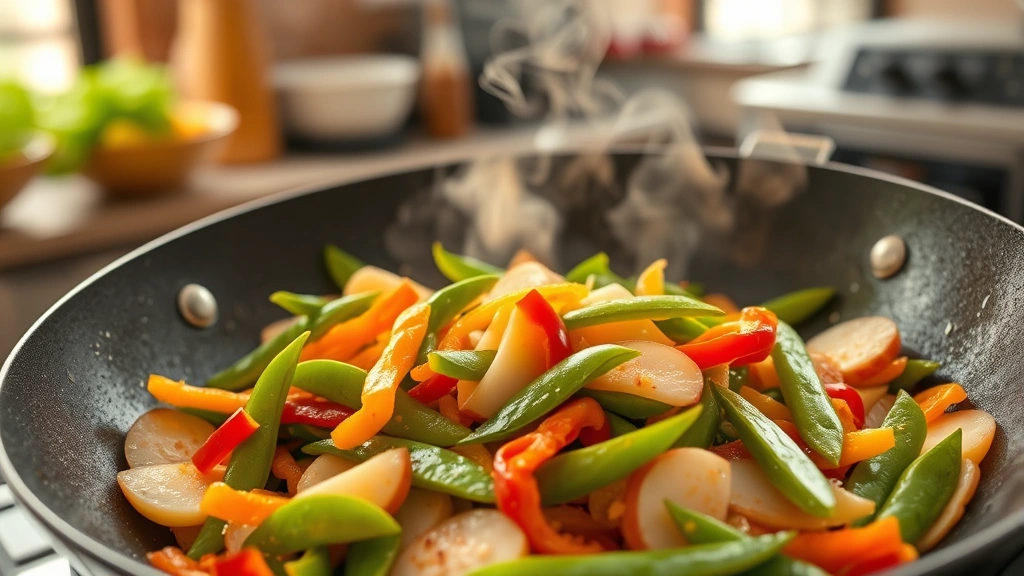
6. Creamy Pasta Primavera with Hearts of Palm
This pasta dish celebrates spring vegetables while incorporating hearts of palm for added texture and nutritional value. The combination of tender pasta, fresh vegetables, and a silky cream sauce creates comfort food that feels elegant enough for entertaining. Hearts of palm maintain their integrity throughout cooking, providing pleasant textural contrast.
Building the sauce: Cook pasta according to package directions in heavily salted water. While the pasta cooks, prepare your vegetables by cutting them into uniform sizes—this ensures even cooking. Heat butter and olive oil in a large skillet over medium heat. Add minced garlic and cook until fragrant, about 30 seconds. Add your vegetables in order of cooking time: longer-cooking items like asparagus and green beans first, then quick-cooking items like zucchini and snap peas. After 3-4 minutes, add sliced hearts of palm. Pour in heavy cream and a splash of the pasta cooking water. Add grated Parmigiano-Reggiano, fresh basil, and lemon juice. Toss the cooked pasta directly into the skillet and combine gently.
The pasta water acts as a crucial ingredient, helping the cream emulsify and coat each noodle. This creates a sauce that clings beautifully without becoming heavy or overly rich.
7. Hearts of Palm Tacos with Cilantro Lime
These vegetarian tacos deliver surprising satisfaction through clever seasoning and textural contrast. Hearts of palm absorb the vibrant cilantro-lime dressing while maintaining enough structure to provide pleasant bite throughout the meal. Serve with traditional taco accompaniments for a casual yet impressive dinner.
Flavor development: Drain hearts of palm thoroughly and pat dry. In a large bowl, whisk together fresh lime juice, lime zest, minced garlic, cumin, smoked paprika, and a pinch of cayenne pepper. Add quality olive oil and a touch of honey to balance the acidity. Toss the hearts of palm in this dressing and let sit for 15-20 minutes while flavors develop. Warm your favorite corn or flour tortillas. Build tacos with the dressed hearts of palm, sliced red cabbage, diced avocado, fresh cilantro, and a dollop of crema or sour cream. Finish with a squeeze of fresh lime juice and a sprinkle of crispy tortilla strips.
The beauty of this approach is that the hearts of palm can be prepared hours ahead, making this an excellent option for casual entertaining or weeknight dinners.
8. Roasted Hearts of Palm with Herbs
Simple roasting brings out subtle sweetness in hearts of palm while developing crispy, caramelized exteriors. This preparation method requires minimal ingredients and effort while delivering impressive results. Serve as a vegetable side dish, appetizer, or as part of a composed salad.
Roasting technique: Preheat your oven to 425°F. Drain hearts of palm and pat them completely dry. Slice them lengthwise into halves or quarters, depending on desired serving size. Toss with quality olive oil, sea salt, and cracked black pepper. Arrange on a lined baking sheet in a single layer, cut-side down. Roast for 12-15 minutes until they develop golden-brown coloring on the cut sides. Remove from the oven and immediately toss with fresh herbs like parsley, thyme, or tarragon. A squeeze of fresh lemon juice and a drizzle of excellent olive oil finish the dish beautifully.
The dry roasting method concentrates the hearts of palm’s natural flavors while creating textural interest that simple steaming cannot achieve. This method also works beautifully for meal prep, as the roasted hearts of palm can be stored and reheated.
9. Hearts of Palm Soup
This creamy, elegant soup showcases hearts of palm as the primary ingredient, creating a dish that’s both comforting and refined. The delicate flavor of hearts of palm pairs beautifully with aromatics and cream, resulting in a soup that feels restaurant-quality yet approachable for home cooking.
Soup-building steps: Heat butter and olive oil in a large pot over medium heat. Add diced onion, minced garlic, and sliced leeks. Cook gently for 5-7 minutes until vegetables soften without browning. Add drained hearts of palm, sliced into thin rounds, along with diced potatoes and vegetable or chicken stock. Bring to a simmer and cook for 15-20 minutes until potatoes are completely tender. Using an immersion blender, puree the soup until smooth, leaving a few pieces of hearts of palm for textural interest if desired. Stir in heavy cream, fresh thyme, and a touch of white wine. Season carefully with sea salt and white pepper.
Finish with crispy bacon bits, fresh chives, and a drizzle of truffle oil for an elevated presentation. This soup freezes beautifully, making it ideal for advance preparation. Simply thaw and gently reheat on the stovetop, adding additional stock if needed to achieve desired consistency.
10. Marinated Hearts of Palm Antipasto
This Italian-inspired preparation transforms hearts of palm into a sophisticated addition to any charcuterie board or appetizer spread. The hearts of palm absorb bold flavors from the marinade while maintaining their signature tender crispness. This dish improves over time as flavors develop, making it perfect for advance preparation.
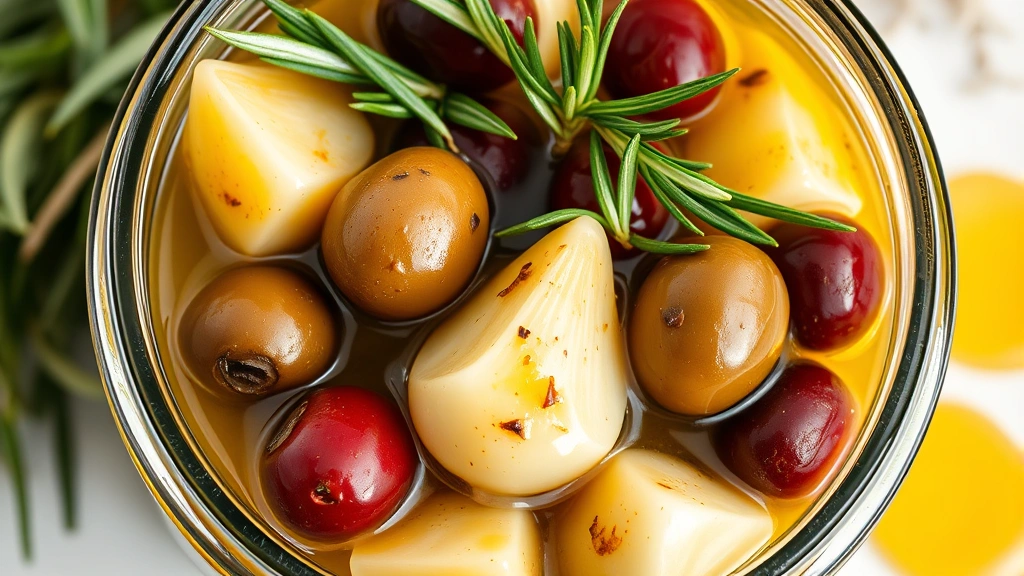
Marinating process: Drain hearts of palm and pat dry. In a large glass jar, combine quality olive oil, red wine vinegar, minced garlic, fresh rosemary, dried oregano, and red pepper flakes. Add the hearts of palm along with cherry tomatoes, marinated artichoke hearts, and Castelvetrano olives. Cover and refrigerate for at least 24 hours, preferably 48 hours. Shake the jar gently every 12 hours to ensure even marination. The longer the hearts of palm sit, the more they absorb the herbaceous flavors of the marinade.
Serve at room temperature as part of an antipasto platter, alongside cured meats, cheeses, and fresh bread. The marinade becomes an excellent base for vinaigrettes once the vegetables are consumed, offering nothing goes to waste.
FAQ
What exactly are hearts of palm, and where do they come from?
Hearts of palm are the tender inner core of certain palm tree species, most commonly the peach palm. They’re harvested by cutting down the palm tree and extracting the cylindrical white center. Most commercially available hearts of palm come from Central and South America, particularly Ecuador and Costa Rica. They’re typically sold canned in brine or vacuum-sealed, making them accessible year-round. The texture is often compared to artichoke hearts or white asparagus, though they’re milder in flavor and more delicate in texture.
Can I use fresh hearts of palm instead of canned?
Fresh hearts of palm are occasionally available at specialty markets and farmers’ markets, typically during spring and early summer. They require more preparation than canned versions, including peeling away outer layers and trimming the ends. If using fresh, blanch them briefly before incorporating into recipes to soften them slightly. Canned hearts of palm are perfectly acceptable for all these recipes and offer consistent quality and convenience. Simply drain and rinse them thoroughly to remove excess brine before using.
Are hearts of palm nutritious?
Hearts of palm are remarkably nutritious, offering significant fiber content, vitamin B vitamins, and minerals like potassium and manganese. They’re very low in calories—approximately 20-25 calories per 100 grams—and contain virtually no fat. They’re also gluten-free, making them suitable for various dietary restrictions. Their high fiber content promotes digestive health, while their low glycemic index makes them appropriate for blood sugar management. They’re an excellent vegetable choice for those seeking nutrient-dense, low-calorie options.
How should I store hearts of palm?
Canned hearts of palm should be stored in a cool, dry pantry until opened. Once opened, transfer any unused portions to an airtight container filled with their original brine or a mixture of water and vinegar. Refrigerate for up to one week. For longer storage, you can freeze drained hearts of palm in freezer bags for up to three months, though they’ll lose some crispness upon thawing. Fresh hearts of palm should be used within 2-3 days of purchase and stored in the refrigerator’s crisper drawer.
What cooking techniques work best for hearts of palm?
Hearts of palm respond beautifully to multiple cooking methods. Searing creates caramelized exteriors while maintaining tender interiors. Roasting concentrates their subtle sweetness and develops complex flavors. Steaming preserves their delicate texture, making it ideal for soups and purees. Raw hearts of palm work wonderfully in salads and ceviches, where their crispness shines. Avoid prolonged boiling, which can make them mushy. For stir-fries and sautés, add hearts of palm toward the end of cooking to prevent overcooking and texture breakdown.
Which cuisines traditionally use hearts of palm?
Hearts of palm feature prominently in Latin American cuisine, particularly in Ecuador, Peru, and Brazil, where they’re native. They appear in numerous Asian recipes throughout Southeast Asia, particularly Thailand and Vietnam. French cuisine incorporates them into elegant appetizers and salads. Contemporary cooking has embraced hearts of palm as a versatile vegetable suitable for virtually any culinary tradition. Their neutral flavor makes them adaptable to bold Asian seasonings, Mediterranean herbs, or classic French techniques.
Can I make hearts of palm recipes vegan?
Absolutely! Most hearts of palm recipes adapt easily to vegan diets. Replace butter and cream with plant-based alternatives like coconut milk, cashew cream, or nutritional yeast. Omit animal products and use vegetable stock instead of chicken or seafood stock. Hearts of palm themselves are completely plant-based, making them an excellent protein substitute in vegetarian and vegan cooking. The texture provides satisfying substance without requiring animal products, making them particularly valuable for plant-based diets seeking varied textures and flavors.
How do hearts of palm compare to similar vegetables?
Hearts of palm occupy a unique textural niche between artichoke hearts and white asparagus. They’re milder than artichokes, creamier than asparagus, and more delicate than both. Unlike zucchini or other soft vegetables, they maintain their structure through cooking. This makes them superior for dishes requiring textural integrity, like stir-fries or cakes. Their neutral flavor profile makes them more versatile than stronger-tasting vegetables, allowing them to adapt to virtually any flavor combination while contributing unique textural interest.
What wine pairings work best with hearts of palm dishes?
Light, crisp white wines complement hearts of palm beautifully. Sauvignon Blanc, Pinot Grigio, and Albariño pair wonderfully with citrus-forward preparations like ceviche and cilantro-lime applications. Chardonnay works beautifully with cream-based dishes like pasta primavera and soup. Rosé offers versatility across multiple preparations. For richer preparations with Katsu sauce recipe influences, consider lighter reds like Pinot Noir or Beaujolais. Generally, avoid heavy, oaked wines that would overpower the delicate hearts of palm.
Can I batch prepare hearts of palm recipes for meal prep?
Many hearts of palm recipes adapt beautifully to meal prep. Marinated preparations like the antipasto actually improve over several days as flavors develop. Roasted hearts of palm refrigerate well for 4-5 days and can be reheated gently. Cakes can be prepared ahead and refrigerated unbaked, then cooked fresh. Soups freeze exceptionally well for up to three months. The ceviche should be consumed within 24 hours for optimal texture. Stir-fries are best prepared fresh, though components can be prepped ahead. Salads should be dressed just before serving to prevent wilting, though hearts of palm maintain their structure better than most vegetables.


