
Hibachi Steak Recipe: Chef’s Secret Unveiled
Hibachi cooking represents one of the most theatrical and delicious dining experiences, combining precision knife skills with explosive flavor development right before your eyes. The sizzling sound of steak hitting a 400-degree griddle, the aromatic clouds of butter and garlic, and the perfectly caramelized exterior create an unforgettable meal that restaurant chefs guard like culinary gold. But here’s the secret: you can master this Japanese teppanyaki technique at home with the right knowledge, equipment, and practice.
For years, home cooks believed hibachi steak required specialized restaurant equipment and years of training. The truth is far simpler. Professional hibachi chefs use fundamental cooking principles that anyone can replicate on a standard stovetop, cast iron griddle, or outdoor flat-top cooker. In this guide, we’ll unveil the exact techniques, ingredient ratios, and timing secrets that transform ordinary beef into restaurant-quality hibachi steak. Whether you’re planning an impressive dinner party or simply want to elevate your weeknight cooking, this comprehensive hibachi steak recipe will teach you everything you need to know.
What Makes Hibachi Steak Different
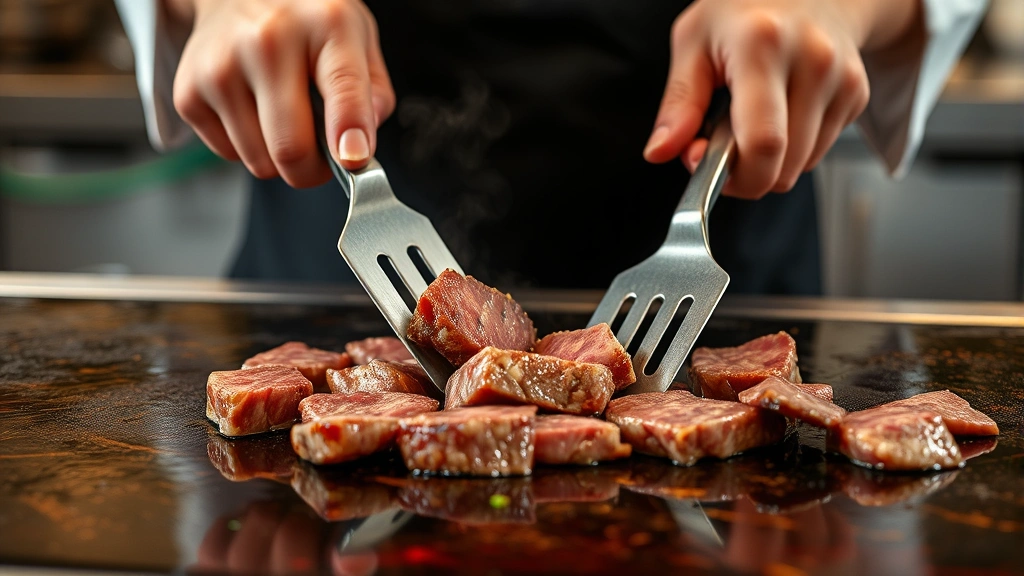
Hibachi steak differs fundamentally from traditional grilling or pan-searing methods. The technique relies on high heat, constant motion, and precise timing to create a caramelized crust while maintaining a tender, juicy interior. Traditional hibachi chefs use a flat iron griddle heated to 400-500 degrees Fahrenheit, which allows for rapid moisture evaporation and Maillard reaction development.
The key differentiator is the cooking philosophy. Rather than searing once and finishing with residual heat, hibachi cooking involves continuous movement and manipulation of the meat. The chef constantly pushes, chops, and repositions the steak, preventing sticking while building layers of flavor. This dynamic approach, combined with butter-based basting, creates the signature crispy exterior and succulent center that makes hibachi steak legendary.
Temperature control is absolutely critical. Most home cooks don’t realize that restaurant hibachi griddles maintain consistent heat through continuous fuel sources beneath the cooking surface. When you recreate this at home, you’ll need to monitor your heat source carefully. Unlike our easy chicken casserole recipe, which relies on oven consistency, hibachi demands active temperature management throughout the cooking process.
Essential Ingredients and Seasonings
The beauty of hibachi cooking lies in its simplicity. You don’t need complicated spice blends or exotic ingredients. Instead, focus on quality basics that allow the beef to shine while building complex flavors through proper technique.
- Beef: 1.5 to 2-pound steak (New York strip, ribeye, or filet mignon), cut to 1.5-inch thickness
- Butter: 4 tablespoons unsalted butter, divided into portions
- Garlic: 4-5 cloves, minced finely
- Salt: Kosher salt for seasoning (approximately 1.5 teaspoons)
- Black pepper: Freshly ground, about 0.5 teaspoon
- Soy sauce: 2 tablespoons for finishing
- Vegetable oil: 2 tablespoons high-smoke-point oil (avocado or refined vegetable)
- Onion: 1 medium yellow onion, sliced into thick rings
- Mushrooms: 8 ounces mixed mushrooms, sliced thickly
- Zucchini: 1 medium zucchini, sliced into quarter-inch pieces
The seasoning strategy here is intentional. Salt and pepper applied at the right moments create flavor depth, while butter and garlic added during cooking provide richness and aroma. Many home cooks make the mistake of over-seasoning at the beginning, which can dry out the meat. Hibachi technique teaches us to build flavor progressively throughout the cooking process.
Equipment You’ll Actually Need
You don’t need to invest thousands in equipment. A properly heated flat cooking surface is your primary requirement. Here are your realistic options:
- Cast Iron Griddle: A 12-inch or larger cast iron griddle placed over two burners on your stovetop works beautifully. Cast iron retains heat exceptionally well and creates the necessary high temperatures. Season it properly and it becomes non-stick over time.
- Flat-Top Grill: If you have access to an outdoor flat-top cooker or propane griddle, even better. These maintain consistent heat and offer the authentic hibachi experience. Many outdoor cooking enthusiasts already own these.
- Large Stainless Steel Skillet: A heavy-bottomed 14-inch stainless steel skillet can work in a pinch, though it won’t provide quite the same surface area as a true griddle.
- Metal Spatulas: You’ll need two metal spatulas for chopping, pushing, and manipulating the meat. Avoid silicone or wooden utensils, which can’t handle the high heat.
- Long-Handled Tongs: Essential for safety and control when working with high-heat surfaces.
- Instant-Read Thermometer: Non-negotiable for achieving perfect doneness without cutting into the meat.
- Small Bowls for Mise en Place: Pre-portion all your ingredients before cooking begins.
The investment in proper equipment pays dividends. Unlike making our best pound cake recipe, which requires precise measurements but simple tools, hibachi cooking demands heat capacity and durability. A quality cast iron griddle costs $30-60 and lasts a lifetime.
Choosing and Preparing Your Beef
Beef selection makes or breaks your hibachi steak. Restaurant chefs don’t use just any cut; they select specific grades and cuts that perform optimally under high-heat cooking.
Best Cuts for Hibachi Cooking: New York strip steak is the traditional choice because it has good marbling without excessive fat, allowing for proper browning and tenderness. Ribeye offers more marbling and creates a richer result. Filet mignon provides maximum tenderness but less flavor complexity. For this recipe, we recommend New York strip as the ideal balance.
Grade Matters: Purchase USDA Prime or high-quality Choice beef if possible. The marbling in these grades creates superior flavor and moisture retention. The cost difference between grades is significant at purchase but negligible when you consider the entire dining experience.
Thickness and Size: Cut your steak to exactly 1.5 inches thick. This thickness allows proper crust development while maintaining a pink center. Anything thinner cooks too quickly; anything thicker requires extended cooking that can dry out the exterior.
Pre-Cooking Preparation: Remove your steak from refrigeration 30 minutes before cooking. This crucial step allows the interior to reach closer to room temperature, ensuring even cooking throughout. Pat the steak completely dry with paper towels—moisture is the enemy of proper browning. Don’t season yet; that comes during cooking.
Step-by-Step Cooking Instructions
Now we reach the heart of this hibachi steak recipe. Follow these steps precisely, and you’ll understand why chefs spend years perfecting this technique.
Step 1: Preheat Your Griddle (5-10 minutes) Place your cast iron griddle or flat-top cooker over high heat. If using a stovetop, position it across two burners and set both to high. The griddle is properly heated when a drop of water instantly sizzles and evaporates. This typically requires 5-10 minutes of preheating. Don’t skip this step—insufficient heat prevents proper crust development.
Step 2: Oil the Cooking Surface (1 minute) Once preheated, add 2 tablespoons of high-smoke-point oil to the griddle. Swirl it around to coat the entire cooking surface evenly. The oil should shimmer and move freely across the hot griddle. This prevents sticking and helps distribute heat.
Step 3: Season and Place the Steak (Immediate) Season your steak generously with kosher salt and freshly ground black pepper on both sides. Place it directly onto the hottest part of the griddle. You should hear an immediate, aggressive sizzle. This sound indicates the Maillard reaction has begun—the chemical process that creates those incredible flavors and colors.
Step 4: Initial Sear (3-4 minutes) Leave the steak completely untouched for the first 3-4 minutes. Resist the urge to move it. This uninterrupted contact with high heat creates the caramelized crust. During this time, you’ll notice the steak releasing from the griddle surface and developing a dark brown color. This is exactly what you want.
Step 5: Flip and Sear Second Side (3-4 minutes) Using your metal spatula, flip the steak in one confident motion. Again, leave it untouched for 3-4 minutes. By now, both sides should have developed a deep brown crust. The steak will likely smell incredible—that’s the combination of rendered beef fat, caramelized proteins, and high-heat cooking.
Step 6: Add Butter and Garlic (2-3 minutes) Reduce heat to medium-high. Add 2 tablespoons of unsalted butter and your minced garlic to the griddle around the steak. As the butter melts, use your spatulas to chop the steak into bite-sized pieces, about 1-inch cubes. This is where hibachi gets theatrical. Continuously manipulate the pieces, allowing all surfaces to contact the hot griddle and butter.
Step 7: Temperature Check (Ongoing) Use your instant-read thermometer to monitor internal temperature. For medium-rare (the ideal hibachi doneness), aim for 130-135 degrees Fahrenheit. For medium, target 135-145 degrees. The steak will continue cooking slightly after removal from heat, so pull it at 5 degrees below your target temperature.
Step 8: Final Basting and Finishing (1-2 minutes) Continue cooking while basting the steak pieces with the butter and garlic mixture. This adds incredible depth of flavor and creates a glossy appearance. When the steak reaches your target temperature, add the remaining 2 tablespoons of butter and a splash of soy sauce (about 1 tablespoon). Toss everything together for another minute.
Pro Techniques for Perfect Results
Understanding the “why” behind each step separates amateur cooks from true hibachi specialists. Let’s explore the professional techniques that restaurants use.
The Resting Principle: After cooking, transfer your steak to a warm plate and let it rest for 3-5 minutes. During cooking, heat pushes meat juices toward the surface. Resting allows these juices to redistribute throughout the meat, resulting in maximum tenderness and moisture. This is non-negotiable for perfect results.
Heat Zone Management: Professional hibachi griddles have multiple heat zones. If using a home griddle, create your own zones by having one area at maximum heat for searing and another at medium heat for cooking vegetables and finishing touches. This gives you flexibility and prevents overcooking.
The Maillard Reaction: This chemical process occurs when amino acids and reducing sugars in beef react at temperatures above 300 degrees Fahrenheit. It creates hundreds of new flavor compounds and the characteristic brown color. Understanding this process explains why high heat is absolutely essential—low-temperature cooking never develops these complex flavors.
Spatula Technique: Professional chefs use two spatulas like extensions of their hands. Use one to hold the meat in place while the other cuts and flips. This constant motion prevents sticking, ensures even cooking, and creates the theatrical presentation that makes hibachi special. Practice this motion until it becomes second nature.
Garlic Timing: Never add garlic at the beginning of cooking—it will burn and turn bitter. Add it only when you reduce heat to medium-high, in the final stages. This prevents burning while still allowing the garlic to infuse the butter and steak with its aromatic oils.
Sauce Recipes and Pairings
While hibachi steak is delicious on its own, the right sauce elevates it further. Here are the authentic sauces that professional chefs use:
Classic Hibachi Butter Sauce This simple sauce replicates what chefs create on the griddle itself. Combine 4 tablespoons softened butter, 3 minced garlic cloves, 1 tablespoon soy sauce, 1 teaspoon Worcestershire sauce, and a pinch of salt and pepper. Mix thoroughly and serve alongside the steak. The butter melts over the warm meat, creating an incredible sauce.
Garlic Soy Reduction In a small saucepan, combine 3 tablespoons soy sauce, 2 tablespoons mirin (or honey), 1 tablespoon rice vinegar, and 2 minced garlic cloves. Simmer for 2-3 minutes until slightly reduced. This sauce provides a balance of salty, sweet, and acidic notes that complement the rich steak perfectly.
Yum Yum Sauce (The White Sauce) Hibachi restaurants are famous for their creamy yum yum sauce. Blend together 1 cup mayonnaise, 2 tablespoons tomato paste, 1 tablespoon paprika, 1 teaspoon garlic powder, 1 teaspoon onion powder, 1 teaspoon Worcestershire sauce, and a pinch of cayenne pepper. Add water one tablespoon at a time until you reach your desired consistency. This sauce is addictive and pairs beautifully with grilled steak.
For additional recipe inspiration and cooking techniques, explore our Greek recipes collection, which showcases how different cuisines approach meat preparation and seasoning.
Serving and Presentation
The presentation of hibachi steak is half the experience. Plating thoughtfully transforms a delicious meal into a memorable dining event.
Plate Selection: Use warm plates—cold plates cool the steak too quickly. If possible, warm your plates in a 200-degree oven for 5 minutes before plating.
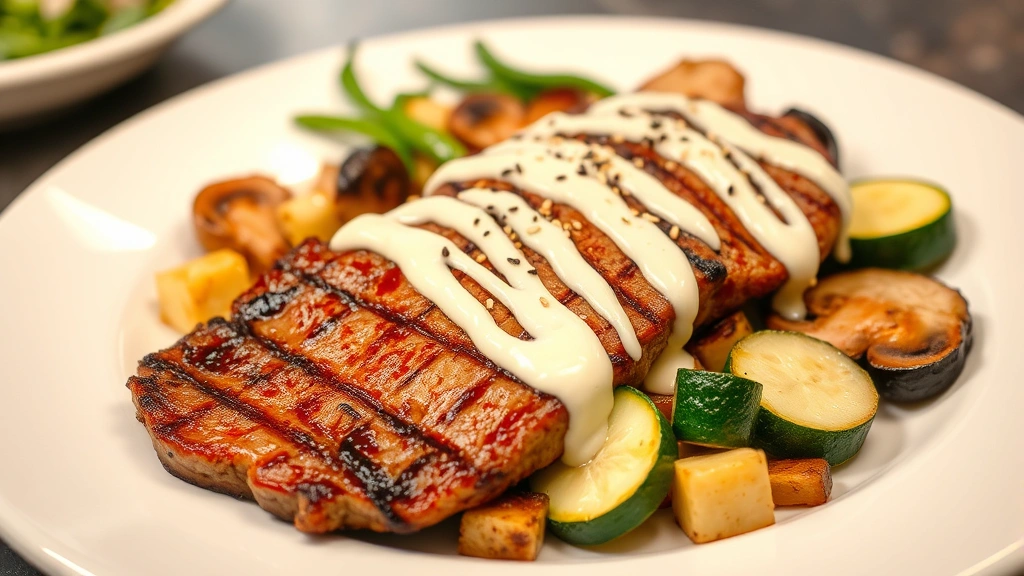
Vegetable Placement: Arrange your cooked vegetables (onions, mushrooms, zucchini) around the steak pieces. The color contrast creates visual appeal. These vegetables have absorbed butter and garlic, making them as delicious as the steak itself.
Sauce Presentation: Serve sauce in small bowls alongside the plated steak rather than pouring it over the top. This allows diners to control how much sauce they use and maintains the visual presentation of the caramelized steak.
Garnish Touches: A light sprinkle of sesame seeds and fresh green onion adds color and subtle flavor. These traditional hibachi garnishes complete the authentic presentation.
Accompanying Sides: Hibachi steak is traditionally served with fried rice and vegetables. You might also consider our latte recipe for a sophisticated dessert beverage afterward, or explore our Fresh Plate Daily Blog for complementary recipes.
For more advanced cooking techniques and ingredient knowledge, consider resources like The Culinary Institute of America, which offers comprehensive guides on cooking methods and meat preparation. Additionally, Serious Eats provides scientific explanations of cooking techniques, including detailed breakdowns of the Maillard reaction and heat management. For Japanese cuisine specifically, Just One Cookbook offers authentic Japanese cooking wisdom and technique guides. You might also explore Food & Wine for professional chef insights and Chowhound for restaurant cooking secrets.
If you’re looking for dessert inspiration to complete your hibachi dinner party, our chocolate lasagna recipe offers an elegant finale that impresses guests as much as the steak course.
FAQ
What temperature should hibachi steak reach?
For medium-rare (the traditional hibachi doneness), cook to an internal temperature of 130-135 degrees Fahrenheit. For medium, aim for 135-145 degrees. Remember that the steak continues cooking slightly after removal from heat due to carryover cooking, so pull it 5 degrees below your target temperature.
Can I use a regular skillet instead of a griddle?
Yes, though a griddle is preferable. A large, heavy-bottomed stainless steel or cast iron skillet will work. The key is achieving and maintaining high heat. You’ll have less surface area, so you may need to cook in batches or use a smaller steak.
Why is my steak sticking to the griddle?
Sticking typically indicates insufficient heat or inadequate oil. Ensure your griddle reaches at least 400 degrees Fahrenheit before adding the steak. Also, make sure your steak is completely dry before cooking—moisture prevents proper browning and increases sticking.
How do I know when to flip the steak?
After 3-4 minutes of uninterrupted cooking, the steak should release easily from the griddle when you try to move it. If it’s still sticking, wait another minute. Once it releases easily, flip it in one confident motion.
Can I prepare hibachi steak in advance?
No. Hibachi cooking is best done immediately before serving. The entire process takes only 12-15 minutes, and the steak loses its appeal if held longer than a few minutes. However, you can prepare all your ingredients (mise en place) in advance so you’re ready to cook when your guests arrive.
What’s the difference between hibachi and teppanyaki?
Hibachi traditionally refers to a small charcoal grill used for cooking at the table, while teppanyaki refers to the flat-top griddle cooking that restaurants typically use. For home cooking, we’re using teppanyaki techniques on a hibachi-style griddle, combining the best of both.
Should I marinate the steak?
No. Hibachi steak relies on high-heat cooking and simple seasoning to develop flavor. Marinating can interfere with proper browning and adds unnecessary moisture. Salt and pepper applied during cooking are all you need.
Can I cook frozen steak?
Not recommended. Frozen steak won’t cook evenly and won’t develop the proper crust. Always thaw your steak completely and bring it to room temperature before cooking.


