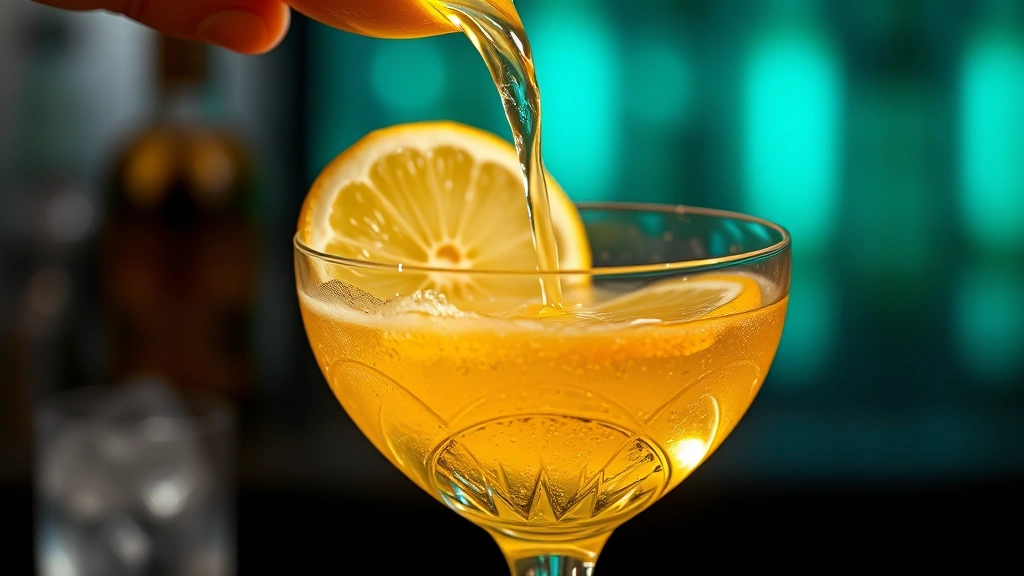
Whiskey Sour Recipe: Bartender-Approved Steps for the Perfect Cocktail
The whiskey sour stands as one of the most iconic cocktails in mixology history, beloved by bartenders and home enthusiasts alike. This timeless drink balances the boldness of quality whiskey with the brightness of fresh lemon juice and the subtle sweetness of simple syrup, creating a sophisticated sipper that’s equally at home in upscale cocktail lounges or casual home bars. What makes this drink truly special isn’t just its elegant flavor profile—it’s the technique and quality ingredients that transform a simple combination into something extraordinary.
Whether you’re hosting a dinner party, impressing friends at a casual gathering, or simply treating yourself to an evening libation, mastering the whiskey sour recipe opens doors to understanding classic cocktail construction. This guide walks you through every step, from ingredient selection to proper technique, ensuring your homemade whiskey sour rivals those served by professional bartenders. You’ll learn why certain choices matter, what variations exist, and how to troubleshoot common mistakes.
Essential Ingredients for Your Whiskey Sour
The foundation of any exceptional whiskey sour recipe begins with understanding and sourcing quality ingredients. Each component plays a crucial role in the final product, and skimping on quality will be immediately noticeable in your glass.
Whiskey Selection
The star of this drink demands careful consideration. Bourbon is the traditional choice, offering vanilla, caramel, and oak notes that complement the citrus beautifully. American bourbon, with its corn-based mash bill, provides a naturally sweeter profile that balances acidity. Rye whiskey offers a spicier, more complex alternative, adding peppery notes and a drier finish. Irish whiskey brings smoothness and subtlety, while Scotch whisky introduces smoky dimensions—though this creates a more unconventional variation.
Quality matters significantly here. A mid-range bourbon between $25-$50 will deliver excellent results. Brands like Buffalo Trace, Maker’s Mark, or Woodford Reserve are bartender favorites because they offer consistency and flavor without excessive cost. Avoid bottom-shelf options that taste harsh and overly alcoholic; they’ll dominate the drink rather than complement it.
Fresh Lemon Juice
This is non-negotiable: bottled lemon juice will not produce a bartender-approved result. Fresh lemon juice provides brightness, acidity balance, and a living quality that bottled versions simply cannot replicate. The citric acid in fresh juice interacts differently with the whiskey and egg white (if using), creating a more integrated flavor profile.
Purchase firm, heavy lemons and juice them immediately before mixing. One medium lemon yields approximately 2-3 tablespoons of juice. A basic hand juicer or citrus press works perfectly; you don’t need expensive equipment. Strain the juice through a fine mesh strainer to remove pulp and seeds.
Simple Syrup
Simple syrup provides essential sweetness and body. The standard ratio is one part sugar to one part water by weight. Dissolve white granulated sugar in hot water, then cool completely before using. Homemade simple syrup tastes fresher and cleaner than commercial versions, and it’s remarkably easy to prepare. Store it in a sealed container in your refrigerator for up to one month.
Some bartenders prefer slightly richer syrups using a 1:1.5 sugar-to-water ratio for additional body and mouthfeel. Experiment to find your preference, but standard simple syrup works beautifully in traditional whiskey sour recipes.
Egg White (Optional But Recommended)
The egg white component transforms a whiskey sour from good to exceptional. It creates a silky, luxurious texture and produces an attractive foam cap that’s visually striking. The protein in egg white also helps integrate the flavors more smoothly. Use only fresh, pasteurized eggs from reputable sources, or purchase pasteurized liquid egg whites if concerned about safety.
The egg white doesn’t add flavor—it purely enhances texture and mouthfeel. Purists sometimes skip this element, but most modern bartenders include it as standard in their whiskey sour recipe.
Optional Bitters and Garnish
Aromatic bitters add depth and complexity. A dash or two of Angostura bitters introduces herbal, spiced notes that enhance the overall profile. Orange bitters offer citrus amplification. These are optional but recommended by professional bartenders.
For garnish, a lemon wheel or cherry adds visual appeal and a hint of aromatic oils when expressed. Some bartenders skip garnish entirely, focusing on the drink’s purity.
Required Equipment and Tools
You don’t need an extensive bar setup, but certain tools make the process significantly easier and produce better results.
- Cocktail Shaker: A Boston shaker (two-part stainless steel) is professional standard and relatively inexpensive. It holds more volume and cools drinks more effectively than smaller options.
- Jigger: A double-sided measuring cup ensures accurate proportions. Most feature 1.5-ounce and 0.75-ounce sides, though other sizes exist.
- Bar Spoon: A long-handled spoon stirs drinks efficiently and reaches the bottom of tall glasses.
- Citrus Juicer: A simple handheld press or electric juicer extracts maximum juice with minimal effort.
- Fine Mesh Strainer: This removes pulp and seeds from fresh juice, creating a cleaner final product.
- Hawthorne Strainer: This specialized strainer fits your shaker spout, controlling ice flow during pouring.
- Cocktail Glass: A coupe glass (5-6 ounces) or rocks glass works beautifully for whiskey sours. Some prefer the classic coupe for its elegance.
Bartender-Approved Steps
Follow these precise steps to create a whiskey sour recipe that matches professional standards.
Step 1: Prepare Your Ingredients
Gather all components before beginning. Measure your whiskey, lemon juice, and simple syrup. If using egg white, separate it carefully and have it ready. Professional bartenders prepare everything in advance—this is called “mise en place”—ensuring smooth execution.
Step 2: Measure Accurately
The classic whiskey sour recipe uses a 2:1:1 ratio: two parts whiskey, one part fresh lemon juice, one part simple syrup. In practical terms:
- 2 ounces quality bourbon or rye whiskey
- 0.75 ounces fresh lemon juice
- 0.5 ounces simple syrup
- One egg white (optional but recommended)
- Two dashes aromatic bitters (optional)
These proportions create balance—the whiskey dominates without overwhelming, the citrus provides brightness without harshness, and the syrup rounds everything beautifully. Precision matters; use your jigger consistently.
Step 3: Dry Shake (If Using Egg White)
If including egg white, this step is crucial. Add whiskey, lemon juice, simple syrup, egg white, and bitters to your shaker—but do not add ice yet. Shake vigorously for about ten seconds. This “dry shake” or “reverse dry shake” emulsifies the egg white, creating a stable foam before the drink gets cold and diluted.
Step 4: Add Ice and Shake
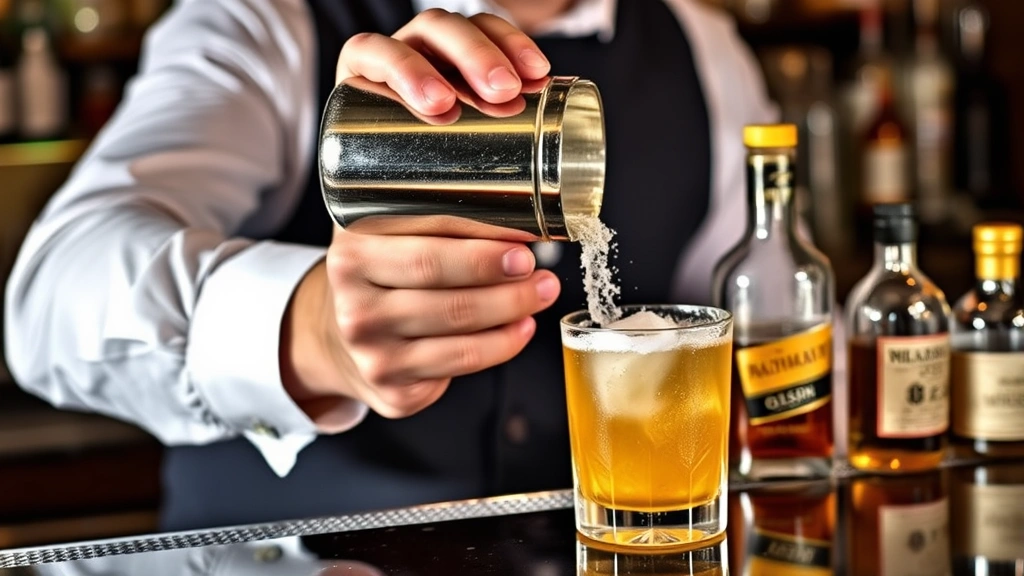
Fill your shaker with fresh ice—approximately half to two-thirds full. Now shake vigorously for about ten to twelve seconds. The ice cools the drink, dilutes it slightly (which is desired), and further integrates the ingredients. Your shaker should frost over, indicating proper temperature.
Shake with authority. Gentle shaking won’t properly cool the drink or create the desired texture. Professional bartenders use a smooth, rhythmic motion that’s both efficient and controlled.
Step 5: Strain Into Your Glass
Use your Hawthorne strainer to control ice flow, pouring into a chilled coupe or rocks glass. If you didn’t use egg white, a simple pour works fine. The drink should be cold enough to frost your glass slightly.
Step 6: Garnish and Serve
Express a lemon wheel’s oils over the drink by twisting it, then drop it into the glass. Alternatively, use a cherry or skip garnish entirely. Serve immediately while properly chilled.
Mastering the Technique
Beyond following steps, understanding the underlying techniques elevates your whiskey sour recipe from acceptable to exceptional.
Temperature Control
Cold drinks taste better and smoother. Professional bartenders pre-chill their glasses by filling them with ice water while preparing the drink, then dumping the water just before pouring. This simple step significantly improves the final product. A properly chilled drink maintains its temperature longer and delivers better flavor integration.
Proper Dilution
Shaking for the correct duration—ten to twelve seconds—achieves ideal dilution. Too little shaking leaves the drink too warm and undiluted; too much dilutes excessively, making it watery. The goal is approximately 0.5 ounces of water added through melting ice. This dilution is essential; it softens harsh alcohol edges and helps flavors blend smoothly.
Emulsification and Texture
The dry shake technique creates an emulsion between the egg white’s proteins and the drink’s liquid components. This creates a stable, silky foam that sits atop your drink. The foam is both visually appealing and contributes to mouthfeel—a textural element that makes the drink more sophisticated.
Flavor Balance
A well-made whiskey sour balances four elements: spirit strength, citrus brightness, sweetness, and mouthfeel. The 2:1:1 ratio achieves this balance, but your palate might prefer slight variations. Some prefer slightly less sweet (reducing simple syrup to 0.4 ounces); others want more citrus punch (increasing lemon to 0.85 ounces). Experiment within small ranges to find your ideal balance.
Popular Variations and Twists
Once you’ve mastered the classic whiskey sour recipe, exploring variations keeps things interesting.
The New York Sour
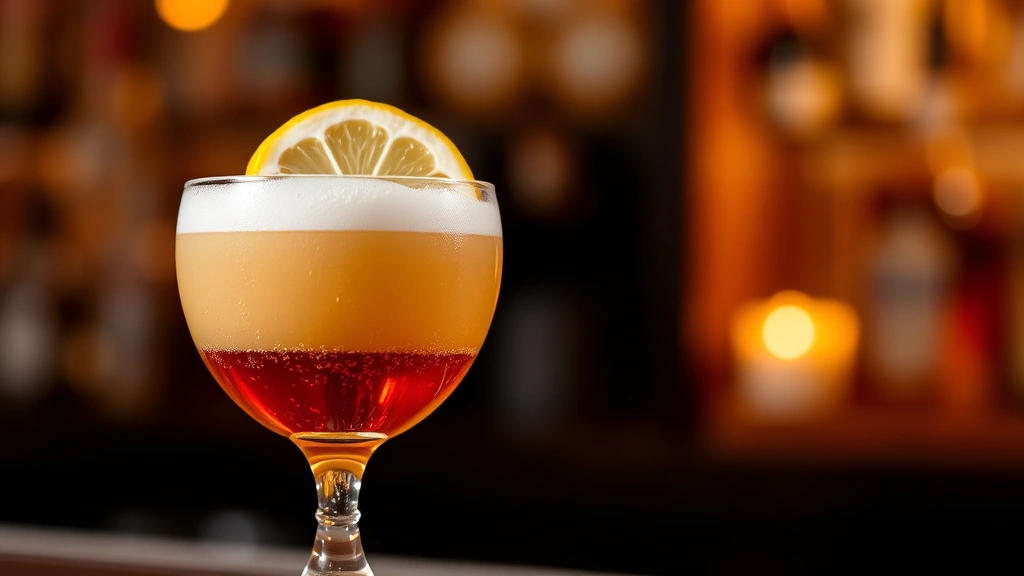
This striking variation floats grenadine on top of the finished drink, creating a beautiful layered effect. The grenadine sinks slightly, adding sweetness and visual drama. It’s a simple modification that transforms the drink’s appearance without significantly altering flavor.
Whiskey Smash
Muddling fresh mint with the syrup before adding other ingredients creates an herbaceous variation. This adds freshness and complexity, making it perfect for warm-weather sipping. The technique is similar to creating homemade infusions—you’re extracting flavor through physical manipulation.
Whiskey Sour with Honey
Substituting honey syrup (equal parts honey and hot water, cooled) for regular simple syrup adds depth and floral notes. Honey creates a richer mouthfeel and adds complexity. This variation works particularly well with bourbon, as the vanilla and oak notes complement honey beautifully.
Spiced Whiskey Sour
Adding a small dash of hot sauce, ginger syrup, or cinnamon bitters creates a spiced variation. This works especially well with rye whiskey, creating a warming, complex drink perfect for cooler months.
The Brandy Sour
While technically a different drink, the same technique applies—simply substitute brandy for whiskey. This creates a smoother, fruit-forward profile that appeals to those preferring less bold spirits.
Pro Tips for Perfect Results
Ingredient Quality Matters Most
Invest in quality whiskey and always use fresh lemon juice. These two elements define your drink’s character. Everything else is secondary to these primary ingredients. Compare a whiskey sour made with fresh lemon to one made with bottled juice—the difference is immediately obvious.
Keep Everything Cold
Pre-chill your glass, use fresh ice, and work quickly. A warm drink tastes harsh and unbalanced. Cold drinks mask minor imperfections while allowing good ingredients to shine. This principle applies whether you’re mixing cocktails or preparing easy dinner recipes—proper temperature management matters.
Shake with Confidence
Weak shaking produces weak drinks. Use vigorous, controlled motions. Your shaker should be frosty after shaking—this visible frost indicates proper temperature. Professional bartenders develop a rhythm that’s both efficient and powerful.
Taste and Adjust
After making a few drinks, taste your proportions. Some prefer more citrus, others want additional sweetness. Small adjustments (increasing or decreasing by 0.1 ounces) create meaningful flavor changes. Keep notes on what works for your palate.
Use Quality Bitters Sparingly
Bitters should add subtle complexity, not dominate. Two dashes of quality Angostura bitters enhance without overpowering. Too much creates a medicinal taste. Think of bitters as seasoning—a pinch enhances, but too much ruins the dish.
Fresh Ice Every Time
Old ice absorbs freezer odors and flavors. Use fresh ice for each batch of drinks. This seems like a minor detail, but it prevents off-flavors that compromise your carefully balanced whiskey sour recipe.
Practice Your Pour
Smooth pouring technique develops with practice. Use your Hawthorne strainer to control flow, pouring from a moderate height to avoid splashing. This isn’t just aesthetics—controlled pouring prevents aeration that warms the drink.
Learn to Make Simple Syrup
Homemade simple syrup tastes noticeably better than commercial versions and costs almost nothing. Combine equal parts sugar and water, heat until sugar dissolves, cool completely, and store in the refrigerator. This fundamental skill applies whether you’re making cocktails or quick breakfast recipes requiring sweet components.
FAQ
Can I make a whiskey sour without egg white?
Absolutely. The classic version omits egg white entirely. Skip the dry shake and simply shake with ice for ten to twelve seconds. You’ll lose the silky texture and foam cap, but the drink remains delicious. Many bartenders serve it both ways—offering customers the choice.
What’s the best whiskey for a whiskey sour?
Bourbon is traditional and produces excellent results. Buffalo Trace, Maker’s Mark, and Woodford Reserve are reliable choices. Rye whiskey creates a spicier variation. Choose a mid-range whiskey ($25-$50) rather than premium or budget options. The quality difference between mid-range and premium is subtle, while the difference between mid-range and budget is dramatic.
Can I use lime juice instead of lemon?
Technically yes, but it creates a different drink. Lime juice is more acidic and less bright, producing a heavier drink. If you prefer lime, you might reduce the quantity slightly (0.6 ounces instead of 0.75) to avoid excessive acidity. This variation is sometimes called a Gimlet when using gin, but with whiskey it’s simply a variation.
How do I know if my drink is properly chilled?
Your shaker should be frosty after shaking, and the drink should be cold enough to frost your glass. When poured into a properly chilled coupe, the outside of the glass should fog slightly. If it doesn’t, your shaker wasn’t cold enough—shake longer or use more ice.
Why is my whiskey sour too sour?
You’re likely using bottled lemon juice or too much fresh juice. Bottled juice is more acidic than fresh. Switch to fresh lemon juice and measure carefully. If using fresh juice that still tastes too sour, reduce to 0.65 ounces and increase simple syrup to 0.6 ounces. Taste and adjust in small increments.
Should I shake or stir a whiskey sour?
Always shake. Shaking incorporates the citrus, syrup, and egg white (if using) while properly chilling the drink. Stirring is reserved for spirit-forward drinks like balanced flavor combinations where minimal dilution is desired. The whiskey sour benefits from the vigorous mixing and aeration that shaking provides.
How long should I shake?
Ten to twelve seconds is ideal. Count “one Mississippi, two Mississippi…” if you don’t have a timer. This duration properly cools the drink and achieves ideal dilution without over-watering. New bartenders often shake too briefly; ten seconds feels longer than you’d expect.
Can I batch whiskey sours for a party?
Yes, but with caveats. Combine whiskey, lemon juice, and simple syrup in a pitcher in the 2:1:1 ratio. Chill thoroughly. When ready to serve, shake each drink individually with egg white (if using) and ice. Pre-mixing without ice is fine; pre-mixing with ice dilutes excessively. This approach saves time while maintaining quality. For batch preparation techniques, this is standard practice in professional settings.
What type of glassware should I use?
A coupe glass (5-6 ounces) is traditional and elegant, highlighting the drink’s beauty. A rocks glass (8-10 ounces) works if you prefer serving over ice. Some bartenders use Nick and Nora glasses (4-5 ounces). Choose based on preference—any of these work beautifully for a whiskey sour recipe.
How do I make pasteurized egg white drinks safely?
Use pasteurized eggs from reputable sources, or purchase liquid pasteurized egg whites (available in most grocery stores). Pasteurization eliminates salmonella risk while preserving the protein structure needed for proper foam. Never use raw eggs from unknown sources.
Can I prepare a whiskey sour in advance?
No. Cocktails are best served immediately after preparation. Pre-mixing causes dilution and flavor degradation. The ice melts, watering down your carefully balanced proportions. Always shake fresh for each drink. This ensures optimal temperature, texture, and flavor.
What’s the alcohol content of a whiskey sour?
A standard whiskey sour contains approximately 25-30% ABV (alcohol by volume). The 2 ounces of 80-proof whiskey provides about 1.6 ounces of pure alcohol, diluted by juice, syrup, and water from shaking, creating a drink with moderate alcohol content—stronger than wine but less intense than straight spirits.


