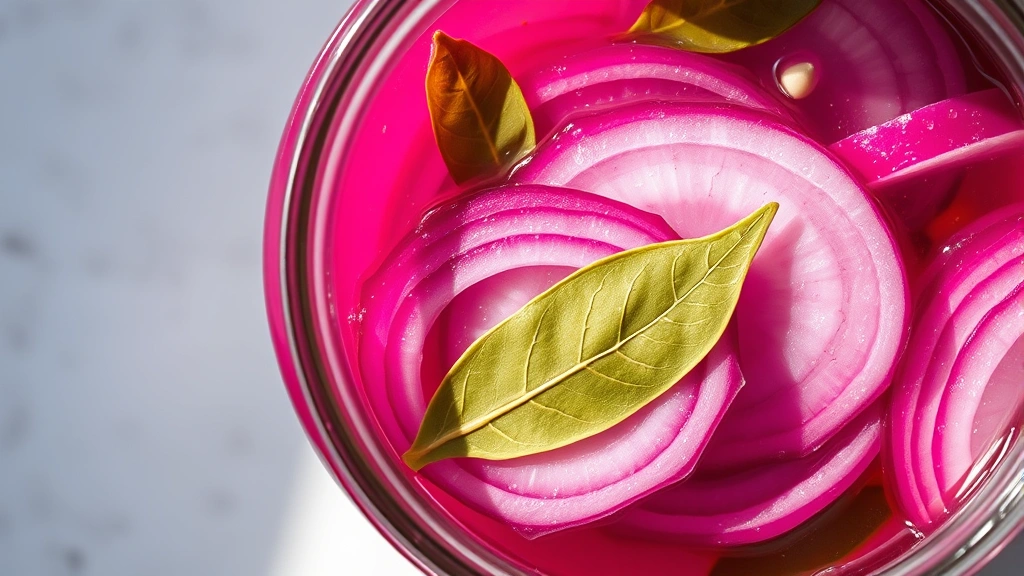
Quick Pickled Red Onions: Proven Method for Tangy Perfection
Pickled red onions are one of the most versatile condiments you can keep in your kitchen. These vibrant, tangy gems transform from raw, sharp onions into mellow, complex flavor bombs in just 15 minutes. Whether you’re topping tacos, garnishing salads, or adding punch to sandwiches, quick pickled red onions deliver restaurant-quality results without the fuss of traditional fermentation.
The beauty of this proven method lies in its simplicity and speed. Unlike long-term pickles that require weeks of patience, quick pickled red onions use heat to rapidly infuse vinegar, spices, and aromatics into thin-sliced onion rings. The result is a bright, crispy-tender condiment that stores for weeks in the refrigerator and costs just pennies to make. Once you master this technique, you’ll find yourself making batch after batch.
Why Quick Pickle Red Onions?
Quick pickling is fundamentally different from fermentation or canning. Instead of relying on beneficial bacteria or heat processing for preservation, quick pickling uses vinegar’s acidity and heat to soften the onions while creating an inhospitable environment for harmful microorganisms. This means your pickled red onions are ready to eat in minutes, not days.
The flavor profile of quick pickled red onions is distinctly different from their raw counterparts. The heat softens the harsh sulfur compounds that make raw onions pungent and eye-watering, replacing them with a mellow sweetness balanced by vinegar’s brightness. The pickling liquid penetrates the onion layers, creating a more uniform flavor throughout. Red onions are particularly suited for quick pickling because their natural sugars caramelize slightly under heat, adding depth to the final product.
From a practical standpoint, quick pickled red onions solve several kitchen problems. They add color and visual interest to otherwise bland dishes. They provide acidity without needing fresh lemon or lime juice. They offer probiotic benefits when made with certain vinegars. They’re shelf-stable for weeks, making them perfect for meal prep. They’re also incredibly economical—a pound of red onions costs less than a dollar and yields enough pickled onions for a dozen meals.
Essential Ingredients Explained
The foundation of any quick pickle is understanding your core ingredients and why each one matters. Let’s break down what goes into this proven method.
Red Onions: Always choose firm, unblemished red onions with papery skin. Avoid soft spots or sprouting. One large red onion (about 8 ounces) yields approximately one cup of sliced onions. The thickness of your slices matters tremendously—aim for ¼-inch thickness for the ideal balance of crispness and pickle penetration. Too thin and they become mushy; too thick and the center remains raw.
Vinegar: This is non-negotiable. You need vinegar with at least 5% acidity to preserve your pickles safely. White vinegar, apple cider vinegar, and red wine vinegar all work beautifully, each imparting different flavor notes. White vinegar is the most neutral and traditional choice. Apple cider vinegar adds subtle sweetness and complexity. Red wine vinegar creates a deeper, more wine-forward taste. Rice vinegar produces a milder, slightly sweet result. Don’t use specialty or flavored vinegars unless you want those flavors dominating your pickles.
Water: Filtered or tap water works equally well. Some cooks prefer filtered water for its neutrality, but it won’t significantly impact your final product.
Salt: Table salt, kosher salt, or sea salt all work, though kosher salt is preferred for its larger crystals and ease of measuring. Salt serves multiple purposes: it extracts moisture from the onions (osmosis), seasons the pickling liquid, and helps preserve the onions. Don’t skip this ingredient or reduce it significantly.
Sugar: While optional, a small amount of sugar balances vinegar’s acidity and enhances the natural sweetness of the onions. Even non-dessert-loving cooks appreciate this balance. Use white sugar, brown sugar, or honey—they all work, though honey adds subtle floral notes.
Spices and Aromatics: This is where personalization begins. Mustard seeds, coriander seeds, black peppercorns, bay leaves, and dried chili flakes are classic additions. Fresh garlic and ginger add aromatic depth. Dried herbs like thyme or oregano contribute earthy notes. More on variations below.
Step-by-Step Pickling Process
This proven method has been tested countless times and delivers consistent, delicious results every single time.
Step 1: Prepare Your Onions
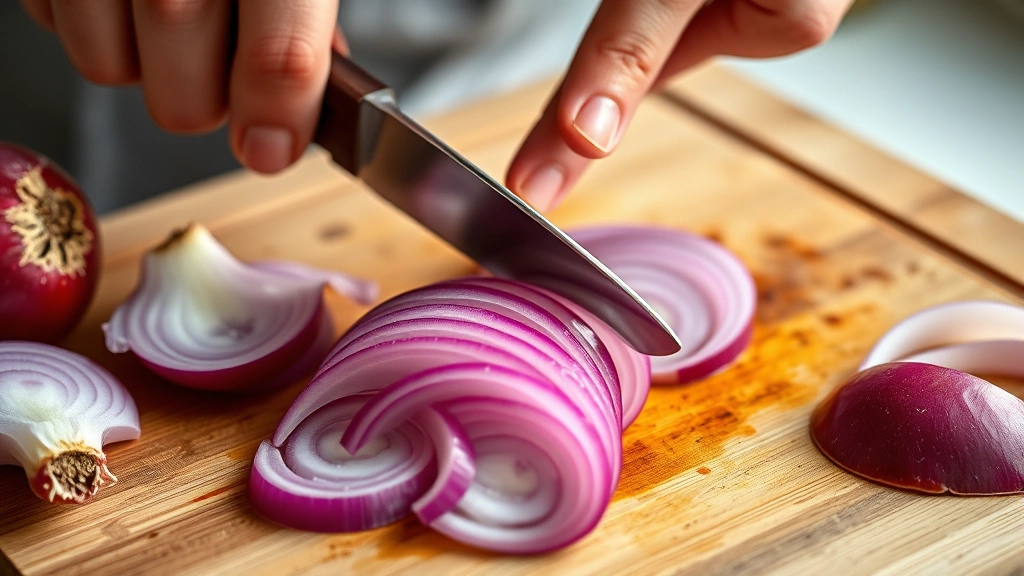
Start with 1-2 large red onions (about 1 pound). Trim the root and stem ends, then peel away the papery skin and first layer if it’s damaged. Slice the onions in half from root to tip, then place cut-side down on your cutting board. Slice perpendicular to the board into ¼-inch-thick half-moons. Aim for uniformity—this ensures even pickling. Place your sliced onions in a heat-safe bowl or jar. If making this alongside how to grill steak perfectly, you’ll have the ideal topping ready.
Step 2: Create the Pickling Liquid
In a small saucepan, combine 1 cup vinegar, ¾ cup water, 2 tablespoons sugar, and 1½ teaspoons salt. Add your chosen spices: 1 teaspoon mustard seeds, ½ teaspoon coriander seeds, 4-5 black peppercorns, 1-2 bay leaves, and ¼ teaspoon red pepper flakes create a classic profile. For extra flavor, add 2-3 smashed garlic cloves or a ½-inch piece of fresh ginger, thinly sliced.
Step 3: Heat the Liquid
Bring the mixture to a boil over medium-high heat. You should see vigorous bubbles breaking the surface. Let it boil for 1-2 minutes to ensure the salt and sugar fully dissolve and the spices release their oils. You’ll notice the kitchen fills with a pungent, vinegary aroma—this is a good sign.
Step 4: Pour and Cool
Carefully pour the hot pickling liquid directly over your prepared onions. The heat will begin softening them immediately. You should have enough liquid to completely submerge the onions; if not, add a bit more vinegar and water in equal parts. Let the mixture cool to room temperature, about 30-45 minutes. Don’t refrigerate immediately—the cooling process allows flavors to meld and penetrate the onion layers.
Step 5: Refrigerate and Rest
Once cooled, cover your jar and refrigerate. While the onions are technically ready to eat after 15 minutes, they taste significantly better after 2-3 hours of refrigeration. This resting period allows the flavors to fully integrate.
Flavor Variations and Customizations
The basic recipe is just the starting point. Here are proven variations that expand your pickled onion repertoire:
Asian-Inspired Variation: Replace half the vinegar with rice vinegar, add 1 tablespoon soy sauce, 1 teaspoon sesame oil, 1 star anise, and thin slices of fresh ginger. This version pairs beautifully with Asian noodle dishes and stir-fries.
Mediterranean Variation: Use red wine vinegar, add dried oregano, fresh thyme, a pinch of dried red pepper, and a few green olives. Include a strip of lemon zest for brightness.
Spicy Variation: Increase the red pepper flakes to ½ teaspoon, add 1-2 fresh Thai chilies (sliced), and include 1 teaspoon of hot sauce in the liquid. Perfect for those who love heat.
Sweet Variation: Increase sugar to 3 tablespoons, add ¼ teaspoon ground cinnamon, and include 2-3 whole cloves. This version works wonderfully with best healthy food recipes that benefit from subtle sweetness.
Herbal Variation: Fresh dill, tarragon, and chives create a garden-fresh profile. Add these after cooking the liquid but before pouring, as fresh herbs maintain better flavor when not boiled.
Smoky Variation: Use apple cider vinegar and add ½ teaspoon smoked paprika plus a pinch of chipotle powder. Include a small piece of bacon for authentic smokiness (remove before serving if you prefer).
Storage and Shelf Life
Proper storage ensures your pickled red onions remain delicious and safe to eat for weeks. Store them in clean glass jars with tight-fitting lids—mason jars work perfectly. Keep them in the refrigerator, where they’ll last 3-4 weeks, though they taste best within the first 2 weeks when the crispness is optimal.
The pickling liquid itself acts as a preservative, so always ensure the onions remain fully submerged. If you notice the liquid level dropping due to evaporation, add more vinegar and water in equal proportions to maintain the right balance.
For longer storage, you can process jars using water bath canning methods, which extends shelf life to several months in a cool, dark pantry. However, this requires proper canning equipment and techniques—consult the National Center for Home Food Preservation for detailed instructions.
You can also freeze pickled red onions, though the texture becomes slightly softer upon thawing. They work fine for cooked applications but aren’t ideal for situations where crispness matters.
Best Uses for Pickled Red Onions
Pickled red onions are chameleons in the kitchen. They enhance both simple and complex dishes with minimal effort:
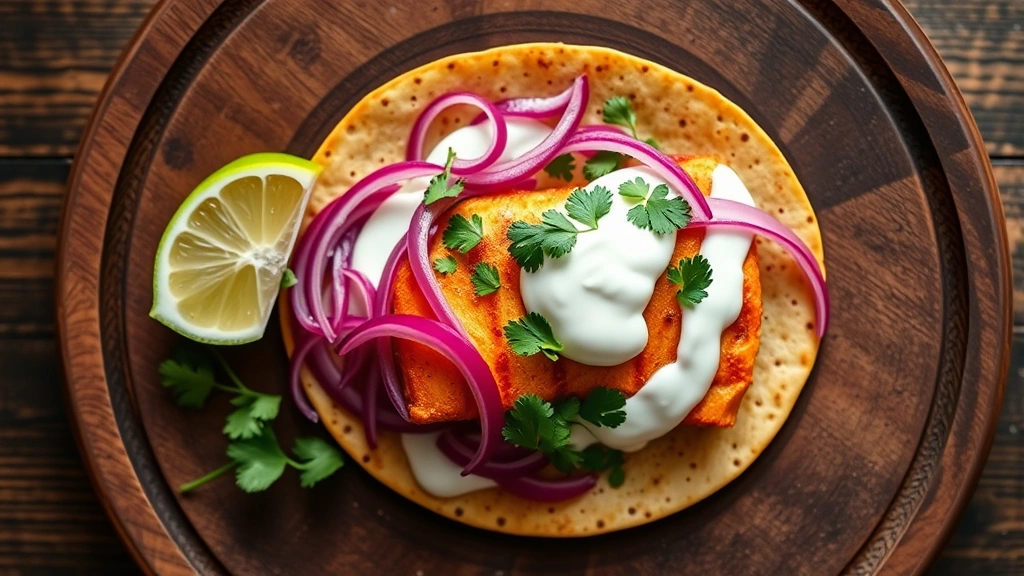
Tacos and Taco Bowls: The classic application. The bright acidity cuts through rich meats and creamy sauces, while the color adds visual appeal. Works with everything from fish tacos to pulled pork.
Sandwiches and Burgers: Layer them on any sandwich for instant brightness. They’re particularly stunning on grilled steak sandwiches, where they provide contrast to the rich beef.
Salads: Add them to green salads, grain bowls, or coleslaw. They contribute acidity, so you might reduce the vinegar in your dressing accordingly.
Rice and Grain Bowls: Pickled red onions elevate Buddha bowls, burrito bowls, and grain salads instantly.
Charcuterie Boards: Their vibrant color and tangy flavor make them a sophisticated addition to cheese and cured meat boards.
Breakfast Dishes: Top avocado toast, scrambled eggs, or breakfast sandwiches with pickled onions.
Vegetable Sides: Mix into roasted vegetables or add to vegetable-based easy dinner recipes for beginners.
Condiment Platters: Serve alongside curries, dal, or Indian rice dishes, where they function as a cooling, acidic complement.
Troubleshooting Common Issues
Onions Are Too Soft or Mushy: You likely sliced them too thin or let them sit too long. For crispier results, slice thicker (⅜-inch) and serve within 1-2 weeks. Alternatively, don’t pour boiling liquid directly over them—let it cool slightly first, which reduces the shock that softens the onions.
Onions Taste Too Vinegary: You may have used vinegar with higher than 5% acidity or didn’t add enough water. The ratio should be approximately 1:1 vinegar to water, with adjustments based on your vinegar strength. Add more sugar to balance the acidity.
Onions Taste Too Bland: This usually means insufficient salt or sugar. Taste the pickling liquid before pouring—it should taste noticeably salty and slightly sweet, as the onions will dilute these flavors. Don’t be shy with seasoning.
Liquid Is Cloudy: This is cosmetic and doesn’t affect taste or safety. It’s often caused by starch released from the onions or minerals in tap water. Use filtered water if clarity matters for presentation.
Onions Developed an Off Smell: Discard immediately. Properly pickled onions should smell bright and vinegary. Any sour, rotten, or unusual odor indicates spoilage.
Spices Are Overwhelming: Use fewer spices or remove them after 1-2 weeks. Spices continue infusing over time, so what tastes balanced on day one might taste strong on day three. For longer storage, strain out whole spices after 48 hours.
FAQ
Can I use white onions instead of red onions?
Yes, white or yellow onions work, though they lack red onions’ natural sweetness and won’t develop the same color. Red onions are preferred for both flavor and appearance.
How long does the pickling process take?
Technically, 15 minutes from pouring the hot liquid over the onions. However, they taste significantly better after 2-3 hours of refrigeration, and optimal flavor develops after 24 hours.
Do I need special canning equipment?
No. For refrigerator pickles, any clean glass jar with a tight lid works fine. Water bath canning requires specific equipment, but it’s optional for this recipe.
Can I reuse the pickling liquid?
Yes, but only if the first batch was successful and showed no signs of spoilage. You can make 1-2 additional batches before discarding. The liquid weakens with each use as onion juices dilute it.
What’s the difference between quick pickles and fermented pickles?
Quick pickles use heat and vinegar for immediate preservation and flavor. Fermented pickles rely on salt and naturally occurring bacteria over weeks or months. Quick pickles are ready in minutes; fermented pickles develop complex flavors over time.
Are pickled red onions healthy?
Yes. They contain beneficial compounds from vinegar, minimal calories, and add flavor without excess salt when used as a condiment. The pickling process preserves the onions’ quercetin, an antioxidant compound.
Can I make these without sugar?
Yes, though they’ll taste more aggressively acidic. Even 1 tablespoon of sugar balances the flavor significantly. Honey works as a substitute if you prefer.


