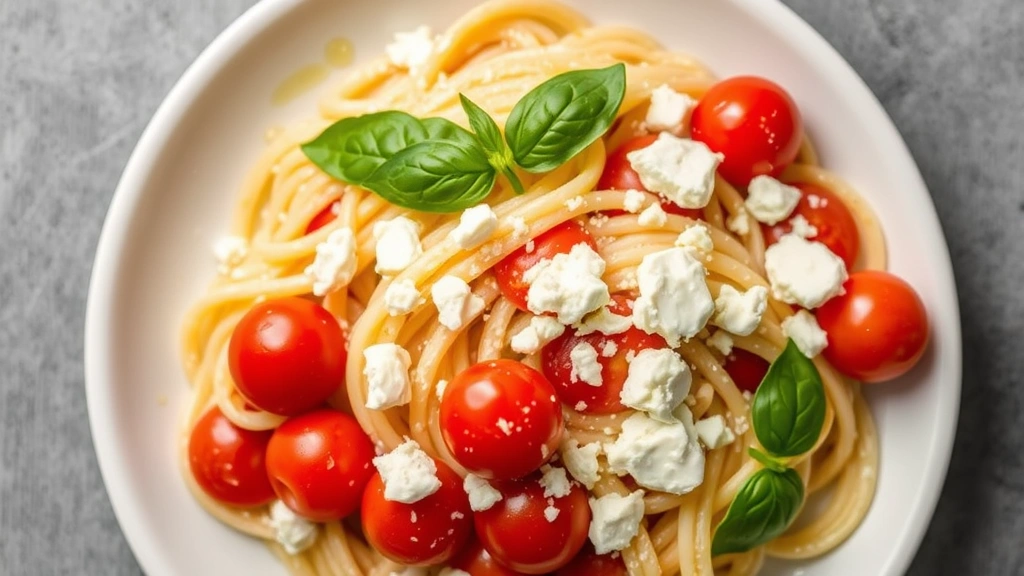
Feta Pasta Recipe: Chef’s Secret Guide to Creamy, Tangy Perfection
Feta pasta has become a culinary sensation, transforming simple ingredients into a restaurant-quality dish that’s surprisingly easy to master at home. This creamy, tangy pasta combines the sharp bite of feta cheese with fresh vegetables and aromatic herbs to create a dish that feels both elegant and comforting. Whether you’re cooking for a weeknight dinner or impressing guests, understanding the chef’s secrets behind this Mediterranean-inspired classic will elevate your cooking game.
The beauty of feta pasta lies in its simplicity and the quality of its components. Unlike heavy cream-based sauces, this dish relies on the natural creaminess that develops when feta cheese breaks down with heat and pasta water, creating a luxurious sauce without excessive dairy. The technique is straightforward, but the results feel sophisticated. Let’s explore the professional methods that transform ordinary ingredients into an extraordinary meal.
This comprehensive guide reveals the techniques that professional chefs use to achieve the perfect balance of flavors and textures. From selecting the right feta cheese to mastering the emulsification process, you’ll discover how to create feta pasta that rivals your favorite Italian restaurants. We’ll also explore variations, troubleshooting tips, and how to adapt this recipe to your preferences.
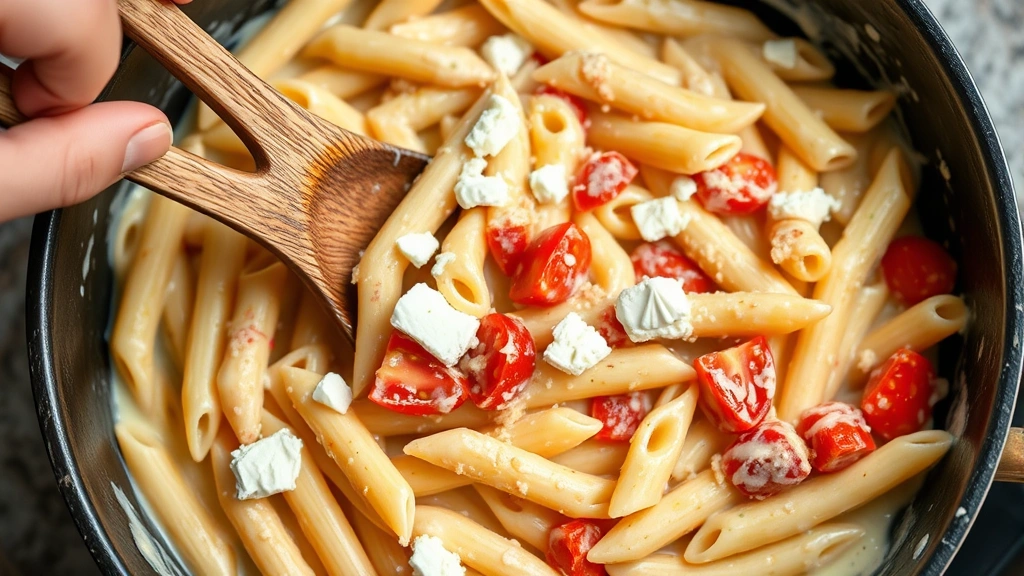
Essential Ingredients for Feta Pasta Success
The foundation of an excellent feta pasta recipe starts with understanding each ingredient’s role. While the ingredient list appears minimal, each component contributes significantly to the final dish. Professional chefs know that quality ingredients matter more than quantity when working with such simple preparations.
Feta cheese is the star, requiring 8-10 ounces of high-quality, authentic feta. Look for feta packed in brine rather than oil, as it maintains better texture and flavor intensity. Pasta should be a short shape like penne, rigatoni, or fusilli that captures the creamy sauce effectively. Use one pound of dried pasta or 1.5 pounds of fresh pasta.
Cherry or grape tomatoes provide fresh acidity and sweetness, counterbalancing the feta’s saltiness. Use 2 cups of ripe tomatoes for optimal flavor. Garlic adds depth—three to four cloves, minced finely, create aromatic complexity without overpowering. Olive oil should be extra virgin, as it’s essential for emulsifying the sauce and adding richness.
Fresh herbs transform the dish from good to exceptional. Fresh basil, oregano, and thyme each bring distinct Mediterranean character. Red pepper flakes add subtle heat that complements the tangy cheese. Salt and black pepper balance all flavors. Many chefs also include lemon zest or fresh lemon juice to brighten the dish and enhance the feta’s natural tang.
For an enhanced version, consider adding sun-dried tomatoes, Kalamata olives, or spinach. These additions expand the flavor profile while maintaining the recipe’s essential character. When shopping, visit a Mediterranean market or specialty grocer where you’ll find superior quality ingredients that make a noticeable difference.
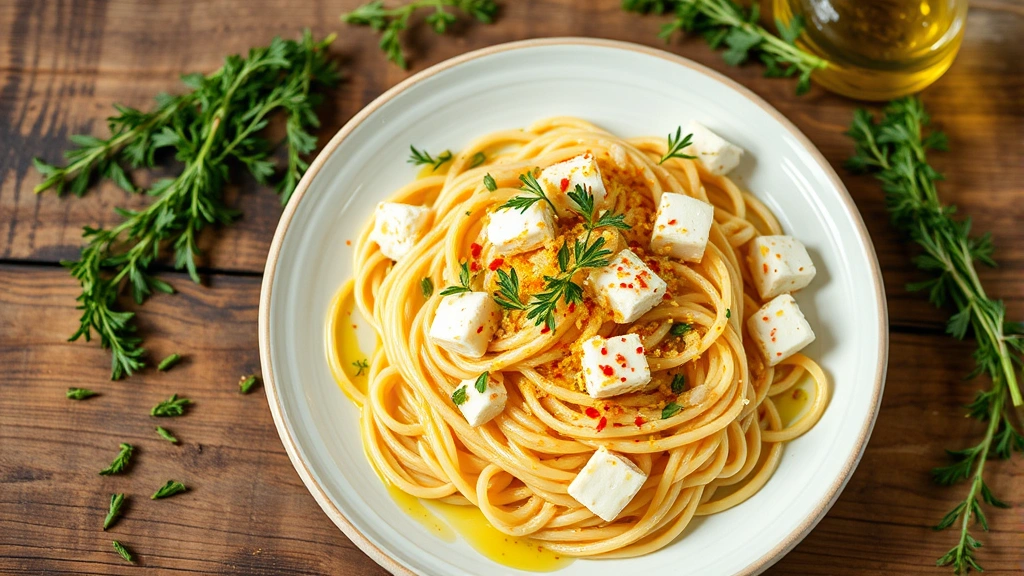
Choosing Quality Feta Cheese
The difference between mediocre and exceptional feta pasta comes down to feta selection. Professional chefs understand that authentic Greek or Bulgarian feta delivers superior flavor compared to mass-produced versions. Authentic feta has a crumbly texture and complex, tangy flavor that develops through proper brining and aging processes.
When selecting feta, examine the packaging carefully. PDO-certified feta (Protected Designation of Origin) guarantees authentic production methods from specific regions in Greece. This certification ensures you’re purchasing genuine feta made with traditional techniques. The cheese should appear bright white with a slightly crumbly texture, not overly soft or slimy.
Taste differences between brands are significant. Block feta offers better flavor and texture control compared to pre-crumbled varieties, which often contain anti-caking agents that interfere with proper melting. The brine surrounding the feta should smell fresh and tangy, indicating proper storage and handling.
Storage matters tremendously. Keep feta in its original brine, transferring it to an airtight container if needed. Properly stored feta lasts three to four weeks in the refrigerator. The brine prevents oxidation and maintains the cheese’s delicate texture. Never freeze feta, as this destroys its creamy consistency and creates a grainy, unpleasant texture.
For those exploring best healthy food recipes, feta pasta offers excellent nutritional value. Feta provides calcium, protein, and probiotics while remaining lower in fat than many cheese alternatives. The Mediterranean ingredients align perfectly with heart-healthy eating patterns.
Step-by-Step Cooking Instructions
Preparation Phase: Begin by bringing a large pot of salted water to a rolling boil. The water should taste like the sea—this seasons the pasta properly from the inside out. While water heats, prepare your mise en place. Mince garlic finely, halve cherry tomatoes, crumble feta into bite-sized pieces, and measure olive oil.
Chop fresh herbs roughly, keeping stems separate from leaves. Stems add flavor to the sauce; leaves garnish at the end. Grate lemon zest and set aside. This preparation ensures smooth cooking without scrambling for ingredients mid-process.
Cooking the Pasta: Add pasta to boiling water and cook until just al dente—typically two minutes under package recommendations. Professional chefs understand that carryover cooking continues after draining, so slightly undercooking prevents mushy pasta. Reserve at least one cup of pasta water before draining; this starchy liquid becomes crucial for sauce consistency.
Building the Sauce: While pasta cooks, heat three tablespoons of extra virgin olive oil in a large skillet over medium heat. Add minced garlic and cook for 30-45 seconds until fragrant but not browned—burnt garlic creates bitter, unpleasant flavors. Add halved tomatoes and herb stems, cooking for 3-4 minutes until tomatoes begin releasing their juices and softening slightly.
Add crumbled feta cheese to the warm pan. This is the critical moment—do not use high heat. The residual warmth from the pan and tomatoes begins melting the feta without breaking down its structure. Stir gently for 1-2 minutes, allowing the cheese to soften and begin releasing its creamy essence.
Add the drained pasta directly to the skillet with feta and tomatoes. Begin adding pasta water gradually, starting with half a cup. Stir continuously using a gentle folding motion, allowing the starch from pasta water to emulsify with the feta, creating a silky sauce. Add more pasta water as needed, achieving a sauce consistency that coats the pasta without pooling excessively at the bottom.
The sauce should look creamy and luxurious, clinging to each pasta strand. This typically requires 30-45 seconds of constant stirring and folding. The feta cheese dissolves partially, creating creaminess while maintaining small, flavorful cheese pieces throughout. Remove from heat once the desired consistency is reached.
Finishing Touches: Finish the pasta with fresh herb leaves, lemon zest, red pepper flakes to taste, and a generous crack of black pepper. Drizzle with additional high-quality olive oil and serve immediately. The heat should be just enough that the pasta is warm but not so hot that it continues cooking, which would toughen the pasta and break down delicate herbs.
Chef’s Pro Tips and Techniques
Professional chefs employ specific techniques that distinguish restaurant-quality feta pasta from ordinary home cooking. Understanding these methods transforms your results dramatically.
Temperature Control: The most critical factor in successful feta pasta is maintaining proper temperature throughout cooking. Too much heat causes feta to break down excessively, creating an oily, separated sauce rather than a creamy emulsion. Conversely, insufficient heat prevents proper cheese melting and sauce development. Medium to medium-low heat provides the ideal balance, allowing feta to soften and meld with pasta water without curdling.
Pasta Water Emulsification: Pasta water contains starch that acts as an emulsifier, binding fat and water together into a smooth sauce. This is why reserved pasta water is essential—it’s not merely a thinning agent but an active ingredient that creates the creamy texture. Add water gradually in small amounts, stirring constantly to achieve proper emulsification. This technique eliminates the need for heavy cream while delivering superior results.
Cheese Timing: Adding feta early in the process allows it to gently warm and soften. Adding it just before serving creates a broken, grainy texture. The optimal moment is when tomatoes have released their juices but before pasta is added, creating the perfect environment for controlled cheese melting.
Fresh Herb Strategy: Divide herbs into two categories: hardy herbs like thyme and oregano go into the sauce early for flavor development, while delicate herbs like basil are added at the end, preserving their bright, fresh character. This layered approach maximizes herb impact throughout the dish.
Acid Balance: Lemon juice or zest brightens the dish and prevents it from feeling heavy. Add acid gradually, tasting as you go. Too much creates an unpleasantly sour dish, while too little results in a flat, one-dimensional flavor profile. Most professionals add acid just before serving to preserve its fresh quality.
Learn more about how to make homemade sauces to expand your sauce-making repertoire beyond this classic preparation.
Flavor Variations and Adaptations
While the classic feta pasta recipe is exceptional, creative variations allow you to explore different flavor profiles while maintaining the dish’s essential character.
Mediterranean Version: Add Kalamata olives, sun-dried tomatoes, and capers to create a more intensely Mediterranean preparation. The briny, bold flavors complement feta beautifully. Use 1/2 cup Kalamata olives (pitted and halved) and 1/4 cup sun-dried tomatoes (chopped). These additions transform the dish into something more complex and restaurant-worthy.
Spinach and Feta: Incorporate fresh spinach or frozen spinach (thawed and squeezed dry) for added nutrition and earthiness. Add spinach during the final minute of cooking, allowing it to wilt gently into the sauce. This variation appeals to those seeking vegetable-forward preparations.
Spiced Version: Increase red pepper flakes and add smoked paprika for a smokier, spicier profile. Some chefs incorporate cumin or coriander for Middle Eastern-inspired variations. These spices complement feta’s tangy character while adding complexity.
Protein Additions: While traditionally vegetarian, feta pasta accepts various proteins beautifully. Grilled chicken, shrimp, or crumbled bacon integrate seamlessly. Cook proteins separately and add during the final stirring phase, ensuring even distribution throughout the dish.
Vegetable Variations: Beyond tomatoes, incorporate roasted red peppers, zucchini, eggplant, or artichoke hearts. Roasting vegetables beforehand concentrates their flavors and prevents excess moisture from affecting sauce consistency. Add roasted vegetables during the final heating phase.
Creamy Enhancement: For those preferring richer sauce, add a splash of heavy cream or Greek yogurt after removing from heat. This creates an even creamier texture while maintaining feta’s distinctive tanginess. Add cream sparingly—one to two tablespoons prevents overpowering the feta’s flavor.
Troubleshooting Common Issues
Even experienced cooks encounter occasional challenges with feta pasta. Understanding common problems and their solutions ensures consistent success.
Grainy, Broken Sauce: This occurs when feta overheats or when insufficient pasta water is added. Prevention involves maintaining medium-low heat throughout and adding pasta water gradually while stirring constantly. If sauce breaks, remove from heat immediately and add a tablespoon of cold pasta water while stirring gently. Sometimes this saves the sauce; if not, the flavor is still excellent even if texture isn’t ideal.
Overly Thick Sauce: If sauce becomes too thick, add pasta water one tablespoon at a time while stirring. The sauce should flow slightly when plated, not sit in a stiff mound. Remember that sauce continues thickening slightly as it cools, so aim for slightly looser consistency than you think ideal.
Bland Flavor: Insufficient salt is the most common culprit. Taste constantly during cooking and add salt gradually. Remember that feta is salty, so go slowly to avoid oversalting. If flavor remains flat despite adequate salt, add lemon zest or juice for brightness, or increase herb quantities.
Watery Sauce: Using watery tomatoes or insufficient cooking time causes this issue. Choose ripe, flavorful tomatoes and cook them long enough to release and concentrate their juices. If sauce is watery despite proper tomato selection, simmer slightly longer before adding pasta water to reduce excess moisture.
Feta Flavor Overpowering: If feta dominates other flavors, you’re likely using too much or a particularly strong variety. Reduce feta to 6-8 ounces and increase fresh herbs and lemon juice. The goal is balanced complexity, not feta-forward dominance.
Pasta Overcooking: This happens when pasta sits in the hot sauce too long. Cook pasta al dente and combine with sauce just before serving. If preparing ahead, store pasta and sauce separately, reheating and combining only when ready to serve.
For additional insights on ingredient selection and preparation, explore food waste reduction tips to maximize your ingredient efficiency.
FAQ
Can I make feta pasta ahead of time?
Yes, but with caveats. Prepare components separately and combine just before serving. Cooked pasta can be refrigerated for up to three days; reheat gently with a splash of water. The sauce components are best prepared fresh, though tomatoes can be cooked ahead. Combine everything only when ready to serve to maintain pasta texture and sauce consistency.
What’s the best pasta shape for feta pasta?
Short, tubular shapes like penne rigatoni, or fusilli work best because they trap sauce within their structure. Avoid long pasta like spaghetti, which doesn’t hold the chunky sauce as effectively. Fresh pasta shapes like orecchiette also work beautifully.
Can I use store-bought feta instead of authentic Greek feta?
While authentic Greek feta delivers superior flavor and texture, quality store-bought feta from reputable brands works acceptably. Avoid pre-crumbled feta and low-quality varieties that lack proper tanginess. Taste your feta before purchasing when possible.
Is feta pasta naturally gluten-free?
Traditional feta pasta uses regular wheat pasta, so it contains gluten. However, substituting gluten-free pasta creates a naturally gluten-free version. Use quality gluten-free pasta that maintains proper texture; some brands become mushy when cooked.
How long does feta pasta last in the refrigerator?
Properly stored feta pasta lasts two to three days. Store in an airtight container and reheat gently over medium-low heat, adding a splash of water to restore sauce consistency. The flavor often improves slightly as ingredients meld overnight.
Can I freeze feta pasta?
Freezing isn’t recommended as feta’s texture breaks down during freezing and thawing, creating a grainy consistency. The sauce also separates. Fresh preparation delivers far superior results, though you can freeze components separately and combine after thawing.
What wines pair well with feta pasta?
White wines like Sauvignon Blanc, Pinot Grigio, or Greek Assyrtiko complement feta pasta beautifully. Their acidity mirrors the dish’s brightness while their lightness doesn’t overpower delicate flavors. Light reds like Pinot Noir also work for those preferring red wine.


