Jasmine Rice Recipe: Chef’s Secret Method for Perfect Grains Every Time
Jasmine rice is one of the most beloved rice varieties in Southeast Asian cuisine, prized for its delicate floral aroma and naturally soft texture. Unlike regular white rice, jasmine rice contains a lower amylose content, which gives it that signature sticky-yet-fluffy consistency that pairs beautifully with curries, stir-fries, and aromatic dishes. Many home cooks struggle to achieve restaurant-quality jasmine rice at home, but the secret lies in understanding the proper water ratio, rinsing technique, and cooking method.
This comprehensive guide reveals the professional techniques that top chefs use to prepare jasmine rice that rivals any Thai or Vietnamese restaurant. Whether you’re cooking for a weeknight dinner or preparing for a special occasion, mastering this fundamental skill will elevate your entire meal. The difference between mediocre and exceptional jasmine rice comes down to a few key steps that we’ll explore in detail below.
Selecting Quality Jasmine Rice
The foundation of excellent jasmine rice begins with selecting the right product. Not all jasmine rice is created equal, and understanding the differences will significantly impact your final dish. Look for jasmine rice that is certified and ideally comes from Thailand, Cambodia, or Vietnam, as these regions have perfected cultivation methods over centuries.
When examining jasmine rice at the store, check for grains that are uniform in color and size. High-quality jasmine rice should have a slight translucent appearance with a delicate fragrance. Avoid bags with broken grains, dust, or discoloration, as these indicate lower quality or improper storage. Thai jasmine rice is particularly renowned for its aromatic properties and cooking characteristics.
Store your jasmine rice in an airtight container in a cool, dry place away from direct sunlight. Proper storage preserves the delicate aroma and prevents moisture absorption that can affect cooking results. Many chefs recommend purchasing smaller quantities more frequently rather than buying in bulk, ensuring you always have fresh rice available.
Essential Preparation Steps
Before cooking jasmine rice, proper preparation is non-negotiable. This step removes excess starch and debris that can cause the grains to become gummy or clump together. Many home cooks skip this critical phase, which directly impacts their results.
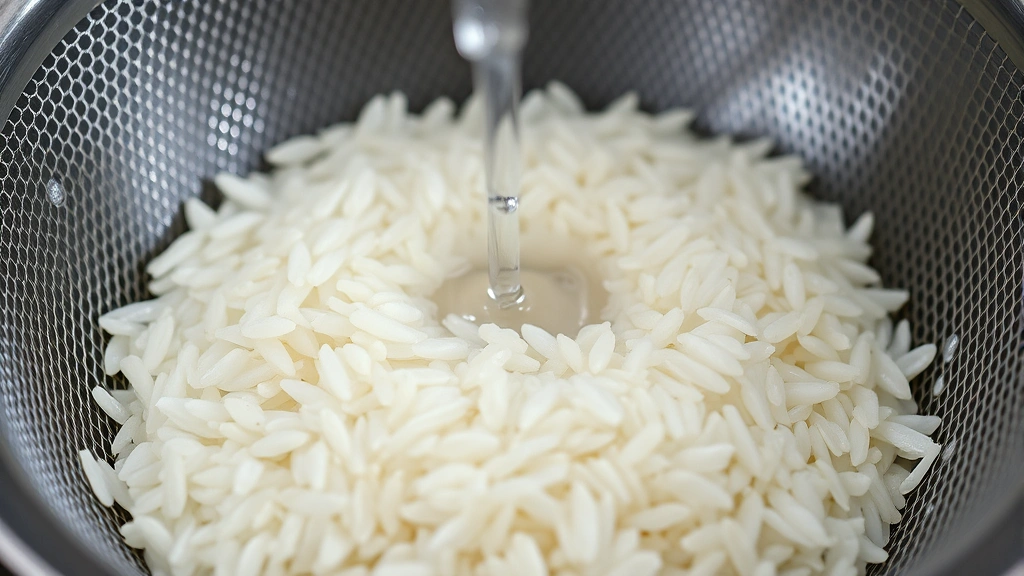
Place your desired amount of jasmine rice in a fine-mesh strainer. Hold the strainer under cold running water and gently stir the rice with your fingers for 30-45 seconds. The water will become cloudy as starch washes away—this is exactly what you want. Continue rinsing until the water runs relatively clear, which typically requires 2-3 passes. This rinsing process is what separates restaurant-quality rice from ordinary preparations.
Some traditional Asian cooking methods call for rinsing the rice by hand in a bowl, draining and refilling the water 3-4 times until the water becomes clear. This technique is equally effective and allows you to feel the rice texture, which helps you judge when adequate rinsing has occurred. The goal is removing surface starch without damaging the grains.
The Perfect Water Ratio
Water-to-rice ratio is crucial for achieving perfectly cooked jasmine rice. The standard ratio is 1.5 cups of water to 1 cup of uncooked jasmine rice. However, this can vary slightly depending on your altitude, humidity, and cooking method. Understanding the science behind this ratio helps you adjust for different circumstances.
Jasmine rice requires less water than long-grain white rice because of its lower amylose content. Adding too much water results in mushy, overly sticky rice, while insufficient water leaves grains undercooked and hard. The ideal outcome is grains that are tender but maintain their individual shape.
For altitude adjustments, if you live at high elevation, you may need to increase water slightly since water boils at lower temperatures. Conversely, in humid climates, reduce water marginally. Keep a cooking journal noting your adjustments—this personalization transforms you into a true rice master. Serious Eats provides detailed cooking science explanations for understanding these variables.
Cooking Methods Explained
Multiple cooking methods can produce excellent jasmine rice, each with distinct advantages. Understanding when to use each method allows you to choose based on your situation and available equipment.
The stovetop method offers maximum control and requires minimal equipment, making it ideal for home cooks who enjoy hands-on cooking. The rice cooker method provides convenience and consistent results with minimal monitoring. Instant pot and pressure cooker methods are fastest for busy schedules. Each approach has merits, and mastering all three makes you a versatile cook.
Stovetop Technique
The stovetop method gives you direct control over heat and timing, which many professional chefs prefer. After rinsing your rice, add it to a medium saucepan with the proper water ratio. Bring the mixture to a boil over medium-high heat without covering the pot.
Once boiling, stir the rice gently once to ensure even cooking and prevent sticking. Reduce heat to low, cover the pot with a tight-fitting lid, and cook for exactly 18 minutes. Resist the urge to peek—lifting the lid releases steam and disrupts the cooking process.
After 18 minutes, remove the pot from heat and let it sit, covered, for 5-10 minutes. This resting period allows residual moisture to distribute evenly throughout the grains. This step is absolutely critical and cannot be skipped, even though it’s tempting to serve immediately.
The complete stovetop process:
- Rinse 1 cup jasmine rice thoroughly under cold water
- Add to saucepan with 1.5 cups water
- Bring to boil over medium-high heat
- Stir once gently, reduce to low heat
- Cover tightly and cook 18 minutes
- Remove from heat and rest 5-10 minutes covered
- Fluff with fork before serving
Rice Cooker Method
For those who prefer convenience without sacrificing quality, the rice cooker method is exceptional. Modern rice cookers are engineered to produce consistently excellent results through automatic temperature and moisture sensors.
Add your rinsed jasmine rice to the rice cooker pot and pour in water using the 1.5:1 ratio. Most rice cookers have measurement lines inside the pot—these are calibrated for standard white rice and work perfectly for jasmine rice. Close the lid and press the cook button.
The rice cooker will automatically switch to warm mode when cooking completes. Many chefs recommend leaving the rice in warm mode for up to 30 minutes before serving—this maintains temperature while allowing grains to firm up slightly. For extended holding, place a paper towel under the lid to absorb excess moisture.
Rice cooker advantages include hands-free operation, consistent results, and ability to keep rice warm for hours. If you frequently cook rice, investing in a quality rice cooker is worthwhile. The Kitchn offers comprehensive rice cooker reviews and techniques.
Resting and Fluffing
The resting period after cooking is where many home cooks fail to achieve professional results. This step is non-negotiable for perfect jasmine rice texture. Whether using stovetop or rice cooker methods, allowing 5-10 minutes of resting time lets moisture redistribute evenly.
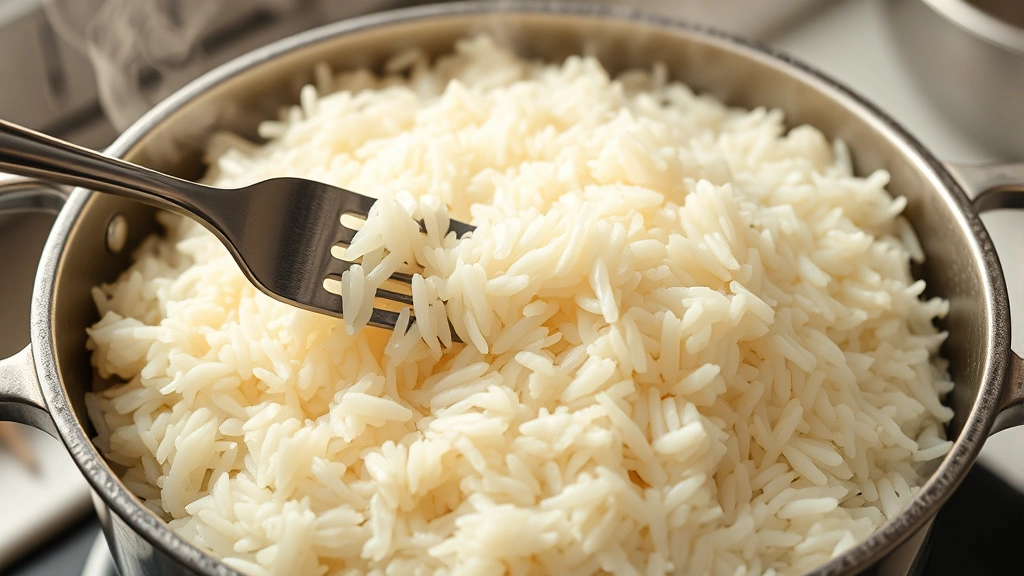
After the resting period, use a fork—never a spoon—to gently fluff the rice. Hold the fork with tines pointing down and use a gentle lifting motion to separate grains. Start at the edges and work toward the center. This technique aerates the rice without crushing delicate grains.
Proper fluffing takes only 30-45 seconds but transforms the texture from compressed to light and fluffy. If you need to hold rice for service, fluff it just before serving to maintain optimal texture. Rice that sits too long after fluffing will begin to compact again.
Serving Suggestions
Perfect jasmine rice pairs beautifully with countless dishes from Asian cuisine and beyond. The delicate flavor and aroma complement rather than overpower other ingredients, making it ideal for curries, stir-fries, and aromatic dishes.
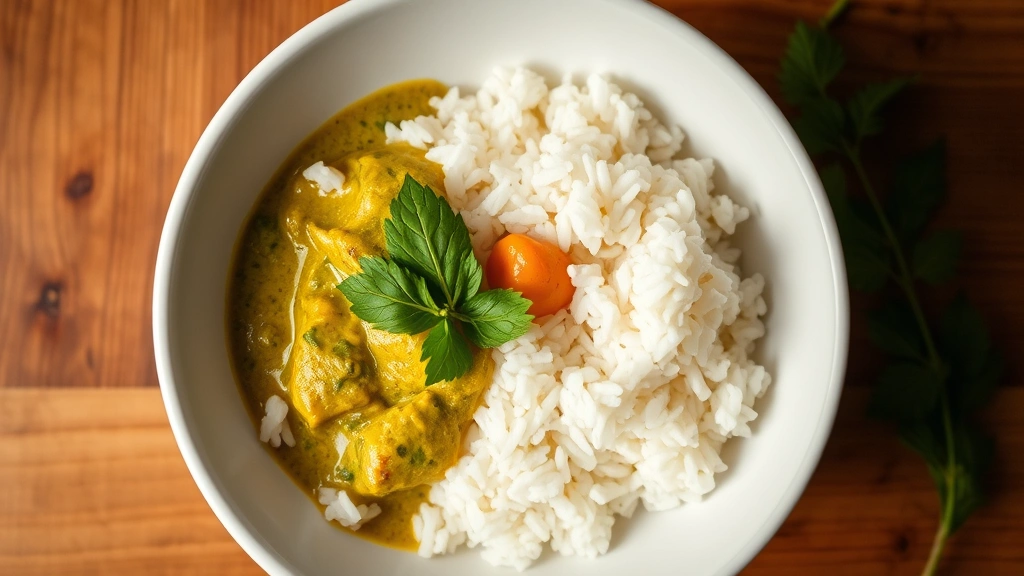
Jasmine rice works wonderfully alongside Thai green curry, where its subtle sweetness balances the heat. Pair it with Vietnamese pho for an authentic experience, or serve alongside Chinese stir-fried vegetables and protein. The rice also complements Indian cuisine beautifully, particularly biryani and pilau dishes.
For meal prep, cooked jasmine rice keeps refrigerated for up to 5 days. Reheat gently with a splash of water in a microwave or stovetop to restore moisture. Many cooks use leftover jasmine rice for homemade dessert preparations or rice bowls, though it’s best enjoyed fresh.
Temperature matters when serving jasmine rice. Always serve piping hot for optimal flavor and aroma release. The floral notes are most pronounced in warm rice, which is why restaurant chefs emphasize heat retention from cooking through plating.
FAQ
Can I cook jasmine rice without rinsing?
While technically possible, rinsing is strongly recommended. The starch coating causes clumping and gumminess. Professional chefs universally rinse jasmine rice before cooking. Skipping this step compromises texture significantly.
What’s the difference between jasmine rice and regular white rice?
Jasmine rice contains lower amylose starch content, making it stickier and softer than long-grain white rice. It also has a distinctive floral aroma absent in regular white rice. These differences affect water ratios and cooking times—they’re not interchangeable.
How do I fix mushy jasmine rice?
Mushy rice results from excess water or overcooking. Spread cooked rice on a baking sheet and let it air-dry for 10-15 minutes, which helps grains firm up. For future batches, reduce water by 2-3 tablespoons or decrease cooking time by 1-2 minutes.
Can I use a pressure cooker for jasmine rice?
Yes, pressure cookers work excellently for jasmine rice. Use a 1:1 water-to-rice ratio and cook on high pressure for 3 minutes with natural pressure release. This method is fastest but requires adjustment from stovetop ratios.
Why does my jasmine rice smell different each time?
Aroma intensity varies with rice age, storage conditions, and freshness. Newer rice has stronger fragrance than older rice. Store in airtight containers away from strong odors, which can transfer to rice. Purchasing smaller quantities ensures fresher product.
Is jasmine rice healthier than other rice varieties?
Jasmine rice has similar nutritional profiles to other white rice varieties—primarily carbohydrates with minimal protein or fiber. For increased nutrition, consider brown jasmine rice or pair white jasmine rice with protein and vegetable-rich dishes for balanced meals.
Can I make jasmine rice in advance?
Yes, cooked jasmine rice refrigerates well for 3-5 days in airtight containers. Reheat gently with a splash of water to restore moisture and texture. Some chefs prefer reheating in rice cookers set to warm mode, which distributes heat evenly without drying out grains.
What water should I use for cooking?
Filtered or distilled water produces the best results, though tap water works fine in most areas. If your tap water is heavily chlorinated or has high mineral content, filtering improves flavor. Water quality affects both taste and cooking consistency, especially for delicate varieties like jasmine rice.


