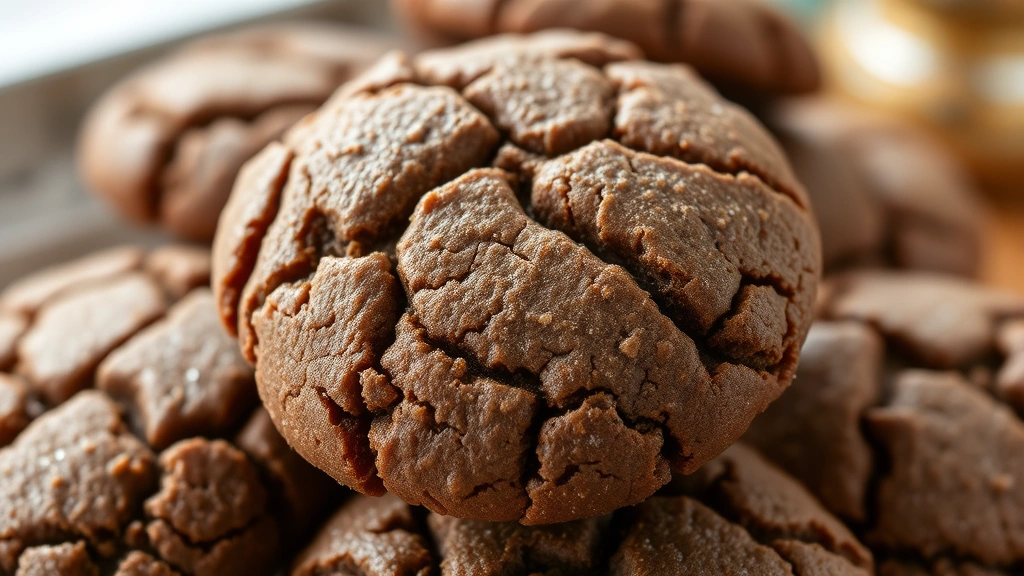
Molasses Cookies: Grandma’s Secret Recipe
There’s something magical about biting into a soft, chewy molasses cookie that transport you straight to grandma’s kitchen. These spiced treats have been a beloved staple in American households for generations, and for good reason. With their deep, complex flavor profile and perfectly tender crumb, molasses cookies represent the essence of comfort baking. The secret to achieving that coveted texture and rich taste lies not just in the ingredients, but in understanding how each component works together to create cookie perfection.
Molasses cookies are more than just a simple dessert—they’re a tradition. Whether you’re preparing them for holiday gatherings, afternoon tea, or simply satisfying a sweet craving, this timeless recipe delivers consistent results that will impress family and friends alike. The beauty of this recipe is that it doesn’t require fancy equipment or hard-to-find ingredients. With pantry staples and a bit of patience, you’ll be able to recreate the exact cookies your grandmother made, complete with all the nostalgic flavors and textures you remember.
In this comprehensive guide, we’ll walk you through every step of making authentic molasses cookies, from selecting the right molasses to mastering the baking technique. You’ll discover why certain ingredients matter, how to troubleshoot common issues, and how to customize the recipe to suit your preferences. By the end, you’ll have the confidence and knowledge to bake batch after batch of these irresistible treats.
Ingredients You’ll Need
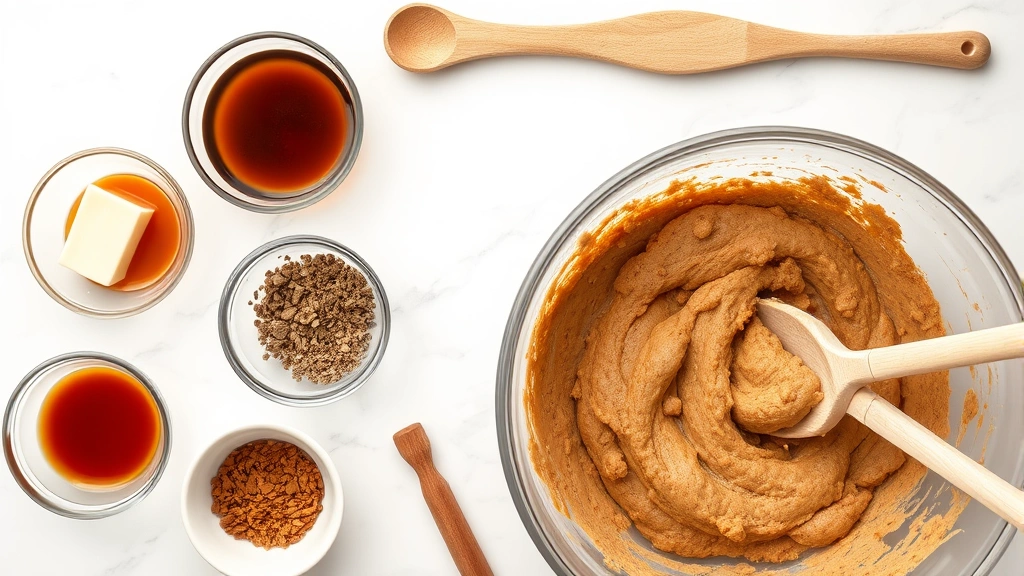
The foundation of exceptional molasses cookies starts with quality ingredients. Here’s what you’ll need to gather before you begin:
- 3/4 cup unsalted butter – Room temperature is crucial for proper creaming
- 1 cup granulated sugar – Provides sweetness and helps create the cookie structure
- 1/4 cup molasses – Use unsulfured molasses for the best flavor
- 1 large egg – Binds ingredients and adds moisture
- 2 1/4 cups all-purpose flour – The base of your cookie dough
- 2 teaspoons baking soda – Essential for lift and spreading
- 1/2 teaspoon salt – Enhances flavor complexity
- 2 teaspoons ground ginger – Provides warm, spicy notes
- 1 teaspoon ground cinnamon – Adds depth and warmth
- 1/2 teaspoon ground cloves – Brings subtle earthiness
- 1/4 teaspoon ground nutmeg – Completes the spice profile
- Coarse sugar for rolling – Creates a delightful crackled exterior
The combination of these spices creates what bakers call a “warm spice blend,” which is the signature flavor of traditional molasses cookies. Don’t skip any of these spices—each one contributes to the overall complexity and authenticity of the final product. If you’re interested in exploring other classic baking recipes, check out our collection of best breakfast food recipes which includes many traditional favorites.
Why Molasses Matters
Molasses is the star ingredient that gives these cookies their distinctive character. This thick, dark byproduct of sugar refining contains minerals like iron, calcium, and potassium, along with complex flavors that refined sugar simply cannot provide. Understanding molasses is key to mastering this recipe.
There are three main types of molasses available: light, dark, and blackstrap. For traditional molasses cookies, unsulfured molasses—typically dark molasses—is the preferred choice. Light molasses will produce a milder flavor, while blackstrap molasses can be overpowering for this particular application. The molasses contributes moisture, creates a tender crumb, and develops those rich, slightly bitter notes that balance the sweetness perfectly.
The hygroscopic nature of molasses (its ability to absorb and retain moisture) is what makes these cookies stay soft for days. This is why molasses cookies actually improve with age, unlike many other cookie varieties. Store them properly, and you’ll find they become even more flavorful and tender after a day or two.
For those interested in understanding ingredient science and food chemistry better, Serious Eats offers excellent resources on how different ingredients interact during baking.
Step-by-Step Instructions
Preparation Phase (5 minutes):
- Preheat your oven to 350°F (175°C). Position oven racks in the upper and lower thirds to ensure even baking across multiple batches.
- Line baking sheets with parchment paper or silicone baking mats. This prevents sticking and ensures even browning on the bottom of your cookies.
- Remove butter from the refrigerator and allow it to sit at room temperature for 20-30 minutes. Cold butter won’t cream properly, resulting in dense cookies.
- Whisk together flour, baking soda, salt, ginger, cinnamon, cloves, and nutmeg in a separate bowl. Set aside. This pre-mixing prevents lumps and ensures even spice distribution.
Creaming Phase (3-5 minutes):
- Place softened butter in a large mixing bowl. Using an electric mixer on medium speed, beat the butter for about 1 minute until it becomes pale and fluffy. This process incorporates air, which helps the cookies rise properly.
- Gradually add granulated sugar while continuing to beat. Mix for 2-3 minutes until the mixture is light, fluffy, and resembles wet sand. Scrape down the bowl frequently with a spatula to ensure even mixing.
- Add the molasses and beat for another 1-2 minutes. The mixture may look slightly separated at first—this is normal. Continue mixing until fully incorporated.
- Add the egg and beat for 1 minute on medium speed. The batter should now be smooth and homogeneous.
Combining Dry and Wet Ingredients (2 minutes):
- Reduce mixer speed to low. Add the flour mixture in three additions, mixing just until combined after each addition. Overmixing develops gluten, which can result in tough, cakey cookies.
- Scrape down the bowl one final time. The dough should be soft, slightly sticky, and well-combined.
Shaping and Baking (15-18 minutes):
- Pour coarse sugar into a shallow dish. Using a cookie scoop or spoon, form dough balls approximately 1.5 inches in diameter.
- Roll each dough ball in coarse sugar, coating all sides generously. This creates the signature crackled appearance when baked.
- Place cookies on prepared baking sheets, spacing them about 2 inches apart. These cookies do spread during baking, so adequate spacing is important.
- Bake for 12-15 minutes at 350°F. The cookies should be set around the edges but still soft in the center. The tops will appear cracked and slightly underbaked—this is exactly what you want.
- Remove from oven and allow cookies to cool on the baking sheet for 5 minutes. This allows them to set slightly while still being warm enough to move. Transfer to a wire rack to cool completely.
Professional Baking Tips
Temperature Control: Oven temperature accuracy is critical. Invest in an oven thermometer to verify your oven’s actual temperature. Many home ovens run hot or cold, which can significantly affect baking times and results. If your oven runs hot, reduce the temperature by 25°F. If it runs cool, increase by 25°F.
Measuring Flour Correctly: Spoon flour into your measuring cup and level it off with a knife. Don’t scoop directly from the bag, as this compacts the flour and can result in too much flour in your recipe. Too much flour creates dry, tough cookies. For precision, consider using a kitchen scale—1 cup of all-purpose flour weighs approximately 125 grams.
Batch Baking Strategy: If you’re making multiple batches, allow baking sheets to cool between batches. A hot sheet will cause cookies to spread excessively before the dough sets. Room temperature or cool sheets ensure even baking.
Testing for Doneness: The most reliable way to check if cookies are done is to gently press the top with your finger. It should spring back slightly but leave a faint impression. The edges should look set while the center appears slightly underbaked. As the cookies cool, carryover heat will continue cooking them to the perfect texture.
Cooling Completely: Never stack warm cookies. They need to cool completely on the wire rack before storing. Stacking warm cookies traps steam, which can make them soggy.
If you enjoy working with precise baking techniques, you might appreciate our guide on how to cook with cast iron, which discusses heat management in cooking.
Flavor Variations and Customizations
Chocolate Molasses Cookies: Add 1/4 cup unsweetened cocoa powder to the dry ingredients. This creates a rich, chocolate-molasses combination that’s absolutely divine. Reduce the flour by 2 tablespoons to account for the cocoa powder.
Extra Spicy Version: If you love bold spice flavors, increase the ginger to 3 teaspoons and add 1/4 teaspoon cayenne pepper. The cayenne adds a subtle heat that lingers pleasantly.
Citrus-Infused Cookies: Add 1 tablespoon of finely grated orange or lemon zest to the creamed butter and sugar mixture. The citrus brightness complements the warm spices beautifully.
Molasses Thumbprint Cookies: Instead of rolling in sugar, flatten the dough balls slightly and press your thumb into the center of each cookie. Fill with jam, caramel, or chocolate before baking. Increase baking time to 16-18 minutes.
Vegan Adaptation: Replace butter with vegan butter (Earth Balance or similar), and substitute the egg with 1/4 cup unsweetened applesauce mixed with 1 teaspoon ground flaxseed. The texture will be slightly different but still delicious.
For more creative recipe ideas, explore our best healthy food recipes section for inspiration on adapting traditional treats.
Storage and Shelf Life
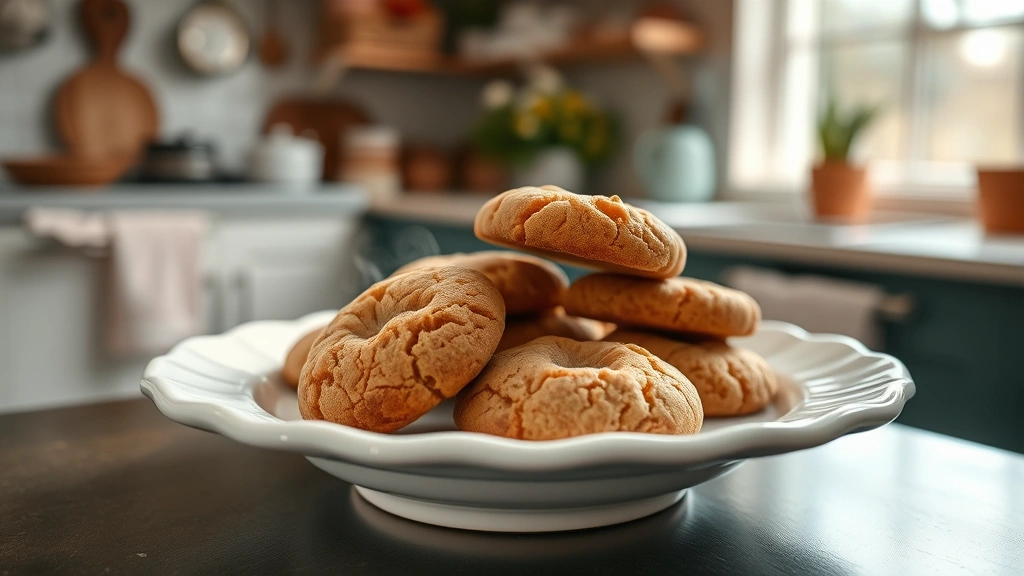
Room Temperature Storage: Place completely cooled molasses cookies in an airtight container at room temperature. They’ll stay fresh for 7-10 days, actually improving in texture and flavor as they age. The molasses continues to distribute moisture throughout the cookies, making them increasingly tender.
Freezing for Long-Term Storage: Molasses cookies freeze exceptionally well. You can freeze baked cookies for up to 3 months in a freezer-safe container with parchment paper between layers. Thaw at room temperature for 30 minutes before serving. Alternatively, freeze the dough balls before baking. Scoop and freeze dough balls on a baking sheet, then transfer to freezer bags. Bake directly from frozen, adding 1-2 minutes to the baking time.
Humidity Considerations: In humid climates, molasses cookies can absorb excess moisture and become overly soft. Store them with a piece of parchment paper between each layer rather than in direct contact with each other. If they do become too soft, you can re-crisp them by placing them in a 300°F oven for 3-5 minutes.
Avoiding Staleness: Never store molasses cookies in the refrigerator. The cold temperature accelerates the staling process. Room temperature or frozen storage are your best options.
Troubleshooting Common Issues
Cookies Are Too Cake-Like: This usually indicates overmixing or too much flour. Ensure you’re measuring flour correctly using the spoon-and-level method. Mix the dry ingredients into the wet ingredients only until just combined. The dough should be soft and slightly sticky.
Cookies Are Spreading Too Much: The butter may have been too warm when creamed, or the dough may be too warm when baked. Chill the dough for 15-30 minutes before scooping. Also verify your oven temperature with a thermometer—if it’s running hot, reduce the temperature by 25°F.
Cookies Are Too Hard or Dry: You may be baking them too long. Remove them when they still appear slightly underbaked in the center. They continue cooking as they cool. Also check that you’re not using too much flour.
Cookies Aren’t Spreading Enough: The dough may be too cold or stiff. Ensure butter was properly softened before mixing. If dough seems overly stiff, let it warm at room temperature for 10-15 minutes before scooping.
Uneven Browning: This often indicates uneven oven temperature. Rotate baking sheets halfway through baking time. Use an oven thermometer to identify hot and cold spots in your oven and adjust placement accordingly.
Molasses Flavor Is Too Strong: You may be using blackstrap molasses instead of dark molasses. Switch to a milder molasses variety, or reduce the amount of molasses by 2 tablespoons and add 2 tablespoons of additional egg or applesauce to maintain moisture.
For additional baking guidance and technique resources, King Arthur Baking Company provides extensive educational content on baking science and troubleshooting.
FAQ
Can I Make Molasses Cookies Without Baking Soda?
Baking soda is essential for this recipe as it reacts with the molasses to create lift and the characteristic spread. Without it, your cookies will be dense and cake-like. If you have a baking soda allergy, consult a professional baker for alternative formulations.
What’s the Difference Between Molasses and Honey?
Molasses and honey are different products with distinct flavor profiles. Molasses is a byproduct of sugar refining with a deep, complex taste and lower glycemic index. Honey is made by bees and has a lighter, floral sweetness. They’re not interchangeable in this recipe—molasses is essential for the authentic flavor and texture.
Can I Use Butter Substitutes?
Yes, you can use vegan butter or coconut oil in equal amounts. Vegan butter produces results closest to traditional butter. Coconut oil will create a slightly different texture and may add subtle coconut flavor. Avoid using oil or applesauce as a direct substitute, as they won’t cream properly with sugar.
How Long Does the Dough Keep in the Refrigerator?
Molasses cookie dough keeps for 3-5 days in an airtight container in the refrigerator. The flavors actually deepen during this time, making it a great option for preparing dough ahead. Bring dough to room temperature for 10-15 minutes before scooping and baking.
Why Are My Cookies Spreading Into Each Other?
Cookies spread when dough is too warm or the oven is too hot. Chill dough before baking, space cookies farther apart, and verify your oven temperature with a thermometer. Spreading can also indicate too much sugar or too little flour.
Can I Make Gluten-Free Molasses Cookies?
Yes, you can substitute all-purpose flour with a quality gluten-free flour blend designed for baking (such as Bob’s Red Mill 1-to-1). You may need to add 1-2 tablespoons of extra liquid (milk or water) as gluten-free flour tends to absorb moisture differently.
What Should I Serve With Molasses Cookies?
Molasses cookies pair beautifully with hot beverages like coffee, tea, or hot chocolate. They’re also excellent alongside milk or paired with complementary desserts. For meal ideas featuring baked goods, check out our easy dinner recipes for beginners which includes sweet finales to complete your meal.
How Can I Make Softer Cookies?
Remove cookies from the oven slightly earlier than recommended—when the edges are set but the center still jiggles slightly. Store them in an airtight container with a piece of bread, which releases moisture and keeps cookies soft. Replace the bread every 2-3 days.
Can I Double This Recipe?
Absolutely. Simply double all ingredients. The mixing process remains the same, though you may need to work in batches if your mixer isn’t large enough. Be aware that baking times may vary slightly when baking larger batches simultaneously, so monitor them carefully.
Baking molasses cookies is a rewarding experience that connects you to generations of home bakers. With this comprehensive guide, you now have the knowledge and confidence to create authentic, delicious molasses cookies that rival any bakery. Start with the classic version, then experiment with variations once you’ve mastered the base recipe. Your family will be delighted with these timeless treats, and you’ll create new traditions of your own.


