Poblano Pepper Recipes: Chef-Approved Variations for Every Occasion
Poblano peppers are the unsung heroes of Mexican and Southwestern cuisine. These dark green, heart-shaped chiles deliver a mild heat with rich, earthy flavor that elevates dishes without overwhelming the palate. Whether you’re a seasoned cook or exploring Mexican ingredients for the first time, poblano pepper recipes offer incredible versatility that spans appetizers, mains, and even unexpected applications.
The beauty of poblanos lies in their balanced profile: they’re milder than jalapeños but more flavorful than bell peppers. When roasted, their skin chars and loosens, revealing tender flesh underneath. This technique unlocks deeper, almost smoky notes that transform simple ingredients into restaurant-quality dishes. We’ve curated chef-approved variations that showcase poblanos in classic and innovative ways.
Roasted Poblano Fundamentals: The Foundation Technique
Before diving into specific poblano pepper recipes, mastering the roasting technique is essential. This single skill unlocks the pepper’s full potential and forms the foundation for nearly every variation you’ll prepare.
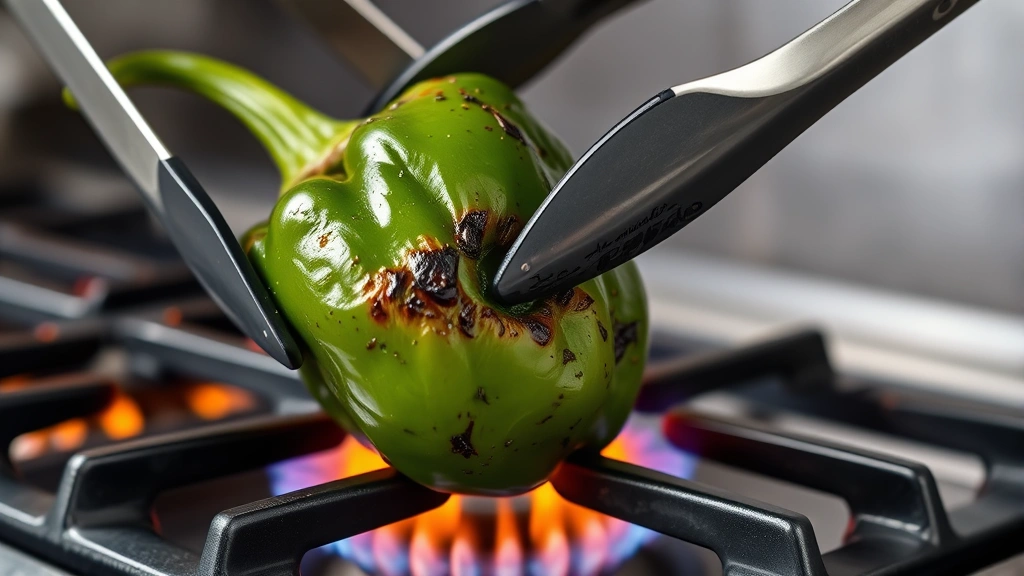
The Direct Heat Method: Hold poblanos directly over a gas flame using tongs, rotating every 30 seconds until the entire skin blackens and blisters. This typically takes 4-5 minutes total. The charring isn’t burning—it’s the waxy exterior breaking down. If you don’t have a gas stove, use a cast iron skillet on high heat, rotating the peppers frequently, or place them on an oven rack under the broiler.
Once charred, immediately place the peppers in a plastic bag or covered bowl for 5-10 minutes. This steam loosens the skin dramatically. Under cool running water, gently rub away the blackened skin with your fingers. The flesh underneath should be tender and sweet. Make a small slit and remove the seed pod and stem, being careful to preserve the pepper’s shape if you’re making chiles rellenos.
For maximum flavor, roast peppers in batches and store them in the refrigerator with a light coating of olive oil. They’ll keep for up to five days, making meal prep efficient. According to culinary education experts, proper roasting technique is foundational to Mexican cooking mastery.
Classic Chiles Rellenos: The Traditional Masterpiece
Chiles rellenos represent the pinnacle of poblano pepper recipes. This dish appears on menus from casual taquerías to fine dining establishments, and when executed properly, it’s unforgettable.
The Components: You’ll need roasted poblanos (preferably left whole with just the seed pod removed), filling, and egg batter. Traditional fillings include Oaxaca cheese or quesillo, though variations incorporate chorizo, rajas con queso, or seasoned ground beef. The egg coating—a fluffy meringue made from separated eggs beaten until stiff peaks form—is what distinguishes restaurant-quality chiles rellenos.
Preparation Steps: Gently stuff each roasted poblano with approximately ¼ cup filling, leaving room at the opening. The pepper should remain intact and pliable. Beat egg whites until stiff, then gently fold in yolks. Heat oil in a deep skillet to 350°F. Holding the stuffed pepper by its stem, dip it completely in egg batter, then carefully slide it into hot oil. Fry 2-3 minutes per side until the coating is golden and puffy. Transfer to a paper towel-lined plate.
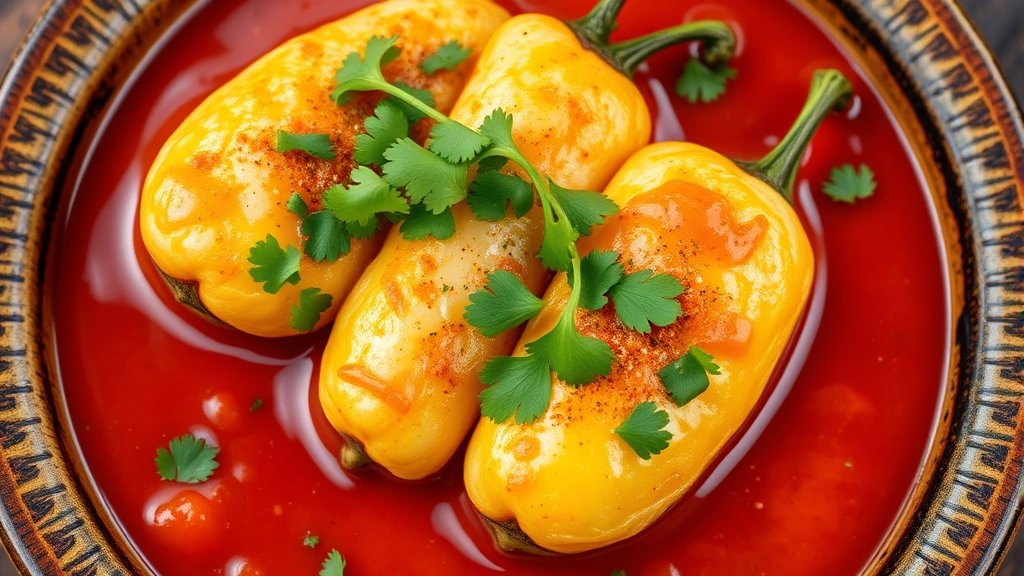
Serve chiles rellenos immediately with warm tomato sauce. A simple sauce made from blended roasted tomatoes, garlic, onion, and chicken stock with a bay leaf simmered for 15 minutes provides the perfect complement. This classic preparation works beautifully as part of your fall recipes rotation, especially when tomatoes are at their peak.
Chef’s tip: Some cooks skip the frying step and bake their chiles rellenos in a 350°F oven for 20-25 minutes for a lighter version. Both methods are valid; choose based on your preference and dietary considerations.
Creamy Poblano Soup: Comfort in a Bowl
Poblano soup showcases the pepper’s natural creaminess without requiring heavy cream. This elegant first course or light lunch option has become a staple in contemporary Mexican-inspired cooking.
Building Flavor Layers: Start by charring and peeling 6-8 poblanos. In a heavy-bottomed pot, sauté diced onion and minced garlic in butter until fragrant. Add diced potatoes and chicken or vegetable stock, simmering until potatoes are completely tender. Add the roasted poblanos, torn into pieces, along with fresh epazote or cilantro if desired.
Blend the mixture using an immersion blender until smooth, or carefully transfer to a standing blender in batches. Return to the pot and stir in Mexican crema, sour cream, or whole milk—the choice depends on richness preference. Season with salt and white pepper. Some chefs add a splash of lime juice or incorporate roasted corn kernels for textural interest.
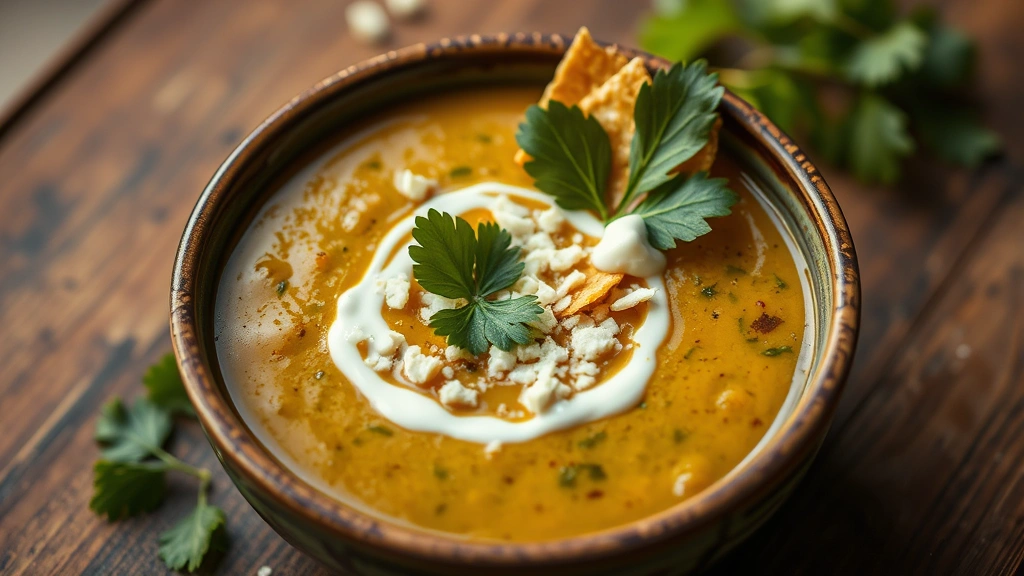
Serve garnished with crispy tortilla strips, diced cotija cheese, and a drizzle of crema. This soup pairs beautifully with quick breakfast recipes featuring eggs or as a sophisticated appetizer course.
Make-Ahead Advantage: Poblano soup actually improves after sitting overnight, as flavors meld and deepen. Make it up to three days in advance and reheat gently on the stovetop, adding additional stock if the consistency has thickened.
Poblano and Cheese Breakfast Dishes
Poblanos shine in morning preparations, adding sophisticated depth to breakfast. Their mild heat complements eggs, cheese, and fresh ingredients perfectly.
Poblano and Chorizo Breakfast Tacos: Warm corn tortillas, fill with scrambled eggs, crumbled chorizo, strips of roasted poblano, Mexican crema, and fresh cilantro. The roasted pepper adds moisture and subtle flavor that elevates simple breakfast components into something memorable. Serve with salsa roja and sliced avocado.
Poblano Egg Casserole: Layer diced roasted poblanos, corn tortilla pieces, and shredded cheese in a buttered baking dish. Whisk together eggs, milk, salt, and pepper, then pour over the layers. Bake at 350°F for 35-40 minutes until set and lightly golden. This casserole feeds a crowd and can be assembled the night before, making it ideal for weekend entertaining. Consider pairing it with items from our Fresh Plated Daily Blog for complete meal planning.
Poblano Quesadillas: Place roasted poblano strips and Oaxaca or mozzarella cheese between two flour tortillas. Pan-fry in butter until the exterior is golden and the cheese melts. Serve with guacamole and salsa. The poblano’s earthiness complements melted cheese beautifully.
Poblano Rajas: Strips of Versatility
Rajas—roasted poblano strips—function as a blank canvas for countless applications. This preparation method deserves its own spotlight because the versatility is remarkable.
Classic Rajas con Queso: Cut roasted poblanos into strips and sauté with sliced white onions in butter or oil until the onions are soft and caramelized. Add heavy cream, Mexican crema, or milk, then fold in cubed Oaxaca cheese or mozzarella. Simmer gently until the cheese melts and the sauce thickens slightly. Season with salt and white pepper. This preparation serves as a side dish, taco filling, enchilada sauce base, or creamy topping for grilled meats.
Rajas with Roasted Corn: Combine poblano rajas with charred corn kernels, diced red bell pepper, and fresh cilantro. Dress with lime juice, quality olive oil, and sea salt. This vibrant preparation works as a side dish, salad component, or taco filling. The sweetness of corn balances the pepper’s earthiness perfectly.
Poblano Rajas Pasta Sauce: Blend roasted poblano rajas with cream, garlic, and Parmesan cheese to create an elegant pasta sauce. Toss with pappardelle or fettuccine and top with crispy sage leaves. This fusion preparation demonstrates how poblano pepper recipes transcend traditional Mexican boundaries.
Storage Method: Make a large batch of rajas and store in the refrigerator for up to five days. They’re excellent for quick weeknight meals when you need sophisticated flavor fast. Reheat gently and add your preferred protein, starch, or vegetables.
Modern Poblano Variations and Fusion Ideas
Contemporary chefs continue expanding poblano applications, blending traditional techniques with global influences.
Poblano Stuffed Chicken Breasts: Butterfly chicken breasts and fill with roasted poblano strips, cheese, and fresh herbs. Secure with toothpicks and pan-sear until golden, then finish in a 375°F oven for 12-15 minutes. The poblano keeps the chicken moist while adding subtle flavor. This elegant preparation works beautifully for entertaining.
Poblano Risotto: Toast arborio rice, then add warm stock gradually while stirring constantly. About halfway through cooking, incorporate pureed roasted poblanos and diced poblano pieces. Finish with butter, Parmesan, and fresh cilantro. The poblano’s color and flavor integrate seamlessly into this creamy Italian classic.
Roasted Poblano and Black Bean Salad: Combine roasted poblano strips, black beans, corn, diced red onion, cilantro, lime juice, and quality olive oil. Let sit for 30 minutes before serving to allow flavors to meld. This vegetarian salad works as a side dish or light main course, and it’s excellent for meal prep throughout the week.
Poblano Cream Sauce for Fish: Puree roasted poblanos with white wine, fish stock, and cream. Simmer until thickened slightly, then season with salt and white pepper. Pour over pan-seared white fish like halibut or cod. The poblano’s mild heat and earthiness complement delicate fish beautifully without overwhelming it.
According to culinary technique resources, exploring ingredient applications across cuisines strengthens fundamental cooking skills and expands creative possibilities.
Storage and Preservation Tips
Proper storage extends your poblano pepper recipes throughout the season and reduces waste.
Fresh Poblano Storage: Keep unwashed poblanos in the refrigerator’s crisper drawer in a plastic bag for up to two weeks. They’ll gradually lose flavor and texture over time, so use them sooner rather than later for best results. Choose firm peppers without soft spots when purchasing.
Roasted Poblano Storage: Place cooled roasted poblanos in an airtight container with a light coating of olive oil. They’ll keep refrigerated for five days. For longer storage, freeze roasted poblanos in a freezer bag for up to three months. Frozen roasted poblanos work wonderfully in soups, sauces, and cooked dishes, though their texture becomes softer.
Rajas Preservation: Store prepared rajas con queso in a covered container in the refrigerator for up to four days. Rajas without cream keep slightly longer. Freezing rajas is possible, though the cream-based versions may separate slightly upon thawing. Simply reheat and whisk to recombine.
For comprehensive food preservation strategies, explore our complete guide to preserving herbs and food waste reduction tips for complementary techniques that extend ingredient lifespan.
Consider cooking with cast iron when preparing poblano pepper recipes—the even heat distribution and retention create superior roasting results compared to other cookware.
FAQ
Can I substitute poblanos with other peppers?
Poblanos are unique, but you can substitute Anaheim peppers (slightly milder), pasilla peppers (richer flavor), or even bell peppers (no heat). Each substitution changes the final dish’s flavor profile. For authentic results, seek out poblanos at grocery stores with good produce sections or specialty Latin markets.
How hot are poblano peppers?
Poblanos rank 1,000-2,000 on the Scoville scale—milder than jalapeños (2,500-8,000) but with more flavor complexity. When dried, they’re called pasillas and develop deeper, more intense flavor. Most people find poblanos pleasant and not intimidating in heat level.
What’s the difference between poblanos and pasillas?
Poblanos are fresh green peppers, while pasillas are dried poblanos. Pasillas have concentrated, smoky, chocolate-like flavor and are typically used in moles and dried chile sauces. They’re not interchangeable in recipes calling for fresh poblanos.
Can I make chiles rellenos without frying?
Absolutely. Bake stuffed poblanos at 350°F for 20-25 minutes covered with foil, then uncover and bake another 10 minutes. This method is lighter and reduces oil consumption while still producing delicious results. The egg coating won’t puff as dramatically as the fried version, but the filling cooks through perfectly.
What are the best cheese options for poblano dishes?
Oaxaca cheese (quesillo) is traditional and melts beautifully. Fresh mozzarella works well as a substitute. Cotija cheese adds a crumbly, salty element perfect for garnishing. Chihuahua cheese, Asadero, and even aged cheddar create interesting variations while respecting the poblano’s flavor profile.
How do I know when poblanos are properly roasted?
The entire exterior should be blackened and blistered, and the skin should slip off easily under cool running water. If the skin resists removal, return the peppers to the heat for another minute. Properly roasted poblanos will have tender, sweet flesh underneath the charred exterior.
Can I roast poblanos in advance?
Yes, roast poblanos up to five days ahead and store them refrigerated in an airtight container with olive oil. This makes weeknight cooking significantly easier. You can roast a large batch on the weekend and use them throughout the week in various poblano pepper recipes.


