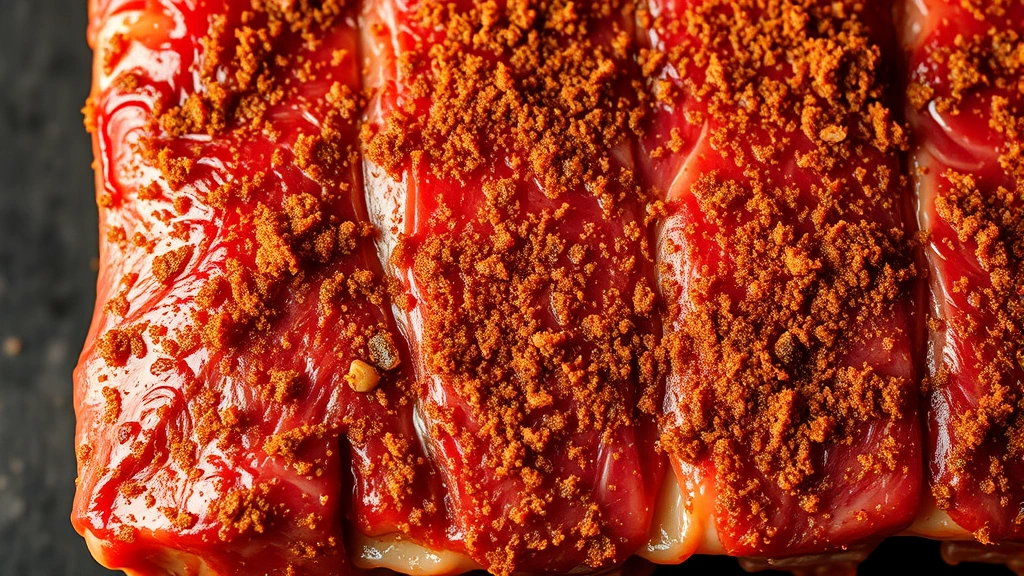
Best Rib Rub Recipe? BBQ Champion’s Choice
Winning a BBQ competition doesn’t happen by accident. It starts with mastering the fundamentals, and the most critical fundamental is your rib rub recipe. After years of competing at regional and national BBQ events, I’ve refined my approach to creating a rub that transforms ordinary ribs into competition-grade masterpieces. This isn’t just about throwing together spices—it’s about understanding how each ingredient contributes to flavor development, bark formation, and that coveted smoke ring that judges can’t resist.
The secret to a championship rib rub lies in balancing sweet, savory, spicy, and umami elements while considering how heat will transform these flavors during the smoking process. Many home pitmasters make the mistake of using the same rub for all meats or relying on commercial blends that contain fillers and anti-caking agents. When you build your own carnivore-focused protein preparations, you gain complete control over every component.
In this comprehensive guide, I’ll share the exact rib rub formula that has earned me multiple first-place finishes, explain the science behind each ingredient, and show you how to apply it for maximum impact. Whether you’re smoking St. Louis ribs, baby backs, or beef ribs, this methodology will elevate your backyard BBQ game to professional standards.
The Championship Rib Rub Formula
The foundation of my award-winning rib rub starts with a precise ratio that has been tested across hundreds of cook sessions. Here’s the exact formula that delivers consistent, competition-level results:
- Brown sugar: 4 tablespoons (the sweetness caramelizes during smoking)
- Paprika: 3 tablespoons (Hungarian or Spanish, adds color and subtle depth)
- Kosher salt: 2.5 tablespoons (draws moisture, creates bark)
- Black pepper: 2 tablespoons (freshly ground, not pre-ground)
- Garlic powder: 1.5 tablespoons (not garlic salt—critical distinction)
- Onion powder: 1.5 tablespoons (adds savory backbone)
- Cayenne pepper: 0.75 tablespoon (heat and complexity)
- Chili powder: 1 tablespoon (earthiness and mild heat)
- Dry mustard: 1 tablespoon (enhances bark formation and depth)
- Smoked paprika: 1 tablespoon (reinforces smoke flavor)
- Cumin: 0.5 tablespoon (warmth and intrigue)
- Coriander: 0.5 tablespoon (citrus notes that brighten the profile)
This blend produces approximately one cup of rub, enough for 3-4 full racks of ribs with application on both sides. The ratio emphasizes sugar and salt as your base, with spices creating layers of complexity. When judges taste your ribs, they should experience initial sweetness, followed by savory depth, with heat arriving gradually on the finish.
Breaking Down Each Ingredient
Understanding why each component matters transforms you from someone following a recipe to a true pitmaster who can adapt and innovate.
Brown Sugar: This isn’t just sweetness. Brown sugar contains molasses, which adds complexity that white sugar cannot provide. During the 5-6 hour smoking process, brown sugar caramelizes, creating the prized dark bark that judges evaluate first. The molasses also promotes the Maillard reaction, the chemical process that develops savory, meaty flavors. When you smoke ribs, this sugar doesn’t simply burn away—it transforms into complex compounds that deepen the overall flavor profile.
Paprika Selection: Most home cooks use standard paprika without considering the differences. Hungarian paprika offers earthiness and subtle sweetness, while Spanish smoked paprika brings an actual smoke flavor that complements your smoker’s output. I use a combination of both—regular paprika for the base flavor and smoked paprika to reinforce the smoking process. This layering technique is what separates championship rubs from ordinary ones.
Kosher Salt: The crystal size of kosher salt matters tremendously. Larger crystals distribute more evenly across the meat’s surface and dissolve more slowly, allowing for better penetration during the dry brining phase. Avoid table salt, which contains anti-caking agents that create bitter, chemical flavors. Diamond Crystal and Morton’s are the two premium kosher salt options, with Diamond Crystal being preferred by most competition pitmasters due to its larger, more uniform crystals.
Black Pepper: Always grind fresh peppercorns immediately before mixing your rub. Pre-ground pepper loses volatile oils that provide the sharp, clean bite essential to a championship blend. Fresh pepper adds a peppery heat that builds gradually, preventing the rub from becoming one-dimensional. This single change—committing to freshly ground pepper—will noticeably improve your results.
Garlic and Onion Powders: These dried allium powders provide savory depth without the moisture that fresh garlic or onion would introduce. They concentrate the umami flavors that make ribs crave another bite. The powder form ensures even distribution, whereas fresh ingredients would create hot spots of intense flavor. These powders activate during the smoking process, developing deeper, more complex notes as heat transforms their sulfur compounds.
Cayenne and Chili Powder: Heat builds complexity when layered properly. Cayenne provides sharp, immediate heat, while chili powder offers earthier, slower-building warmth. Together, they create a heat profile that intensifies gradually rather than overwhelming the palate immediately. This approach respects the other flavors in your rub instead of dominating them.
Dry Mustard: This is the secret weapon many home pitmasters overlook. Dry mustard contains compounds that promote bark formation—the crispy, flavorful exterior that judges prize. It also adds a subtle tanginess that balances sweetness and provides complexity judges recognize as mark of a sophisticated rub. Just 1 tablespoon makes a significant difference.
Cumin and Coriander: These warm spices add depth without calling attention to themselves. Cumin contributes earthiness and a subtle nuttiness, while coriander provides bright, citrus-forward notes. Together, they create a subtle background complexity that elevates the rub from good to exceptional. Many competitors skip these, which is why their ribs taste flat compared to championship-caliber preparations.
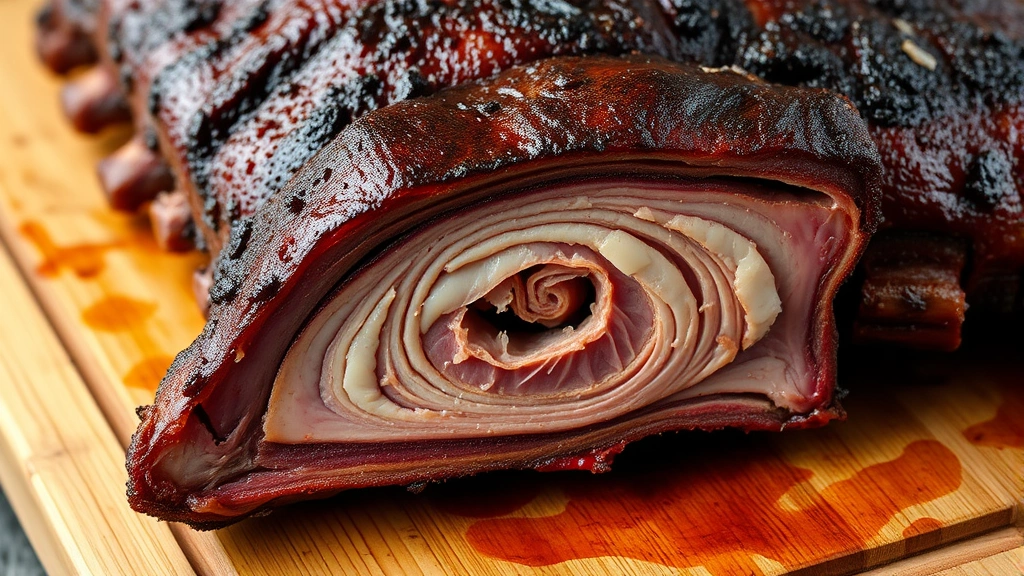
Preparation and Application Techniques
Creating your rub is only half the battle. Application technique determines whether the rub enhances the meat or creates a crust that separates from the surface.
Mixing Method: Combine all dry ingredients in a bowl and whisk thoroughly for 2-3 minutes. This incorporates air and ensures even distribution. Store in an airtight container away from heat and light—spices degrade quickly when exposed to sunlight. A quality rub maintains potency for 6 months when stored properly.
Membrane Removal: Before applying rub, remove the silver skin membrane from the bone side of your ribs. This thin layer prevents rub penetration and creates a barrier between the meat and smoke. Use a sharp knife to lift one corner, then pull the membrane away. This single step dramatically improves rub effectiveness and bark development.
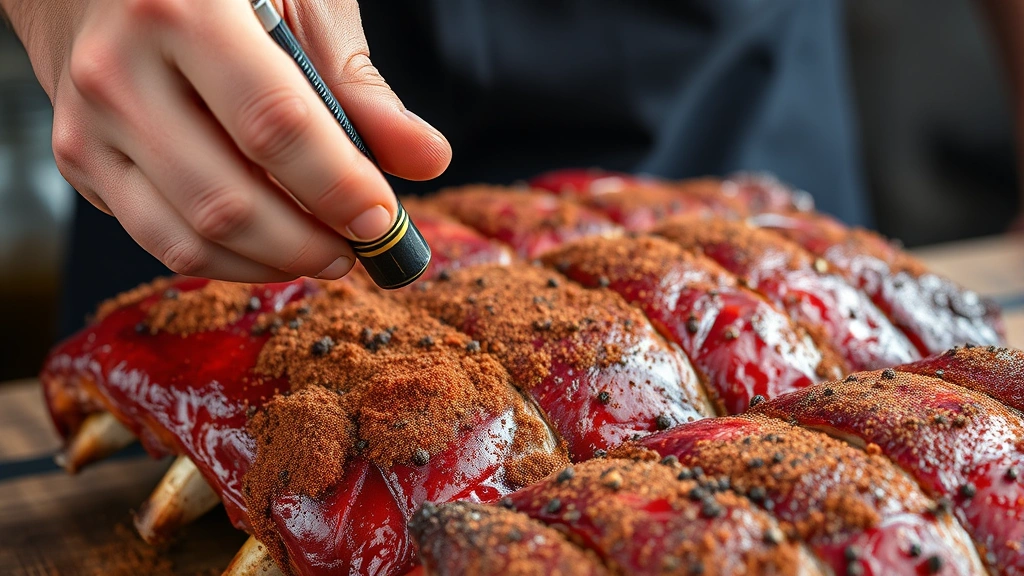
Dry Surface Application: Pat ribs completely dry with paper towels. Moisture prevents rub adhesion and creates steam that inhibits bark formation. Apply rub generously to both sides, using roughly 1.5-2 teaspoons per rack. Press the rub into the meat rather than simply sprinkling it on. This pressure helps the spices adhere and ensures better penetration during the smoking process.
Binder Consideration: Many competition pitmasters use a binder—typically mustard or oil—to help rub adhere. I prefer a light mustard binder because it adds subtle tanginess and promotes bark development without changing the overall flavor profile. If using a binder, apply a thin layer to the meat, then apply rub over it. The binder should barely be visible—you want rub flavor, not mustard dominance.
Dry Brining and Rub Timing
When you apply your rub matters as much as how you apply it. This timing strategy, developed through competition experience, maximizes flavor penetration and bark formation.
The 12-Hour Window: Apply rub to ribs 12 hours before smoking. This extended timeline allows the salt to penetrate the meat through osmosis, drawing out moisture that then reabsorbs, carrying dissolved spices deeper into the meat. This dry brining process fundamentally changes the meat’s texture and flavor, creating juicier ribs with more complex seasoning throughout.
The Alternative Approach: If 12 hours isn’t feasible, apply rub immediately before smoking—no more than 15 minutes prior. The rub won’t penetrate as deeply, but it will still create excellent bark. Never apply rub 2-3 hours before smoking; this timing creates a wet paste that prevents bark formation.
Refrigeration Strategy: Keep rubbed ribs uncovered in the refrigerator during the dry brining phase. The uncovered environment allows the surface to dry slightly, promoting better bark development when smoking begins. This combines the benefits of dry brining with surface drying.
Smoking Methods That Maximize Rub Flavor
Your smoking technique directly impacts how your rub’s flavors develop and intensify.
Temperature Management: Maintain 225-250°F throughout the smoke. This temperature range allows the rub’s sugars to caramelize without burning, and the spices to develop complexity through slow heat exposure. Higher temperatures burn the rub; lower temperatures don’t activate the flavors adequately.
The 3-2-1 Method: Smoke ribs unwrapped for 3 hours, then wrap in foil with butter and brown sugar for 2 hours, then unwrap and finish for 1 hour. This method protects your rub during the middle phase while allowing continued bark development during the final hour. Many pitmasters skip the wrapping phase with competition ribs to maintain bark integrity, instead smoking unwrapped for the entire duration.
Wood Selection: Choose mild woods like apple, cherry, or pecan that complement rather than overpower your rub. Strong woods like hickory or oak can overwhelm the subtle spice layers you’ve carefully balanced. The rub should be the star; smoke should be a supporting character.
Smoke Management: Use thin, blue smoke rather than thick, white smoke. Thick smoke deposits acrid compounds that clash with your rub’s spice profile. Thin smoke penetrates meat more effectively and carries your rub’s flavors rather than masking them. This requires careful fire management—burning wood efficiently rather than smoldering it.
Common Mistakes and How to Avoid Them
Years of competition have taught me what separates winning rubs from disappointing ones.
Over-Salting: The most common error is using too much salt. More than 2.5 tablespoons per cup of rub creates a salty crust that overpowers other flavors. Remember that salt amplifies as ribs smoke; a pinch more than necessary creates an unbalanced result. Start conservative and adjust future batches based on results.
Stale Spices: Pre-ground spices lose potency within months. Invest in whole spices and grind them fresh, or replace your spice collection annually. Stale spices taste flat and won’t deliver the complexity championship ribs require. This is a legitimate cost of maintaining competition-level quality.
Inconsistent Ratios: Measure your rub ingredients by weight on a kitchen scale rather than volume measurements. Volume measurements vary based on how densely you pack the measuring cup, leading to inconsistent results. Weight-based measurements ensure batch-to-batch consistency, essential for refining and improving your formula.
Ignoring Rib Type: Different rib types require slight adjustments. Beef ribs, being larger and fattier, benefit from more aggressive spicing than delicate baby back ribs. St. Louis ribs fall between these extremes. Rather than using one rub for everything, develop variations that respect each rib type’s characteristics.
Premature Spritzing: Don’t spritz ribs with liquid during the first 2 hours of smoking. This washes away rub and prevents bark formation. Begin spritzing only after the bark sets, typically after 2-3 hours. Spritzing too early undermines all your rub application work.
Variations for Different Rib Types
While my championship formula works across rib types, understanding how to adjust it elevates your results further.
Baby Back Ribs: These delicate ribs benefit from a rub that doesn’t overpower their subtle flavor. Use the standard formula but reduce cayenne to 0.5 tablespoon and increase brown sugar to 4.5 tablespoons. This emphasizes sweetness and complexity over heat, respecting the meat’s delicate nature. Baby backs also smoke faster—typically 4-5 hours—so use slightly less rub to prevent over-concentration of flavors.
St. Louis Ribs: These rectangular-cut ribs offer more surface area and denser meat than baby backs. Use the standard formula without modification. St. Louis ribs are the Goldilocks of rib types—they’re substantial enough to handle full rub intensity while remaining tender and flavorful. They typically require 5-6 hours of smoking.
Beef Ribs: These massive ribs demand more aggressive seasoning. Increase all spice amounts by 25 percent, particularly paprika, chili powder, and cumin. The larger meat mass and higher fat content require bolder flavors. Beef ribs also benefit from additional umami, so increase garlic and onion powders slightly. Beef ribs typically require 6-8 hours of smoking depending on size.
Competition-Level Refinement: If you’re competing, consider developing a signature variation that judges will recognize and remember. Perhaps add a touch of coffee powder for depth, or incorporate a hint of cinnamon for warmth. These subtle additions, when executed thoughtfully, create a memorable rub that stands out during blind judging.
For those interested in protein preparation more broadly, exploring low-carb dinner approaches can help you understand how different spice profiles work across various proteins and cooking methods.
External Resources for Deeper Learning:
To continue developing your BBQ skills, I recommend consulting Amazing Ribs’ comprehensive smoking guides, which offer scientific explanations of meat chemistry and rub development. The BBQ Guys resource center provides equipment recommendations and technique refinement strategies. For competition-specific guidance, the Kansas City Barbecue Society maintains official competition standards and judging criteria. Additionally, Serious Eats’ meat science articles explain the chemistry behind rub effectiveness and flavor development during smoking.
Many home pitmasters also find success exploring chicken wings recipes as a testing ground for rub variations, since wings cook faster and allow for quicker experimentation and feedback.
FAQ
How long does homemade rib rub last?
Properly stored in an airtight container away from heat and light, your rub maintains peak potency for 6 months. After 6 months, spices gradually lose aromatic compounds and flavor intensity. For competition, I prepare fresh rub every 3 months to ensure maximum flavor delivery.
Can I make this rub in bulk?
Absolutely. The formula scales easily. I prepare 5-cup batches quarterly, storing in multiple airtight containers. Divide the ingredient quantities by the cup amount you want to prepare. Bulk preparation ensures consistency across multiple smoking sessions.
Should I adjust the rub for competition versus home smoking?
Yes, slightly. For competition, judges evaluate appearance first, so emphasize bark-promoting ingredients like dry mustard and increase paprika for color. For home smoking, you can adjust based on your family’s preferences—more heat for some, more sweetness for others.
What’s the difference between this rub and commercial blends?
Commercial rubs contain fillers, anti-caking agents, and often excessive salt for shelf stability. Homemade rubs use pure spices without additives, delivering cleaner flavor and better control over sodium content. The difference in final product quality is substantial and immediately noticeable.
Can I use this rub for chicken or pork shoulder?
Yes, with adjustments. For chicken applications, reduce salt to 2 tablespoons and increase brown sugar to 4.5 tablespoons. For pork shoulder, use the standard formula but reduce cayenne to 0.5 tablespoon. The formula’s foundation translates well across proteins when adjusted for their specific characteristics.
Why do judges prefer certain rub characteristics?
Judges evaluate appearance (bark color and integrity), taste (balanced flavor without overwhelming single notes), and texture (crispy exterior, juicy interior). A championship rub contributes to all three by promoting bark formation while adding complexity that makes ribs memorable. Understanding these criteria guides your rub development.
How much rub should I apply?
Apply 1.5-2 teaspoons per rib rack, distributed evenly across both sides. Press the rub into the meat rather than leaving it loose on the surface. The rub should be visible but not create an overwhelming crust. This quantity provides maximum flavor without bitterness from over-concentration.


