Angel Hair Pasta? Chef Tips for Perfect Texture Every Time
Angel hair pasta is one of the most delicate and elegant pasta shapes available, prized by chefs and home cooks alike for its ability to absorb sauces and create refined dishes. However, this thin, delicate noodle demands precision and technique to achieve that perfect texture—tender yet with a subtle bite, never mushy or broken. Whether you’re preparing a light aglio e olio or a silky cream sauce, understanding how to handle angel hair pasta properly will transform your cooking and elevate your dinner table.
The challenge with angel hair pasta lies in its thinness. Cook it just thirty seconds too long, and you’ll end up with a gummy, unappetizing dish. Master the timing, water temperature, and sauce pairing techniques, however, and you’ll create restaurant-quality pasta dishes that impress everyone at your table. This comprehensive guide walks you through everything professional chefs know about achieving perfect angel hair pasta texture, from selection to plating.
Understanding Angel Hair Pasta Basics
Angel hair pasta, also known as capellini, is the thinnest dried pasta shape commonly available in supermarkets. At roughly 0.85 millimeters in diameter, it’s nearly twice as thin as spaghetti, making it exceptionally responsive to heat and sauce absorption. This characteristic makes it ideal for light, delicate sauces that coat the noodles without overwhelming them.
The thinness of angel hair pasta creates several distinct advantages and challenges. On the positive side, the large surface area relative to volume means sauces cling beautifully, and the pasta cooks quickly—typically in just 4 to 6 minutes. This speed makes angel hair perfect for weeknight dinners when you need easy dinner recipes for beginners that don’t sacrifice quality.
The challenge, however, is maintaining structural integrity throughout cooking and serving. The thin strands break easily during stirring, and they absorb water rapidly, making the window for perfect doneness quite narrow. Professional chefs understand that success with angel hair requires attention to multiple variables simultaneously: water salinity, heat intensity, timing precision, and sauce readiness.
Selecting Quality Angel Hair Pasta
Not all angel hair pasta is created equal. The quality of your starting ingredient significantly impacts your final dish. When shopping for angel hair pasta, look for these key indicators of quality:
- Durum wheat semolina content: Check the ingredient label for “100% durum wheat semolina” or “semola di grano duro.” This high-protein flour creates pasta with superior texture and bite resistance. Cheaper brands often use soft wheat flour, which produces mushier results.
- Bronze cut (trafilata al bronzo): Traditionally made Italian pasta is cut using bronze dies, creating a rougher surface texture that helps sauces grip the noodles. Look for “trafilata al bronzo” on the package label.
- Drying process: Low-temperature drying (around 104°F/40°C) preserves the pasta’s structure and protein content better than high-heat industrial drying. Premium brands advertise slow-drying methods.
- Color and appearance: Quality angel hair should be pale golden-yellow, not white or overly dark. The surface should appear slightly rough and matte, not shiny.
- Package condition: Ensure the package is intact with no broken pasta visible through the packaging. Breakage during manufacturing indicates structural weakness.
Brands like Martelli, Benedetto Cavalieri, and Rustichella d’Abruzzo represent the gold standard for angel hair pasta. While these premium options cost more than mass-market brands, the superior texture and taste justify the investment for anyone serious about pasta cooking.
The Perfect Pasta Water Setup
Most home cooks underestimate the importance of pasta water quality and quantity. Professional chefs treat pasta water with the same respect as any other cooking medium because it directly affects texture and flavor.
Water quantity: Use one pound of pasta per gallon of water. This ratio might seem excessive, but it prevents starch from concentrating excessively, which causes pasta to stick together and cook unevenly. For angel hair, this generous water-to-pasta ratio is absolutely critical because the thin noodles release starch rapidly.
Salting the water: Add salt generously—approximately one tablespoon per gallon of water. Your pasta water should taste like seawater. This might seem like a lot, but remember that most of the salt remains in the cooking water; only a small amount is absorbed by the pasta. Salt serves multiple functions: it seasons the pasta from within, raises the boiling point slightly (increasing cooking temperature), and prevents the pasta from becoming gummy by maintaining water osmotic balance.
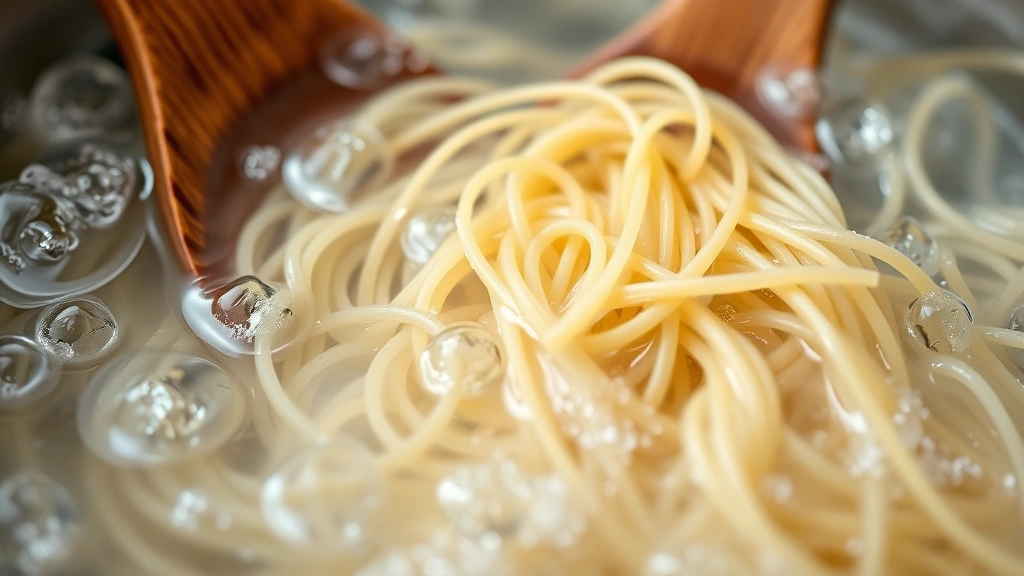
Boiling point achievement: Bring the water to a rolling boil before adding pasta. Don’t add pasta to water that’s merely steaming—you need vigorous, aggressive boiling. This high heat immediately sets the pasta’s exterior and prevents sticking. Maintain this vigorous boil throughout cooking; never let it drop to a gentle simmer.
Water quality: If you have very hard water with high mineral content, consider using filtered water. Minerals can interfere with proper cooking and sauce absorption. Conversely, soft water can make pasta slightly softer, so some chefs add a pinch of salt to compensate.
Mastering Cooking Time and Temperature
This is where angel hair pasta separates the accomplished cooks from the casual ones. The cooking window is narrow, and precision matters enormously.
Starting the timer correctly: Add your angel hair pasta to vigorously boiling salted water, stir immediately to prevent clumping, and then start your timer. Don’t wait for the water to return to a boil—begin timing immediately. The residual heat will bring the water back to boiling within 30-45 seconds, and this time counts toward your total cooking duration.
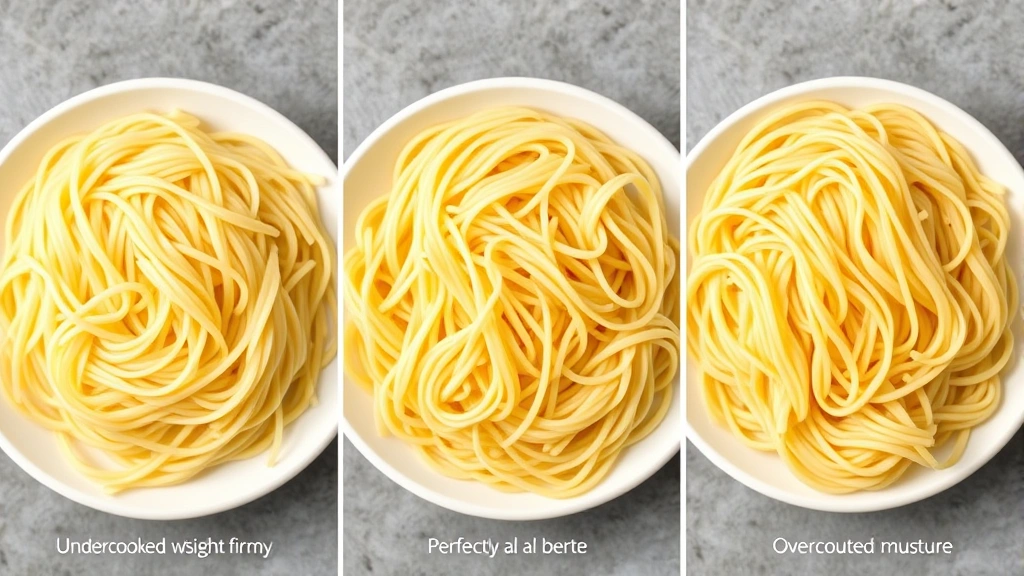
Typical cooking times: Quality angel hair pasta typically cooks in 4 to 6 minutes, depending on the brand and thickness. Check your package instructions as a starting point, but treat this as a guideline rather than gospel. Start tasting at the 4-minute mark, checking for the ideal al dente texture—tender throughout but with a slight resistance when bitten.
The al dente test: Remove a single strand with tongs and let it cool slightly (about 10 seconds), then bite it. It should offer gentle resistance without any hard, chalky core. The exterior should be completely soft, but the interior should maintain minimal firmness. This balance is crucial for angel hair because the thin strands lose texture quickly once overcooked.
Maintaining water temperature: Keep your heat at maximum throughout cooking. If your burner can’t maintain a vigorous boil even with pasta in the water, your burner isn’t powerful enough, or your pot is too small. Consider upgrading to a larger pot or using a more powerful burner.
Stirring technique: Stir gently but thoroughly at the 1-minute mark and again at the 2-minute mark. Use a wooden spoon or pasta fork to separate strands without breaking them. After 3 minutes, stir less frequently to avoid unnecessary breakage, but do stir once more at the 4-minute mark before beginning your taste tests.
Sauce Pairing Strategies for Delicate Noodles
Angel hair’s delicate structure demands thoughtful sauce selection. Heavy, chunky sauces overwhelm the delicate noodles, while light, silky sauces complement them perfectly. This is where best healthy food recipes often shine with angel hair as the foundation.
Ideal sauce types:
- Oil-based sauces: Aglio e olio (garlic and oil), with or without red pepper flakes, is the classic angel hair pairing. The thin noodles absorb the flavorful oil perfectly. Cacio e pepe (cheese and pepper) works beautifully too, with the starch from pasta water creating a silky emulsion.
- Light cream sauces: Delicate cream sauces with fresh herbs, lemon, or light seafood additions complement angel hair elegantly. The thin noodles cook quickly enough that you can finish the sauce in the pan while pasta cooks.
- Seafood-based sauces: Shrimp, scallops, clams, or white fish pair wonderfully with angel hair. The light protein doesn’t overwhelm the delicate noodles, and the combination creates elegant, restaurant-quality dishes.
- Tomato-based sauces: Use smooth, refined tomato sauces rather than chunky meat sauces. A simple San Marzano tomato sauce with fresh basil works perfectly. Avoid bolognese or other heavy meat sauces that would overpower the delicate pasta.
- Herb and vegetable sauces: Pesto, herb-infused oils, and light vegetable preparations (zucchini, asparagus, spinach) are excellent choices that won’t weigh down the delicate noodles.
Sauce temperature and timing: Have your sauce ready and warm before your pasta finishes cooking. This timing is crucial—you want to combine hot pasta with warm sauce immediately. This ensures proper emulsification and prevents the pasta from cooling and sticking together.
Pasta water integration: Reserve at least one cup of pasta cooking water before draining. This starchy liquid is liquid gold for pasta dishes. Add small amounts (2-3 tablespoons at a time) to your sauce while tossing the pasta, creating a silky emulsion that coats each delicate strand. This technique is what separates home cooking from professional results.
Professional Finishing Techniques
The final moments before plating determine whether your angel hair dish achieves excellence or merely adequacy.
The toss: Once pasta and sauce combine, toss gently but thoroughly using two forks or tongs. Lift and turn the pasta rather than stirring vigorously, which breaks delicate strands. Toss for 30-45 seconds, adding pasta water gradually to achieve the perfect consistency—the sauce should lightly coat each strand without pooling at the bottom.
Final seasoning: Taste your finished dish and adjust seasoning with salt, pepper, or acid (fresh lemon juice or good vinegar). Angel hair dishes often need a whisper of acid to brighten flavors and prevent them from tasting flat or heavy.
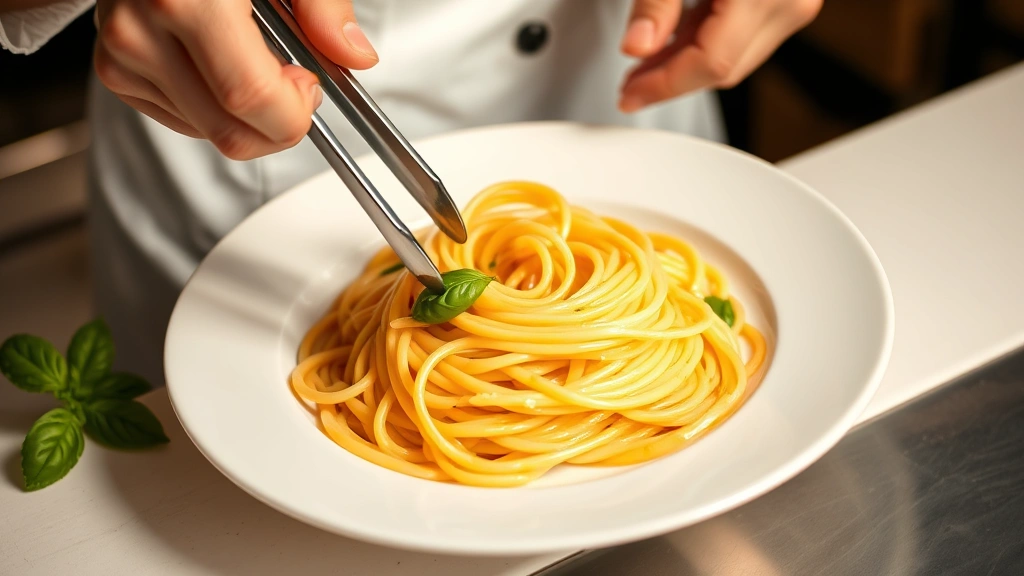
Plating: Use tongs or a pasta fork to twirl a portion of angel hair into a nest or loose coil on your plate. This presentation looks elegant and keeps the delicate noodles from splaying across the plate. Spoon any remaining sauce around the pasta, and garnish with fresh herbs, quality grated cheese, or a drizzle of excellent olive oil.
Serving immediately: Angel hair pasta demands immediate service. Don’t let it sit in the pan or on the plate. The residual heat continues cooking the delicate noodles, and they’ll quickly transition from perfect to overcooked. Have your serving dishes warm and ready to go.
Common Mistakes and Solutions
Understanding what goes wrong helps you avoid these pitfalls:
- Problem: Mushy, gummy pasta | Solution: You’re cooking too long or using poor-quality pasta. Start checking at 4 minutes, and upgrade to durum wheat semolina pasta. Also ensure you’re using adequate water—at least one gallon per pound.
- Problem: Pasta sticking together in clumps | Solution: Stir immediately after adding pasta to boiling water, and maintain a vigorous boil. Don’t cover the pot. Ensure your water is adequately salted.
- Problem: Broken noodles throughout the dish | Solution: Stir more gently and less frequently. Use a wooden spoon or pasta fork designed for pasta rather than a regular spoon. Handle the delicate noodles with respect.
- Problem: Sauce sliding off the noodles | Solution: Your sauce isn’t coating properly because you’re not using pasta water to create an emulsion. Reserve and use pasta water generously, adding it gradually while tossing.
- Problem: Bland flavor despite seasoning | Solution: Salt your pasta water adequately—it should taste like seawater. Also ensure your sauce is properly seasoned. Angel hair’s delicate flavor requires bold seasoning in supporting elements.
- Problem: Pasta cools too quickly | Solution: Warm your serving dishes and bowls by filling them with hot water while pasta cooks, then emptying just before plating. Work quickly from draining to serving.
FAQ
Should I use fresh or dried angel hair pasta?
Fresh angel hair pasta is delicate and cooks in just 2-3 minutes, making it excellent for quick meals but requiring extreme timing precision. Dried angel hair offers better texture control and stores indefinitely. For most home cooks, quality dried angel hair is the superior choice. Fresh pasta works beautifully in restaurant settings where timing is carefully orchestrated, but dried pasta offers more forgiveness.
Can I use angel hair for baked pasta dishes?
While possible, angel hair isn’t ideal for baking. The delicate noodles break during mixing and become mushy in the oven. Penne, rigatoni, or other sturdy shapes are better choices for easy homemade recipes that require baking. If you must use angel hair, cook it slightly under al dente (about 1 minute less than normal), as it will continue cooking in the oven.
What’s the difference between angel hair and capellini?
Angel hair and capellini are essentially the same thing—both refer to extremely thin pasta strands around 0.85 millimeters in diameter. The terms are used interchangeably, though capellini is the more traditional Italian name. Some manufacturers make subtle distinctions, but for practical cooking purposes, they’re identical.
How do I prevent angel hair from sticking together before cooking?
Don’t add oil to pasta water—this is a common myth. Instead, ensure your water is at a vigorous boil, add pasta, and stir immediately and thoroughly. Adequate water quantity (one gallon per pound) and proper salting also prevent sticking. Oil prevents sauce from coating properly anyway, so it’s counterproductive.
Can I cook angel hair in broth instead of water?
Yes, cooking pasta in broth adds flavor directly to the noodles. However, you lose the ability to control starch levels precisely, which can affect texture. If using broth, maintain the same water-to-pasta ratio and ensure the broth is at a vigorous boil. You may need to add salt, as broth often has adequate seasoning already.
What’s the best way to reheat leftover angel hair pasta?
Angel hair is best eaten fresh, but leftovers can be reheated gently. Toss cold pasta with a little olive oil to prevent clumping, then warm it briefly in a skillet over low heat with a splash of water or broth, stirring gently. Microwave reheating tends to make angel hair mushier. For best results, undercook your initial batch slightly if you know you’ll have leftovers.
Why is my angel hair breaking apart even when I cook it carefully?
Poor-quality pasta with low protein content breaks easily. Upgrade to 100% durum wheat semolina pasta from reputable brands. Additionally, ensure you’re stirring gently with appropriate tools (wooden spoon or pasta fork) rather than aggressively mixing. Even quality pasta will break if handled roughly.
Can I make angel hair pasta from scratch at home?
Making pasta from scratch is possible but challenging with such thin strands. Fresh egg pasta can be rolled and cut into angel hair, though the strands are delicate and prone to breaking. For dried pasta, you’d need specialized equipment. Most home cooks find that purchasing quality dried angel hair is more practical and yields better results than attempting to make it from scratch.
What cooking equipment works best for angel hair?
Use a large pot (at least 6-8 quarts) with a powerful burner capable of maintaining a vigorous boil. A pasta insert or basket helps with draining but isn’t essential. Quality tools matter less than proper technique, but a wooden spoon and pasta fork or tongs designed specifically for pasta handling make the process easier and result in less breakage.
Mastering Angel Hair Pasta: Your Path Forward
Angel hair pasta represents the intersection of simplicity and sophistication. On the surface, it seems straightforward—boil thin pasta, combine with sauce, serve. Yet achieving truly excellent results requires understanding multiple variables: water quality and quantity, precise timing, appropriate sauce selection, and proper finishing techniques. The delicate nature of these thin noodles demands respect and attention.
The good news is that once you’ve internalized these principles, cooking perfect angel hair becomes almost automatic. You’ll develop an intuition for timing, an understanding of which sauces work best, and a technique that produces consistently excellent results. Your weeknight dinners will transform into restaurant-quality meals that surprise and delight your family and guests.
Start by investing in quality pasta—this single change will improve your results dramatically. Then practice the techniques outlined here: proper water preparation, careful timing, appropriate sauce pairing, and professional finishing. Each component matters, and together they create something greater than the sum of their parts. Within a few cooking sessions, you’ll be producing angel hair pasta dishes that rival those from your favorite Italian restaurants, with the added satisfaction of knowing you’ve mastered a fundamental cooking skill that will serve you for decades to come.


