Apple Pie Moonshine Recipe: Expert Tips for Homemade Success
Apple pie moonshine represents one of the most beloved homemade spirits, combining the warmth of cinnamon, nutmeg, and clove with the crisp sweetness of fresh apples. This beloved infusion has become a staple at gatherings and celebrations, prized for its smooth flavor profile and deceptive potency. Whether you’re a seasoned distiller or curious beginner, mastering the apple pie moonshine recipe requires understanding proper fermentation techniques, ingredient selection, and safety protocols that separate amateur attempts from truly exceptional batches.
Creating quality apple pie moonshine at home demands more than simply mixing spirits with spices. The process involves careful temperature control, precise ingredient ratios, and patience as flavors develop and mature. This comprehensive guide walks you through every step, from selecting premium apples to achieving the perfect balance of sweetness and spice that makes this spirit so distinctive and memorable.
Understanding Apple Pie Moonshine Basics
Apple pie moonshine differs fundamentally from traditional distilled spirits through its infusion-based production method. Rather than fermenting from scratch, this recipe typically involves steeping spices and apple concentrates in high-proof spirits, creating a flavored liqueur that captures the essence of cinnamon-spiced apple pie. The beauty of this approach lies in its accessibility—home cooks can produce exceptional results without specialized distillation equipment.
The term “moonshine” historically referred to illegally produced spirits, but modern apple pie moonshine recipes represent legal home infusions when prepared according to federal guidelines. Understanding the distinction between infusion and fermentation helps you select appropriate ingredients and realistic fermentation timelines. Most quality apple pie moonshine recipes require two to four weeks of steeping before achieving optimal flavor development.
The flavor profile you’re targeting combines warm baking spices with bright apple notes, creating a spirit that tastes remarkably similar to liquid apple pie filling. This requires balancing sweetness, spice intensity, and the base spirit’s characteristics. Many experienced producers recommend starting with proven recipes before experimenting with variations, ensuring you understand how each ingredient contributes to the final product.
Temperature plays a crucial role in infusion success. Warmer environments accelerate flavor extraction but may result in harsher spice profiles, while cooler conditions develop more nuanced, balanced flavors over extended periods. Most experts recommend maintaining temperatures between 60-70°F for optimal results, though room-temperature steeping remains viable for less demanding batches.
Essential Ingredients and Substitutions
The foundation of exceptional apple pie moonshine begins with quality ingredient selection. Your base spirit significantly influences the final product’s character and smoothness. Most traditional recipes call for high-proof vodka or grain alcohol, though some producers experiment with complementary spirits like bourbon for deeper complexity.
Core Ingredients:
- High-proof vodka or grain alcohol (190-proof preferred for maximum flavor extraction)
- Apple juice or cider concentrate (fresh or quality bottled varieties)
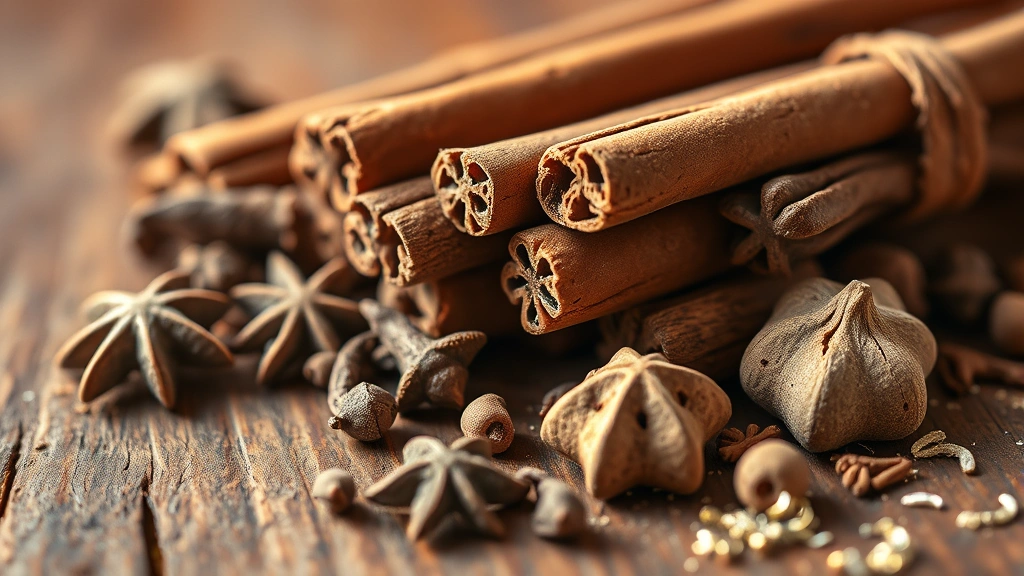
- Cinnamon sticks (Ceylon cinnamon preferred for smoother spice notes)
- Whole cloves (provide warm, slightly sweet undertones)
- Nutmeg (freshly grated delivers superior flavor compared to pre-ground)
- Allspice berries (optional but recommended for complexity)
- Brown sugar or honey (sweetness adjustment and mouthfeel enhancement)
- Apple slices or dried apples (optional for visual appeal and additional flavor)
Apple juice selection dramatically impacts your final product. Fresh-pressed juice from local orchards provides superior flavor complexity compared to mass-produced varieties, though quality bottled juice works acceptably. Some advanced producers combine multiple apple varieties—using tart Granny Smith apples for acidity and sweet Honeycrisp for depth—to create more sophisticated flavor profiles.
Spice quality cannot be overstated. Purchase whole spices from reputable sources and use them within six months for optimal potency. Pre-ground spices lose volatile compounds rapidly, resulting in flat, less aromatic finished products. Toasting whole spices gently before adding them to your infusion intensifies their flavors and creates more rounded, developed profiles.
Brown sugar contributes molasses notes that complement warm spices beautifully, though some producers prefer honey for its smoother sweetness and slight floral character. Raw honey introduces additional complexity, while refined honey provides cleaner sweetness. Experiment with different sweeteners to discover your preference, though most recipes benefit from restraint—over-sweetening masks the spirit’s more subtle characteristics.
Step-by-Step Recipe Instructions
Classic Apple Pie Moonshine Recipe (Makes approximately 1 quart):
Ingredients:
- 1 liter high-proof vodka (190-proof if available)
- 2 cups apple juice or cider
- 4-5 cinnamon sticks, broken into pieces
- 8-10 whole cloves
- ½ teaspoon freshly grated nutmeg
- ¼ teaspoon allspice berries
- ¼ cup brown sugar
- 2-3 dried apple slices (optional)
Instructions:
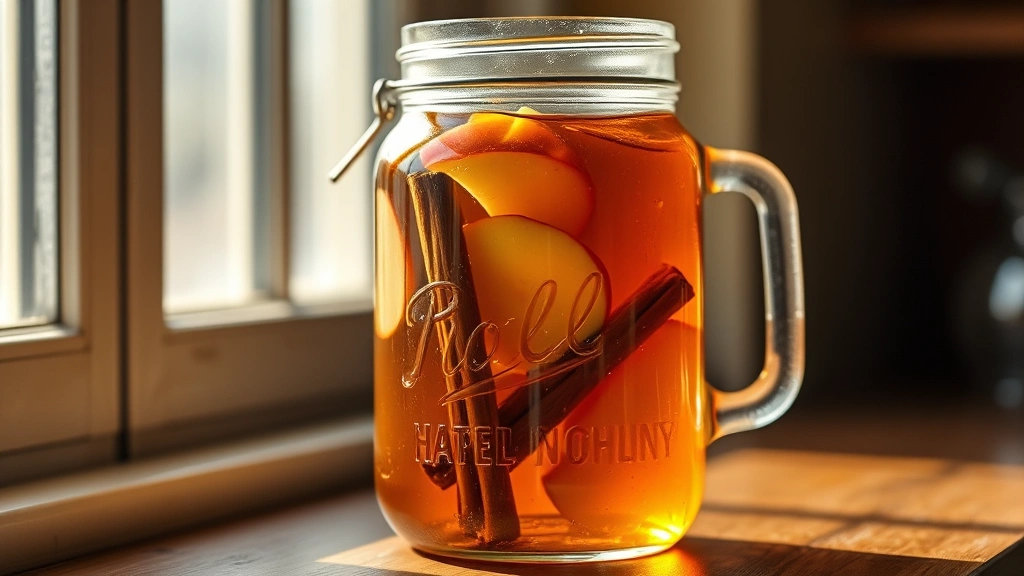
- Prepare Your Vessel: Select a clean glass jar with a tight-fitting lid, preferably 2-3 quarts capacity. Sterilize the jar using boiling water or a sanitizing solution, then dry thoroughly. Glass prevents unwanted chemical reactions and allows you to monitor infusion progress visually.
- Combine Base Spirits: Pour your vodka into the prepared jar, then add apple juice or cider concentrate. The combination creates the foundation for your infusion, with the spirit extracting flavors from spices and apples while the juice contributes sweetness and fruit character.
- Prepare Spices: Lightly toast cinnamon sticks, cloves, and allspice berries in a dry skillet over medium heat for 1-2 minutes, stirring constantly. This gentle toasting awakens volatile oils and intensifies aromatic compounds without burning delicate flavors. Cool spices completely before adding to your jar.
- Add Spices and Sweetener: Add toasted spices and brown sugar to your spirit mixture. If using fresh nutmeg, grate it directly into the jar just before sealing. Stir well to combine, ensuring sugar dissolves completely and spices distribute evenly throughout the liquid.
- Include Optional Elements: Add dried apple slices if desired for visual interest and additional apple flavor reinforcement. These pieces also provide textural appeal when serving the finished spirit.
- Seal and Label: Secure the jar’s lid tightly and label with the contents and starting date. Store in a cool, dark location away from direct sunlight, which can degrade flavors and cause color fading.
- Daily Agitation: For the first week, shake or stir the jar daily to encourage flavor extraction and ensure even spice distribution. After the first week, reduce agitation to every 2-3 days.
Following these methodical steps ensures consistent results and professional-quality finished products. The careful preparation of spices, proper vessel selection, and disciplined aging process distinguish excellent batches from mediocre attempts.
Fermentation and Aging Process
Unlike traditional fermentation involving yeast and sugar conversion, apple pie moonshine infusion relies on time and temperature for flavor development. The aging process is where patience becomes essential—rushing this stage compromises the subtle complexity that distinguishes premium moonshine from harsh, one-dimensional spirits.
Initial Extraction Phase (Days 1-7): During the first week, flavors extract rapidly as spices release their volatile oils into the spirit. The infusion will deepen in color and develop noticeable apple-pie aromatics. Daily agitation accelerates this process by maximizing contact between solid ingredients and liquid.
Flavor Development Phase (Days 8-21): Spice flavors mellow and integrate more harmoniously after the initial intense extraction period. The spirit develops rounder, more sophisticated character as harsh edges soften. During this phase, reduce agitation frequency and allow flavors to settle and marry together.
Maturation Phase (Days 22-30+): Extended aging beyond three weeks creates increasingly refined products as flavors fully integrate. The apple juice’s natural sugars interact with spice compounds, creating subtle caramel notes and deeper complexity. Some producers recommend aging for 4-6 weeks for optimal results, though diminishing returns occur beyond this timeframe.
Temperature consistency matters significantly throughout aging. Fluctuating temperatures between warm days and cool nights can create instability in flavor development. Basements, cellars, or interior closets typically provide more stable environments than kitchen counters exposed to variable conditions.
Strain your infusion through fine mesh or cheesecloth when satisfied with flavor development. Press gently on solids to extract remaining flavorful liquid, then filter through coffee filters for crystal clarity. This final filtration removes sediment and creates the polished appearance expected in quality spirits.
Flavor Customization Techniques
Once you’ve mastered the basic apple pie moonshine recipe, experimenting with variations allows you to develop signature batches reflecting your preferences. Small adjustments create distinctly different flavor profiles while maintaining the spirit’s essential character.
Spice Intensity Variations: Reduce cinnamon and clove quantities for subtler spice profiles, or increase them for bolder, more assertive flavors. Some producers prefer emphasizing nutmeg’s warm earthiness, while others highlight clove’s slightly sweet peppery character. Start with recommended quantities, then adjust in future batches based on your tasting notes.
Apple Variety Experimentation: Using different apple varieties rich in natural compounds creates distinct flavor outcomes. Tart varieties like Granny Smith contribute bright acidity balancing sweetness, while sweeter apples like Gala create richer, more dessert-like profiles. Combining multiple varieties develops more complex, layered flavors.
Sweetness Adjustment: Personal preference guides sweetness levels significantly. Reducing brown sugar creates drier, more spirit-forward results highlighting spice character, while additional sweetener produces fuller-bodied, dessert-like spirits. Honey additions contribute subtle floral notes absent in sugar-sweetened versions.
Advanced Flavor Additions: Vanilla extract, fresh ginger, or star anise introduce sophisticated variations. Caramel coloring creates deeper visual appeal, while oak chips simulate barrel-aging effects. Experiment conservatively with additions, as small quantities can dramatically influence the finished product.
Storage and Shelf Life Considerations
Properly stored apple pie moonshine maintains quality for extended periods, though optimal flavor windows exist. Understanding storage best practices ensures your carefully crafted batches deliver exceptional results long after preparation.
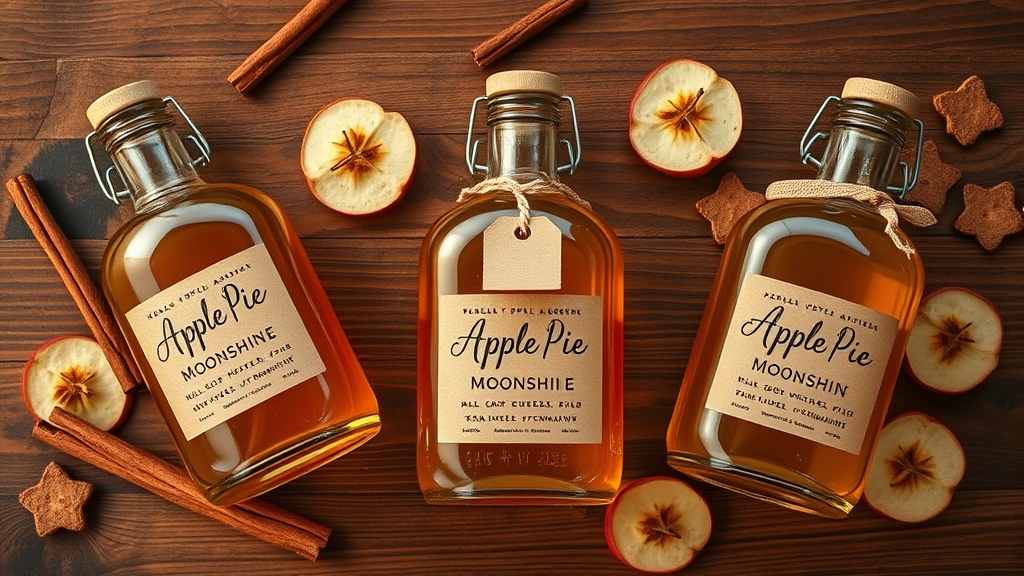
Container Selection: Glass bottles with airtight seals provide ideal storage conditions, preventing oxidation and contamination. Dark glass bottles protect the spirit from light-induced degradation more effectively than clear glass. Ensure bottles are thoroughly cleaned and dried before filling.
Storage Environment: Keep finished moonshine in cool, dark locations away from direct sunlight and heat sources. Basements, wine cellars, or interior closets provide excellent conditions. Temperature consistency matters more than specific temperature—fluctuations between 50-70°F remain acceptable, though 55-60°F represents optimal conditions.
Shelf Life: Apple pie moonshine maintains peak quality for 6-12 months when properly stored. High alcohol content acts as preservative, though flavors gradually fade over extended periods. The spirit remains technically safe to consume for years, though flavor complexity diminishes noticeably after the first year.
Opened Bottles: Once opened, consume within 2-3 months for optimal flavor. The spirit oxidizes gradually after exposure to air, causing subtle flavor degradation. Store opened bottles upright with caps tightly sealed, away from temperature fluctuations.
Safety Guidelines for Home Distillation
Creating infused spirits at home requires understanding legal restrictions and safety protocols protecting you and your household. Federal law regulates home alcohol production, and regulations vary significantly by jurisdiction.
Legal Considerations: In the United States, home beer and wine production remain legal for personal consumption in most states, with specific quantity limitations per household. However, distillation—actual spirit production—remains federally illegal regardless of quantity or personal use intent. The apple pie moonshine recipe outlined here uses commercially available spirits as a base, making it a legal infusion rather than illegal distillation. Always verify your local and state regulations before beginning any home alcohol production.
Safety Protocols: Use only food-grade containers and ingredients approved for consumption. Avoid metal containers, which can react with alcohol, and ensure all equipment is thoroughly sanitized. Never consume spirits containing toxic additives or improperly stored ingredients.
Proper Labeling: Clearly label all bottles with contents, preparation date, and alcohol content. This prevents accidental consumption by individuals for whom alcohol is contraindicated and ensures you can track batch quality and aging timeline.
Responsible Sharing: If sharing your moonshine with others, ensure recipients understand its potency and alcohol content. Clearly communicate that the spirit is homemade and not commercially tested for safety or consistency. Never serve to individuals under legal drinking age.
Understanding these safety and legal frameworks ensures your moonshine production remains responsible, legal, and safe for all involved.
FAQ
How long does apple pie moonshine take to be ready?
Most batches achieve excellent flavor within 3-4 weeks, though some producers extend aging to 6 weeks for additional complexity. Initial extraction occurs rapidly during the first week, with flavor development continuing throughout the aging period. You can sample your infusion after two weeks to assess progress and determine optimal stopping point.
Can I use fresh apples instead of apple juice?
Fresh apples work effectively, though they require different preparation than juice-based recipes. Slice fresh apples thinly, add them directly to your spirit mixture, and follow standard aging protocols. Fresh apples introduce additional texture and visual appeal, though they may require more frequent stirring to prevent settling and oxidation.
What’s the difference between high-proof vodka and regular vodka?
High-proof spirits (typically 190-proof) contain significantly higher alcohol content, extracting flavors more efficiently than standard 80-proof vodka. The additional alcohol acts as a more powerful solvent, pulling spice and fruit compounds into solution more completely. While standard vodka produces acceptable results, high-proof varieties create superior flavor extraction and more rounded, developed final products.
How should I serve apple pie moonshine?
Serve apple pie moonshine chilled as a sipping spirit, straight or slightly diluted with ice. Some enjoy it warmed during cold months, served in mugs with cinnamon stick garnishes. Mixed drinks incorporating apple pie moonshine work beautifully—combine with apple cider for seasonal beverages or use in creative cocktails emphasizing its warming spice character.
Why is my moonshine cloudy after filtering?
Cloudiness typically indicates incomplete filtration or sediment remaining in the infusion. Pass your spirit through coffee filters multiple times until crystal clarity is achieved. Some cloudiness may result from dissolved sugars or spice compounds, which typically settle with additional aging. Patience and multiple filtration passes resolve most clarity issues.
Can I make a larger batch using these proportions?
Yes, these ratios scale effectively for larger quantities. Simply multiply all ingredients proportionally, maintaining the same spirit-to-juice ratios and spice quantities. Larger batches may require extended aging periods due to increased volume, though the basic timeline remains similar. Ensure your aging vessel is appropriately sized to accommodate the larger volume without excessive headspace.
Is there a way to reduce the alcohol content?
Diluting finished moonshine with apple juice or cider reduces alcohol content while maintaining flavor. Add small quantities gradually, tasting as you go to achieve your preferred balance. Note that dilution may affect the spirit’s preservation qualities—more dilute products require shorter storage windows and cooler storage conditions.


