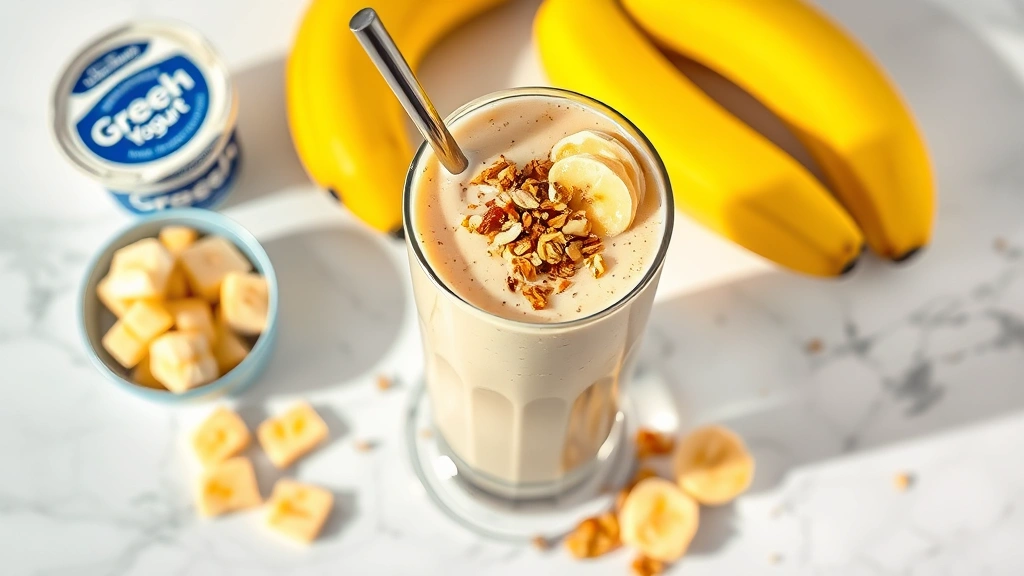
Best Banana Smoothie? Dietitian Approved!
There’s something magical about a perfectly blended banana smoothie—it’s creamy, naturally sweet, and packed with nutrients that make you feel genuinely good. Whether you’re rushing out the door in the morning or need a quick post-workout recovery drink, a banana smoothie recipe can be your go-to solution. But not all smoothies are created equal. Some are loaded with hidden sugars, others lack sufficient protein, and many miss the mark on flavor balance entirely.
As a registered dietitian nutritionist, I’ve tested dozens of banana smoothie combinations to find what truly works best for your health and taste buds. This guide breaks down the science behind creating the ultimate banana smoothie, shares my most-loved variations, and answers the questions I hear most often from smoothie enthusiasts. You’ll learn exactly why certain ingredients matter, how to customize your blend for your specific goals, and troubleshooting tips for common smoothie mishaps.
Why Bananas Are Perfect for Smoothies
Bananas deserve their reputation as the smoothie superstar. They’re packed with potassium, which supports heart health and muscle function, plus they contain resistant starch when slightly underripe—a type of carbohydrate that acts like dietary fiber in your body. One medium banana provides about 105 calories, 27 grams of carbohydrates, and virtually no fat, making them an ideal base for any smoothie.
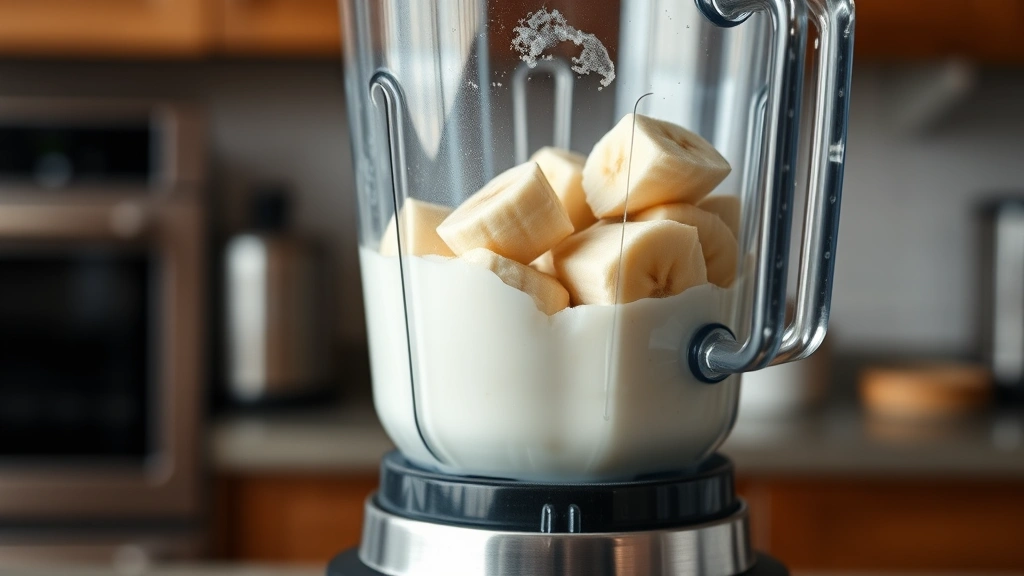
The natural pectin in bananas creates a naturally thick, creamy texture without requiring heavy cream or yogurt. This is why experienced smoothie makers always freeze their bananas: the ice crystals that form break down cell walls, releasing more of the fruit’s natural creaminess when blended. Unlike many fruits that become watery when frozen, bananas actually improve in texture and become easier to blend.
Beyond nutrition, bananas are incredibly versatile. They play well with nearly every flavor profile—tropical fruits, chocolate, nuts, spices, and leafy greens all complement bananas beautifully. This versatility means you can create endless variations while maintaining a consistent, delicious base. Bananas also contain compounds like dopamine and serotonin precursors that may support mood, which is a nice bonus to your morning routine.
The Dietitian-Approved Base Recipe
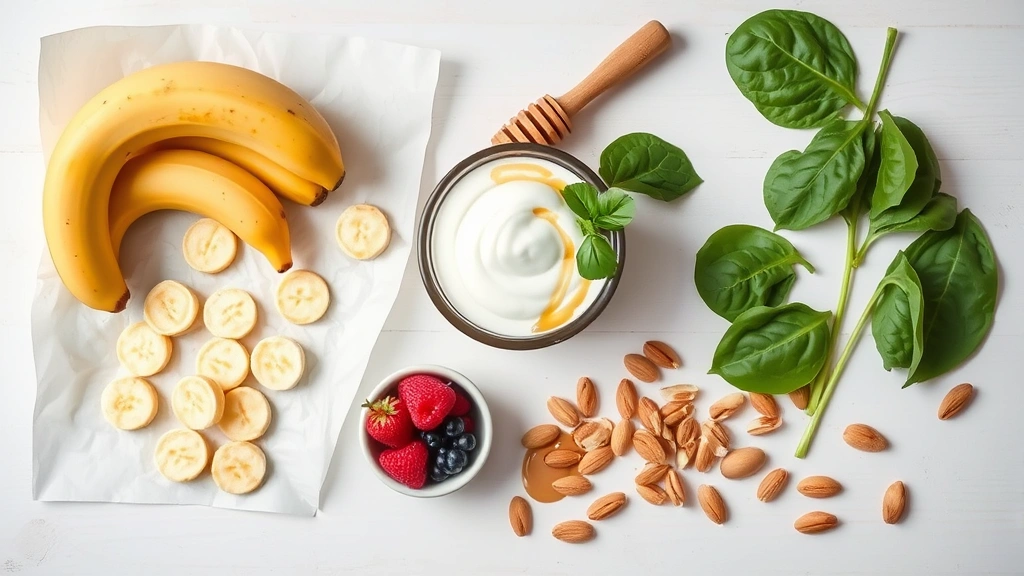
After testing hundreds of combinations, this is my go-to banana smoothie recipe. It balances macronutrients perfectly, tastes absolutely delicious, and takes less than five minutes to prepare:
- 1 frozen banana (peel before freezing for easier blending)
- ½ cup plain Greek yogurt (adds protein and creaminess)
- ½ cup unsweetened almond milk (adjust for desired thickness)
- ½ tablespoon natural almond butter (healthy fats for satiety)
- ½ teaspoon vanilla extract (enhances flavor complexity)
- 3-4 ice cubes (optional, for extra thickness)
Blend these ingredients for 45-60 seconds on high speed until completely smooth. The result is a 260-calorie smoothie with 15 grams of protein, 8 grams of healthy fat, and 28 grams of carbohydrates—the perfect macronutrient balance for sustained energy.
What makes this recipe work is the ratio of liquid to solids. Too much liquid creates a thin drink that doesn’t satisfy; too little and your blender struggles. The half-cup of milk combined with the yogurt’s moisture creates ideal blending conditions. If you prefer a thicker smoothie bowl consistency, reduce the milk to ¼ cup. For a thinner drinkable smoothie, increase to ¾ cup.
This base recipe also respects the principle of food waste reduction by using simple, whole ingredients without unnecessary additives. You’re not paying for fancy powders or processed smoothie mixes—just real food.
Protein Powerhouse Variations
If you’re using your banana smoothie recipe for post-workout recovery or muscle building, you’ll want to increase protein content. Here are my favorite high-protein modifications:
Greek Yogurt Boost Version: Replace the ½ cup Greek yogurt with ¾ cup, and reduce almond milk to ¼ cup. This increases protein to 22 grams while maintaining creaminess. The thicker consistency works wonderfully as a smoothie bowl topped with granola.
Protein Powder Addition: Add 1 scoop (about 25 grams) of vanilla or unflavored whey protein powder to the base recipe. This brings total protein to 40 grams—ideal for serious athletes. Blend the powder with liquid first, then add other ingredients to prevent clumping.
Cottage Cheese Secret Weapon: Replace half the Greek yogurt with ¼ cup cottage cheese. Many people are surprised by this addition, but cottage cheese is incredibly high in casein protein, which digests slowly and keeps you satisfied for hours. Blend it thoroughly to eliminate lumps. This variation works best if you’re comfortable with slightly different textures.
For those following a traditional whole-food approach, you can boost protein by adding a tablespoon of peanut butter or tahini. These ingredients also add satisfying fats that extend fullness.
Creamy Texture Secrets
The difference between a mediocre smoothie and an exceptional one often comes down to texture. Here are the professional secrets that create that luxurious, restaurant-quality creaminess:
Freeze Your Bananas Properly: Peel bananas, slice them into coins, and freeze on a parchment-lined baking sheet for at least four hours before transferring to freezer bags. Pre-sliced bananas blend more evenly than whole frozen bananas, which can create icy chunks.
Use Full-Fat Dairy When Possible: Full-fat Greek yogurt contains more milk solids than low-fat versions, creating inherently creamier smoothies. If you’re concerned about calories, remember that full-fat dairy is more satisfying, often leading to smaller overall portions.
The Avocado Addition: Half an avocado adds incredible creaminess and healthy monounsaturated fats without an overpowering flavor. This is my secret weapon for ultra-silky smoothies. Avocado also provides vitamin E and potassium.
Coconut Milk Magic: Swap almond milk for lite coconut milk (or use a 50/50 blend). The natural coconut fats create richness that plant-based milk alone cannot achieve. Full-fat coconut milk works beautifully, though it increases calories significantly.
Blend Order Matters: Always blend liquids and any powder ingredients first, then add frozen fruit and other solids. This prevents your blender from working too hard and overheating, and it ensures even distribution of all ingredients.
According to culinary school techniques, temperature management is crucial for texture. If your blender heats ingredients above 65°C (150°F), some nutrients degrade and flavors change. Keep everything cold by using frozen fruit and chilled dairy.
Flavor Combinations That Work
Once you master the base banana smoothie recipe, experimenting with flavors becomes endlessly fun. Here are combinations that consistently deliver delicious results:
Tropical Paradise: Add ½ cup frozen mango, ¼ cup pineapple juice, and a pinch of turmeric. The turmeric adds an earthy note that balances the sweetness beautifully while providing anti-inflammatory compounds. This variation feels like vacation in a glass.
Chocolate Peanut Butter Dream: Mix in 1 tablespoon cocoa powder, 1 tablespoon natural peanut butter, and ½ teaspoon honey. This combination satisfies chocolate cravings while delivering complete protein. It tastes like a healthy dessert smoothie but works perfectly as a post-workout recovery drink.
Berry Antioxidant Boost: Blend in ½ cup frozen mixed berries (blueberries, raspberries, strawberries). Berries add anthocyanins and other polyphenols that support heart and brain health. The tartness balances banana’s sweetness perfectly.
Green Goddess: Add a generous handful of fresh spinach or kale and ½ frozen mango. The fruit masks the vegetable’s earthiness while you get all the nutritional benefits. This is an excellent way to increase vegetable intake for people who struggle with salads.
Spiced Chai Version: Include ¼ teaspoon ground cinnamon, a pinch of cardamom, a small pinch of clove, and ¼ teaspoon ginger. These warming spices transform a simple banana smoothie into something luxurious. They also support digestion and may help regulate blood sugar.
Vanilla Maple Simplicity: Stick with the base recipe but use pure maple syrup instead of almond butter for sweetness, adding only ½ teaspoon. Sometimes the simplest combinations are the most satisfying.
Sweetening Your Smoothie the Right Way
One of the biggest mistakes people make with banana smoothies is over-sweetening. A ripe banana already contains about 14 grams of natural sugar—often enough for most people. Here’s how to approach sweetness strategically:
Choose Ripe Bananas: The riper your banana (with more brown spots), the higher its natural sugar content and the sweeter your smoothie will be. A very ripe banana can eliminate the need for any additional sweetener entirely.
Taste Before Sweetening: Always blend your smoothie and taste it before adding any sweetener. You might be surprised how sweet it already is. This practice prevents the common mistake of creating an overly sweet drink.
Strategic Sweetener Choices: If you need additional sweetness, here are dietitian-approved options:
- Honey: ½ teaspoon adds subtle sweetness plus antimicrobial compounds
- Maple Syrup: Similar to honey but with a more complex flavor profile
- Dates: Blend 1-2 pitted dates with your liquid first; they add sweetness plus fiber
- Monk Fruit: A zero-calorie option that doesn’t spike blood sugar
- Stevia: Another zero-calorie option, though some people detect an aftertaste
Avoid artificial sweeteners and high-fructose corn syrup whenever possible. They don’t provide the same nutritional benefits as whole-food sweeteners, and emerging research suggests they may affect your gut microbiome negatively.
For those watching sugar intake, remember that the naturally occurring sugars in fruit come packaged with fiber, vitamins, minerals, and phytonutrients. This makes them fundamentally different from refined sugars in terms of how your body processes them.
Prep and Storage Tips
Smart preparation makes daily smoothies sustainable and delicious. Here are the strategies I recommend to my clients:
Batch Freeze Banana Slices: Every time you have bananas approaching their peak ripeness, peel and slice them. Freeze on a sheet, then transfer to labeled freezer bags with the date. You’ll always have frozen bananas ready, and you can use preservation techniques to maintain quality. Properly frozen bananas last three months.
Create Smoothie Packs: Portion frozen fruit, spinach, and any dry ingredients into freezer bags. Label with the date and contents. When you’re ready for a smoothie, grab a pack and add your liquid and dairy. This system saves 10 minutes on busy mornings.
Dairy Prep Strategy: Keep Greek yogurt in single-serving containers or portion it into ice cube trays and freeze. Frozen yogurt cubes thaw as your smoothie blends, maintaining coldness without diluting with extra ice.
Drink Immediately or Refrigerate: Smoothies are best consumed immediately after blending. If you need to prepare ahead, refrigerate for up to four hours in an airtight container. The texture will separate slightly, but a quick stir restores it. Don’t freeze prepared smoothies, as the texture becomes grainy when thawed.
Invest in Quality Equipment: A high-powered blender (2+ horsepower) makes an enormous difference in smoothie texture and preparation time. Models from brands like Vitamix or Ninja handle frozen fruit effortlessly and create silky-smooth results. This is one kitchen investment that absolutely pays for itself.
For those concerned about sustainability, using simple whole ingredients in your banana smoothie recipe eliminates packaging waste from protein powders and supplements. You’re also reducing food waste by using bananas that might otherwise spoil.
FAQ
Can I make a banana smoothie without yogurt?
Absolutely. Replace Greek yogurt with silken tofu for similar creaminess and protein, or use ¾ cup milk with an added tablespoon of nut butter for richness. Cottage cheese, cashew cream, or even mashed avocado work wonderfully. The key is including something with fat or protein to create satiety and texture.
How many bananas should I use in a smoothie?
One medium frozen banana is ideal for a standard smoothie. Using two bananas creates an overly thick, banana-forward drink that can be cloying. If you want more banana flavor, choose a very ripe banana instead of adding a second one.
Is it okay to use fresh (unfrozen) bananas?
Fresh bananas work, but frozen ones are superior for smoothies. Frozen bananas create a naturally thick, creamy texture and cold drink without diluting with ice. If using fresh bananas, add extra ice cubes and refrigerate all ingredients beforehand.
What’s the best time to drink a banana smoothie?
This depends on your goals. For breakfast, a banana smoothie with protein and fat provides sustained energy. Post-workout, aim for a smoothie within 30-60 minutes of exercise when your muscles are primed to absorb nutrients. As a snack, a banana smoothie works anytime, though afternoon smoothies with caffeine-containing ingredients might interfere with sleep.
Can I make a banana smoothie for weight loss?
Yes, but focus on protein and fat content. Include Greek yogurt, nut butter, or protein powder to increase satiety. The base recipe at 260 calories works well for weight loss when paired with balanced meals. Avoid adding sweeteners beyond the banana’s natural sugars, and ensure you’re including enough protein—at least 15 grams per smoothie.
Why is my smoothie watery?
This usually means too much liquid relative to solids, or using fresh bananas instead of frozen. Start with less liquid (½ cup instead of ¾ cup) and add gradually until you reach desired thickness. Always use frozen bananas for the creamiest results.
Can banana smoothies help with digestion?
Bananas contain resistant starch and pectin, both beneficial for digestive health. Adding leafy greens, berries, or ground flaxseed increases fiber content further. If you have digestive sensitivities, ensure your smoothie includes probiotics (from yogurt) and easily digestible ingredients.
How do I prevent banana flavor from overpowering my smoothie?
Use one medium banana instead of a large one, choose a less-ripe banana with less sugar, and incorporate strong flavors like cocoa powder, nut butters, or spices. Adding acidic fruits like berries or citrus juice also balances banana’s sweetness.


