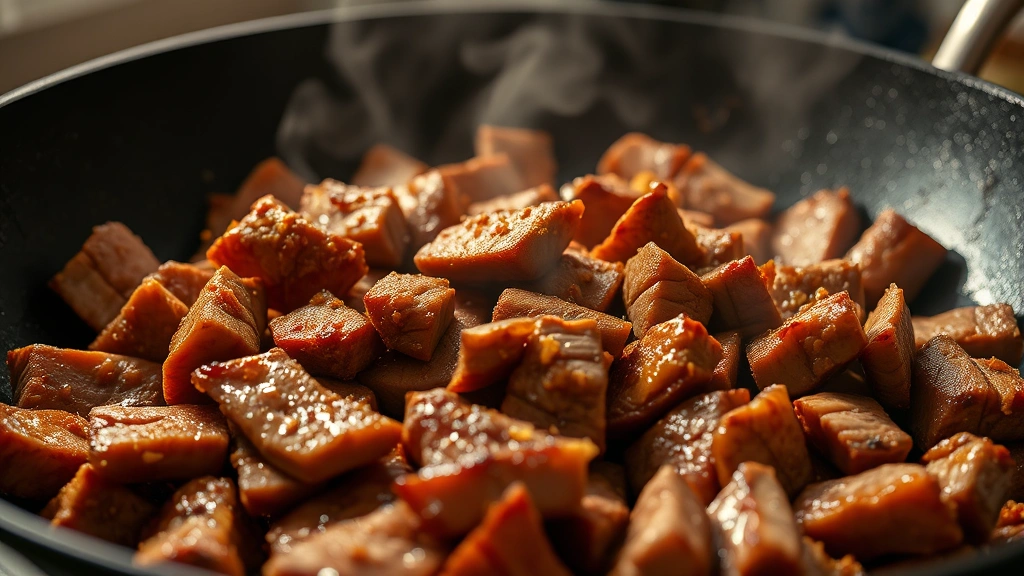
Beef Lomo Saltado: Authentic Peruvian Chef’s Guide
Lomo saltado represents one of Peru’s most iconic dishes, a vibrant fusion of Chinese and Peruvian culinary traditions that emerged during the 19th century when Chinese immigrants arrived in Peru’s coastal regions. This stir-fried beef dish combines tender strips of beef with crispy potatoes, fresh tomatoes, and aromatic spices, creating a harmonious balance of flavors and textures that has captivated food lovers worldwide. The beauty of beef lomo saltado lies not only in its delicious taste but also in its straightforward cooking technique that any home cook can master.
What makes this dish particularly special is how it showcases the principle of high-heat cooking that brings out the natural flavors of quality beef while maintaining its tenderness. Whether you’re preparing this dish for a weeknight dinner or impressing guests at a gathering, understanding the fundamentals of authentic lomo saltado preparation will elevate your cooking skills and transport your palate straight to Peru’s bustling markets and traditional kitchens.
Understanding Lomo Saltado Basics
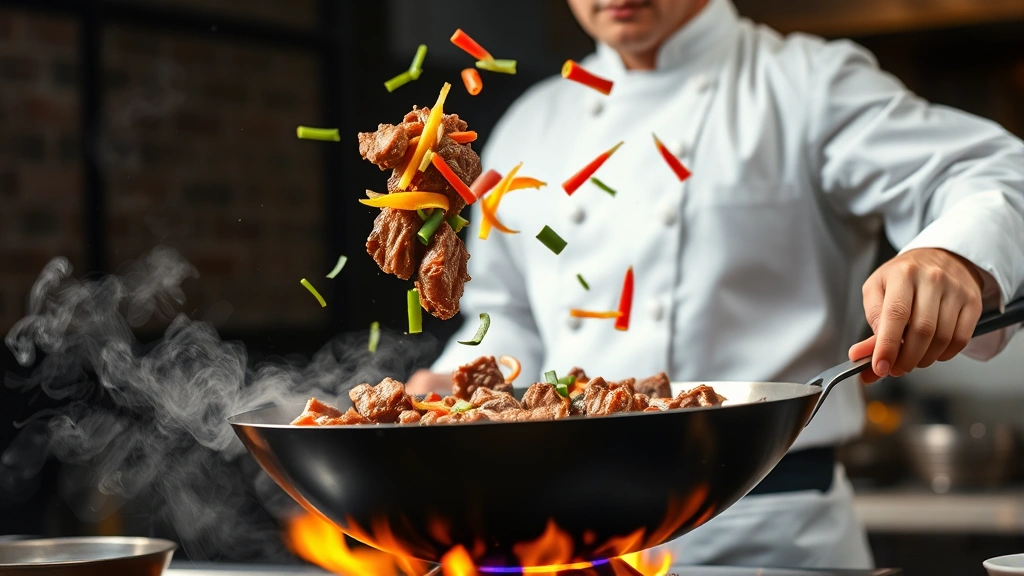
The term “lomo saltado” literally translates to “jumped loin,” referring to the tossing and flipping motion used during the stir-frying process. This cooking method, influenced by Chinese wok cooking techniques, became deeply embedded in Peruvian cuisine and represents a beautiful example of cultural culinary exchange. The dish traditionally combines beef tenderloin or strip steak with potatoes, onions, tomatoes, and cilantro, all brought together with soy sauce and vinegar for depth and acidity.
Understanding the cultural significance of lomo saltado helps appreciate why each component matters. The dish reflects Peru’s geographic diversity—the beef from the highlands, potatoes native to the Andes, and fresh vegetables from coastal regions. When you prepare this dish, you’re honoring centuries of Peruvian culinary heritage while employing modern cooking techniques that ensure consistent, delicious results every time.
The key to authentic beef lomo saltado lies in the balance between bold flavors and proper cooking temperatures. Unlike many Asian stir-fries that rely on cornstarch for thickening, traditional lomo saltado maintains a more rustic consistency, allowing the natural juices and flavors to shine through. When you learn how to cook with cast iron, you’ll discover that a properly seasoned cast iron skillet or wok provides the perfect vessel for achieving the high heat necessary for this dish.
Selecting Quality Beef
The foundation of exceptional beef lomo saltado begins with choosing the right cut of meat. Peruvian chefs traditionally use beef tenderloin (lomo fino) for its tenderness and premium quality, though strip steak (New York strip) and even rib-eye can work beautifully. The key characteristic you’re seeking is marbling—those delicate streaks of fat throughout the meat that keep it moist during high-heat cooking while adding rich flavor.
When selecting your beef, aim for pieces that are bright red in color with white (not yellow) fat. The meat should feel firm to the touch and smell fresh, with no off-putting odors. For a dish serving four people, purchase approximately 1.5 to 2 pounds of beef, which provides generous portions while allowing for proper cooking in batches. Avoid overly thin cuts, as beef lomo saltado benefits from strips that are approximately half an inch thick—thick enough to develop a flavorful crust while remaining tender inside.
One crucial step many home cooks overlook is removing the beef from refrigeration 30 to 45 minutes before cooking. This allows the meat to reach closer to room temperature, ensuring more even cooking and better browning. Pat the beef completely dry with paper towels before cutting; moisture on the surface prevents proper browning and creates steam rather than the desired caramelization.
Essential Ingredients Breakdown
A proper beef lomo saltado recipe requires careful attention to ingredient quality and proportions. Here’s what you’ll need for four servings:
- Beef tenderloin or strip steak: 1.5 to 2 pounds, cut into half-inch strips
- Potatoes: 1 pound yellow or gold potatoes, cut into matchsticks or thin fries
- Red onions: 2 large onions, sliced into thick wedges
- Tomatoes: 3 medium ripe tomatoes, cut into wedges
- Fresh cilantro: 1/2 cup chopped, plus extra for garnish
- Soy sauce: 3 tablespoons (preferably naturally brewed)
- Red wine vinegar or white vinegar: 2 tablespoons
- Garlic: 4 cloves, minced
- Fresh ginger: 1 tablespoon, minced (optional but recommended)
- Vegetable oil: 4 to 5 tablespoons, divided for cooking
- Salt and black pepper: To taste
- Red pepper flakes or ají amarillo: 1/2 teaspoon (optional)
The soy sauce serves as the primary seasoning agent, providing umami depth that defines the dish’s character. Choose naturally fermented soy sauce rather than chemically processed versions, as the fermentation creates more complex flavors. The vinegar provides necessary acidity that brightens the rich beef and balances the salty soy sauce. When considering organic versus non-organic food options, sourcing organic vegetables ensures fresher, more flavorful tomatoes and onions that contribute significantly to the final dish.
Preparation Steps
Proper mise en place—having all ingredients prepped and ready before cooking begins—is absolutely essential for beef lomo saltado success. This dish cooks quickly at high temperatures, leaving no time for chopping once the cooking process starts.
Prepare the potatoes first: Cut potatoes into thin matchstick fries, approximately 1/4 inch thick. Soak them in cold water for 15 minutes to remove excess starch, which helps them become crispier when fried. Drain thoroughly and pat completely dry with paper towels—any remaining moisture will cause splattering and prevent proper crisping.
Prepare the beef: Trim any excess fat from the beef tenderloin, then cut against the grain into strips approximately 1/2 inch thick and 2 to 3 inches long. Cutting against the grain breaks up the muscle fibers, resulting in more tender meat. Season generously with salt and pepper just before cooking, not earlier, as salt draws out moisture.
Prepare remaining vegetables: Slice red onions into thick wedges rather than thin slices—the thickness prevents them from becoming mushy during cooking. Cut tomatoes into wedges, and mince garlic and ginger. Chop fresh cilantro and measure out your soy sauce and vinegar into small bowls for quick access during cooking.
Make the sauce: Combine soy sauce, vinegar, minced garlic, ginger, and red pepper flakes in a small bowl. This simple mixture becomes the flavor backbone of your dish, so taste it beforehand to ensure the balance of salty, sour, and spicy elements appeals to your palate.
Cooking Technique Mastery
The cooking process for beef lomo saltado demands your full attention and proper heat management. This is not a dish that tolerates multitasking—you’ll be actively engaged from start to finish, typically for 15 to 20 minutes total.
Step 1: Cook the potatoes Heat 2 tablespoons of vegetable oil in a large wok or heavy-bottomed skillet over medium-high heat. Once the oil shimmers, add the potato matchsticks in a single layer. Resist the urge to stir constantly; instead, let them cook undisturbed for 3 to 4 minutes until the bottom begins browning. Then stir and continue cooking for another 5 to 7 minutes until golden and crispy. The potatoes should be cooked through but still have a slight firmness. Transfer to a paper towel-lined plate and season lightly with salt.
Step 2: Sear the beef Increase heat to high and add 1.5 tablespoons of fresh oil to your wok. Wait until the oil begins to smoke slightly—this indicates it’s hot enough for proper browning. Working in two batches to avoid overcrowding, add the beef strips in a single layer. Sear for 2 to 3 minutes without moving them, allowing a flavorful crust to develop. Flip and cook another 2 to 3 minutes until the internal temperature reaches 130 to 135°F for medium-rare. Remove the first batch to a clean plate and repeat with remaining beef. Proper searing requires patience; moving the meat too frequently prevents browning.
Step 3: Cook the aromatics Add the remaining oil to your wok and reduce heat to medium-high. Add the red onion wedges and cook for 2 to 3 minutes, stirring occasionally, until they begin to soften slightly while maintaining their crunch. The goal is softened but not caramelized onions. This is where proper understanding cast iron cooking techniques becomes invaluable—the even heat distribution ensures consistent cooking throughout.
Step 4: Combine and finish Return the cooked beef to the wok along with the crispy potatoes. Pour the sauce mixture over everything and add the tomato wedges. Toss everything together quickly but gently for 1 to 2 minutes, ensuring the sauce coats all ingredients. The tomatoes should remain relatively firm, just warmed through. Add the fresh cilantro in the final 30 seconds of cooking, as cilantro’s delicate flavor diminishes with heat exposure.
The entire cooking process from raw ingredients to finished dish should take approximately 15 to 20 minutes. This quick cooking time preserves the crispy texture of the potatoes and maintains the beef’s medium-rare temperature throughout. If components seem to be cooking too quickly or too slowly, adjust your heat accordingly—every stove behaves differently, so trust your senses and observations.
Plating and Serving
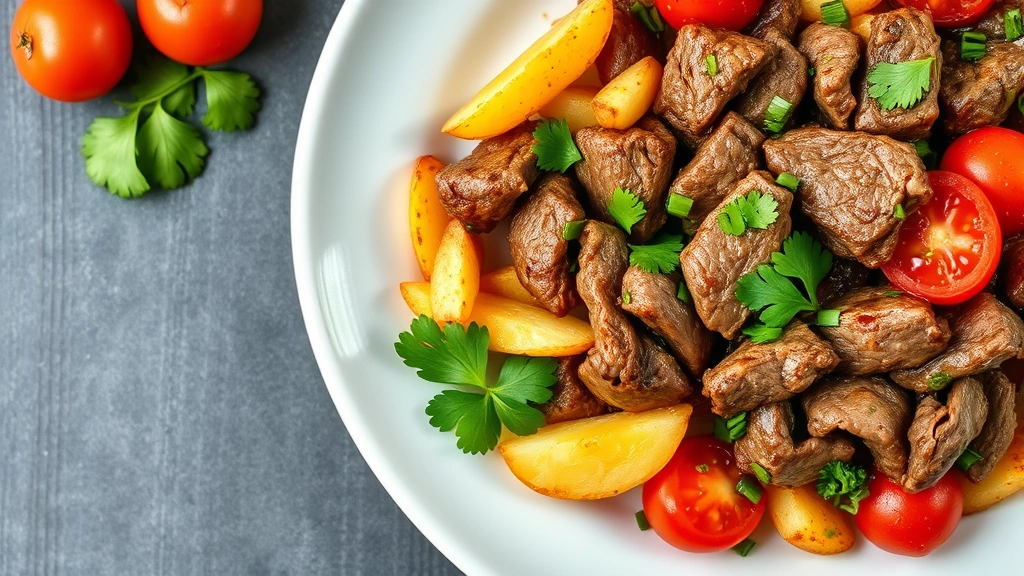
Presentation matters significantly in Peruvian cuisine, and beef lomo saltado deserves to be plated thoughtfully. Divide the mixture into four serving bowls or plates, ensuring each portion receives a balanced combination of beef, potatoes, vegetables, and sauce. The sauce should glisten on the ingredients, not pool at the bottom—if excess liquid accumulates, drain it before serving.
Garnish each plate with additional fresh cilantro and serve immediately while the potatoes maintain their crispiness and the beef remains warm. Traditional Peruvian service often includes white rice on the side, which absorbs the flavorful juices and provides a neutral complement to the bold flavors of the lomo saltado.
For authentic presentation, consider serving this dish family-style on a large platter rather than individual plates, allowing guests to serve themselves. This approach honors the dish’s communal roots in Peruvian dining culture and creates a more relaxed, convivial atmosphere. Provide lime wedges on the side for guests who appreciate additional citrus brightness, though the vinegar in the sauce typically provides sufficient acidity.
Wine and Side Pairing Suggestions
Beef lomo saltado’s bold flavors and rich beef require thoughtful beverage pairings. A medium-bodied red wine with good acidity works beautifully—consider Peruvian wines like Malbec or Cabernet Sauvignon from regions like Ica Valley. These wines complement the soy-based sauce and the beef’s richness without overwhelming the delicate balance of flavors. If you prefer white wine, a crisp Sauvignon Blanc or Albariño provides excellent contrast to the dish’s richness.
For non-alcoholic options, a sparkling beverage like Peruvian Inca Kola or even a simple sparkling lime water complements the meal beautifully. The carbonation and brightness cleanse the palate between bites, enhancing your appreciation of each flavor component.
Traditional side dishes served alongside beef lomo saltado include:
- White rice: Plain steamed rice provides a neutral base for the flavorful sauce
- Fresh bread: Crusty bread soaks up remaining sauce; consider making homemade bread for an impressive presentation
- Peruvian purple corn: If available, this adds visual interest and subtle sweet flavor
- Fresh salad: A simple green salad with lime vinaigrette provides refreshing contrast
- Avocado slices: Creamy avocado balances the bold flavors perfectly
The combination of beef lomo saltado with white rice is considered the classic preparation throughout Peru, as the rice’s mild flavor allows the complex sauce to shine while providing textural contrast to the crispy potatoes.
FAQ
What’s the best beef cut for lomo saltado if tenderloin isn’t available?
Strip steak (New York strip) provides excellent results with similar tenderness and good marbling. Rib-eye works as well, though it contains more fat. Avoid lean cuts like sirloin, which tend to become tough during high-heat cooking. The key is choosing meat with adequate marbling to stay moist during searing.
Can I prepare beef lomo saltado ahead of time?
This dish is best served immediately after cooking while the potatoes remain crispy and the beef stays warm. However, you can prep all ingredients several hours ahead. Cook the potatoes and beef separately 30 minutes before serving, then quickly combine everything with the sauce just before plating. This approach maintains optimal texture and temperature.
How do I prevent the potatoes from becoming soggy?
Thorough drying after soaking removes excess starch and surface moisture, which prevents splattering and promotes crisping. Cook potatoes in hot oil until golden, then drain on paper towels. Add them to the final dish just before serving to minimize sauce absorption. If you prepare them earlier, reheat briefly in a hot skillet before combining with other ingredients.
What if I don’t have fresh cilantro?
While cilantro is traditional and adds authentic flavor, parsley provides a suitable substitute if necessary. However, cilantro’s distinctive flavor is central to the dish’s character, so try to source it fresh when possible. Avoid dried cilantro, which loses its delicate qualities during drying.
Can I make this dish vegetarian or vegan?
Yes, you can substitute beef with mushrooms or tofu, though the result differs significantly from traditional lomo saltado. Use a combination of cremini, shiitake, and oyster mushrooms for depth, or press tofu and sear until golden. Maintain all other components and cooking techniques for best results.
What’s the difference between soy sauce and tamari?
Tamari is typically gluten-free and contains less wheat than traditional soy sauce, offering a slightly deeper flavor. For beef lomo saltado, either works well—choose based on dietary preferences. Naturally fermented versions of either provide superior flavor to chemically processed alternatives.
How do I achieve the proper wok cooking technique?
High heat, quick movement, and proper spacing are crucial. Avoid overcrowding the wok, which lowers temperature and causes steaming rather than searing. If you lack a wok, a large heavy-bottomed skillet works equally well. The principle remains the same: high heat, properly dried ingredients, and constant movement throughout cooking.
Can I double this recipe for larger gatherings?
Yes, but cook in batches rather than doubling quantities in one wok. Overcrowding prevents proper searing and browning. Cook beef and potatoes in separate batches, keeping finished portions warm in a low oven (200°F) while completing remaining batches. Combine everything with sauce just before serving to maintain optimal texture and temperature.


