Beef Pasta Recipes: Family Favorites That Everyone Loves
There’s something truly magical about a steaming bowl of beef pasta that brings families to the dinner table. Whether you’re cooking for a weeknight dinner or preparing an impressive meal for guests, beef pasta recipes offer the perfect combination of comfort, flavor, and satisfaction. From classic bolognese to creamy stroganoff-style preparations, beef and pasta create a timeless pairing that has delighted home cooks and professional chefs for generations.
The beauty of beef pasta dishes lies in their versatility and accessibility. You don’t need fancy ingredients or advanced culinary skills to create restaurant-quality meals in your own kitchen. With quality beef, the right pasta shape, and a few essential seasonings, you can transform a simple dinner into something memorable. This comprehensive guide explores the most beloved beef pasta recipes, techniques for achieving perfect results, and creative variations that will keep your family asking for seconds.
Classic Beef Bolognese: The Foundation of Beef Pasta Excellence
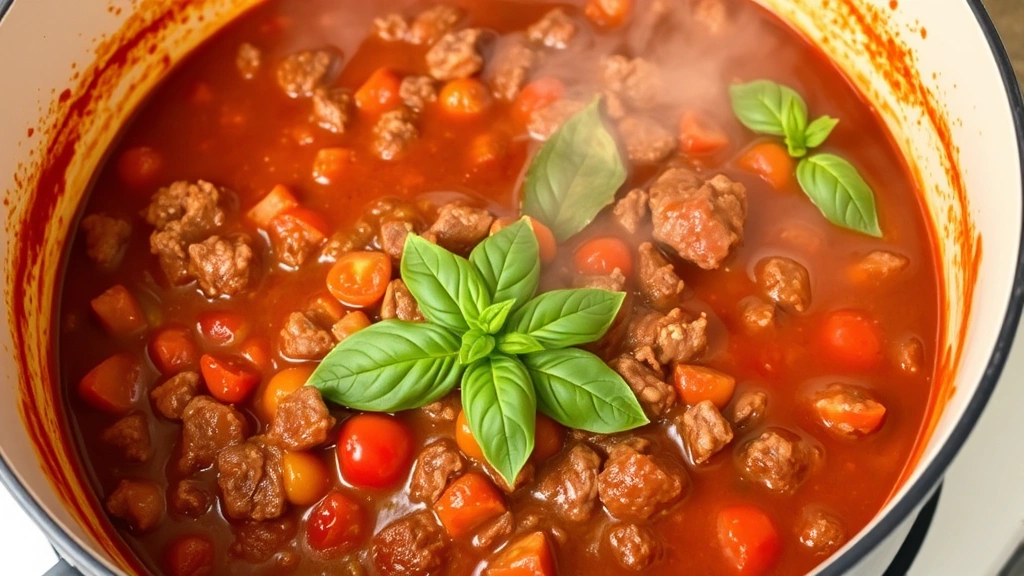
Beef bolognese represents the cornerstone of Italian-inspired beef pasta cooking. This traditional sauce combines ground beef with tomatoes, aromatics, and a touch of cream for a rich, deeply satisfying dish. The key to authentic bolognese is patience—allowing the sauce to simmer gently for at least 30-45 minutes transforms simple ingredients into something extraordinary.
Begin by selecting quality ground beef with a fat content between 15-20 percent. This balance ensures your sauce develops rich flavor without becoming greasy. Heat olive oil in a large, heavy-bottomed pot over medium-high heat. Add finely diced onion, carrot, and celery—the holy trinity known as soffritto in Italian cooking. Sauté these aromatics until they’re softened and fragrant, approximately 5-7 minutes.
Add your ground beef to the pot, breaking it apart with a wooden spoon as it cooks. The goal is to achieve a fine, crumbly texture rather than large chunks. Cook until the beef is no longer pink and has developed a light brown color, about 8-10 minutes. This browning process, called the Maillard reaction, creates complex flavors that form the foundation of your sauce.
Once your meat is cooked, add tomato paste and cook it for 2-3 minutes, stirring constantly. This step, known as caramelizing the tomato paste, intensifies its flavor significantly. Pour in crushed San Marzano tomatoes—their natural sweetness and lower acidity make them ideal for bolognese. Add a splash of whole milk or heavy cream near the end of cooking; this traditional addition mellows the acidity and creates a subtle richness.
Season with salt, freshly ground black pepper, and a pinch of sugar to balance acidity. Simmer on low heat for 30-45 minutes, stirring occasionally. The longer cooking time allows flavors to meld and deepen. Serve over pappardelle or tagliatelle pasta for an authentic experience.
Creamy Beef Stroganoff Pasta: Comfort in Every Bite
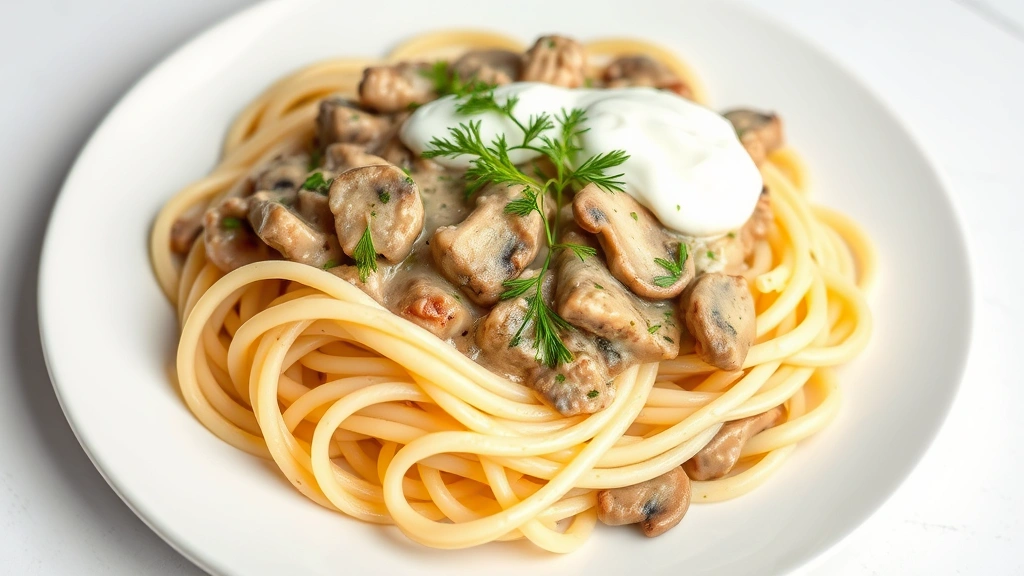
While stroganoff has Russian origins, it translates beautifully to pasta dishes, creating a creamy, luxurious meal that families adore. Unlike traditional stroganoff served over egg noodles, this pasta version offers a lighter texture while maintaining all the comfort-food appeal.
Start with beef chuck or sirloin cut into thin strips about ¼-inch thick. Pat the meat dry with paper towels—moisture is the enemy of browning. Season generously with salt and pepper. Working in batches to avoid crowding the pan, sear the beef strips in hot oil until deeply browned on both sides, approximately 2-3 minutes per side. Remove and set aside.
In the same pot, sauté sliced mushrooms and onions until the mushrooms release their moisture and begin to caramelize. Add minced garlic and cook for another minute until fragrant. Deglaze the pot with beef broth, scraping up the flavorful browned bits stuck to the bottom—this is where immense flavor hides.
Return the beef to the pot and simmer gently for 20-30 minutes until tender. The low, slow cooking ensures the meat becomes melt-in-your-mouth tender rather than tough. In a small bowl, whisk together sour cream and a tablespoon of cornstarch. Temper this mixture by slowly adding a ladleful of hot sauce while whisking constantly, then stir it back into the pot. This technique prevents curdling and ensures a silky sauce.
Finish with fresh dill, parsley, and a squeeze of lemon juice. The acidity brightens the rich, creamy sauce. Toss with egg noodles or wide ribbon pasta like pappardelle for the most authentic stroganoff experience.
If you enjoy exploring different protein options, our collection of healthy chicken recipes offers lighter alternatives that work beautifully with similar sauce preparations.
Beefy Marinara: Simplicity Meets Sophistication
Sometimes the simplest recipes deliver the most profound satisfaction. Beefy marinara proves that you don’t need complicated techniques or exotic ingredients to create something truly delicious. This recipe celebrates the purity of tomatoes, beef, and pasta working in perfect harmony.
Brown ground beef in a large pot with olive oil, onion, and garlic. Once the meat is cooked, add crushed tomatoes and allow the sauce to simmer gently for 20-30 minutes. The extended cooking time allows the tomato flavor to concentrate and deepen. Season with salt, pepper, dried oregano, and a small pinch of red pepper flakes for subtle heat.
The secret to exceptional marinara lies in finishing touches. Just before serving, stir in fresh basil, a drizzle of quality extra-virgin olive oil, and a small pat of butter. These final additions add brightness and richness that elevate the sauce from good to exceptional. The butter emulsifies into the sauce, creating a silky mouthfeel that coats the pasta beautifully.
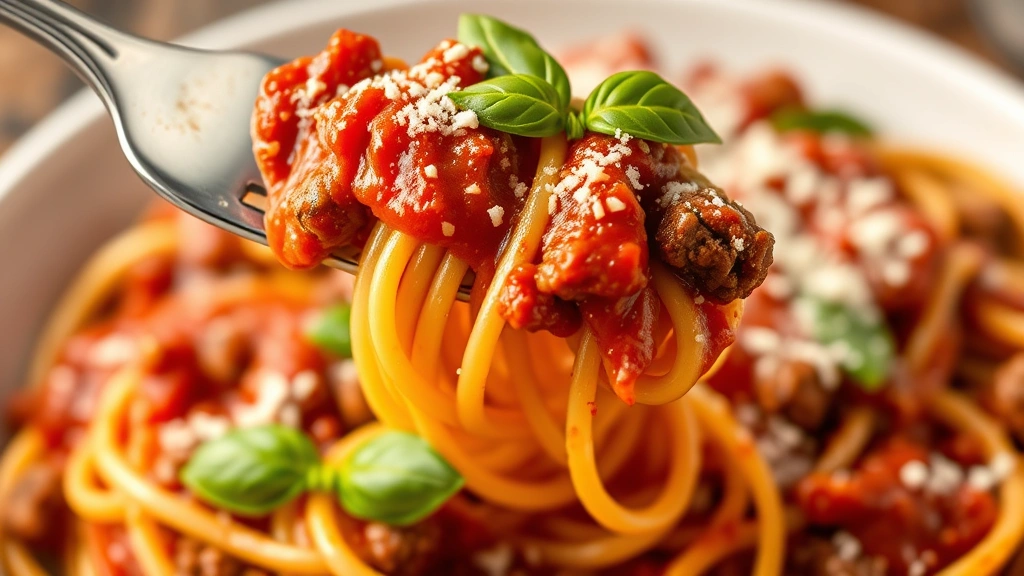
Serve over spaghetti, penne, or rigatoni. Each pasta shape interacts differently with the sauce—spaghetti allows the sauce to cling to the strands, while rigatoni’s ridges and tubes trap sauce for every bite.
Mastering Ground Beef Techniques for Superior Results
The foundation of most beef pasta dishes relies on properly cooked ground beef. Understanding the techniques that separate mediocre results from exceptional ones transforms your cooking.
Selecting the Right Beef: Ground beef labeled 80/20 (80% lean, 20% fat) represents the sweet spot for most beef pasta dishes. This ratio provides enough fat for flavor and moisture without creating an excessively greasy sauce. Ground chuck, which comes from the shoulder area, offers excellent marbling and flavor.
The Browning Process: Never skip browning your beef properly. This step creates the Maillard reaction, a chemical process that generates hundreds of complex flavor compounds. Brown your meat over medium-high heat, allowing it to develop color before stirring. Resist the urge to break it up immediately—let it sit for a minute or two to build a golden crust.
Breaking Up Meat Properly: Use a wooden spoon or potato masher to break ground beef into small, uniform pieces as it cooks. Aim for a fine, crumbly texture rather than large chunks. Smaller pieces distribute more evenly throughout your sauce and cook more thoroughly.
Rendering Fat: If your beef seems excessively fatty after browning, drain some fat into a container. However, don’t remove all of it—the rendered fat carries tremendous flavor. Many cooks reserve a tablespoon or two of fat to sauté aromatics, as this fat is now infused with beef flavor.
Temperature Control: Maintain medium to medium-high heat while browning. If the heat is too low, meat steams rather than browns. Too high, and the exterior burns while the interior remains undercooked. Medium heat provides the ideal balance for proper browning and even cooking.
Choosing the Right Pasta Shape for Beef Sauces
Pasta shape matters more than many home cooks realize. Different shapes interact with sauce in distinct ways, affecting how the dish tastes and feels.
Long Pasta (Spaghetti, Linguine, Fettuccine): These shapes work beautifully with thinner, more delicate sauces. The sauce clings to the strands, creating bites where sauce and pasta are equally represented. Fettuccine’s wider surface area holds creamy sauces particularly well.
Tube Pasta (Penne, Rigatoni, Ziti): Ridged tubes trap sauce both inside and outside, making these shapes ideal for chunky beef sauces. The hollow centers fill with sauce, ensuring every bite delivers maximum flavor.
Short Pasta (Farfalle, Fusilli): These compact shapes work well with heartier, chunkier beef preparations. Their texture and shape allow them to hold up to robust sauces without becoming overwhelmed.
Egg Noodles: Perfect for stroganoff-style preparations, egg noodles’ richness complements creamy beef sauces beautifully. Their tender texture contrasts nicely with hearty meat preparations.
For lighter, more refined beef pasta dishes, consider pairing with our Asian recipes that feature beef in noodle preparations for inspiration on alternative flavor profiles and cooking techniques.
Easy Family-Friendly Beef Pasta Variations
Once you master the fundamentals, creative variations keep your family excited about beef pasta dishes.
One-Pot Beef Pasta: This weeknight wonder combines pasta, beef, and sauce in a single pot. Brown ground beef with aromatics, add beef broth and crushed tomatoes, then nestle uncooked pasta directly into the liquid. Simmer until pasta is tender, stirring occasionally to prevent sticking. The pasta absorbs the flavorful broth, creating a more cohesive dish than traditional pasta-and-sauce preparations.
Baked Beef Pasta: Layer cooked pasta with beef bolognese and creamy béchamel sauce, top with cheese, and bake until bubbly and golden. This approach works wonderfully for feeding crowds and can be prepared ahead of time.
Spicy Beef Arrabbiata: This Roman classic features beef with a spicy tomato sauce built on garlic, red pepper flakes, and quality tomatoes. The heat is balanced by the richness of the beef, creating a sophisticated yet approachable dish.
Beef and Vegetable Pasta: Incorporate finely diced vegetables like zucchini, bell peppers, and mushrooms into your beef sauce. This approach adds nutrition and texture while keeping the dish family-friendly. Dice vegetables small so they cook through and distribute evenly.
Creamy Tomato Beef Pasta: Combine the richness of a cream sauce with the brightness of tomatoes. Brown beef, sauté aromatics, add tomato sauce and simmer briefly, then finish with heavy cream and fresh herbs. This creates a sauce that’s luxurious without being heavy.
For those seeking lighter options on busy weeknights, explore our vegetarian crockpot recipes that demonstrate slow-cooking techniques applicable to beef preparations, or check out our fall recipes for seasonal beef pasta inspiration.
Don’t overlook classic preparations found in our Betty Crocker recipes collection, which offers timeless beef pasta dishes that have fed families for generations.
Pro Tips for Perfect Beef Pasta Every Time
Experience teaches valuable lessons that elevate your beef pasta cooking.
Build Layers of Flavor: Don’t add all seasonings at once. Instead, season at multiple stages—when browning meat, when adding aromatics, and at the end. This approach creates more complex, developed flavors than single-stage seasoning.
Use Quality Ingredients: Your final dish can only be as good as your ingredients. Invest in good beef, San Marzano tomatoes, and quality olive oil. These foundational ingredients make a noticeable difference in the finished dish.
Don’t Rush the Sauce: Simmer sauces gently rather than boiling vigorously. Gentle heat allows flavors to meld and develop without causing excessive evaporation or breaking emulsions in cream-based sauces.
Taste and Adjust: Continuously taste your sauce as it cooks, adjusting seasoning as needed. Flavors develop and concentrate over time, so what tastes right early in cooking may need adjustment later.
Reserve Pasta Water: Before draining cooked pasta, reserve a cup of starchy pasta water. This liquid is liquid gold for adjusting sauce consistency. The starch helps the sauce cling to pasta and creates silkier results than using plain water.
Finish with Fresh Herbs: Add fresh herbs just before serving rather than cooking them into the sauce. Fresh basil, parsley, and oregano brighten the dish and add vibrant color and flavor.
Rest Your Sauce: If time allows, make your sauce ahead and let it rest for several hours or overnight. Flavors meld and develop further, and reheating refreshes the sauce beautifully.
FAQ
What’s the best beef cut for beef pasta recipes?
Ground beef with an 80/20 lean-to-fat ratio works best for most beef pasta dishes. Ground chuck offers excellent flavor due to its marbling. For stroganoff-style dishes, use chuck or sirloin cut into thin strips for tender results after cooking.
Can I make beef pasta ahead of time?
Absolutely! Most beef pasta sauces actually improve when made ahead. Cook the sauce completely, cool it, and refrigerate for up to 4 days or freeze for up to 3 months. Reheat gently over low heat, adding pasta water if the sauce has thickened too much. Cook pasta fresh just before serving for best texture.
How do I prevent my beef sauce from becoming watery?
Ensure your beef is properly browned before adding liquid—this seals in moisture. Simmer sauces uncovered to allow excess moisture to evaporate. If your sauce is too thin, simmer longer or whisk a slurry of cornstarch and water into the sauce to thicken it.
What’s the difference between bolognese and marinara?
Bolognese is a meat-based sauce that simmers for 30-45 minutes, developing deep, complex flavors. Marinara is a simpler tomato sauce, typically without meat, that cooks for 15-20 minutes. Beefy marinara falls somewhere between, offering simplicity with the satisfaction of meat.
Can I use ground turkey or chicken instead of beef?
Yes, ground turkey or chicken work well, though they’re leaner and may require adding olive oil to prevent dryness. The cooking techniques remain the same. For lighter preparations, check our healthy chicken recipes for additional inspiration.
Should I brown the beef separately from aromatics?
You can do either. Browning beef first allows it to develop color more effectively, then you remove it and sauté aromatics in the rendered fat. Alternatively, sauté aromatics first, then add beef to cook together. The first method typically yields better browning and more developed flavor.
What wine works best in beef pasta sauce?
Dry red wines like Sangiovese, Barbera, or Chianti complement beef pasta beautifully. Add wine after browning the meat and let it simmer for 2-3 minutes so alcohol evaporates while flavor remains. Use wine you’d actually drink—cheap cooking wine produces inferior results.
How much sauce do I need for pasta?
Generally, aim for approximately ¾ to 1 cup of sauce per 4 ounces of dried pasta. This ratio ensures adequate sauce distribution without overwhelming the pasta. Adjust based on personal preference—some prefer saucier dishes, others prefer less sauce.


