
Tender Beef Short Ribs? Slow Cooker Magic!
Beef short ribs are one of those cuts that seem intimidating at first—all that connective tissue, the substantial bone-to-meat ratio, and the sheer heft of them can make home cooks hesitate. But here’s the secret that changes everything: a slow cooker is your best friend for transforming these tough, fibrous cuts into fall-apart-tender masterpieces. The low, moist heat environment of a slow cooker breaks down collagen into gelatin, creating a luxuriously tender result that tastes like you spent hours tending a braising pot on the stove.
This guide will walk you through everything you need to know about cooking beef short ribs in a slow cooker—from selecting the right cut at the butcher counter to achieving that restaurant-quality tenderness at home. You’ll discover the techniques that professional chefs use, the flavor combinations that elevate this humble cut, and the timing that ensures perfect results every single time.
Understanding Beef Short Ribs
Before you start cooking, it’s important to understand what makes beef short ribs unique. Unlike baby back ribs or spare ribs, beef short ribs come from the chuck or rib section of the cow and contain significantly more meat and bone. Each rib can weigh 3 to 5 ounces and is packed with intramuscular fat and collagen—exactly what you need for slow cooking success.
The collagen in beef short ribs is the key to that incredible tenderness. When exposed to low, moist heat for extended periods, collagen breaks down into gelatin, which dissolves into your braising liquid and creates a silky, unctuous sauce. This process cannot be rushed with high heat; it requires patience and the perfect environment that a slow cooker provides.
There are two main cuts of beef short ribs available: English-style (cut perpendicular to the bone, producing shorter ribs) and flanken-style (cut parallel to the bone, producing longer, thinner ribs). Both work beautifully in a slow cooker, though cooking times may vary slightly. English-style ribs are more commonly found in American supermarkets and are typically easier to handle.
Selecting and Preparing Your Ribs
When shopping for beef short ribs, look for pieces with good marbling—those white lines of fat running through the meat. This intramuscular fat is essential for flavor and tenderness. Avoid ribs that look dry or have a gray color; they should be bright red and moist. Plan on about 1 to 1.5 pounds of short ribs per person, accounting for the bone weight.
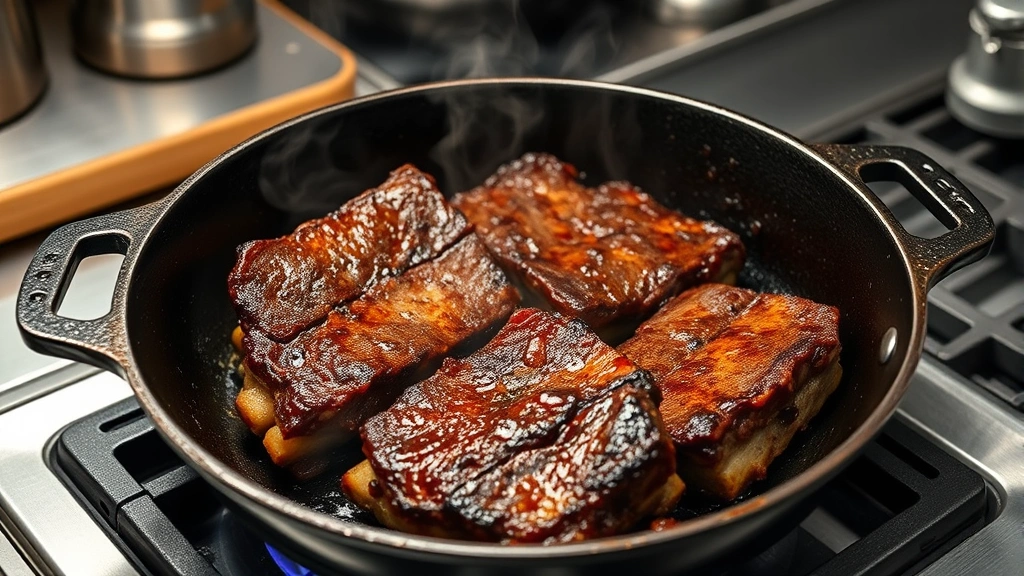
At home, pat your beef short ribs dry with paper towels. This step is crucial for achieving a proper sear. While searing isn’t absolutely necessary for slow cooker cooking, it does add tremendous depth of flavor by developing a flavorful crust through the Maillard reaction. Heat a heavy skillet over medium-high heat and sear the ribs for 2 to 3 minutes per side until deeply browned. Work in batches to avoid overcrowding the pan, which would cause steaming rather than searing.
Trim excess fat if desired, though some fat is beneficial for flavor and moisture. If you’re using a slow cooker with a browning function, you can sear directly in the insert; otherwise, use a separate skillet and transfer the seared ribs to your slow cooker.
The Basic Slow Cooker Method
The foundation of slow cooker beef short ribs is remarkably simple: meat, liquid, aromatics, and time. The liquid is essential—it maintains the moist environment that breaks down collagen. You’ll need enough liquid to come about halfway up the ribs, typically 2 to 3 cups depending on your slow cooker size and the number of ribs.
Layer your slow cooker strategically. Start with aromatic vegetables like onions, carrots, and celery on the bottom. These vegetables will soften and flavor your braising liquid. Place your seared short ribs on top, then add your remaining ingredients. This arrangement ensures the vegetables don’t interfere with browning the meat and allows them to flavor the liquid as they cook.
Set your slow cooker to low heat for 8 to 10 hours, or high heat for 4 to 5 hours. Low and slow is always preferable for this cut because it allows the collagen to break down gradually and evenly. High heat can sometimes cause the exterior to become tough before the interior fully tenderizes.
Classic Braised Short Ribs Recipe
This foundational recipe uses beef stock, red wine, and traditional aromatics to create a deeply flavored braise that pairs beautifully with egg noodles, mashed potatoes, or creamy polenta.
Ingredients:
- 3 to 4 pounds beef short ribs (English-style)
- 2 tablespoons olive oil
- 1 large onion, roughly chopped
- 3 medium carrots, cut into 2-inch pieces
- 3 celery stalks, cut into 2-inch pieces
- 6 cloves garlic, smashed
- 2 cups beef stock
- 1 cup dry red wine (or additional beef stock)
- 3 tablespoons tomato paste
- 2 bay leaves
- 4 fresh thyme sprigs
- 1 teaspoon black peppercorns
- Salt and pepper to taste
Instructions:
- Pat the beef short ribs dry and season generously with salt and pepper on all sides.
- Heat olive oil in a large skillet over medium-high heat. Working in batches, sear the ribs for 2 to 3 minutes per side until deeply browned. Transfer to a plate.
- Add the chopped onion, carrots, and celery to the skillet. Sauté for 5 to 7 minutes until the vegetables begin to soften and caramelize slightly. Add the smashed garlic and cook for 1 minute more.
- Stir in the tomato paste and cook for 2 minutes, stirring constantly to prevent burning.
- Add the beef stock and red wine, scraping the bottom of the skillet with a wooden spoon to release all the flavorful browned bits (this is called deglazing).
- Transfer the sautéed vegetables and liquid to your slow cooker. Place the seared short ribs on top of the vegetables.
- Add the bay leaves, thyme sprigs, and peppercorns. The liquid should come about halfway up the ribs.
- Cover and cook on low heat for 8 to 10 hours, or on high heat for 4 to 5 hours. The meat should be extremely tender and easily pierced with a fork.
- Remove the ribs from the slow cooker and set aside. Strain the braising liquid through a fine-mesh sieve, discarding the solids. If desired, skim excess fat from the surface of the liquid.
- Return the ribs to the slow cooker with the strained liquid, or serve with the liquid as a sauce.
This recipe serves 4 to 6 people and creates a restaurant-quality dish that tastes even better the next day as flavors meld and deepen.
Flavor Variations and Marinades
While the classic braised version is always welcome, beef short ribs are incredibly versatile. Consider these flavor profiles for different occasions:
Asian-Inspired Short Ribs: Replace the red wine with soy sauce, add ginger, star anise, and a touch of honey. Serve over steamed rice or with your favorite homemade pasta for an unexpected fusion twist.
Barbecue Short Ribs: Use beef broth as your liquid base and add barbecue sauce, apple cider vinegar, and brown sugar during the final hour of cooking. This creates a tangy, sweet glaze that caramelizes slightly.
Coffee-Rubbed Short Ribs: Create a dry rub using instant coffee, brown sugar, cumin, smoked paprika, and cayenne pepper. The coffee adds depth without making the dish taste like coffee. Braise in beef stock with a splash of bourbon for complexity.
Mediterranean Short Ribs: Add sun-dried tomatoes, olives, oregano, and a touch of balsamic vinegar to your braising liquid. Finish with fresh parsley and serve alongside creamy polenta or mashed potatoes.
Korean-Style Galbijjim: This traditional preparation uses soy sauce, sesame oil, garlic, and pear juice for natural sweetness. The result is tender, glossy ribs with complex umami flavors that pair beautifully with steamed vegetables and rice.
For any variation, the basic slow cooker method remains the same—only the aromatics and liquid change. This flexibility makes beef short ribs perfect for experimenting with different cuisines and flavor profiles.
Cooking Times and Temperatures
The most common question about slow cooker beef short ribs is: how long should they cook? The answer depends on several factors, including the size of your ribs, your slow cooker’s wattage, and the temperature setting you choose.
Low Setting (190°F): 8 to 10 hours. This is the preferred method for the most tender results. The low temperature allows collagen to break down gradually and evenly, resulting in silky, fall-apart meat.
High Setting (280°F): 4 to 5 hours. Use this setting when time is limited, though the results may not be quite as tender as the low-and-slow method.
To test for doneness, pierce a rib with a fork. The meat should offer no resistance and should separate easily from the bone. If the meat still feels firm, add another hour of cooking time regardless of the setting.
A helpful tip from culinary experts at the Culinary Institute of America is that slow cooker cooking is forgiving—overcooking by an hour or two won’t ruin your dish, though the meat may become slightly more stringy. Undercooking, however, will result in tough, chewy ribs.
Altitude and humidity can affect cooking times slightly. At higher elevations, add 10 to 15 percent more cooking time. In very humid climates, you may need slightly less liquid than the recipe calls for.

Serving Suggestions
Beef short ribs are a complete meal on their own, but the right accompaniments elevate them to something truly special. Consider serving alongside your favorite chicken noodle casserole sides or try these classic pairings:
Creamy Polenta: The smooth, buttery richness of polenta provides the perfect contrast to the rich, meaty short ribs. Stir in Parmesan cheese and a touch of truffle oil for elegance.
Mashed Potatoes: Red or Yukon gold potatoes mashed with butter and cream create a classic pairing. The potatoes soak up the flavorful braising liquid beautifully.
Egg Noodles: Wide egg noodles are perfect for catching and holding the rich sauce. Toss with a little butter and fresh herbs like parsley or chives.
Root Vegetable Purée: A silky purée of parsnips, carrots, and celery root adds earthiness and sophistication to the plate.
Roasted Root Vegetables: Serve the short ribs on a bed of roasted carrots, parsnips, and Brussels sprouts for a complete, rustic presentation.
Wilted Greens: Sautéed spinach, kale, or Swiss chard with garlic provides a bright, nutritious counterpoint to the rich meat.
For angel hair pasta recipes, consider using thin, delicate noodles with the braising sauce strained and finished with fresh herbs. The light pasta contrasts beautifully with the substantial short ribs.
Troubleshooting Common Issues
Ribs Are Still Tough After Cooking: This usually indicates insufficient cooking time. Return the ribs to the slow cooker and continue cooking for another 1 to 2 hours on low heat. Ensure your slow cooker is maintaining the proper temperature by checking that it’s not sitting in direct sunlight or a cold spot in your kitchen.
Braising Liquid Is Too Thin: If your sauce lacks body and richness, remove the cooked ribs and strain the liquid into a saucepan. Simmer over medium heat to reduce and concentrate the flavors, or create a slurry by whisking together cornstarch and cold water, then stirring it into the simmering liquid until thickened.
Meat Is Stringy or Falling Apart Too Much: This indicates slight overcooking, though it’s not necessarily a problem—the ribs are still delicious. For future batches, reduce cooking time by 30 minutes to 1 hour.
Braising Liquid Has Too Much Fat: After cooking, refrigerate the entire slow cooker insert overnight. The fat will solidify on top and can be easily lifted off before reheating. Alternatively, use a fat separator pitcher to skim the fat from the warm liquid.
Sauce Has Bitter or Off Flavors: This can result from burning the tomato paste during sautéing or from overly long cooking times. For future batches, add tomato paste more carefully and avoid cooking beyond 10 hours on low heat. If this happens, add a pinch of sugar to balance bitter flavors.
Ribs Smell Gamey or Off: Always check the meat’s color and smell before cooking. Ribs should smell pleasant and look bright red. If they smell sour or look gray, they’ve begun to spoil and should be discarded.
For advanced slow cooker techniques, consult resources like Serious Eats, which offers extensive food science explanations for cooking methods.
FAQ
Can I cook beef short ribs on high instead of low?
Yes, you can cook them on high for 4 to 5 hours instead of low for 8 to 10 hours. However, low heat produces more tender results because the collagen breaks down more gradually and evenly. High heat can sometimes cause the exterior meat to become tough before the interior fully tenderizes.
Do I need to sear the ribs before slow cooking?
Searing is not absolutely necessary, but it’s highly recommended. Searing develops a flavorful brown crust through the Maillard reaction, which adds depth and complexity to your final dish. The difference in flavor is quite noticeable.
How much liquid should I use?
The liquid should come approximately halfway up the sides of the ribs. Too much liquid will dilute flavors and result in a thin sauce; too little may cause the ribs to dry out. Typically, 2 to 3 cups of liquid is appropriate for 3 to 4 pounds of ribs.
Can I freeze beef short ribs after cooking?
Absolutely. Cooked beef short ribs freeze beautifully for up to 3 months when stored in an airtight container with the braising liquid. Thaw overnight in the refrigerator and reheat gently in a low oven or on the stovetop over medium-low heat.
What’s the difference between beef short ribs and beef back ribs?
Beef short ribs contain significantly more meat and come from the chuck or rib section, while beef back ribs are smaller and come from the spine area. Short ribs are meatier and more suitable for slow cooking and braising. Back ribs are better suited for smoking or grilling.
Can I use a slow cooker liners with beef short ribs?
Yes, slow cooker liners are convenient and make cleanup easier. However, avoid lining the slow cooker if you plan to sear directly in the insert. Otherwise, liners work fine and don’t affect cooking time or results.
How do I make the braising liquid more flavorful?
Enhance flavor by adding ingredients like Worcestershire sauce, soy sauce, balsamic vinegar, or red wine. A touch of coffee or chocolate can add depth without making the dish taste like coffee or chocolate. Finish with fresh herbs like parsley, thyme, or rosemary just before serving for brightness.
Can I cook beef short ribs in a Dutch oven instead of a slow cooker?
Yes, Dutch oven braising is a traditional method. Sear the ribs, sauté aromatics, add liquid, cover, and braise in a 300°F oven for 2.5 to 3 hours. The results are similar to slow cooking, though you have more control over temperature and can check progress more easily.
What wine pairs best with beef short ribs?
Full-bodied red wines like Cabernet Sauvignon, Burgundy, or Bordeaux pair beautifully with braised short ribs. These wines have tannins and acidity that complement the rich, meaty flavors. For white wine braising, use a fuller-bodied white like Chardonnay or Sauvignon Blanc.
Can I make beef short ribs ahead of time?
Yes, this is one of the great advantages of slow cooker cooking. Prepare and cook the ribs a day or two in advance, then refrigerate. The flavors actually improve as they sit. Reheat gently before serving. You can also freeze cooked ribs with their braising liquid for up to 3 months.


