Stovetop Beef Stew Magic? Chef-Approved Recipe
Beef stew represents one of the most comforting and satisfying dishes you can prepare at home. There’s something magical about the aroma of beef, root vegetables, and rich broth simmering on your stovetop for hours. This chef-approved beef stew recipe transforms simple ingredients into a deeply flavorful, restaurant-quality meal that rivals any bistro preparation. Whether you’re cooking for a family dinner or meal prepping for the week, mastering stovetop beef stew is an essential skill every home cook should develop.
The beauty of preparing beef stew on your stovetop lies in the control and flexibility it offers. Unlike slow cookers or pressure cookers, stovetop cooking allows you to monitor the cooking process, adjust seasonings throughout, and develop complex flavors through proper browning and reduction techniques. This method has been trusted by professional chefs for generations, and once you understand the fundamentals, you’ll create restaurant-quality results every single time.
Essential Ingredients for Perfect Beef Stew
Creating exceptional stovetop beef stew begins with understanding what each ingredient contributes to the final dish. The foundation starts with quality beef, preferably chuck roast or shoulder cuts that contain enough marbling and connective tissue to become incredibly tender during the long cooking process. You’ll also need aromatic vegetables—onions, carrots, and celery—which form the classic mirepoix base that enhances depth and complexity.
The liquid component is equally important. Most traditional beef stew recipes call for beef broth or stock as the primary cooking medium, though some chefs prefer a combination of broth and red wine for added sophistication. Red wine contributes acidity and tannins that help tenderize the meat while adding subtle fruity notes to the finished dish. Fresh herbs like thyme, bay leaves, and parsley provide essential aromatics, while garlic and tomato paste add umami richness.
Here’s your complete ingredient list for a six-serving stovetop beef stew:
- 3 pounds beef chuck roast, cut into 1.5-inch cubes
- 3 tablespoons olive oil, divided
- 2 large yellow onions, diced
- 4 medium carrots, cut into 1-inch pieces
- 3 celery stalks, cut into 1-inch pieces
- 6 cloves garlic, minced
- 3 tablespoons tomato paste
- 2 cups beef broth, preferably homemade
- 1.5 cups dry red wine
- 2 bay leaves
- 4 sprigs fresh thyme (or 1.5 teaspoons dried)
- 2 teaspoons Worcestershire sauce
- 1 teaspoon balsamic vinegar
- Salt and freshly ground black pepper to taste
- 2 tablespoons cornstarch or flour (optional, for thickening)
- 3 medium potatoes, cut into 1-inch cubes
- 1 pound button mushrooms, halved
Quality ingredients make an enormous difference. Consider visiting a local butcher who can recommend the best cuts for stewing and trim them properly. For fall recipes and cooler weather cooking, beef stew becomes a seasonal staple that satisfies and nourishes.
Selecting and Preparing Your Beef
The success of your stovetop beef stew depends heavily on selecting the right cut of beef. Chuck roast, also called chuck steak or beef chuck, comes from the shoulder area and contains significant intramuscular fat and collagen. These components dissolve during the long, moist cooking process, creating a silky, gelatinous texture that defines great beef stew. Avoid lean cuts like sirloin or tenderloin, which will become tough and stringy during extended cooking.
Proper beef preparation begins with trimming excess external fat, though you should leave some marbling intact. Cut the beef into uniform 1.5-inch cubes—consistency matters because pieces of similar size cook at the same rate. Pat the beef dry with paper towels before browning; moisture on the surface creates steam that prevents proper searing and crust development.
Many chefs dust beef cubes lightly with flour before browning, which enhances browning and provides thickening power during cooking. However, this step is optional and can be skipped if you prefer a cleaner taste or have dietary restrictions. If you choose to flour your beef, use just enough to coat lightly—typically about 2 tablespoons for 3 pounds of meat—and season generously with salt and pepper before searing.
The Browning Process: Building Flavor Foundation
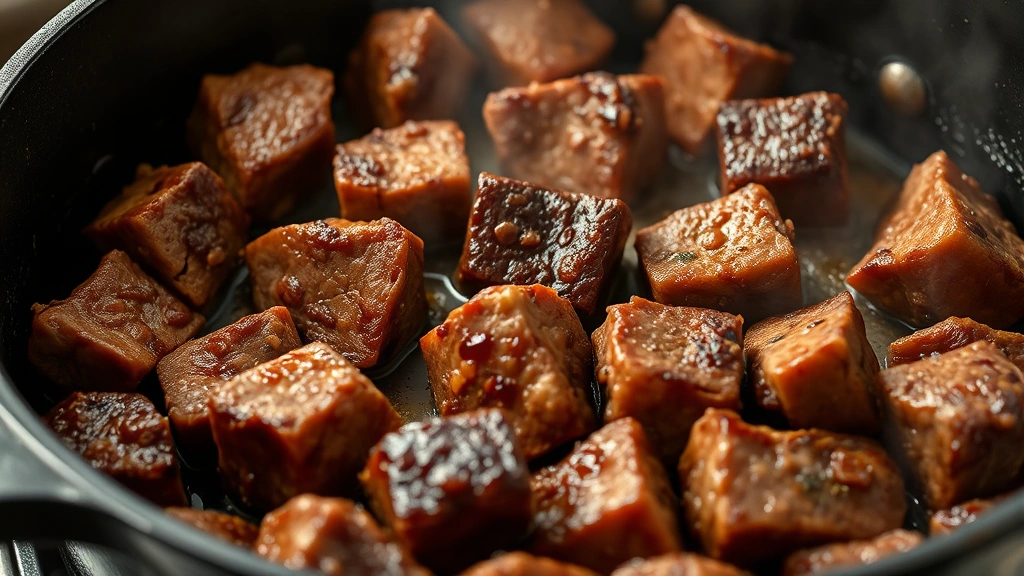
Browning beef is perhaps the most critical step in creating exceptional stovetop beef stew. This process, called the Maillard reaction, develops complex flavor compounds that give beef stew its characteristic depth and richness. Many home cooks skip or rush this step, which results in flat, uninspiring stew. Professional chefs understand that proper browning separates mediocre stew from extraordinary stew.
Heat your Dutch oven or heavy-bottomed pot over medium-high heat for 2-3 minutes. Add 1 tablespoon of olive oil and allow it to shimmer but not smoke. Working in batches to avoid overcrowding, add beef cubes in a single layer. Resist the urge to stir immediately; let the meat sit undisturbed for 3-4 minutes to develop a deep brown crust. Stir the beef, then cook for another 2-3 minutes on the remaining sides.
Transfer browned beef to a clean plate and repeat with remaining batches, adding additional olive oil as needed. Don’t worry if some fond (browned bits) stick to the pot bottom—this concentrated flavor will be incorporated into your braising liquid. The entire browning process takes 15-20 minutes but creates the flavor foundation that makes your stew memorable.
Creating the Perfect Braising Liquid
After browning the beef, reduce heat to medium and add your diced onions, carrots, and celery to the same pot. Stir frequently for 5-7 minutes until vegetables begin to soften and release their aromatic compounds. Add minced garlic and cook for 1 minute, stirring constantly to prevent burning. The garlic will perfume the entire pot and create an aromatic foundation.
Add tomato paste and stir constantly for 2 minutes. This step is crucial because tomato paste needs to caramelize slightly in the hot pot, which intensifies its umami properties and prevents a raw tomato flavor in the finished stew. The tomato paste should darken slightly and stick to the pot bottom.
Pour in your red wine slowly, stirring to dissolve the fond from the pot bottom. This process, called deglazing, incorporates all the flavorful browned bits into your braising liquid. Let the wine reduce for 3-4 minutes, allowing some of the alcohol to evaporate while concentrating the flavor. Add beef broth, bay leaves, thyme sprigs, Worcestershire sauce, and balsamic vinegar. Stir thoroughly to combine all ingredients.
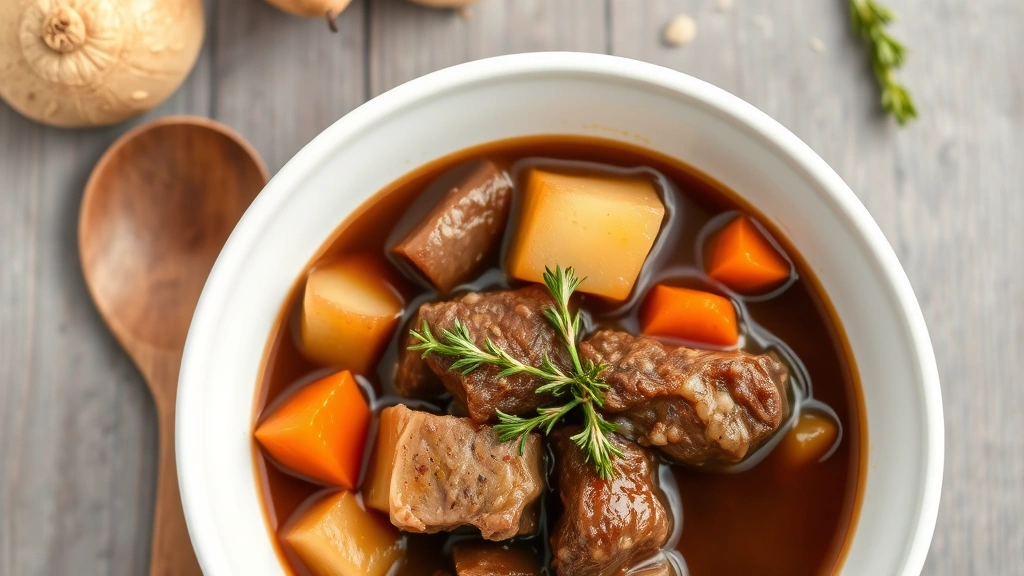
Return the browned beef to the pot, stirring to submerge the meat in liquid. The liquid should cover the beef by about three-quarters; add additional broth if necessary. Bring the mixture to a gentle simmer, then reduce heat to low. Your goal is a bare simmer where only occasional bubbles break the surface—vigorous boiling will toughen the meat and cause excessive evaporation.
Vegetables and Aromatics: Timing Matters
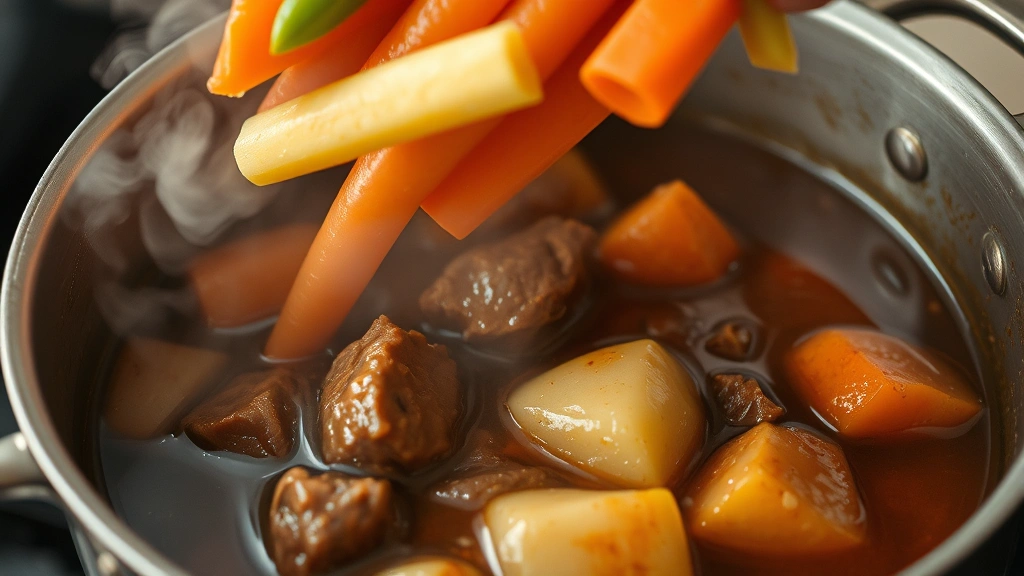
Timing vegetable addition is essential for achieving the perfect texture in your stovetop beef stew. Hard vegetables like potatoes and carrots require more cooking time than softer vegetables like mushrooms and peas. Adding all vegetables simultaneously results in mushy carrots and undercooked potatoes.
During the first 1.5 hours of simmering, the pot should contain only beef, aromatics, and braising liquid. This allows the meat to begin tenderizing without vegetable interference. After 1.5 hours, add your potatoes and carrots, which require approximately 45-60 minutes of cooking. These vegetables should reach fork-tender doneness around the same time the beef finishes cooking.
Add mushrooms, peas, or other delicate vegetables during the final 15-20 minutes of cooking. This timing prevents them from becoming mushy while ensuring they’re heated through and infused with stew flavors. If you’re incorporating Greek recipes influences, consider adding olives and fresh herbs like oregano during the final minutes.
For more complex flavor profiles inspired by international cuisine, such as Peruvian food recipes, you might add traditional spices or ingredients that complement beef stew. Cumin, smoked paprika, or even a touch of cinnamon can elevate your stew in unexpected ways.
Stovetop Cooking Technique and Temperature Control
Maintaining proper temperature throughout the cooking process is fundamental to stovetop beef stew success. After bringing your stew to a simmer, reduce heat to the lowest setting that maintains a gentle simmer. The surface should show only occasional bubbles, and steam should rise gently rather than vigorously. This low-and-slow approach allows collagen in the beef to convert to gelatin, creating a silky mouthfeel and tender texture.
Total cooking time for beef stew is typically 2-2.5 hours from the time you add the browned beef to the braising liquid. However, this varies based on beef cube size, your specific stove, and the size of your pot. Rather than relying on time alone, test beef tenderness at the 1.5-hour mark by piercing a piece with a fork. It should break apart easily without resistance.
Keep the pot partially covered during cooking. A fully covered pot can cause excessive condensation and create a watery stew, while an uncovered pot allows too much evaporation. A partially covered pot—with the lid slightly ajar—provides the ideal balance, allowing some steam to escape while maintaining moisture.
Stir your stew occasionally, approximately every 30 minutes, to ensure even cooking and prevent sticking on the pot bottom. This gentle stirring also helps distribute flavors throughout the dish. If you notice the liquid level dropping significantly, add additional broth to maintain adequate braising liquid.
Thickening Your Stew: Methods and Tips
A properly made beef stew should have a naturally thickened consistency from the collagen converted to gelatin, but you may want additional body. Professional chefs employ several thickening methods, each with distinct advantages.
Cornstarch Slurry Method: Mix 2 tablespoons cornstarch with 3 tablespoons cold water until smooth. During the final 10 minutes of cooking, slowly pour the slurry into your simmering stew while stirring constantly. The stew will thicken noticeably within 2-3 minutes. This method produces a glossy finish and works quickly.
Flour Roux Method: Some chefs prefer creating a beurre manié (butter-flour paste) by mixing 2 tablespoons softened butter with 2 tablespoons flour. Drop small pieces into the simmering stew while whisking gently. This method adds richness and creates a velvety texture. Allow 5-10 minutes for full thickening.
Natural Reduction Method: If your stew is too thin, simply simmer uncovered for 15-20 minutes, allowing excess moisture to evaporate. This method concentrates flavors while thickening the stew naturally. It’s the preferred method for chefs who want pure beef stew flavor without starch additions.
Potato Starch Method: Mash one of your cooked potatoes and stir it into the stew. The potato releases starch, thickening the liquid while adding subtle flavor. This method is economical and uses ingredients already in your pot.
Flavor Enhancement and Final Adjustments
Before serving, taste your stovetop beef stew and adjust seasonings carefully. Salt enhances all flavors, so add it gradually and taste after each addition. Freshly ground black pepper adds peppery notes that complement beef beautifully. A squeeze of fresh lemon juice brightens heavy flavors, while additional balsamic vinegar adds depth and subtle sweetness.
Some chefs finish their stew with a splash of red wine or a drizzle of quality olive oil to add complexity. Others incorporate fresh herbs like parsley or chives immediately before serving for fresh, vibrant notes. If you’ve made your stew a day ahead, flavors will have melded and deepened—this is actually preferable to serving immediately.
For enhanced umami, stir in 1 teaspoon soy sauce or fish sauce in the final minutes. These additions are subtle but create a savory depth that elevates your stew from good to exceptional. A pinch of fresh thyme or rosemary added at the end provides aromatic brightness.
Consider serving your beef stew with crusty bread for soaking up the delicious braising liquid, egg noodles for a classic pairing, or creamy mashed potatoes for comfort food perfection. A simple green salad or seasonal fall recipes side dish balances the rich, hearty nature of beef stew.
Storage and Reheating: Beef stew actually improves after a day in the refrigerator as flavors continue developing. Store in an airtight container for up to 4 days, or freeze for up to 3 months. Reheat gently on the stovetop over low heat, adding a splash of broth if the stew has thickened excessively during storage. Avoid boiling, which can toughen the beef.
FAQ
How long does stovetop beef stew take to cook?
Stovetop beef stew typically requires 2-2.5 hours of cooking time after the initial browning phase. This includes about 1.5 hours for the beef to become tender before adding vegetables. Total time from start to finish, including prep, is approximately 3-3.5 hours.
Can I use a different cut of beef for stew?
While chuck roast is ideal, you can substitute beef shoulder, brisket, or even beef shank. Avoid tender cuts like sirloin or filet mignon, which become tough when braised. Fattier cuts with more connective tissue produce the best results.
What if my beef stew is too thin?
You have several options: simmer uncovered for 15-20 minutes to reduce and concentrate, use a cornstarch slurry for quick thickening, create a beurre manié, or mash a cooked potato into the stew. Each method works effectively depending on your preference.
Can I make beef stew in advance?
Absolutely! Beef stew improves when made a day or two ahead. The flavors continue developing, and the stew naturally thickens as it cools. Store in the refrigerator for up to 4 days or freeze for 3 months. Reheat gently on the stovetop.
Should I cover the pot while cooking beef stew?
Keep the pot partially covered during cooking. A fully covered pot creates excessive condensation, while an uncovered pot allows too much evaporation. Partially covering provides the ideal balance for maintaining moisture and allowing gentle steam release.
What wine is best for beef stew?
Use a dry red wine you’d enjoy drinking, such as Burgundy, Côtes du Rhône, or Pinot Noir. Avoid expensive wines—a mid-range bottle works perfectly. The wine should contribute acidity and subtle fruit notes without overwhelming the beef flavors.
Can I cook beef stew on high heat to save time?
No. High heat toughens the beef and causes excessive evaporation. Low, gentle heat allows collagen to convert to gelatin, creating tender, succulent meat. The slow cooking process is essential to the final quality.
How do I know when beef is done in stew?
Pierce a beef cube with a fork around the 1.5-hour mark. It should break apart easily without resistance. If it’s still tough, continue cooking and check again in 15-20 minutes. Properly cooked beef stew meat practically melts in your mouth.


