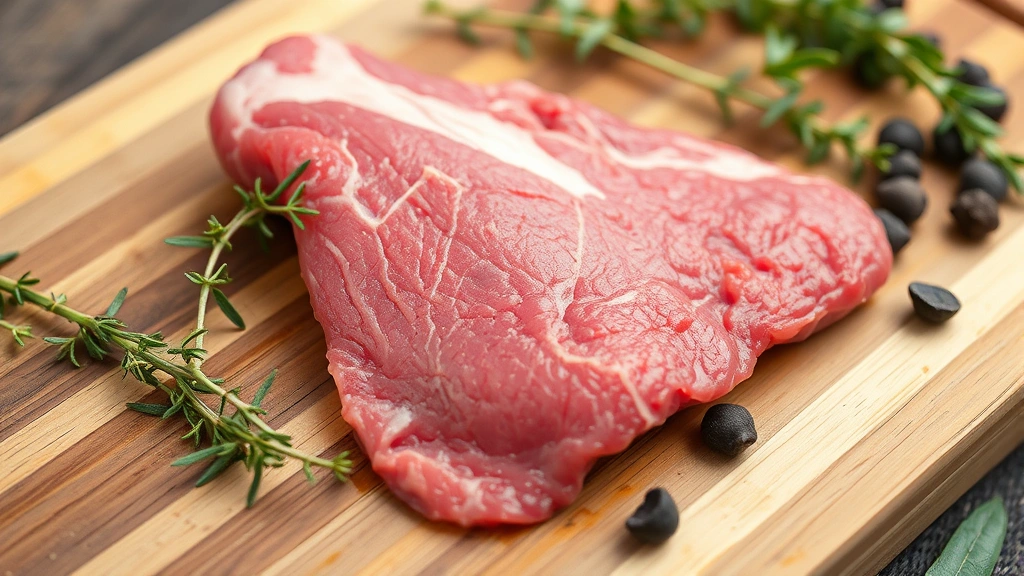
Tender Beef Tongue? Grandma’s Secret Method
Beef tongue has been a cherished delicacy across cultures for centuries, yet many home cooks shy away from preparing it. The intimidating appearance and unfamiliar texture often deter people from discovering how incredibly tender and flavorful this cut can become when prepared correctly. Grandma’s secret method reveals that the key to perfect beef tongue lies not in complicated techniques, but in understanding the science of slow cooking, proper seasoning, and patient preparation.
This traditional approach has been passed down through generations of skilled cooks who understood that beef tongue requires a gentle hand and adequate time to break down its connective tissue. What makes this method special is the combination of low-heat braising, strategic aromatics, and a finishing technique that transforms a tough, intimidating cut into fork-tender slices that melt in your mouth. Whether you’re exploring slow cooker methods for tender proteins or curious about traditional nose-to-tail cooking, this guide will walk you through every step.
Why Beef Tongue Deserves Your Attention
Beef tongue is one of the most nutrient-dense cuts available, packed with protein, iron, zinc, and B vitamins. The muscle structure of tongue is uniquely different from other beef cuts because it contains finely interspersed fat and connective tissue that, when properly cooked, creates an incredibly succulent texture. This isn’t just about nutrition—it’s about flavor complexity that rivals premium steaks.
The taste profile is distinctive: richer and more delicate than typical beef, with a subtle sweetness that develops during the cooking process. Many chefs and food enthusiasts consider properly prepared beef tongue to be one of the most underrated proteins available. When you master slow-cooked tender vegetable preparations, you develop the same patience needed for beef tongue success.
What separates grandma’s method from other approaches is the understanding that beef tongue requires adequate moisture, consistent low heat, and time for enzymatic breakdown. Unlike quick-cooking methods that result in rubbery texture, slow braising allows collagen to convert to gelatin, creating that signature melt-in-your-mouth quality.
Selecting and Preparing Your Beef Tongue
The first step toward success begins at the butcher counter. Look for beef tongues that are firm, with a vibrant pink or purple color and no discoloration or soft spots. A fresh beef tongue typically weighs between 2 to 4 pounds, with 3 pounds being ideal for family meals. Ask your butcher if the tongue has been cleaned—many will remove the outer membrane for you, saving significant preparation time.
If you’re working with an uncleaned tongue, don’t worry. Cleaning is straightforward: place the tongue in boiling water for 2-3 minutes, then remove and let cool slightly. The outer skin will peel away easily under running water with gentle rubbing. Remove any remaining debris or fatty deposits from the base. This initial blanching also helps reduce any strong flavors and ensures better texture in the final dish.
Pat the cleaned tongue completely dry with paper towels. Moisture on the surface prevents proper browning during the searing step. Season generously with kosher salt and freshly ground black pepper on all sides, allowing the seasoning to penetrate for at least 15 minutes before cooking. This resting period helps the meat absorb flavors more effectively.
Prepare your aromatics while the tongue seasons. You’ll need roughly chopped onions, carrots, and celery—the classic mirepoix base that forms the foundation of any proper braise. Add smashed garlic cloves, fresh thyme sprigs, bay leaves, and peppercorns. These aromatics will infuse the braising liquid with deep, complex flavors that enhance the natural beef taste. If you enjoy vegetable-forward cooking, explore roasted vegetable techniques to expand your aromatic preparation skills.
Grandma’s Secret Braising Method
The foundation of grandma’s method is a flavorful braising liquid that does two crucial jobs: it provides moisture for slow cooking and infuses the tongue with complementary flavors. The traditional liquid combines beef broth, red wine, and tomato paste in specific proportions that create the perfect balance of savory depth and subtle acidity.
For a 3-pound tongue, use 4 cups of quality beef broth, 1 cup of dry red wine (or additional broth for alcohol-free versions), and 2 tablespoons of tomato paste mixed into the broth. The tomato paste adds umami and helps tenderize the meat through its natural acids. Some cooks add a splash of apple cider vinegar or balsamic vinegar for additional depth—this is optional but highly recommended.
The secret ingredient that many overlook is a piece of kombu (dried kelp) or a splash of fish sauce. These add umami complexity without announcing their presence. Just a small piece of kombu (about 2 inches) contributes profound savory notes that elevate the entire dish. This technique mirrors advanced slow-cooked protein preparation methods used in contemporary cooking.
Layer your braising vessel strategically. Start with half the aromatic vegetables on the bottom, creating a bed that prevents direct contact between the tongue and the pot. This prevents sticking and ensures even heat distribution. Place the seared tongue on top of the vegetables, then arrange remaining aromatics around and partially over the meat. Pour the prepared braising liquid over everything until the tongue is about three-quarters submerged. The liquid should come up the sides but not completely cover the top, allowing the exposed portion to braise in steam.
The Cooking Process Step-by-Step
Step 1: Sear for Flavor Development
Heat a heavy-bottomed Dutch oven or braising pan over medium-high heat. Add 2 tablespoons of neutral oil (avocado or grapeseed work well). Once the oil shimmers, carefully place the seasoned beef tongue in the pan. Resist the urge to move it—let it develop a golden-brown crust for 3-4 minutes on each side. This Maillard reaction creates complex flavors that form the backbone of the final dish. Don’t skip this step, even though the tongue will eventually braise for hours. The initial sear is non-negotiable for depth of flavor.
Once seared on all sides, remove the tongue and set aside. This entire process should take about 12-15 minutes.
Step 2: Build Aromatic Base
In the same pot with the rendered beef fat, add your chopped onions, carrots, and celery. Sauté for 5-7 minutes until they begin to soften and release their aromatics. You’re not trying to fully cook these vegetables—you’re releasing their flavors into the fat. Add minced garlic and tomato paste, stirring constantly for 1-2 minutes until fragrant. This creates a flavorful base layer that will infuse every molecule of the braising liquid.
Step 3: Deglaze and Build Liquid
Pour in your red wine, scraping the bottom of the pot with a wooden spoon to release all the browned bits. These fond particles contain concentrated flavor compounds essential to the final result. Let the wine reduce by half, about 3-4 minutes. Then add your beef broth, additional aromatics (thyme, bay leaves, peppercorns), and any optional umami boosters. Stir everything together.
Step 4: Return Tongue and Braise
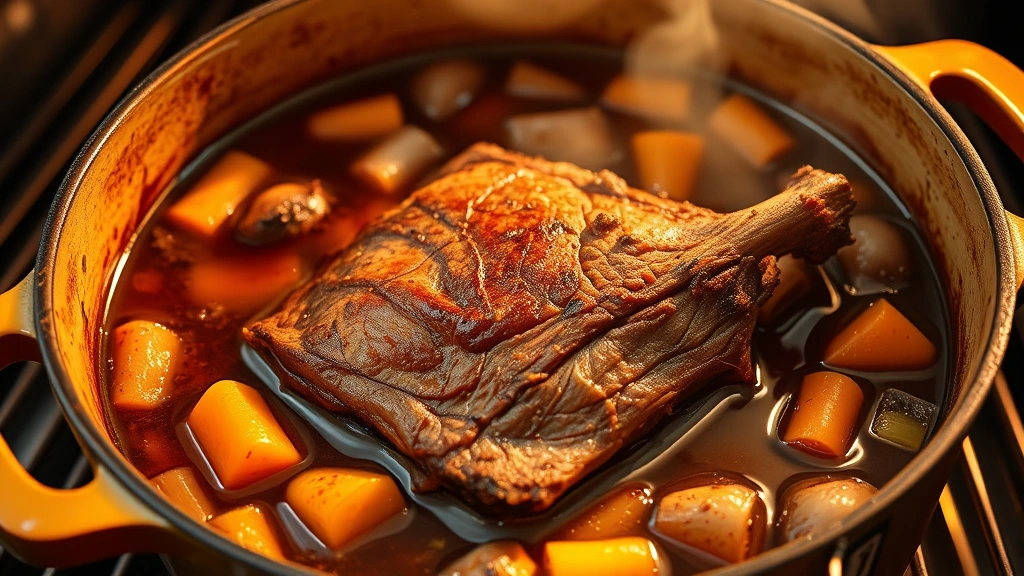
Place the seared tongue back into the pot, nestled among the vegetables. Cover with a lid and transfer to a preheated 325°F oven. This low, gentle temperature is crucial—boiling temperature would result in tough, stringy meat. The oven’s even heat distribution ensures consistent cooking throughout the tongue without hot spots that cause uneven texture.
Braise for 3 to 3.5 hours. The exact time depends on the tongue’s thickness and your specific oven. You’ll know it’s done when a fork easily pierces the meat with minimal resistance. The surface should look slightly shiny from rendered collagen turned to gelatin.
Finishing Techniques for Maximum Tenderness
Once the tongue reaches perfect tenderness, carefully remove it from the braising liquid and place on a cutting board. Let it rest for 10 minutes—this allows the muscle fibers to relax and retain their juices when sliced. While it rests, strain the braising liquid through a fine-mesh sieve, discarding the spent vegetables and aromatics.
Return the strained braising liquid to the pot and place over medium-high heat. Let it reduce by half, concentrating the flavors into a rich sauce. This reduction process typically takes 15-20 minutes and transforms the braising liquid into something truly special—a glossy, intensely flavored sauce that clings to each slice of tongue.
Slice the tongue against the grain into quarter-inch thick pieces. The grain in tongue runs vertically from the base, so you’ll be slicing horizontally. This is crucial—cutting with the grain results in chewy, stringy slices, while slicing against the grain creates tender, melt-in-your-mouth pieces. If you enjoy learning about proper slicing techniques, explore protein preparation and carving methods used in professional kitchens.
Arrange the sliced tongue on a serving platter and pour the reduced sauce over the top. Many cooks finish with a knob of butter whisked into the sauce for richness, plus a squeeze of fresh lemon juice for brightness. Fresh parsley and thinly sliced red onion provide color contrast and palate-cleansing acidity.
Serving Suggestions and Pairings
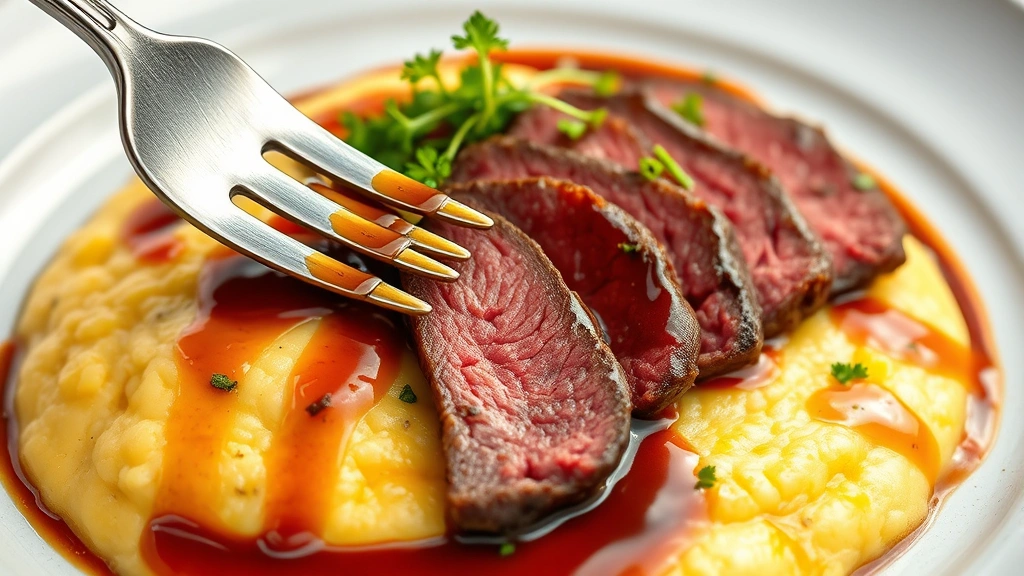
Beef tongue’s rich, delicate flavor pairs beautifully with bold, acidic accompaniments. Creamy polenta provides a luxurious base that complements the tender meat without competing for attention. Serve the tongue and its sauce spooned over the polenta for an elegant presentation.
Root vegetable purees—such as celery root, parsnip, or potato—offer earthy counterpoints to the meat’s subtle sweetness. Horseradish cream is a traditional pairing that cuts through the richness with sharp, clean heat. Pickled vegetables like prepared radish preparations provide refreshing crunch and acidity.
For wine pairings, consider medium-bodied reds like Pinot Noir or Côtes du Rhône. These wines have enough acidity to complement the rich meat without overpowering its delicate flavor. Earthy wines with mushroom or forest floor notes echo the umami elements in the braising liquid beautifully.
Traditionally, beef tongue is served as a main course with simple vegetable sides. Braised greens like kale or chard work wonderfully, as does a simple green salad with vinaigrette. The key is allowing the tongue to remain the star while providing supporting flavors that enhance rather than distract.
Storage and Make-Ahead Tips
One of the greatest advantages of grandma’s method is that beef tongue actually improves when made ahead. The flavors meld and deepen as it sits, making this the perfect dish for advance preparation. Store the cooled tongue in its braising liquid in an airtight container in the refrigerator for up to 5 days. The gelatin from the cooking process will set into a light jelly as it cools—this is exactly what you want.
To reheat, gently warm the tongue and sauce in a low oven (300°F) for about 20 minutes, or on the stovetop over low heat. Never use high heat for reheating, as this can toughen the meat. The slow, gentle warmth preserves the tender texture you worked so hard to achieve.
Beef tongue also freezes exceptionally well. Cool completely, then transfer to a freezer-safe container with enough braising liquid to cover the meat. It will keep frozen for up to 3 months. Thaw overnight in the refrigerator before reheating. The frozen-then-thawed texture remains tender and delicious.
For meal prep, consider slicing the tongue before storing. Arrange slices in a container with the braising liquid, making reheating even quicker. Individual portions can be warmed in the microwave in about 2 minutes, perfect for busy weeknight dinners after the initial cooking investment.
FAQ
How do I know when beef tongue is fully cooked?
The most reliable test is the fork-tender method: a fork should easily pierce the meat with minimal resistance. The surface will appear slightly shiny and moist from rendered collagen. If you want objective confirmation, the internal temperature should reach 190-200°F, measured with an instant-read thermometer inserted at the thickest point. At this temperature, the collagen has fully converted to gelatin, creating the desired tender texture.
Can I make this in a slow cooker instead of the oven?
Absolutely. After searing the tongue and building your aromatic base in a skillet, transfer everything to a slow cooker set on low. Cook for 6-8 hours, depending on your slow cooker’s intensity. The low, moist environment of a slow cooker is actually ideal for beef tongue. You may want to reduce the braising liquid slightly less since slow cookers produce more condensation. Check for tenderness at the 6-hour mark.
What if I can’t find beef tongue at my regular grocery store?
Most butcher shops and specialty meat markets carry beef tongue, often requiring advance notice. Many grocery store butchers can special-order it. Ethnic markets, particularly those serving Latin American, Eastern European, or Asian communities, frequently stock fresh beef tongue. Don’t hesitate to ask your butcher to source one for you—it’s a standard request in the industry.
Is beef tongue safe to eat, and where does it come from?
Beef tongue is absolutely safe and is one of the most nutrient-dense beef cuts available. It comes from cattle and has been consumed globally for centuries. The tongue is a muscle that benefits from slow cooking due to its structure. Proper cooking to 190-200°F internal temperature ensures food safety, just as with any beef product.
Can I use the braising liquid for other dishes?
Definitely. The reduced braising liquid is liquid gold in the kitchen. Use it as a rich sauce for roasted vegetables, as a base for beef soup, or as a braising medium for other tough cuts. You can even freeze it in ice cube trays for future cooking. Some cooks strain and clarify it to create a beautiful beef consommé. Never discard this flavorful liquid.
What’s the difference between beef tongue and ox tongue?
Beef tongue comes from cattle (typically younger animals), while ox tongue comes from mature cattle. Ox tongue is generally larger and may require slightly longer cooking times. The cooking method remains identical. Ox tongue often has a more pronounced beef flavor due to the animal’s age. Both respond beautifully to grandma’s braising method.


