Fluffy Pound Cake? Grandma’s Secret Recipe for the Best Pound Cake
There’s something magical about a slice of truly fluffy pound cake—the kind that melts on your tongue and keeps you coming back for just one more bite. My grandmother guarded her pound cake recipe like a precious heirloom, and for good reason. After years of watching her bake in her kitchen, I finally cracked the code to what makes her version so incredibly light and tender compared to the dense, heavy pound cakes most people remember from childhood.
The secret to the best pound cake recipe isn’t complicated, but it does require understanding a few key baking principles that separate ordinary cakes from extraordinary ones. Whether you’re preparing dessert for a family gathering or simply want to impress yourself with homemade baked goods, this guide will walk you through every step to achieve that coveted fluffy texture that makes people ask for your recipe.
Unlike dense, traditional pound cakes that rely on equal weights of butter, sugar, eggs, and flour, my grandmother’s method incorporates techniques that introduce air and moisture into the batter, resulting in a cake that’s both rich and impossibly light. The combination of proper creaming, egg technique, and ingredient selection creates a crumb structure that’s tender without being fragile.
The Science Behind Fluffy Pound Cake
Understanding what creates that desirable fluffy texture helps you master this recipe and adapt it confidently. Traditional pound cakes were named for their ingredient proportions—one pound each of butter, sugar, eggs, and flour. While authentic, this formula produces a denser cake that’s more about richness than lightness.
The transformation from dense to fluffy happens through air incorporation. When you cream butter and sugar together properly, you’re not just mixing them—you’re creating thousands of tiny air bubbles that get trapped in the fat. These bubbles expand during baking, creating lift and a tender crumb. Additionally, separating eggs and folding in whipped egg whites at the end introduces extra air without overdeveloping gluten, which would make the cake tough.
Temperature control is another crucial factor. Room-temperature ingredients blend more easily, creating a more homogeneous batter. Cold butter requires more mixing, which can develop gluten in the flour and create a dense texture. Conversely, warm batter can cause premature expansion of those air bubbles you worked so hard to create.
The acidic ingredient—whether buttermilk, sour cream, or a combination—reacts with baking soda to create additional lift while also tenderizing the crumb by breaking down gluten strands. This is why my grandmother swore by using both baking soda and baking powder, plus a touch of sour cream or buttermilk.
Essential Ingredients and Why They Matter
For the best pound cake recipe, ingredient quality and selection make an enormous difference. Here’s what you’ll need and why each component is essential:
- Butter (2 cups, unsalted): Use real butter, not margarine or oil. Butter contains water and milk solids that contribute to texture and flavor. Unsalted gives you control over salt content.
- Granulated sugar (2 cups): Sugar creams with butter to incorporate air. It also adds moisture and helps create a tender crumb.
- Eggs (6 large, room temperature): Eggs provide structure, moisture, and richness. Room temperature eggs blend more thoroughly. Separate 3 eggs for whipping the whites.
- All-purpose flour (3 cups): Measured by spooning and leveling, not scooping. Too much flour creates a dense cake.
- Sour cream (1 cup): Adds moisture, tenderness, and subtle tang that enhances vanilla flavor.
- Baking soda (1 teaspoon): Reacts with sour cream to create lift and tender crumb.
- Baking powder (½ teaspoon): Provides additional lift independent of acid.
- Vanilla extract (2 teaspoons): Pure vanilla, never imitation. This is where grandmother never compromised.
- Salt (½ teaspoon): Enhances all flavors and strengthens gluten structure slightly.
- Lemon zest (1 teaspoon, optional): Brightens flavor without making the cake taste like lemon.
The ratio of acid (sour cream) to base (baking soda) is precisely balanced to create maximum lift without leaving a soapy taste. Using only baking powder would result in a less fluffy cake, while too much baking soda without sufficient acid would create an unpleasant flavor.
Step-by-Step Instructions for Perfect Results
Follow these steps carefully for consistent, beautiful results every time:
- Preparation is crucial: Preheat your oven to 325°F (165°C). Grease and flour a 10-inch bundt pan or two 9-inch loaf pans thoroughly. Use softened butter to grease, then dust with flour, tapping out excess. Line the bottom with parchment paper for extra insurance against sticking.
- Bring ingredients to room temperature: Remove butter and eggs from the refrigerator 30-45 minutes before baking. Separate 3 eggs, keeping whites and yolks separate. All 3 remaining whole eggs should be room temperature too.
- Combine dry ingredients: In a medium bowl, whisk together flour, baking soda, baking powder, salt, and lemon zest if using. Set aside. Don’t skip sifting or whisking—this incorporates air into the flour and ensures even distribution of leavening agents.
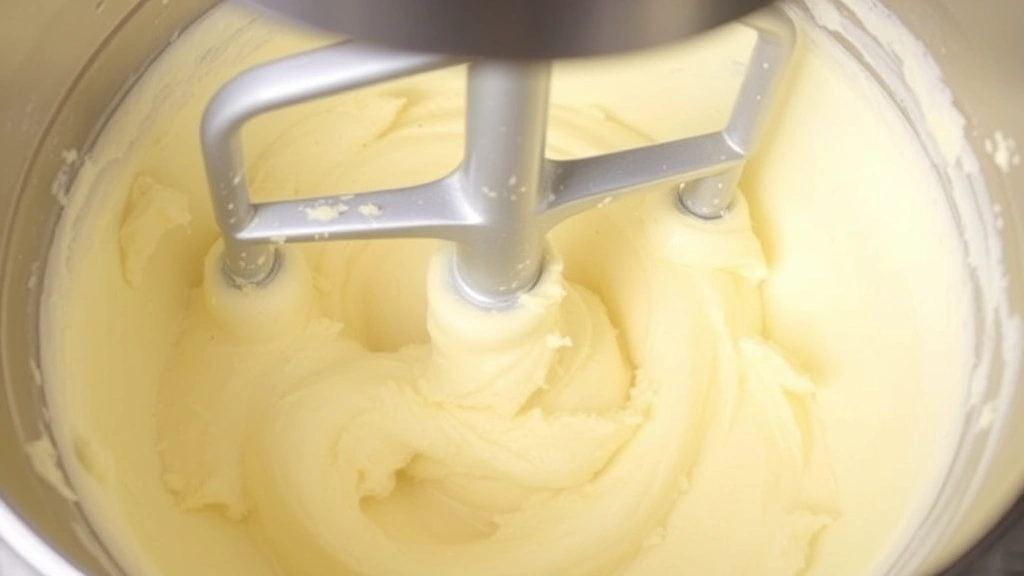
- Begin creaming: In a large bowl using an electric mixer, beat softened butter on medium speed for 2-3 minutes until pale and fluffy. This is the foundation of your fluffy cake, so don’t rush this step. Scrape down the bowl frequently.
- Add sugar gradually: With the mixer running on medium speed, gradually add granulated sugar over 2-3 minutes. Continue beating for another 3-4 minutes after all sugar is added. The mixture should be noticeably lighter in color, almost white, and increased in volume by 50-75%.
- Add egg yolks: Add the 6 whole eggs plus 3 egg yolks one at a time, beating well after each addition. After adding each egg, scrape down the bowl. This takes about 3-4 minutes total. The mixture should look creamy and slightly curdled at this point—that’s normal.
- Add vanilla: Pour in vanilla extract and beat for 30 seconds to combine.
- Alternate wet and dry ingredients: This is where technique matters. Starting and ending with flour prevents overmixing. Add ⅓ of the flour mixture, beat on low speed for about 30 seconds until just combined. Add half the sour cream, beat for 30 seconds. Repeat: ⅓ flour, remaining sour cream, final ⅓ flour. After the last flour addition, beat for just 30 more seconds. Overmixing at this stage develops gluten and deflates air bubbles.
- Whip egg whites: In a separate bowl, using clean beaters, whip the 3 reserved egg whites on high speed until stiff peaks form, about 3-4 minutes. This adds significant volume and lightness to your cake.
- Fold in egg whites: Gently fold the whipped egg whites into the batter in two additions using a rubber spatula. Use a gentle folding motion—cut down the center, sweep across the bottom, and fold over the top. Rotate the bowl and repeat. Don’t stir or overmix. Some white streaks are acceptable; you’re preserving those precious air bubbles.
- Pour into prepared pan: Transfer batter to your prepared pan, smoothing the top. The batter should be thick but pourable.
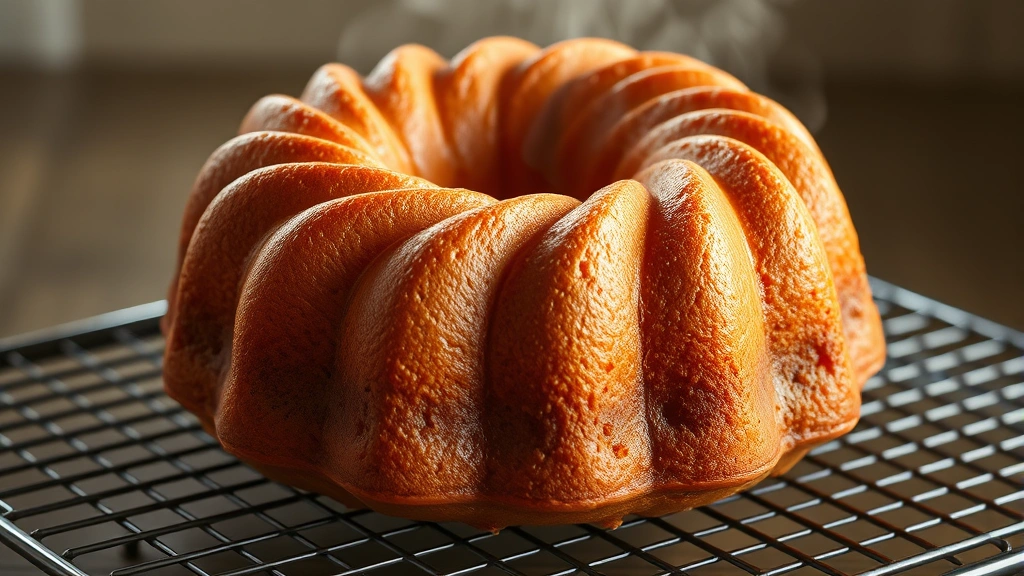
- Bake: Place in the preheated 325°F oven. Bake for 65-75 minutes for a bundt pan, or 60-65 minutes for loaf pans. The cake is done when a toothpick inserted near the center comes out with just a few moist crumbs, not wet batter. The top should be golden brown and spring back when lightly touched.
- Cool properly: Let the cake cool in the pan for 15 minutes. Run a thin knife around the edges and invert onto a cooling rack. Let cool completely before frosting or serving—at least 2 hours.
The Creaming Method Explained
The creaming method is absolutely central to achieving a fluffy pound cake. This technique deserves its own explanation because it’s where most home bakers falter.
When you beat softened butter and sugar together, you’re creating an emulsion—a stable suspension of tiny sugar crystals and air bubbles in fat. The mixer’s action breaks down the butter into smaller particles, and the friction generates heat. Sugar crystals are sharp-edged and help physically break down the butter, while also dissolving slightly into the fat.
This process typically takes 5-7 minutes total—3 minutes of creaming butter alone, then 4 minutes after adding sugar. You’ll notice the mixture transforms from a dense, yellow paste to a fluffy, pale mixture that has increased in volume. This visible change indicates successful air incorporation.
Temperature matters tremendously. Butter at 65-70°F creams best. If it’s too cold (below 60°F), it won’t break down properly and requires excessive mixing that generates heat. If it’s too warm (above 75°F), it’s too soft to hold air bubbles effectively. Ideally, let butter sit at room temperature for 30-45 minutes.
The type of mixer affects results too. Stand mixers with paddle attachments work beautifully for this recipe. Hand mixers work but require more time and effort. Food processors are too aggressive and can incorporate too much air too quickly.
Baking Tips and Tricks
My grandmother shared these professional techniques that elevate pound cake from good to exceptional:
- Use cake flour for even more tenderness: Replace ¼ cup of all-purpose flour with cake flour for an even softer crumb. Cake flour has lower protein content, resulting in less gluten development.
- Add a pinch of almond extract: Just ¼ teaspoon of almond extract enhances vanilla without making the cake taste like almonds. It deepens the vanilla flavor beautifully.
- Ensure pan preparation is flawless: A stuck cake is a tragedy. Use butter to grease (it adheres better than cooking spray), flour thoroughly, and consider parchment paper for extra security.
- Use an oven thermometer: Many home ovens run hot or cold. A $10 oven thermometer ensures your 325°F is actually 325°F, not 350°F, which would cause the cake to dome and crack.
- Bake in the lower-middle rack position: This ensures even heat distribution and prevents the top from browning too quickly before the interior sets.
- Avoid opening the oven door: Every time you open it, heat escapes and the cake can sink. Wait until at least 50 minutes have passed before checking.
- Invest in quality ingredients: This is where you shouldn’t compromise. Real butter, pure vanilla, and fresh eggs make a tangible difference.
- Let cake cool completely: Serving warm pound cake is tempting but results in a gummy texture. The crumb needs time to set as it cools.
For serving alongside a meal, consider pairing your pound cake with fresh fruit or a simple veggie dip recipe for contrast, or enjoy it as the star dessert after a light dinner like healthy tuna salad recipe.
Troubleshooting Common Problems
Even experienced bakers encounter issues. Here’s how to solve them:
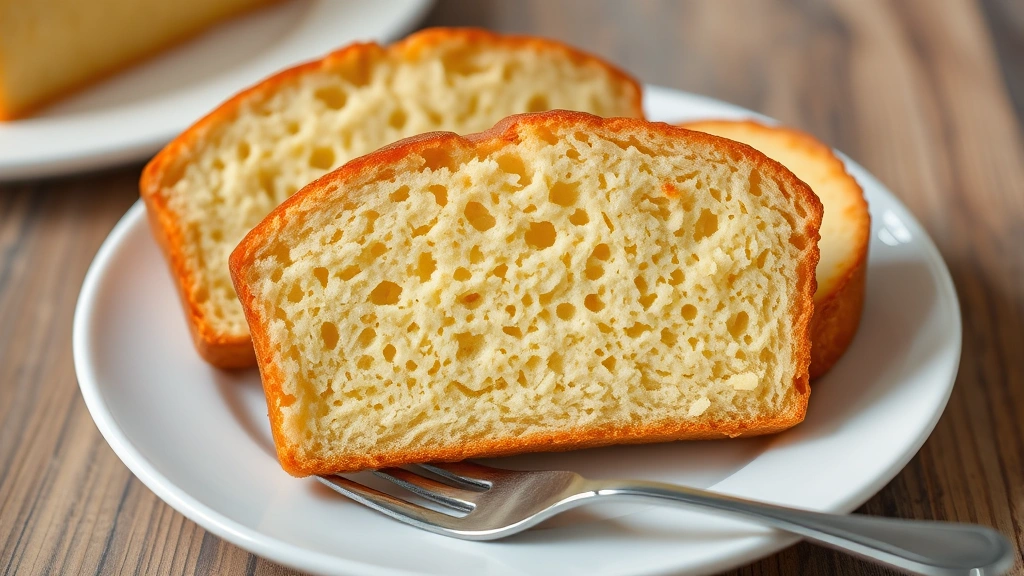
- Cake is dense and heavy: This usually indicates insufficient creaming time or overmixing after flour is added. The second most common cause is using cold ingredients. Always cream for the full time specified and mix on low speed after adding flour.
- Cake domes or cracks on top: Your oven is too hot. Lower temperature to 320°F and bake slightly longer. A doming cake rises too quickly, then cracks as it sets.
- Cake sinks in the middle: Underbaking is the culprit. The center needs to reach 205-210°F internally. Use a meat thermometer to verify. Also check that your oven temperature is accurate.
- Cake is dry: Overbaking causes this. Check doneness starting at 60 minutes. Remember, a toothpick with a few moist crumbs is perfect—don’t bake until completely clean. Also ensure you’re not using too much flour; measure by spooning and leveling.
- Cake has large holes or tunnels: This indicates overmixing or too much baking soda. Mix on low speed after adding flour and verify your leavening measurements.
- Cake tastes soapy: You likely have too much baking soda. The ratio of baking soda to sour cream is critical. Too much baking soda without sufficient acid creates this unpleasant flavor.
- Cake sticks to the pan: Ensure you greased thoroughly, especially the center tube of a bundt pan. Let cool 15 minutes but not longer—if it cools too much, it adheres to the pan permanently.
Variations and Flavor Ideas
Once you’ve mastered the basic fluffy pound cake, you can explore variations while maintaining that coveted tender crumb:
- Citrus versions: Increase lemon zest to 2 teaspoons, or try orange zest. Add 1 tablespoon of fresh lemon or orange juice to the batter. The acid helps tenderize further.
- Spiced pound cake: Add ½ teaspoon each of ground cinnamon, nutmeg, and allspice. These warm spices pair beautifully with the vanilla base.
- Coconut pound cake: Replace ¾ cup flour with unsweetened coconut flour and add ¼ cup sweetened shredded coconut. Add ½ teaspoon coconut extract along with vanilla.
- Brown butter pound cake: Brown 2 cups butter before creaming with sugar. This adds a nutty, sophisticated flavor that elevates the entire cake.
- Marble pound cake: Divide batter in half. Mix 2 tablespoons unsweetened cocoa powder into one half. Layer alternately in the pan for a beautiful marbled effect.
- Glazed version: Mix 2 cups powdered sugar with 3 tablespoons fresh lemon juice and drizzle over cooled cake. Simple and elegant.
The versatility of this recipe means you can serve it in many contexts—as a simple afternoon snack, as part of a dessert spread alongside whiskey sour recipe for adult gatherings, or as the foundation for a more elaborate dessert. You might even crumble leftover pound cake to create a base for homemade granola bars recipe.
For weeknight dinners, balance a generous slice with lighter fare like feta pasta recipe as your main course. The richness of pound cake pairs well with simple, elegant meals.
FAQ
Can I use oil instead of butter?
Not recommended for this recipe. Butter contains water and milk solids that contribute to the specific crumb structure and flavor. Oil would create a different, greasier texture. Stick with real butter for the best results.
How long does pound cake keep?
Properly stored in an airtight container at room temperature, pound cake keeps for 4-5 days. Wrapped well and frozen, it lasts up to 3 months. Thaw at room temperature for several hours before serving.
Can I make this in advance?
Absolutely. Pound cake actually improves slightly after a day as flavors meld. Bake it a day ahead and store it covered. This also makes slicing cleaner since the cake is fully set.
What if I don’t have sour cream?
Greek yogurt works as a substitute in equal amounts. Regular yogurt is thinner, so use ¾ cup yogurt plus ¼ cup heavy cream. Buttermilk can replace sour cream using 1 cup buttermilk and reducing baking soda to ¾ teaspoon.
Why does my cake have a dense bottom layer?
This typically indicates the batter settled before baking or the oven temperature was too low. Ensure your oven is fully preheated and verify temperature with a thermometer. Also, don’t let batter sit in the pan more than 5 minutes before baking.
Can I double this recipe?
Yes, but bake in two pans rather than one. Doubling in a single pan results in uneven baking. Double all ingredients and divide between two prepared 10-inch bundt pans. Bake time remains similar, though check the second pan a few minutes earlier as pan size affects baking time.
Is there a best pound cake recipe for beginners?
This recipe is actually ideal for beginners because it’s forgiving and the steps are logical. The most important things to remember are: bring ingredients to room temperature, cream butter and sugar thoroughly, and fold gently to preserve air. Follow these three principles and you’ll succeed.


