Big Mac Salad Recipe: A Dietitian-Approved Twist on Fast Food Favorite
Craving that iconic Big Mac flavor without the guilt? A Big Mac salad delivers all the delicious taste you love while transforming it into a nutritious, satisfying meal that dietitians actually recommend. This clever recreation swaps the calorie-dense bun for crisp lettuce, maintains the signature special sauce, and packs in fresh vegetables that boost nutritional value. Whether you’re following a low-carb lifestyle, counting macros, or simply looking for healthier lunch ideas, this salad proves that fast food favorites can be reinvented into wholesome dishes.
The beauty of a Big Mac salad lies in its flexibility and ease of preparation. You can make it with ground beef, shredded chicken, or even plant-based alternatives, depending on your dietary preferences. Most home cooks can have this salad ready in under 20 minutes, making it perfect for meal prep, quick weeknight dinners, or impressive lunch boxes. Plus, the special sauce ties everything together with that unmistakable Big Mac essence that makes this salad genuinely crave-worthy.
Why Big Mac Salad Works as a Healthier Alternative
The traditional Big Mac contains approximately 550 calories, 30 grams of fat, and 46 grams of carbohydrates—mostly from refined bread. A Big Mac salad dramatically reduces these numbers while increasing fiber, vitamins, and minerals. By eliminating the bun and focusing on lettuce, vegetables, and lean protein, you create a meal that satisfies cravings while supporting your health goals.
Dietitians approve of this approach because it maintains dietary satisfaction. The special sauce provides flavor complexity that prevents the salad from tasting boring or restrictive. The cheese, beef, and pickles deliver the familiar taste profile that makes people actually enjoy eating healthier. This psychological component is crucial—sustainable eating habits develop when food tastes genuinely good, not like punishment.
Additionally, this salad format makes it easier to control portions and track macronutrients. You can clearly see what’s in your bowl, adjust ingredient quantities based on your goals, and customize the recipe to match your dietary restrictions. Whether you’re interested in best healthy food recipes or exploring foods to avoid for weight loss, this salad fits seamlessly into various nutritional frameworks.
Ingredients You’ll Need
For the Salad Base:
- 8 cups iceberg lettuce, chopped
- 2 cups romaine lettuce, chopped
- 1 pound ground beef (80/20 blend) or shredded chicken
- ½ cup cheddar cheese, shredded
- ¼ cup American cheese or additional cheddar
- ½ cup diced tomatoes
- ¼ cup diced red onion
- ¼ cup dill pickle slices, chopped
- 2 tablespoons pickle juice (reserved from jar)
- Salt and black pepper to taste
For the Special Sauce:
- ½ cup mayonnaise
- 2 tablespoons ketchup
- 1 tablespoon yellow mustard
- 1 tablespoon relish or finely minced pickles
- ½ teaspoon garlic powder
- ¼ teaspoon paprika
- 1 teaspoon Worcestershire sauce
- ½ teaspoon onion powder
- Pinch of salt and pepper
Quality ingredients matter when recreating fast food at home. Use fresh lettuce that’s crisp and vibrant, not wilted or brown. Ground beef with a higher fat content (80/20) stays juicier than leaner options. Real cheese tastes significantly better than pre-shredded varieties that contain anti-caking agents. These small choices dramatically improve the final result.
Making the Perfect Special Sauce
The special sauce is the soul of this salad. This creamy, tangy condiment ties all components together and creates that unmistakable Big Mac flavor. Making it from scratch takes just five minutes and costs a fraction of bottled versions.
Sauce Preparation Method:
- Combine mayonnaise, ketchup, and mustard in a small bowl
- Add relish, garlic powder, paprika, and Worcestershire sauce
- Stir in onion powder with a pinch of salt and pepper
- Whisk until completely blended and smooth
- Taste and adjust seasonings as needed
- Let sauce sit for 15 minutes before using to allow flavors to meld
Pro tip: Make extra sauce and store it in an airtight container for up to two weeks. Use it on burgers, sandwiches, or as a dip for vegetables. The sauce’s versatility makes batch preparation worthwhile.
Some home cooks prefer a tangier sauce by adding extra Worcestershire sauce or a splash of apple cider vinegar. Others increase the relish for more texture. Experiment with ratios until you find your perfect balance. The beauty of homemade sauce is complete control over ingredients and flavor intensity.
Step-by-Step Instructions for Assembly
Cooking the Beef:
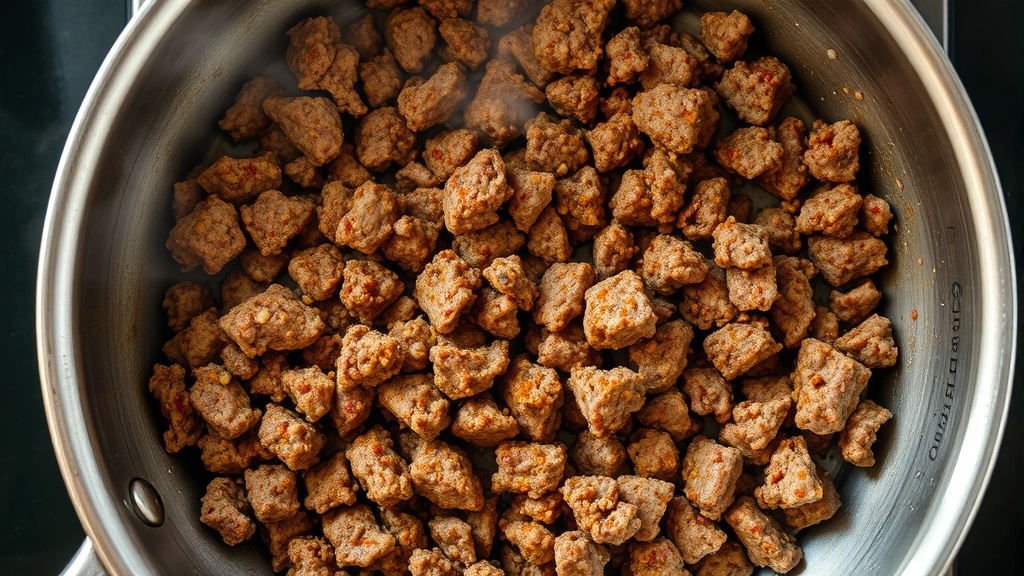
- Heat a large skillet over medium-high heat
- Add ground beef, breaking it into small crumbles as it cooks
- Cook for 5-7 minutes until browned throughout, stirring frequently
- Drain excess fat if desired, leaving about 1 tablespoon for flavor
- Season with salt, pepper, and a splash of pickle juice
- Cook for another minute, then transfer to a plate and let cool slightly
Building Your Salad Bowl:
- Combine iceberg and romaine lettuce in a large mixing bowl
- Add diced tomatoes, red onion, and chopped pickles
- Toss gently to distribute vegetables evenly
- Transfer lettuce mixture to serving plates or bowls
- Top with cooled ground beef
- Sprinkle cheddar and American cheese over the beef
- Drizzle generously with special sauce
- Serve immediately for optimal lettuce crispness
The order of assembly matters. Adding warm beef directly to cold lettuce creates a pleasant temperature contrast while keeping lettuce crisp. If you prefer warm salads, you can gently wilt the lettuce slightly, though traditional preparation keeps greens cold and crunchy.
For meal prep, keep components separate until serving time. Store cooked beef, lettuce, vegetables, and sauce in individual containers. Assemble the salad fresh when ready to eat, which maintains texture and prevents sogginess.
Nutritional Benefits Dietitians Love
A typical serving of Big Mac salad (without dressing) contains approximately 320-380 calories, 18-22 grams of protein, 8-12 grams of carbohydrates, and 22-26 grams of fat. These numbers vary based on specific ingredient choices and portion sizes, but generally represent a nutrient-dense meal that supports various dietary goals.
Key Nutritional Advantages:
- High Protein Content: Ground beef and cheese provide substantial protein for muscle maintenance and satiety
- Low Carbohydrate: Replacing the bun with lettuce eliminates refined carbs while maintaining satisfaction
- Fiber from Vegetables: Lettuce, tomatoes, and pickles contribute dietary fiber for digestive health
- Essential Micronutrients: Lettuce provides vitamins A and K, while beef supplies iron and B vitamins
- Healthy Fats: Cheese and beef fat contribute to hormone production and nutrient absorption
- Probiotic Potential: Pickles offer fermented benefits if using naturally fermented varieties
The macronutrient balance makes this salad suitable for low-carb, keto, and paleo diets. It also works for Mediterranean-style eating when you emphasize vegetables and use quality olive oil-based dressing. This versatility explains why dietitians consistently recommend Big Mac salads to clients seeking satisfying, sustainable meals.
When comparing organic vs non-organic food options, consider purchasing grass-fed beef when possible. Grass-fed beef contains higher levels of omega-3 fatty acids and conjugated linoleic acid, making it nutritionally superior to conventional grain-fed varieties.
Recipe Variations to Try
Chicken Big Mac Salad: Substitute ground beef with ground chicken or shredded chicken for a leaner protein option. Cook chicken the same way, seasoning generously with salt and pickle juice. This variation reduces calories by approximately 60-80 per serving while maintaining the familiar Big Mac flavor profile.
Turkey Version: Ground turkey offers another lean alternative. Ground turkey has a milder flavor than beef, so increase special sauce quantity and add extra pickles for bold flavor. This option works well for those avoiding red meat or following specific dietary protocols.
Plant-Based Alternative: Crumbled tofu or plant-based ground meat can replace animal protein. Season plant-based protein generously since it has less inherent flavor. The special sauce becomes even more important in this variation for creating authentic Big Mac taste.
Double Cheese Version: For cheese lovers, double the cheese quantities or add crispy bacon bits. This increases calories and fat content but creates an indulgent treat for special occasions.
Spicy Variation: Add jalapeño slices, increase paprika in the sauce, and include a dash of hot sauce for those preferring heat. Spicy elements complement the rich cheese and beef beautifully.
Egg-Topped Version: Add a soft-boiled or fried egg on top for additional protein and richness. The runny yolk creates a natural dressing that combines with the special sauce.
Storage and Meal Prep Strategies
Refrigerator Storage: Properly stored components last 3-5 days. Keep cooked ground beef in an airtight container on the lowest shelf. Store lettuce and vegetables in separate containers to prevent moisture transfer. Keep special sauce in a sealed jar. This separation prevents the salad from becoming soggy before you’re ready to eat it.
Freezing Options: Cooked ground beef freezes well for up to three months. Cool completely before freezing in portioned containers or freezer bags. Thaw overnight in the refrigerator before using. Lettuce and fresh vegetables don’t freeze well, so assemble the salad after thawing the beef.
Meal Prep Best Practices:
- Cook beef in batches on Sunday for the week ahead
- Wash and chop lettuce, storing in paper-towel-lined containers to absorb excess moisture
- Dice tomatoes and onions fresh as needed, or prep up to two days ahead
- Make special sauce in larger batches and refrigerate in glass jars
- Use glass containers rather than plastic, which can retain odors and stains
- Label everything with preparation dates for food safety tracking
For work lunches, pack components in a bento-style container with separate compartments. Keep dressing in a small container and add just before eating. This approach maintains salad quality throughout your workday while making lunch assembly quick and convenient.
Frequently Asked Questions
Can I make Big Mac salad without meat?
Absolutely. Use crumbled tofu, tempeh, or commercial plant-based ground meat. Season generously since these proteins lack the inherent flavor of beef. The special sauce becomes crucial for creating that Big Mac taste. Some vegetarians add extra cheese or nuts for additional protein and satisfaction.
Is this salad actually healthier than a Big Mac?
Yes, significantly. A Big Mac salad contains roughly 40% fewer calories, 50% less fat, and 80% fewer carbohydrates than a traditional Big Mac. You gain substantial fiber, vitamins, and minerals while losing refined carbohydrates and additives found in fast food buns.
How long does special sauce last?
Homemade special sauce keeps for two weeks in the refrigerator when stored in an airtight container. The mayonnaise base can separate slightly over time; simply stir before using. For longer storage, freeze sauce in ice cube trays for up to three months, thawing as needed.
Can I use store-bought special sauce?
Yes, but homemade tastes significantly better and costs less. Store-bought versions often contain preservatives and lack the fresh flavor of homemade sauce. Making sauce from scratch takes five minutes and dramatically improves the overall salad quality.
What’s the best way to keep lettuce crispy?
Store lettuce in paper-towel-lined containers rather than plastic bags. The paper towels absorb excess moisture that causes wilting. Keep lettuce in the coldest part of your refrigerator, typically the back of the bottom shelf. Wash and dry lettuce thoroughly before storing.
Can I prepare this salad the night before?
Keep components separate until serving time. Assembled salads become soggy within a few hours as dressing wilts lettuce. Store beef, lettuce, vegetables, and sauce separately, then assemble fresh when ready to eat for optimal texture and taste.
What sides pair well with Big Mac salad?
This salad is substantial enough to serve as a complete meal, but you can add sides like roasted vegetables, cauliflower rice, or sweet potato fries. A simple green salad or vegetable soup complements it nicely without overwhelming the plate.
Is this salad suitable for keto diets?
Yes, it’s an excellent keto option. The salad is naturally low-carb with high fat and protein content. Simply ensure you’re using full-fat ingredients and monitor portion sizes if tracking macros precisely. Most servings fit easily within keto macronutrient targets.
Can I make this salad dairy-free?
You can eliminate cheese easily, though it removes some flavor and richness. Use dairy-free mayo in the special sauce, or substitute it with an oil-based dressing. The salad remains delicious without dairy, though the experience differs slightly from the traditional version.
What cooking method works best for ground beef?
Skillet cooking over medium-high heat produces the best results, creating flavorful browned bits while maintaining juiciness. You can also use ground beef from a slow cooker, though it won’t have the same texture. Some cooks use ground beef from a grill pan for extra flavor complexity.


