Bison Burger Recipe: Chef’s Secret Unveiled
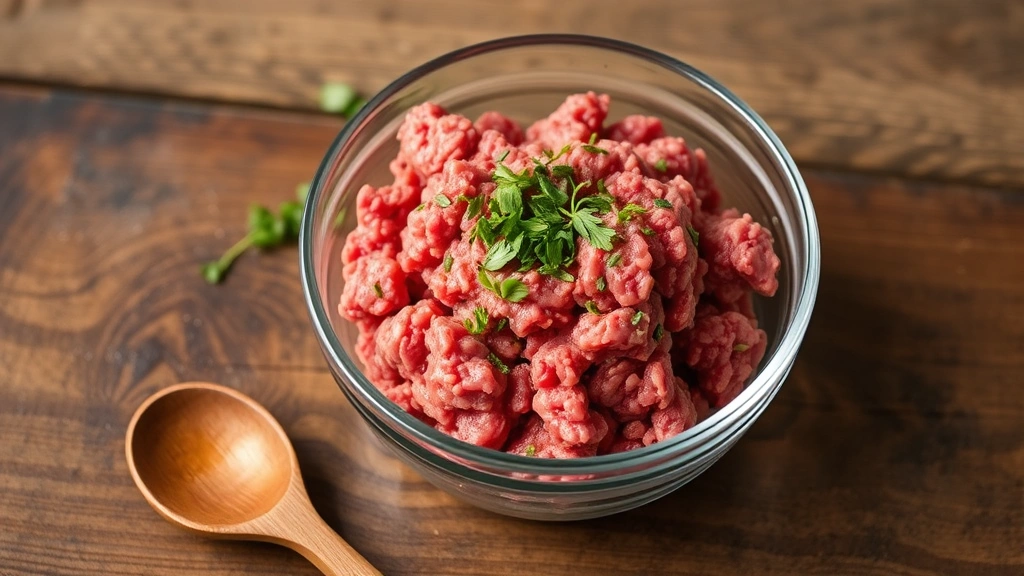
Bison burgers represent one of the most underrated culinary creations in modern American cooking. Unlike conventional beef burgers, bison meat offers a distinctly leaner profile with rich, complex flavors that elevate the entire dining experience. Professional chefs have long recognized that bison’s natural tenderness and lower fat content require specific preparation techniques to achieve optimal juiciness and taste. This comprehensive guide unveils the secrets that separate mediocre bison burgers from restaurant-quality masterpieces that keep diners coming back for more.
The journey toward perfecting your bison burger recipe begins with understanding the meat’s unique properties. Bison contains approximately 24% less fat than beef while maintaining superior protein content and essential amino acids. This leaner composition demands attention to moisture retention, binding agents, and cooking temperatures. Whether you’re a seasoned grill master or home cook exploring new protein options, mastering bison burger preparation will transform your outdoor cooking repertoire and impress even the most discerning palates.
Why Choose Bison Over Beef
Bison meat has gained tremendous popularity among health-conscious diners and professional chefs alike. The nutritional advantages extend beyond simple calorie reduction. Bison contains higher levels of omega-3 fatty acids, iron, and B vitamins compared to conventional beef. These nutrients support better cardiovascular health, improved energy metabolism, and enhanced nutrient bioavailability. When creating your signature bison burger recipe, you’re not merely selecting an alternative protein—you’re choosing a ingredient that delivers superior nutritional density without sacrificing flavor intensity.
The flavor profile of bison differs markedly from beef in ways that excite adventurous eaters. Bison meat carries subtle sweet undertones with hints of game-like earthiness that create depth on the palate. This natural complexity means your burgers require less aggressive seasoning than traditional beef patties. Many professional kitchens reduce sodium content by 15-20% when switching from beef to bison, allowing the meat’s inherent flavors to shine through. The texture remains consistently tender when cooked properly, delivering that sought-after juiciness without excessive fat content.
Environmental sustainability provides another compelling reason to embrace bison burgers. Bison ranching requires significantly less water than cattle farming and produces lower methane emissions. These animals thrive on open grasslands without requiring supplemental grain feed, supporting regenerative agricultural practices. By choosing bison, you’re supporting sustainable food systems while enjoying superior nutrition and distinctive taste. Many regional farms now raise bison specifically for direct-to-consumer sales, enabling you to source locally and support ethical animal husbandry.
Essential Ingredients and Preparation
Creating an exceptional bison burger recipe begins with ingredient selection and proper preparation methodology. You’ll need ground bison meat—preferably 80/20 lean-to-fat ratio, though some prefer 85/15 for extra leanness. Select meat that appears bright red with minimal oxidation. Purchase from reputable sources offering recent grind dates, ideally within 24 hours of your cooking time. Cold ground bison handles more easily and produces superior burger structure compared to room-temperature meat.
Beyond the meat itself, essential additions include:
- Binding agents: Breadcrumbs or crushed crackers (¼ cup per pound) help retain moisture and prevent excessive shrinkage during cooking
- Egg: One large egg per pound of meat creates structural integrity without becoming dense
- Flavor enhancers: Minced garlic, Worcestershire sauce, and fresh herbs add complexity
- Seasoning: Salt and pepper applied just before cooking, never mixed into raw meat
- Optional additions: Finely minced mushrooms, caramelized onions, or grated cheese for additional moisture and flavor
Preparation methodology significantly impacts final results. Remove ground bison from refrigeration 15 minutes before cooking to ensure even temperature distribution. Avoid excessive handling of the raw meat, as overworking develops gluten networks that create tough, dense patties. Instead, combine ingredients using a light touch, mixing just until barely incorporated. Divide the mixture into equal portions—typically 5-6 ounces for standard burger patties. Create a slight depression in the center of each patty with your thumb, approximately ½-inch deep and 1-inch diameter. This depression prevents puffing during cooking and ensures even thickness throughout.
Step-by-Step Cooking Instructions
Mastering the cooking process separates amateur attempts from professional-quality results. Preheat your grill to medium-high heat (375-400°F), or heat a cast-iron skillet over medium-high heat until a droplet of water dances across the surface. Never oil the cooking surface excessively; bison’s lean composition requires minimal additional fat. Pat patties dry with paper towels immediately before cooking to facilitate proper browning.
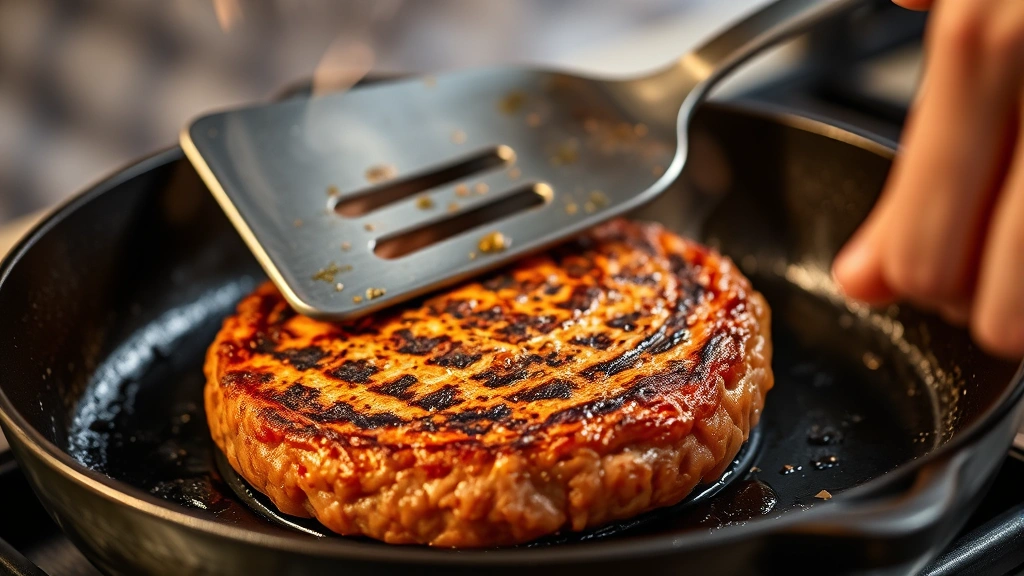
Place patties on the hot surface and resist the urge to move them. Allow the first side to develop a proper crust—approximately 3-4 minutes for a ½-inch thick patty. A well-formed crust seals in juices and creates the textural contrast that defines excellent burgers. Flip only once, cooking the second side for 2-3 minutes for medium doneness (160°F internal temperature). Use an instant-read thermometer inserted into the thickest part of the patty to verify doneness accurately. Bison reaches optimal tenderness and juiciness between 155-160°F; overcooking results in dryness due to the meat’s naturally lean composition.
Remove patties from heat and allow a 3-minute rest period on a warm plate. This resting phase redistributes internal juices throughout the meat, ensuring maximum moistness in every bite. During this rest, consider toasting your buns cut-side-down on the grill for 30-45 seconds, creating textural contrast and preventing sogginess from burger juices. Professional kitchens consistently implement this bun-toasting technique, recognizing that the bun’s structural integrity directly impacts the overall eating experience.
Temperature control remains absolutely critical when cooking bison. Unlike beef, which tolerates higher internal temperatures while remaining juicy, bison’s lean nature demands precision. A meat thermometer becomes your most valuable tool, eliminating guesswork and ensuring consistent results batch after batch. Invest in a quality instant-read thermometer accurate to within 1°F for reliable measurements.
Seasoning Strategies for Maximum Flavor
Professional chefs understand that seasoning timing dramatically influences the final flavor profile. Never mix salt into raw bison meat—sodium draws out moisture through osmosis, creating dry patties regardless of cooking technique. Instead, apply hamburger seasoning recipe foundations immediately before cooking. A simple combination of kosher salt and freshly ground black pepper provides the ideal foundation, allowing bison’s natural flavors to predominate.
For those seeking more adventurous profiles, consider building flavor layers through strategic seasoning choices. Blackened seasoning recipe approaches work exceptionally well with bison’s robust character. Create a custom blend combining smoked paprika, garlic powder, onion powder, cayenne pepper, dried thyme, and black pepper. This aromatic mixture adds depth without overwhelming the meat’s inherent qualities. Apply the seasoning blend generously to both sides of each patty just before cooking, allowing the high heat to bloom the spices and create an aromatic crust.
Umami-building ingredients amplify bison’s natural savory notes. Minced garlic, soy sauce, and mushroom powder work synergistically to enhance meatiness without tasting obviously added. When mixing these ingredients into the meat before forming patties, use restraint—½ teaspoon of mushroom powder and 1 tablespoon of minced garlic per pound of meat provides noticeable enhancement without overpowering subtlety. Fresh herbs including parsley, cilantro, and chives add brightness that contrasts beautifully with bison’s earthiness.
Worcestershire sauce represents a classic seasoning addition that professional burger makers employ strategically. Rather than mixing into raw meat, brush patties lightly with Worcestershire sauce immediately after flipping. The sauce’s complex fermented flavors meld with the developing crust, creating dimensional taste experiences. This application method prevents moisture loss while delivering flavor intensity exactly where it matters most—on the meat’s exterior where taste receptors encounter maximum concentration.
Topping and Assembly Techniques
The burger itself represents merely the foundation upon which exceptional creations are built. Topping selection and assembly methodology determine whether your bison burger achieves memorable status. Begin with quality buns—brioche offers richness, while pretzel buns provide textural interest and subtle salinity. Avoid overly soft buns that disintegrate under burger weight; aim for buns with sufficient structure to maintain integrity throughout consumption.
Condiment selection warrants careful consideration. Mayonnaise-based spreads create moisture barriers that prevent bun sogginess while adding richness. Green goddess dressing recipe applications provide herbaceous brightness that complements bison’s earthiness beautifully. For those preferring heat and acidity, taco sauce recipe variations deliver complexity that elevates simple toppings into gourmet experiences.
Vegetable selections should emphasize freshness and textural contrast. Crispy lettuce varieties like romaine or butter lettuce provide structural support and pleasant crunch. Ripe tomato slices cut at least ½-inch thick offer juiciness and subtle sweetness. Thinly sliced red onions contribute pungent bite that awakens the palate. Pickled vegetables including jalapeños, banana peppers, or traditional dill pickles add acidic brightness that cuts through bison’s richness.
Cheese selection profoundly impacts the final experience. Bison’s lean composition benefits from fat-rich cheeses that enhance mouthfeel. Aged cheddar provides sharp, complex notes that complement bison’s earthiness. Swiss cheese adds subtle nuttiness, while blue cheese creates bold flavor contrasts. Place cheese on the hot burger immediately after flipping, allowing residual heat to melt it completely before assembly. This timing ensures cheese integrates into the burger rather than remaining as a separate layer.
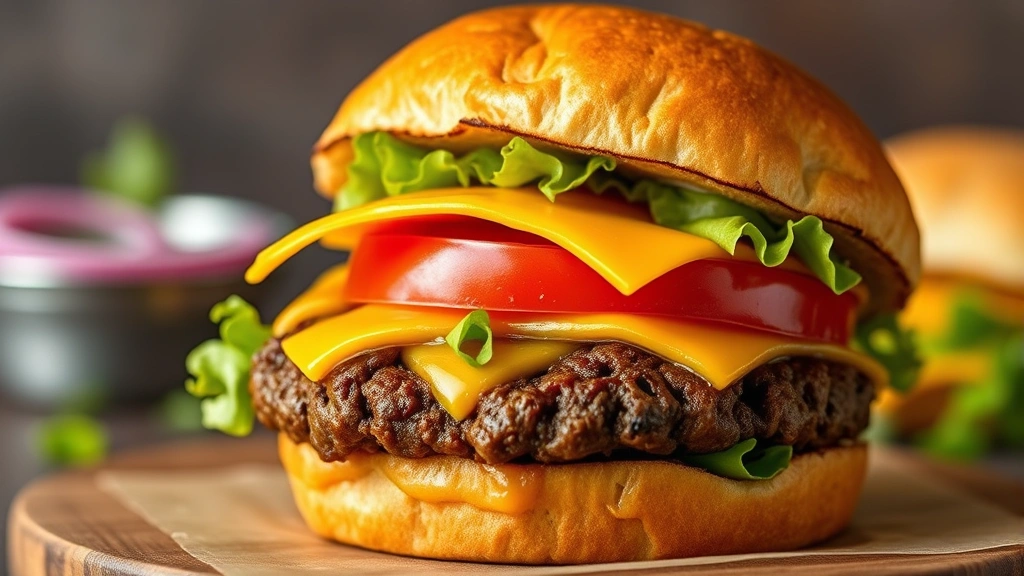
Assembly technique matters more than casual cooks realize. Construct your burger in layers, beginning with a thin condiment layer on the bottom bun. This initial barrier protects the bun from excessive moisture while anchoring subsequent layers. Add the patty, then cheese if using. Layer vegetables strategically, placing lettuce adjacent to the bun to create additional moisture barriers. Finish with your chosen condiment on the top bun, then carefully place the bun atop the stack. Slight downward pressure helps compress layers without crushing the bun, ensuring each bite contains balanced proportions of meat, cheese, and vegetables.
Common Mistakes to Avoid
Even with excellent ingredients and proper technique, common errors undermine burger quality. The most frequent mistake involves overworking the meat mixture. Excessive mixing develops gluten networks that create dense, compact patties more resembling meatloaf than burgers. Combine ingredients using a light hand, mixing just until barely incorporated. Your mixture should remain slightly loose and chunky in appearance.
Insufficient resting time after cooking represents another critical error. Bison meat requires 3-5 minutes of rest to allow internal juices to redistribute throughout the patty. Cutting into burgers immediately after cooking results in juice loss and dry mouthfeel. Use this resting period productively by toasting buns or preparing toppings, ensuring every component reaches optimal temperature simultaneously.
Temperature inaccuracy causes more bison burger disappointments than any other factor. Relying on visual cues or cooking time estimates produces inconsistent results. Invest in a quality instant-read meat thermometer and use it religiously. The difference between perfectly juicy (160°F) and disappointingly dry (165°F) is minimal, making precision essential. Insert the thermometer into the thickest part of each patty, avoiding contact with the cooking surface.
Improper salt timing fundamentally undermines burger quality. Mixing salt into raw meat extracts proteins that bind water, causing moisture loss during cooking. Apply salt only immediately before cooking, when its benefits—crust development and flavor enhancement—can manifest without negative osmotic effects. This simple timing adjustment produces noticeably juicier results across all burger varieties.
Insufficient heat prevents proper crust development. Many home cooks use medium heat, which produces gray, steamed patties rather than flavorful, brown-crusted masterpieces. Preheat your cooking surface thoroughly to medium-high or high heat. The intense initial heat creates the Maillard reaction—the chemical process that generates complex, savory flavors and appealing brown coloration. Adequate heat also reduces cooking time, further protecting bison’s lean meat from overcooking.
Finally, avoid excessive pressing or flattening during cooking. This common habit squeezes out precious juices, resulting in dry, dense patties. Use a spatula to flip patties only, never pressing downward. Gentle handling throughout cooking preserves moisture and ensures optimal texture in the finished burger.
FAQ
What is the ideal internal temperature for bison burgers?
Bison burgers reach optimal doneness at 160°F internal temperature. This temperature ensures food safety while preserving the meat’s natural juiciness. Because bison contains less fat than beef, temperatures above 165°F often result in dry, tough patties. Use an instant-read thermometer inserted into the thickest part of each patty, avoiding the cooking surface.
Can I make bison burgers ahead of time?
Yes, you can form patties up to 24 hours in advance. Cover formed patties with plastic wrap and refrigerate. Remove from refrigeration 15 minutes before cooking to ensure even temperature distribution. Alternatively, freeze formed patties for up to three months. Cook frozen patties directly from the freezer, adding 2-3 minutes to total cooking time and checking temperature carefully.
Where can I purchase ground bison meat?
Ground bison is increasingly available through mainstream grocery stores in the premium meat section. Specialty butcher shops often carry high-quality bison from reputable ranchers. Online retailers including American Buffalo Company and National Bison Association member farms offer direct shipping. Local farmers markets increasingly feature bison vendors who can discuss their ranching practices and recommend optimal cuts for burgers.
What’s the best cooking method for bison burgers?
Both grilling and cast-iron skillet cooking produce excellent results. Grilling imparts subtle smoke flavors and appealing char marks, while cast-iron creates superior crust development through even heat distribution. Choose based on your equipment and preference. Both methods require medium-high heat and careful temperature monitoring.
Can I add fillings or toppings inside the patty?
Yes, but approach this technique carefully. Create a small indent in the center of the patty, add a small amount of your chosen filling (cheese, mushrooms, or caramelized onions), then cover with additional meat mixture. Ensure the filling is completely enclosed to prevent leakage during cooking. This technique works beautifully for creating surprise flavor pockets in otherwise simple burgers.
How do I prevent bison burgers from becoming dry?
Dryness results from overcooking, excessive salt mixing, or overworking the meat. Prevent dryness by: using an accurate meat thermometer, applying salt only before cooking, mixing ingredients lightly, including moisture-retaining binders like breadcrumbs and egg, and allowing proper resting time after cooking. These combined strategies ensure consistently juicy results.
What beverages pair well with bison burgers?
Bison’s rich, earthy flavors pair excellently with craft beers, particularly hoppy IPAs or amber ales. Red wines including Pinot Noir and Côtes du Rhône complement bison’s complexity. For non-alcoholic options, quality root beer or iced tea with fresh lemon offers refreshing contrast to the burger’s richness.


