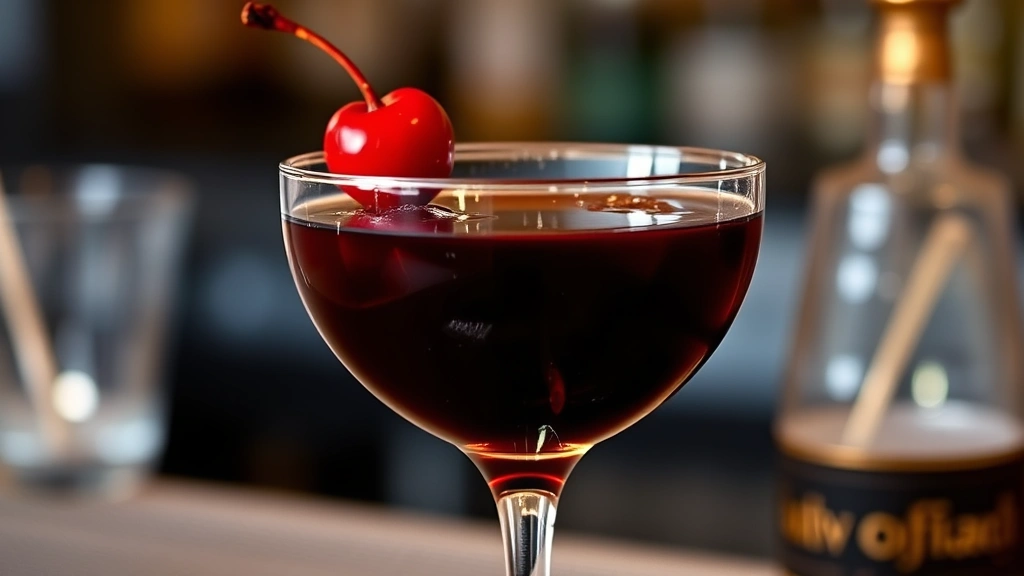
Craft the Perfect Black Manhattan: Expert Mixologist Tips & Recipe Guide
The Black Manhattan stands as one of the most sophisticated and visually striking cocktails in any bartender’s repertoire. This dark, elegant variation on the classic Manhattan swaps traditional sweet vermouth for Averna amaro, creating a complex flavor profile that appeals to both seasoned cocktail enthusiasts and curious newcomers. Whether you’re preparing drinks for an intimate dinner party or perfecting your home bar technique, mastering the Black Manhattan requires understanding its components, proportions, and the subtle art of proper execution.
What makes this cocktail truly special is its balance of bitter, sweet, and warming spice notes that create a sophisticated drinking experience. The addition of amaro transforms the drink from a simple whiskey cocktail into something with considerable depth and intrigue. In this comprehensive guide, we’ll walk you through everything you need to know about crafting the perfect Black Manhattan, from selecting quality ingredients to mastering the stirring technique that separates amateur attempts from professional-level results.
Understanding the Black Manhattan
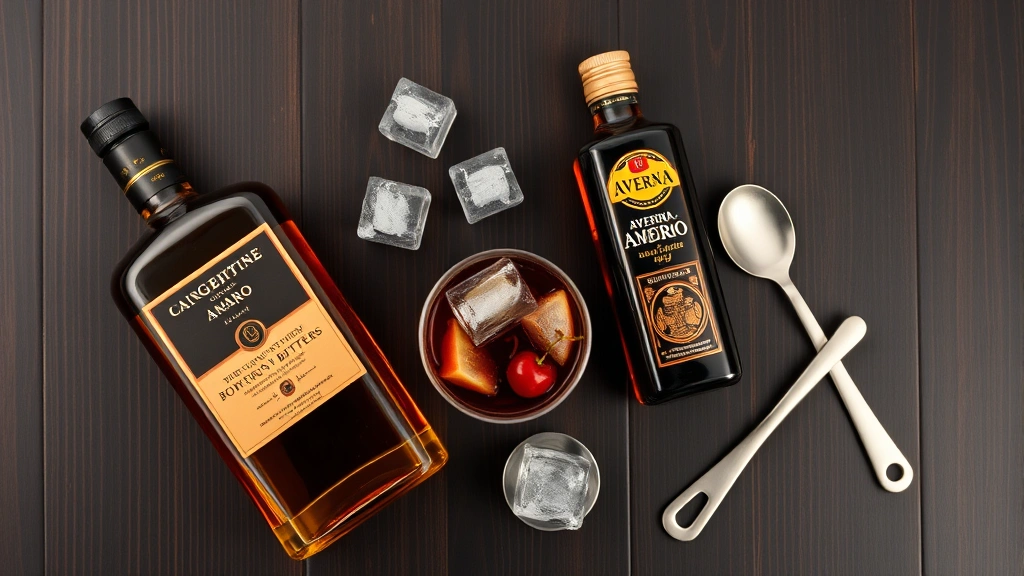
The Black Manhattan is fundamentally a Manhattan variant, but one that deserves its own spotlight. The classic Manhattan, which has graced cocktail menus since the 1870s, traditionally combines whiskey, sweet vermouth, and aromatic bitters. The Black Manhattan takes this time-honored formula and introduces Averna, a Sicilian amaro known for its rich chocolate, citrus, and herbal notes.
This substitution creates a drink that’s simultaneously more complex and more approachable than its predecessor. The amaro’s natural sweetness means you’re not sacrificing the drink’s signature smoothness, but you’re gaining layers of flavor that reward careful sipping. The deep mahogany color that gives this cocktail its “black” designation comes primarily from the amaro, creating a visual presentation that suggests sophistication and depth.
Understanding why each component matters is crucial to appreciating—and executing—this cocktail properly. The whiskey provides the foundational spirit and warmth, the amaro contributes sweetness and herbal complexity, and the bitters tie everything together with their aromatic properties. When these elements are in proper proportion and technique is sound, you get a drink that’s greater than the sum of its parts.
Essential Ingredients & Selection
Choosing quality ingredients is non-negotiable when crafting cocktails, and the Black Manhattan is no exception. Each component directly influences the final product, so let’s examine what you need and how to select the best options.
Whiskey Selection: The spirit base should be a good-quality bourbon or rye whiskey. Bourbon brings vanilla and caramel notes that complement the amaro beautifully, while rye offers spice and dryness that creates a slightly more refined profile. For a Black Manhattan, consider using bourbon in the 90-100 proof range. Avoid bottom-shelf options, but you don’t necessarily need the most expensive bottle on the shelf. Mid-range bourbons like Maker’s Mark, Woodford Reserve, or Buffalo Trace work exceptionally well. For rye whiskey, Bulleit Rye or Rittenhouse Rye are excellent choices that won’t break the bank.
Averna Amaro: This is the signature ingredient that distinguishes your Black Manhattan from a standard Manhattan. Averna is a Sicilian amaro with a deep brown color and a complex flavor profile featuring chocolate, orange peel, and herbal notes. It’s moderately priced and widely available at most liquor stores. There’s really no acceptable substitute if you want an authentic Black Manhattan—this specific amaro is what defines the drink. Store it at room temperature away from direct sunlight.
Aromatic Bitters: Angostura aromatic bitters is the traditional choice and works beautifully here. However, some mixologists prefer exploring alternatives like craft spirits associations that detail specialty bitters from boutique producers. Regan’s Orange Bitters can add an extra citrus dimension if you want to experiment once you’ve mastered the classic version.
Ice: This might seem trivial, but ice quality matters significantly. You want large, dense ice cubes that melt slowly, keeping your drink cold without diluting it excessively. If you have access to a Lewis bag or ice maker that produces large cubes, use those. In a pinch, standard ice works, but avoid crushed ice entirely for this cocktail.
Cherry Garnish: A luxardo cherry is the traditional garnish, and for good reason. These Italian maraschino cherries are far superior to standard supermarket versions, offering a sophisticated flavor and appearance. They’re worth seeking out at specialty stores or online retailers. The cherry should be speared with a cocktail pick and placed in the glass as both garnish and flavor component.
Tools You’ll Need
Professional-quality tools aren’t just about aesthetics—they directly impact your ability to execute proper technique. Here’s what belongs in your home bar setup for Black Manhattan preparation.
- Mixing Glass: A sturdy mixing glass (preferably 16 ounces) is essential. This is where the magic happens. Look for thick glass that can handle vigorous stirring without cracking. A weighted mixing glass with a heavy base is ideal because it stays stable while you work.
- Bar Spoon: A long-handled bar spoon with a twisted handle is crucial for proper stirring technique. The length allows you to reach the bottom of the mixing glass and stir with control. The weight and balance matter more than you might think—a quality bar spoon makes stirring feel effortless.
- Jigger: A double-sided jigger (typically 1.5 ounces on one side and 0.75 ounces on the other) ensures accurate measurements. Consistency in proportions is what separates good cocktails from great ones. Look for jiggers with clearly marked measurements on the inside.
- Strainer: A Hawthorne strainer (the one with the spring mechanism) is standard for most cocktails, but a julep strainer works beautifully for stirred drinks like the Manhattan. The julep strainer fits more elegantly into a mixing glass and gives you better control over the pour.
- Cocktail Picks: These are used to spear your garnish cherry. Get ones that are at least 4-5 inches long so they rest properly across the top of your glass.
- Glassware: Serve your Black Manhattan in a classic coupe glass or Nick and Nora glass. These elegant vessels showcase the drink’s color and provide the proper volume (around 4-5 ounces) for balanced sipping.
Step-by-Step Recipe
Ingredients (per serving):
- 2 ounces bourbon or rye whiskey
- 1 ounce Averna amaro
- 2 dashes Angostura aromatic bitters
- Large ice cube or several large ice cubes
- 1 luxardo cherry for garnish
- Optional: lemon twist for additional aroma
Instructions:
- Chill Your Glass: Before you begin mixing, place your coupe or Nick and Nora glass in the freezer for at least 5 minutes. A cold glass keeps your finished cocktail at the proper temperature longer. If you don’t have freezer space, fill the glass with ice water while you prepare the drink, then discard before straining.
- Add Ice to Mixing Glass: Fill your mixing glass about three-quarters full with large ice cubes. The volume of ice matters because it provides the surface area needed for proper temperature control during stirring.
- Measure Spirits: Using your jigger, measure exactly 2 ounces of whiskey and 1 ounce of Averna into the mixing glass. Precision here is what separates amateur attempts from professional results. The 2:1 ratio of whiskey to amaro creates the proper balance of spirit-forward character with amaro’s complex sweetness.
- Add Bitters: Using an Angostura bitters bottle, add exactly 2 dashes to the mixing glass. A dash is roughly 1/8 teaspoon. The bitters are essential for tying the flavors together and adding aromatic complexity.
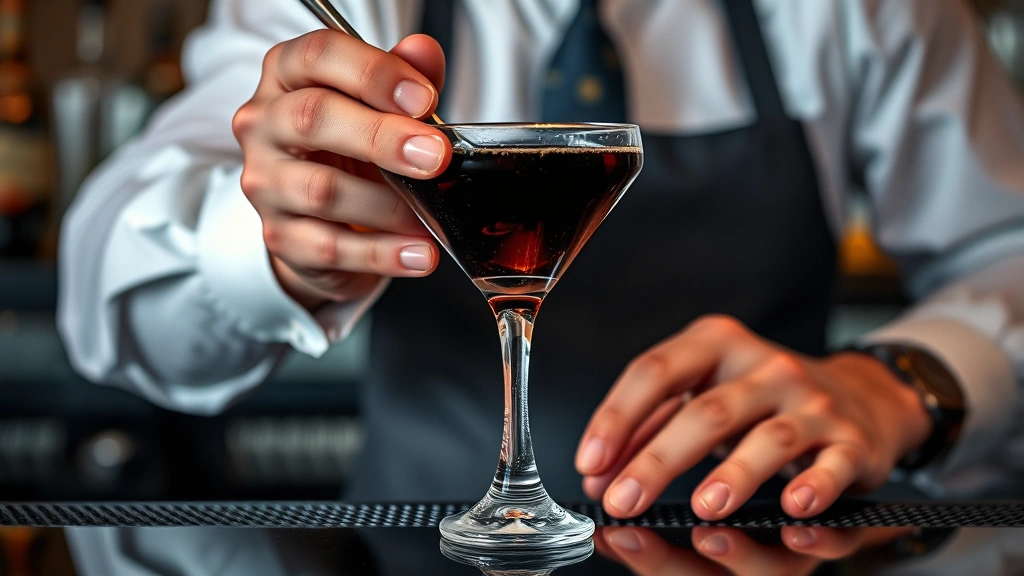
- Stir with Intention: This is where technique becomes paramount. Place your bar spoon in the mixing glass and stir steadily for about 30-40 seconds. Your goal is to achieve proper dilution and temperature. The ice should melt slightly, releasing water that integrates with the spirits to create a smoother, more balanced drink. Stir with controlled, steady motions—not frantically, but with purpose. Many professionals describe the ideal stir as having a consistent rhythm, almost like conducting music.
- Strain into Chilled Glass: Using your julep strainer, carefully pour the stirred cocktail into your pre-chilled glass. The strainer keeps ice from falling into the drink. Pour smoothly and steadily, leaving the smallest amount of liquid in the mixing glass to avoid over-dilution.
- Garnish Properly: Spear a luxardo cherry with a cocktail pick and lay it across the rim of the glass or rest it at the bottom. If desired, express the oils from a lemon twist over the drink’s surface by twisting it sharply, then drop it in or discard based on your preference.
- Serve Immediately: Consume your Black Manhattan promptly while it’s at optimal temperature and dilution. This is a drink meant for contemplation, not rushing.
Mastering the Technique
The difference between a mediocre Manhattan and an exceptional one comes down to technique. While the recipe is straightforward, execution requires attention to detail and practice.
The Stirring Motion: Proper stirring technique is where many home bartenders fall short. The goal isn’t to violently agitate the ingredients but to gently integrate them while achieving the right temperature and dilution. Hold your bar spoon with a relaxed grip, keeping your wrist relatively straight. Move the spoon in a steady, circular motion, allowing it to glide through the ice. The ice should make a gentle clinking sound, not a violent crashing noise. Stir for a full 30-40 seconds—this longer duration than most people expect is what creates the silky texture and proper chill.
Temperature Control: The ideal serving temperature for a Black Manhattan is around 35-38 degrees Fahrenheit. Your mixing glass and chilled serving glass help achieve this. The 30-40 second stir in a glass filled with ice ensures proper temperature. You’ll know you’ve stirred long enough when the outside of the mixing glass becomes frosty and uncomfortably cold to hold.
Dilution Balance: Dilution is your friend in cocktails. The small amount of water created as ice melts during stirring integrates with the spirits, softening the alcohol burn and creating a smoother drinking experience. You want roughly 0.5 to 0.75 ounces of dilution in your finished drink. This happens naturally during proper stirring—don’t under-stir trying to avoid dilution.
Glassware Temperature: Never underestimate the importance of a properly chilled glass. A warm glass can increase your drink’s temperature by 5-10 degrees within minutes. Freeze your glass for at least 5 minutes before straining. Some professional bars even use glasses that are stored in the freezer continuously.
Variations & Customizations
Once you’ve mastered the classic Black Manhattan, exploring variations can deepen your appreciation for the drink and your mixology skills. These variations maintain the spirit of the original while introducing new dimensions of flavor.
The Improved Black Manhattan: Some mixologists add a small barspoon (about 0.25 ounces) of simple syrup to enhance the sweetness and create a slightly rounder mouthfeel. This variation is sometimes called an “Improved” Manhattan, following a classic cocktail naming convention. The added sweetness can balance the amaro’s bitterness if you prefer a more dessert-like cocktail.
Citrus Variations: Substitute regular Angostura bitters with Regan’s Orange Bitters for a citrus-forward version. The orange notes complement the amaro’s citrus undertones beautifully. Some bartenders use a combination of both bitters—1 dash Angostura and 1 dash orange—for complexity.
Rye vs. Bourbon: Switching between rye and bourbon whiskey creates noticeably different drinks. Rye produces a drier, spicier version that emphasizes the amaro’s herbal qualities. Bourbon creates a rounder, slightly sweeter drink that emphasizes vanilla and caramel. Try both to discover your preference.
Amaro Experiments: While Averna is traditional, some adventurous mixologists experiment with other amari. Ramazzotti offers similar chocolate and herbal notes with slightly different proportions. Fernet-Branca creates an intensely herbal, almost medicinal version. These aren’t “Black Manhattans” by definition, but they’re interesting explorations using the same basic framework.
Common Mistakes to Avoid
Even experienced home bartenders make predictable errors when crafting cocktails. Being aware of these pitfalls helps you avoid them.
Under-Stirring: The most common mistake is not stirring long enough. Many people stir for only 10-15 seconds, which doesn’t achieve proper temperature or dilution. Set a timer or count slowly to 40 seconds. You’ll feel the difference in the final product.
Using Warm Ice or Improper Ice: If your ice is already partially melted or too small, it won’t provide proper chilling. Use large, dense ice cubes that were frozen solid. If your ice has been sitting in the freezer door for weeks, it’s absorbed odors and flavors—use fresh ice instead.
Inaccurate Measurements: Eyeballing measurements is a quick path to inconsistent drinks. Always use a jigger, even if you think you can estimate. The difference between 1 ounce and 1.25 ounces of amaro is noticeable and affects the drink’s balance.
Wrong Garnish: Using regular supermarket maraschino cherries instead of luxardo cherries is a visible step down in quality. The difference in flavor and appearance is significant. Similarly, skipping the garnish entirely removes both visual appeal and an important flavor component.
Straining Improperly: Pouring too quickly or allowing ice into the drink creates dilution problems. Strain slowly and steadily, using your strainer to keep ice back. The small amount of liquid remaining in the mixing glass isn’t wasted—it’s intentionally left behind to prevent over-dilution.
Serving in Wrong Glassware: A Black Manhattan served in a rocks glass with ice becomes a completely different drink. The cocktail’s beauty lies in its elegant presentation in a chilled coupe or Nick and Nora glass. The proper glass affects temperature retention and sipping experience.
Rushing the Process: Cocktails aren’t meant to be made quickly. Taking your time with each step—properly chilling the glass, careful measurement, steady stirring—creates a superior end product. This is also part of the experience when serving guests.
FAQ
Can I make a Black Manhattan ahead of time?
Cocktails are best consumed immediately after preparation. If you’re hosting and need to prepare multiple drinks, you can batch the recipe—combine your spirits and bitters in a bottle before the event, then stir with ice and strain into individual glasses as needed. However, each drink should be freshly stirred and served immediately for optimal quality.
What’s the difference between a Black Manhattan and a regular Manhattan?
A traditional Manhattan uses sweet vermouth, while a Black Manhattan substitutes Averna amaro. This creates a more complex, slightly less sweet drink with chocolate, herbal, and citrus notes. The amaro’s depth makes the Black Manhattan more sophisticated and interesting for many palates, though some prefer the simpler sweetness of the classic version.
Can I use a different amaro instead of Averna?
While you can experiment with other amari, the drink technically becomes something other than a Black Manhattan. Averna’s specific flavor profile—with its chocolate, orange, and herbal notes—defines this cocktail. Other amari will create different drinks with different names. If you want to try alternatives, label them accordingly and appreciate them as new creations rather than Black Manhattan variations.
Should I chill my ingredients before mixing?
Room temperature spirits are fine—the ice in your mixing glass will chill everything properly. However, if your ingredients have been sitting in a warm room, you might benefit from a quick chill. Generally, focus on having plenty of cold ice and a pre-chilled serving glass rather than worrying about ingredient temperature.
How much dilution is ideal in a stirred cocktail?
Most professional bartenders aim for 0.5 to 0.75 ounces of dilution in a 3-ounce finished cocktail. This typically happens naturally during 30-40 seconds of proper stirring. You can tell you’ve achieved good dilution when the drink is properly chilled, smooth on the palate, and the alcohol burn is minimized.
What type of bitters should I use?
Angostura aromatic bitters is the traditional choice and works beautifully in a Black Manhattan. Once you’ve mastered the classic version, you might explore Regan’s Orange Bitters or other specialty bitters from cocktail publications and resources. For your first attempts, stick with Angostura.
Can I make this cocktail with bourbon only, without amaro?
That would be a different drink—closer to a classic Manhattan if you add sweet vermouth, or simply a whiskey cocktail if you don’t. The amaro is essential to the Black Manhattan’s identity. If you don’t have amaro on hand, consider making a different cocktail rather than attempting a substitution.


